
Goodbye 2011
Happy New Year to you all. May your 2012 be filled with many wonderful wildlife encounters.
I was just backing up my images from 2011 when I came across a folder on the hard drive that had slipped under the processing radar. It was from a session last March where I spent an easy session at the Wildlife and Wetlands Centre at Martin Mere. I like to make a visit here in the Spring as you can often find numerous wild birds, especially Shelduck mixed in with the captive birds and at the time there are still plenty of Whooper Swan and wildfowl to photograph from the hides on the main lake.
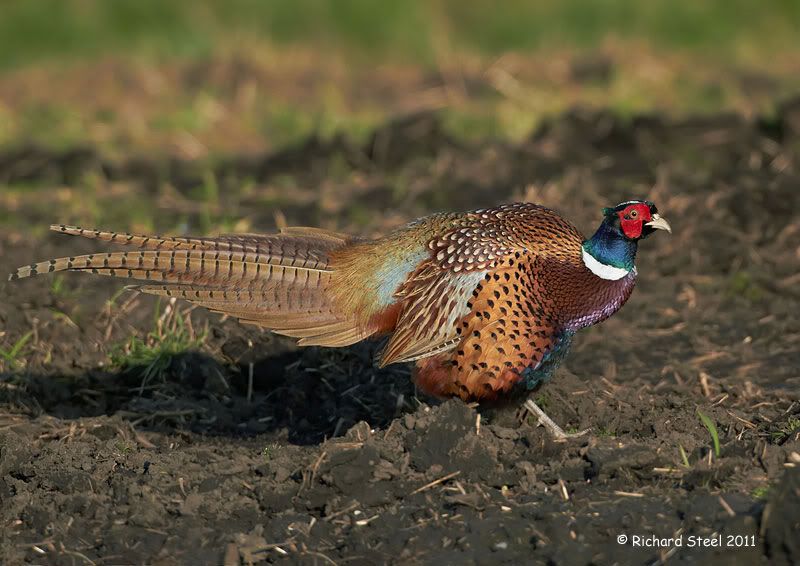
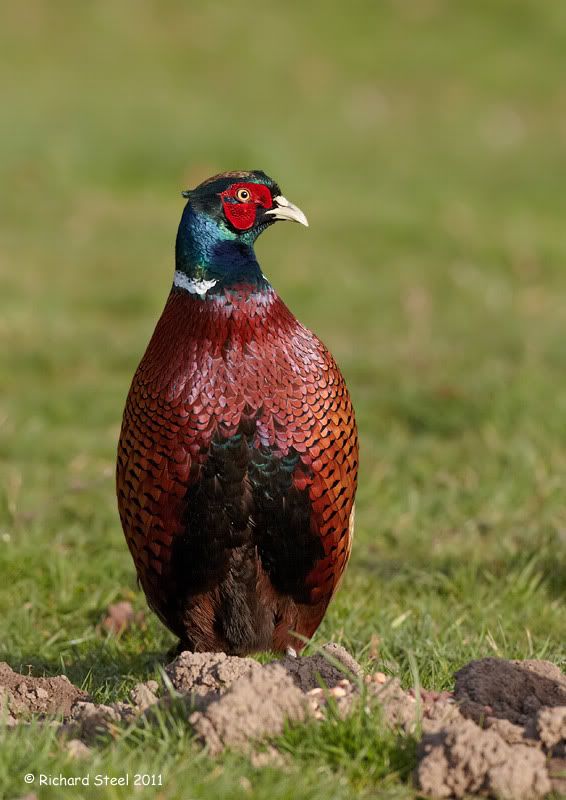
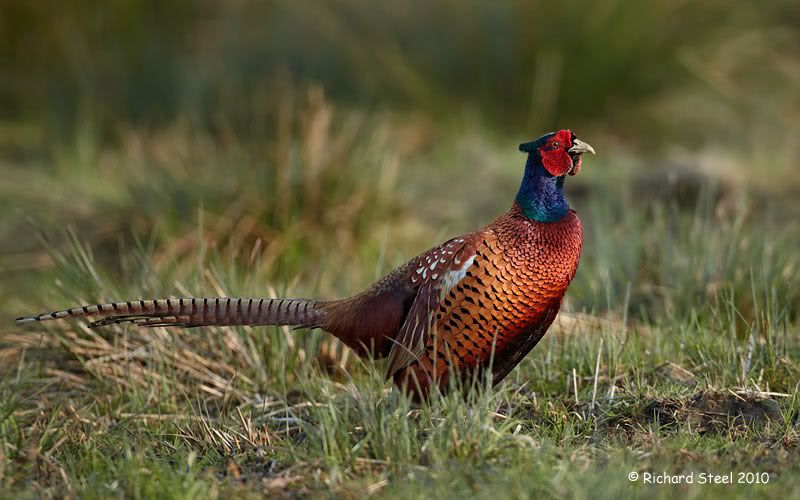
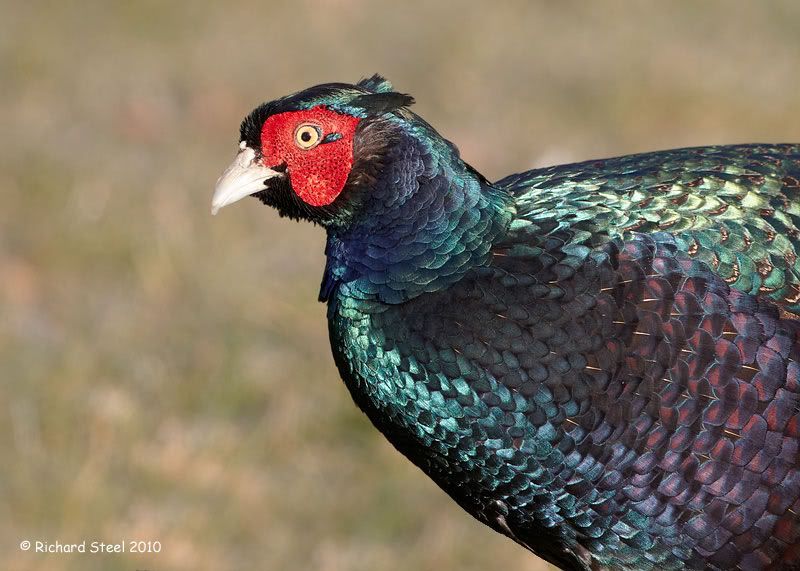
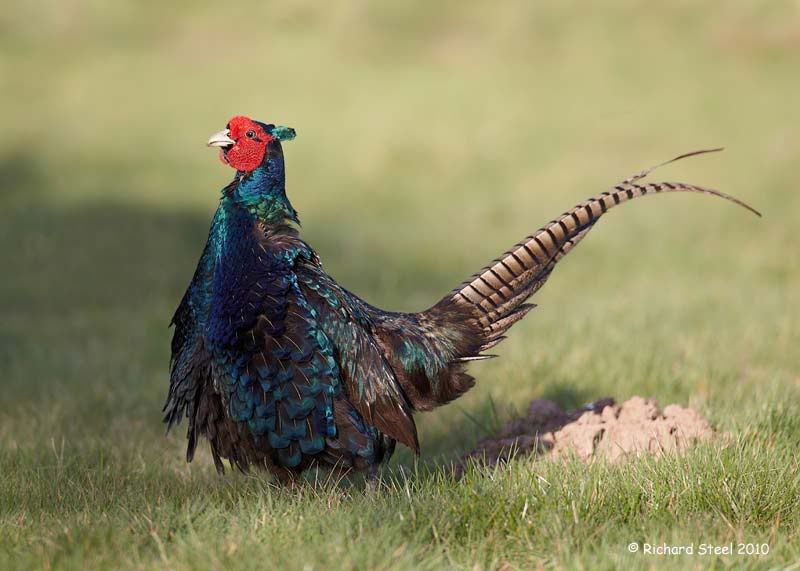
The session started before I arrived as I came across a male pheasant in full spring display mode. The bird was puffed up and 'showing off' to another male that is just out of the photo.
Due to the light direction my first port of call at Martin Mere was the main hide which as usual had plenty of birds at close range to chose from. However, I must admit I do find it slightly frustrating as these permanent hides do not allow you to get the more attractive low angle and point of view. Therefore it always feels a little if you are photographing down upon the birds rather than getting down to their level which produces better images.
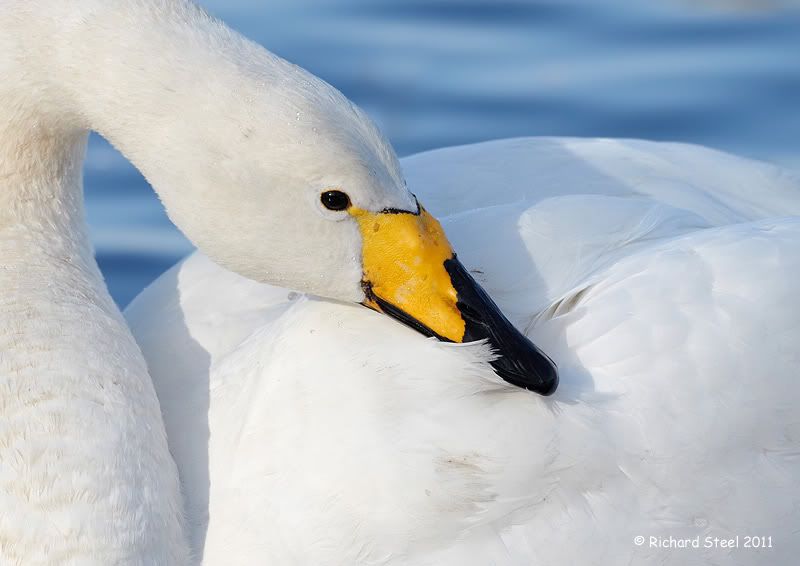
Large numbers of overwintering Whooper Swans were drifting around as usual, building up their energy reserves with the daily feed, before their long flight back to the breeding grounds in Iceland.
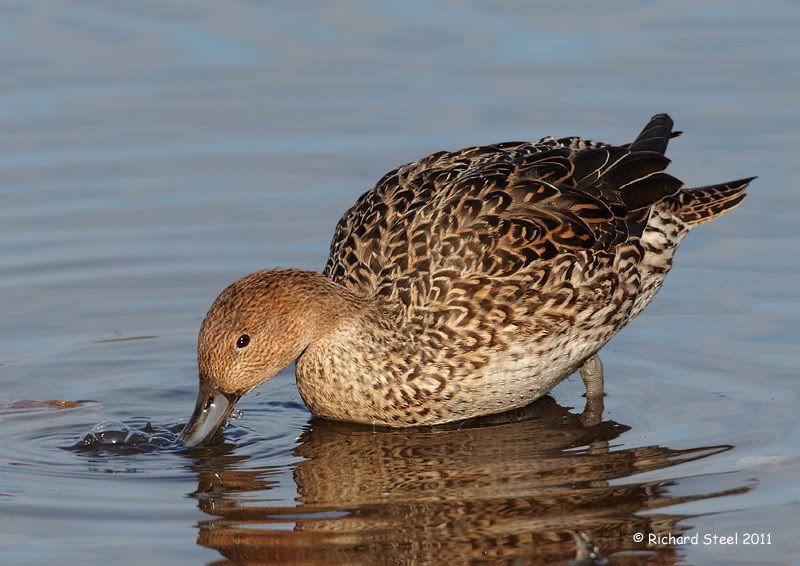
One of my favourite duck species, the Pintail, was present in large numbers. What these birds may lack in colour they certainly make up for through their attractive shape.
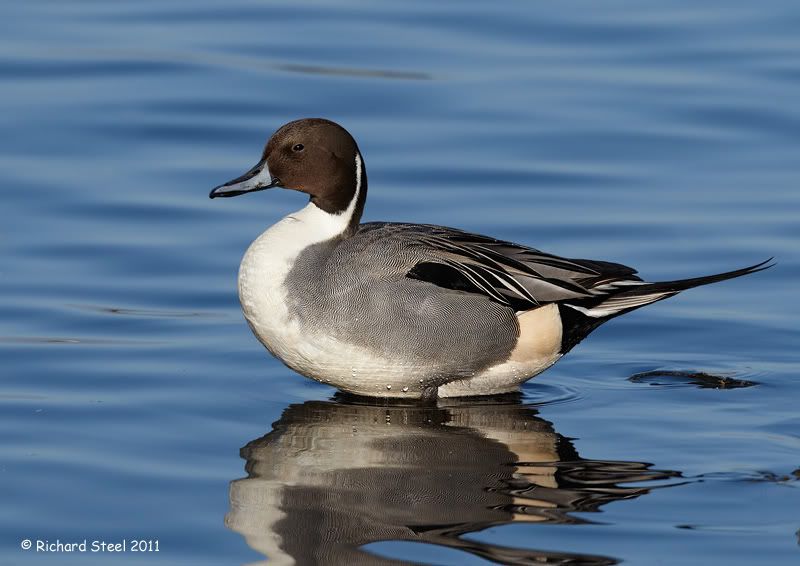
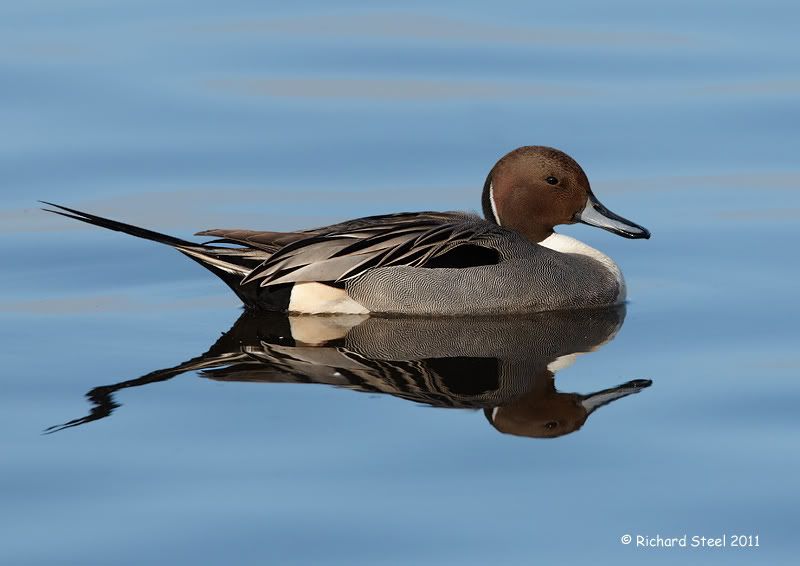
A female Pintail 'blowing bubbles' as it feeds in the shallows.
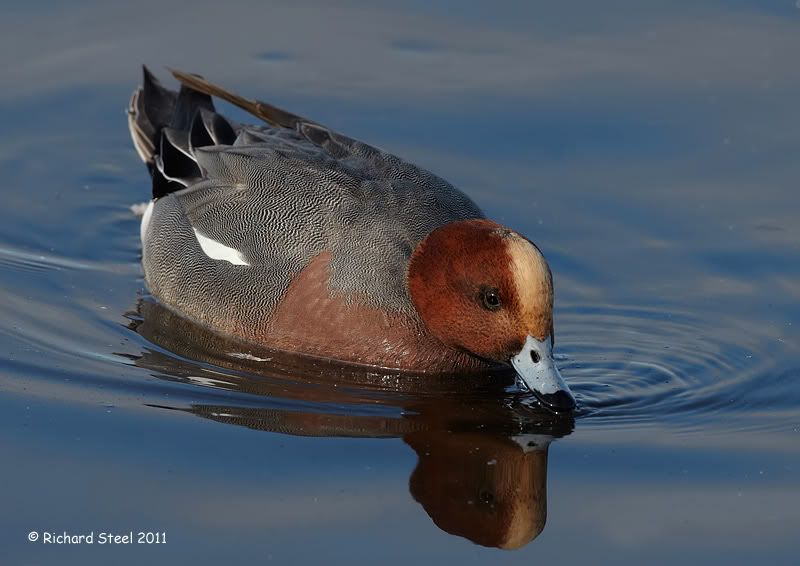
Amongst the Pintail were a few of the slightly more colourful Wigeon, that were announcing their presence with their characteristic whistling calls.
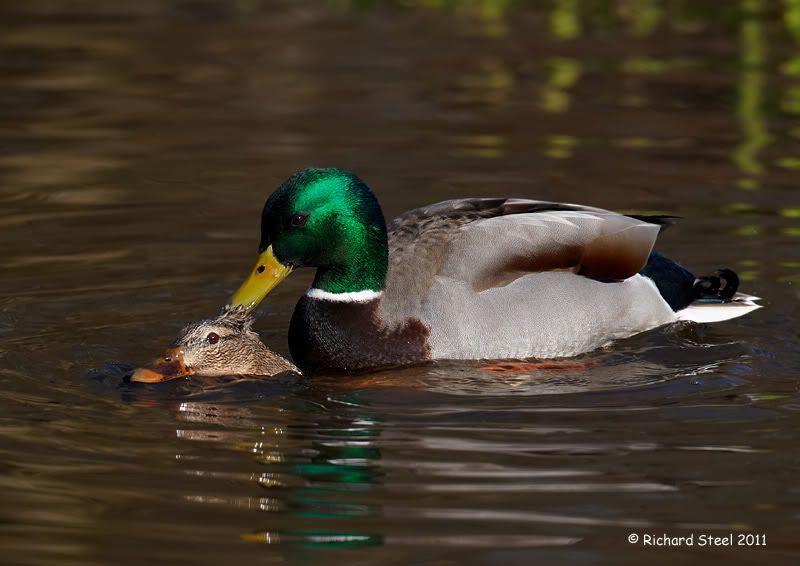
I left the main hide and took a wander around to see what else could be found. There was definitely a hint of Spring in the air during this March visit with Mallards busily mating. The female certainly seems to get the worse end of the deal during the process as she is pushed below the water.
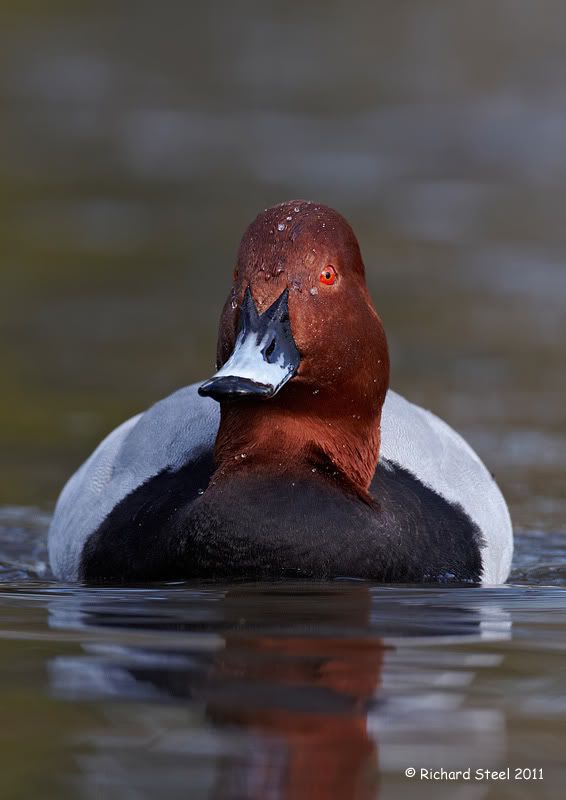
After a good bit of searching around I finally managed to find a wild Pochard amongst the captive collections to end a relaxing session with the camera.
I have already been out with the camera this year despite the best attempts by the weather to thwart me and will show some of these photos in my next post.


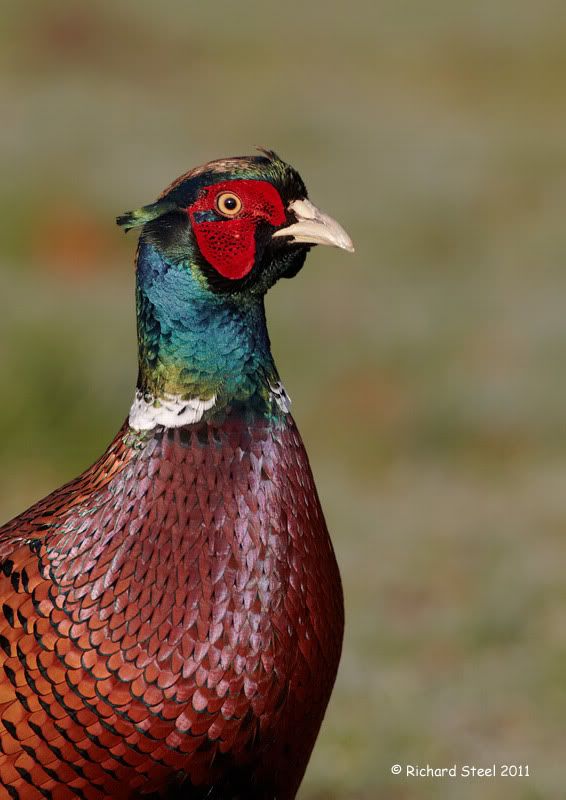
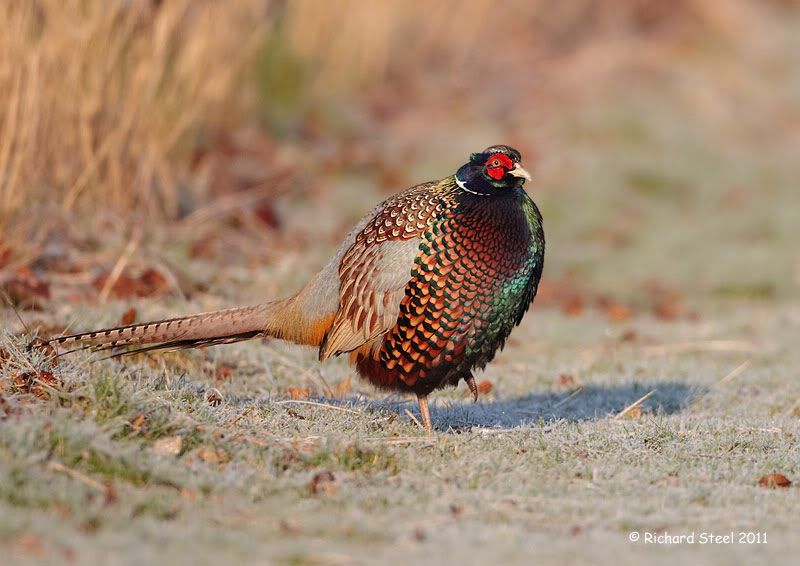
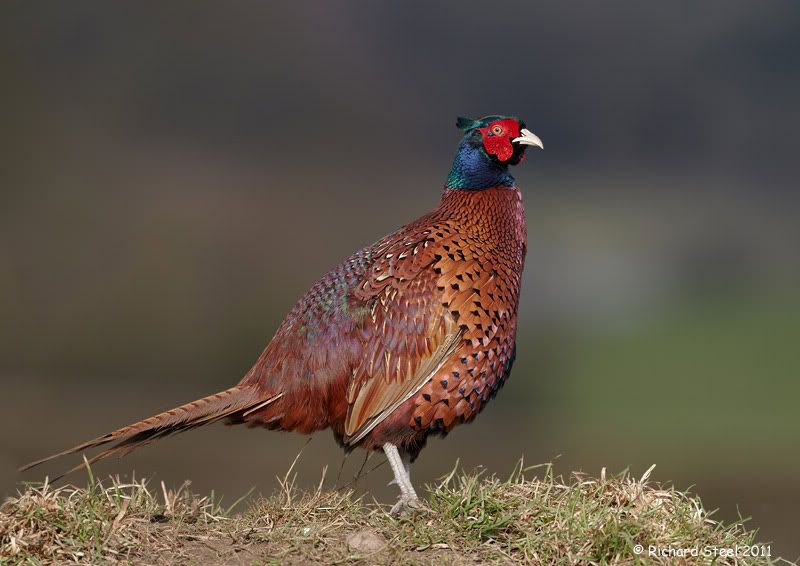 These birds are great fun at this time of year with the males calling frequently and battles erupting between males if two should cross paths. I found these two birds in the middle of a dispute which went on for a full 10 minutes but unfortunately not in ideal light conditions.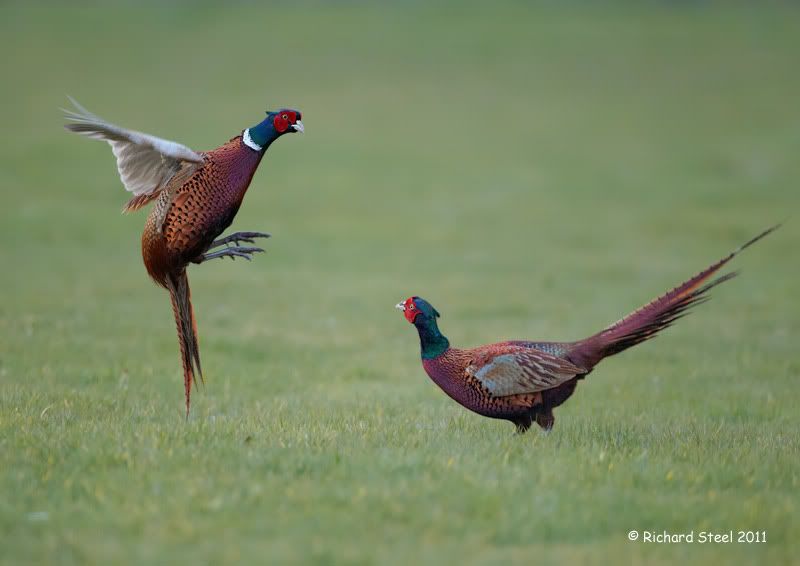
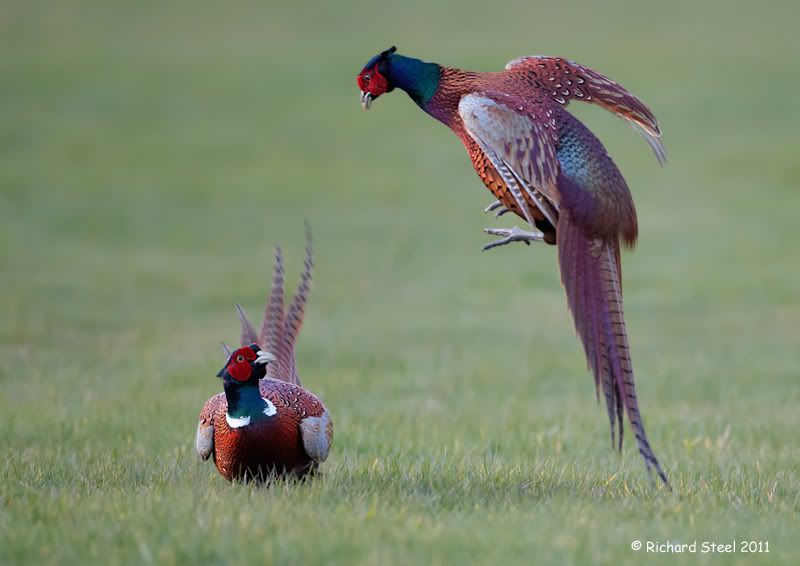 If you ever come across two male pheasants nose to nose, gently swaying, then prepare to watch the fireworks. The other interesting element of the behaviour is the explosive wing whirring call of the male. If you stay in the presence of a male long enough at this time of year it will at some point usually call. The more you watch, the easier it is to pick up on the subtle posture clues that indicate a call is about to take place.
 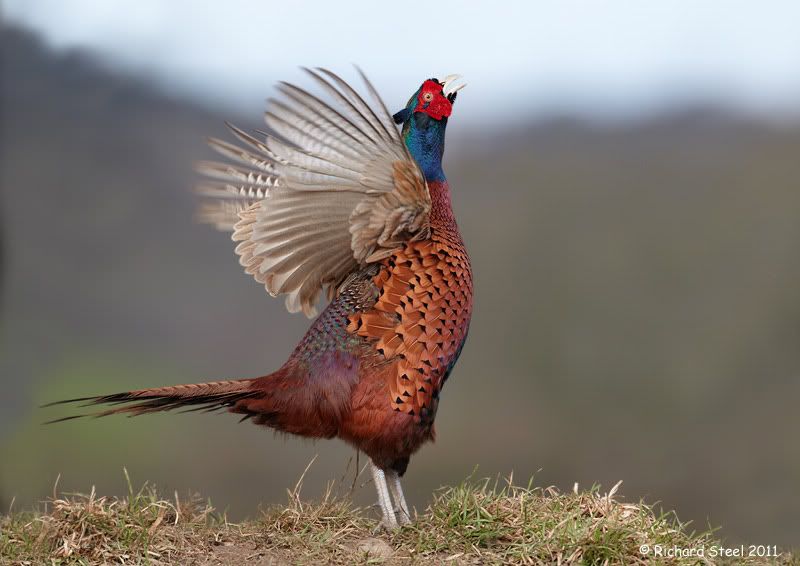 The main issue I find with photographing these birds is that the long tail can make for some awkward composing of the image.
 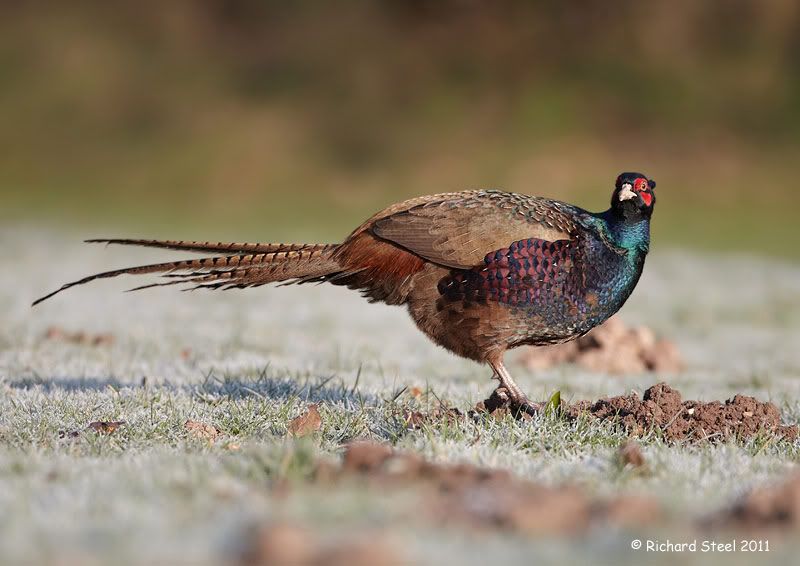 Often a bird coming towards the photographer at a slight angle is easier to accommodate in the viewfinder.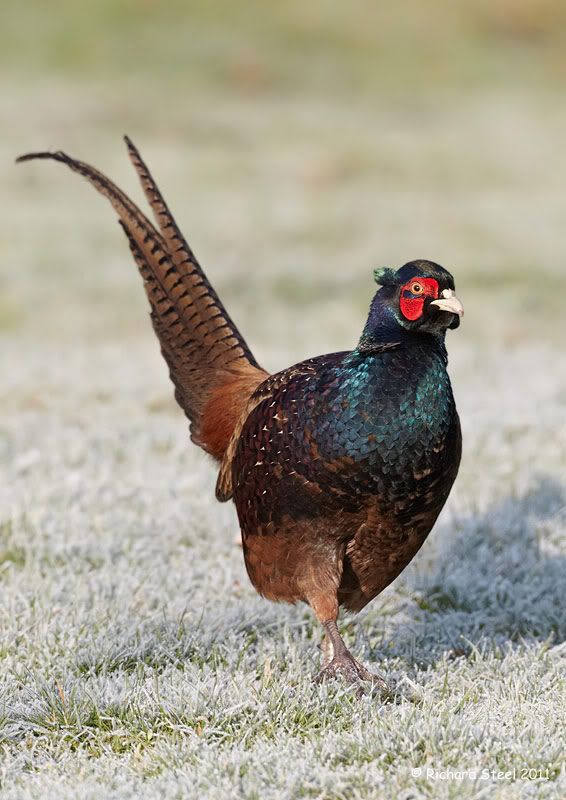
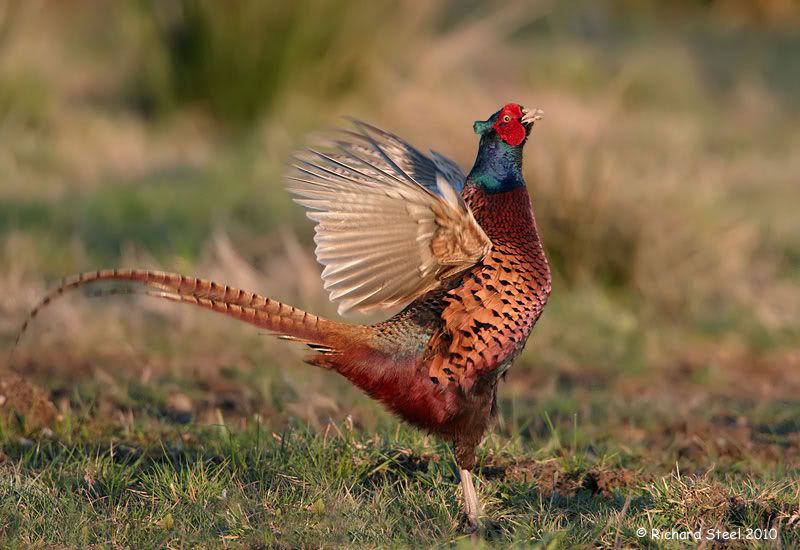
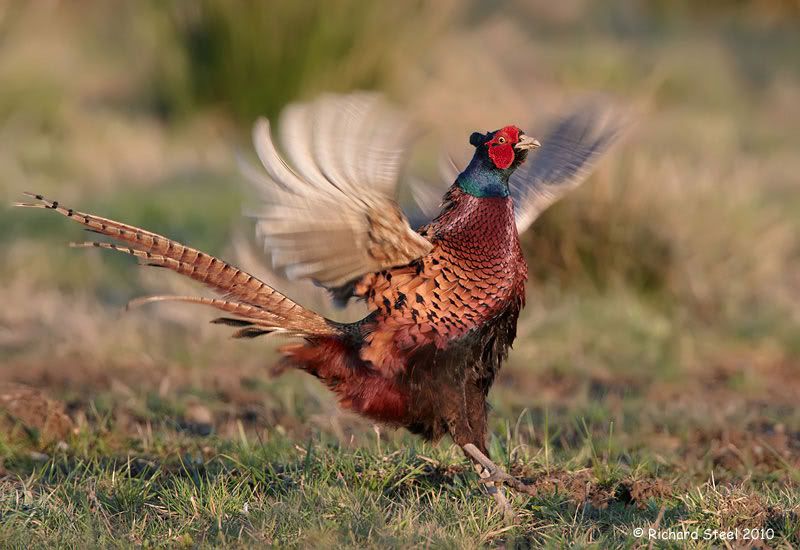
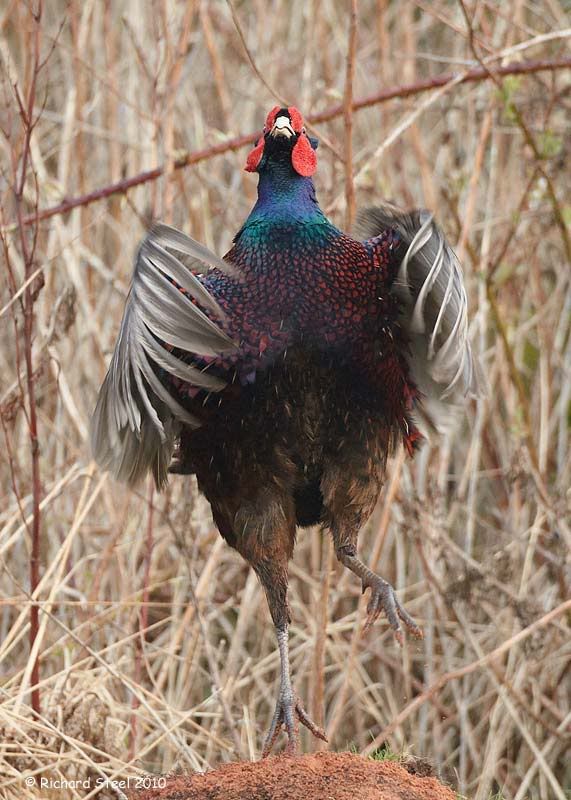
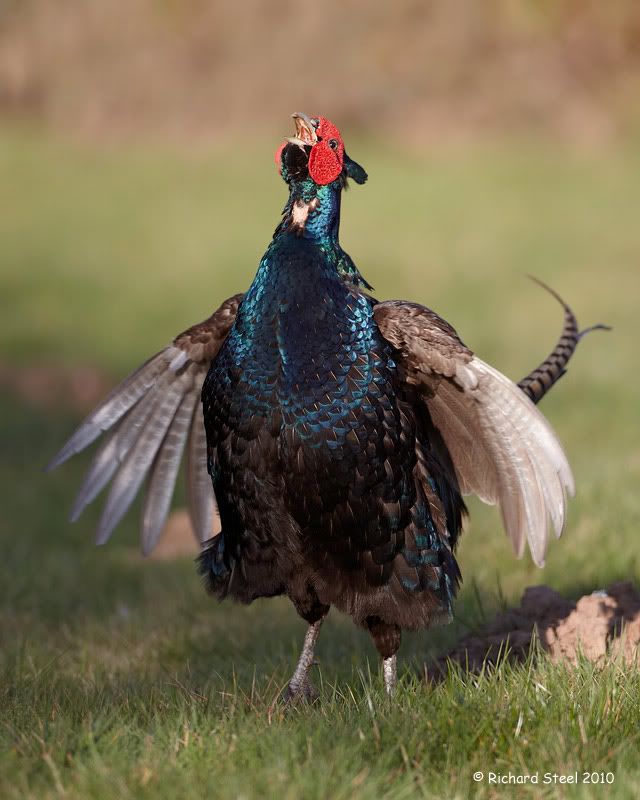
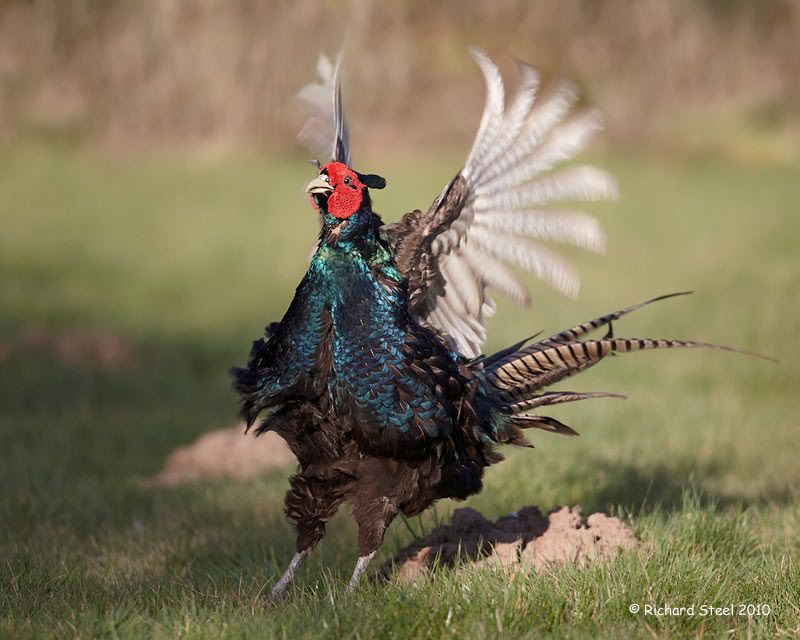


 Then one bird would jump up for the attack.
 Before they returned to the orignal squared up positions and the process was repeated.
 This last shot was the beginning of the final leap before they disappeared into the adjoing undergrowth.

 Long-tailed tit


 Blue tit
  Chaffinch
 Nuthatch
  Pheasant
  Robin
Robin  and Tree sparrow


 Posts
Posts


