
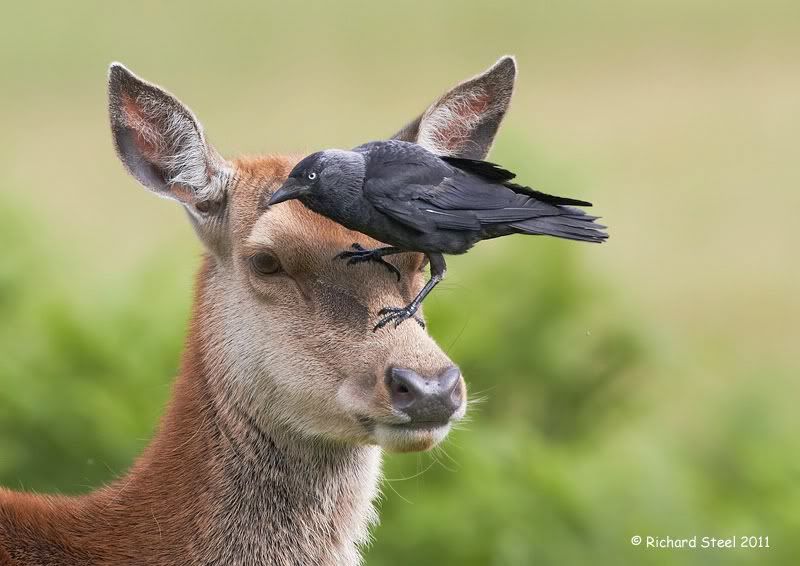
This post follows on from my previous one. During my visit to Bushy Park and whilst wandering around looking for the deer I came across a few birds to photograph. The first images provide a good link back to the last post as it shows some symbiosis between a red deer and jackdaws. Symbiosis is the mutually beneficial relationship between two different types of organisms. In this case the deer benefits from having skin parasites (such as ticks) removed, whilst the birds are gaining a easy snack. As you can see from the photos the female deer is very relaxed and oblivious to the birds foraging on her head.

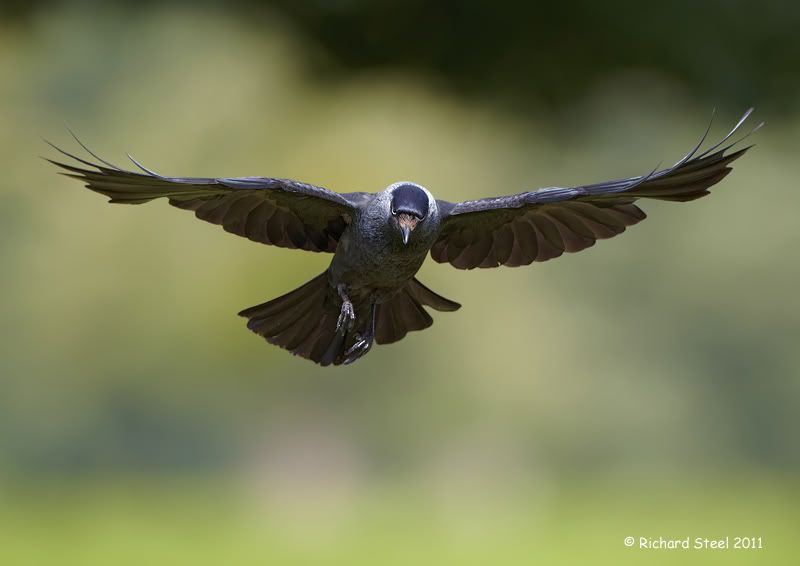
I also took a few moments to take a few flight photographs of the Jackdaws, although decided to give up quite quickly as the birds were still going through moult and not looking at their best.
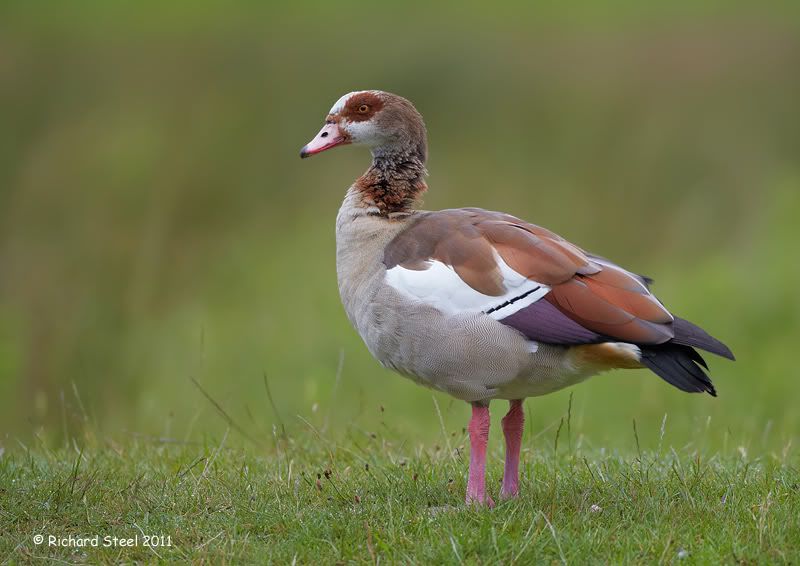
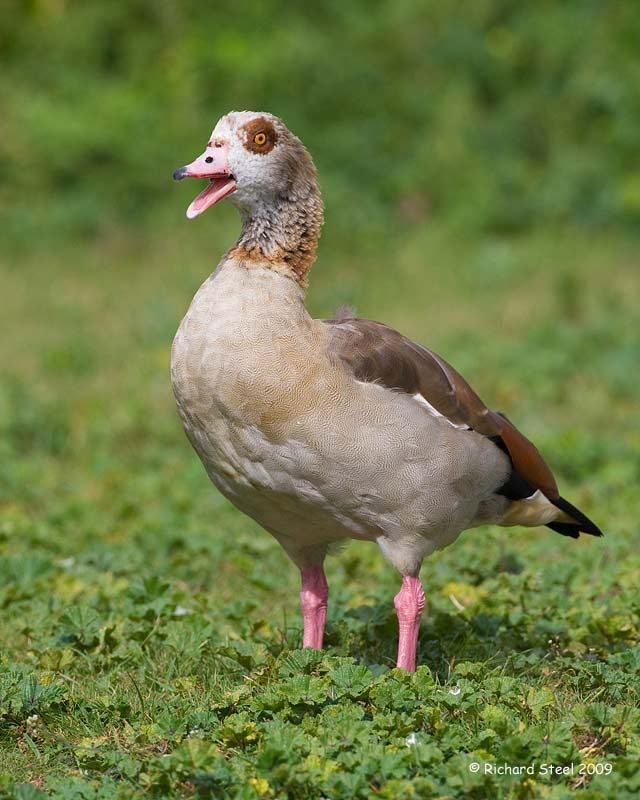
Another bird species which I always keep my eye out for when in the London parks is the Egyptian Goose. This species is generally restricted to the south-east corner of the UK and so not a species I can photography locally at home. These feral populations may not be native but they are a very attractive bird.
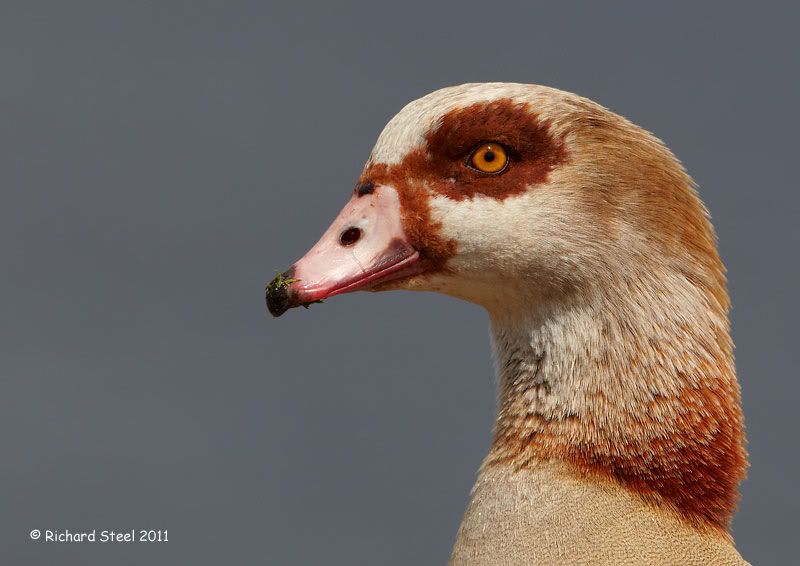
Up close and personal.
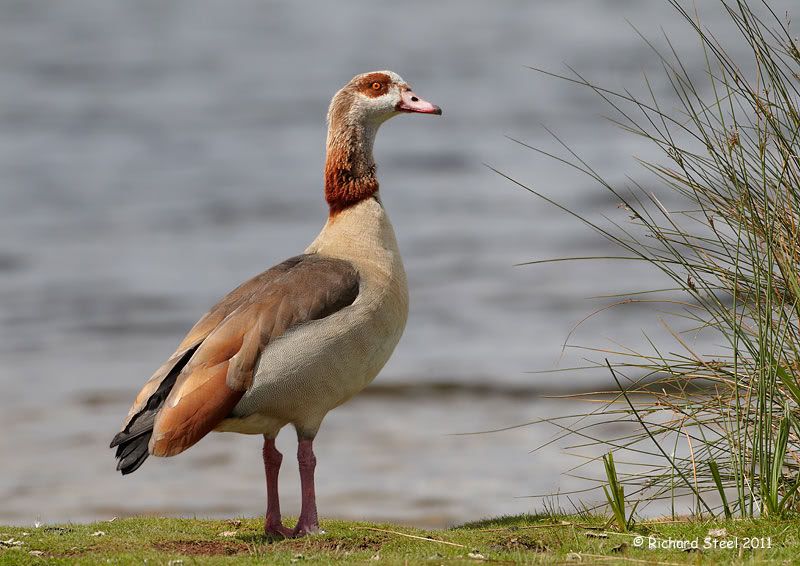
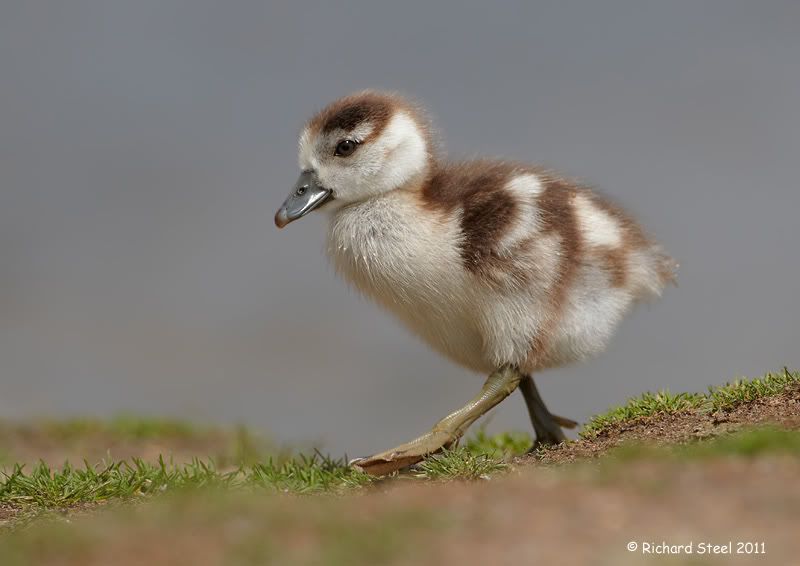
With the adult goose in the photograph above were two goslings. By sitting still and letting the birds make their way along the lake bank to my position I was soon getting full frame images of the youngsters.
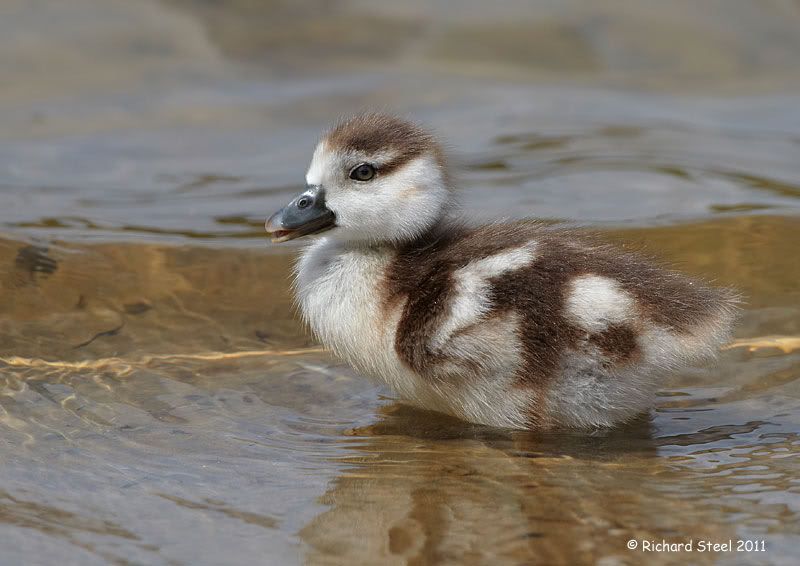
How does the song go...'walk like an Egyptian'.
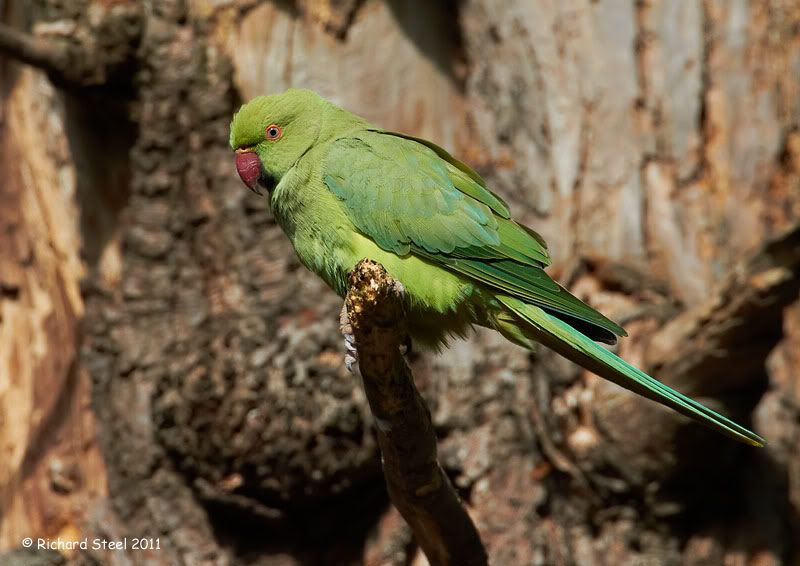
The other non-native birds I always keep a look out for are the Ringed Necked Parakeets. However, these colourful and noisy birds were sticking to the tops of trees during the session except for one bird which was perched on a old decaying trunk.
Grey herons are a species with a large 'circle of fear' and are not normally easily approached. For example, the herons on my local coast will often start walking away or take flight when a person gets within 75 metres. The 'circle of fear' for the urban park herons is significantly reduced through daily exposure to park visitors. I spotted a heron fishing in a small channel that ran along one side of the car park and which proved to be typically approachable.
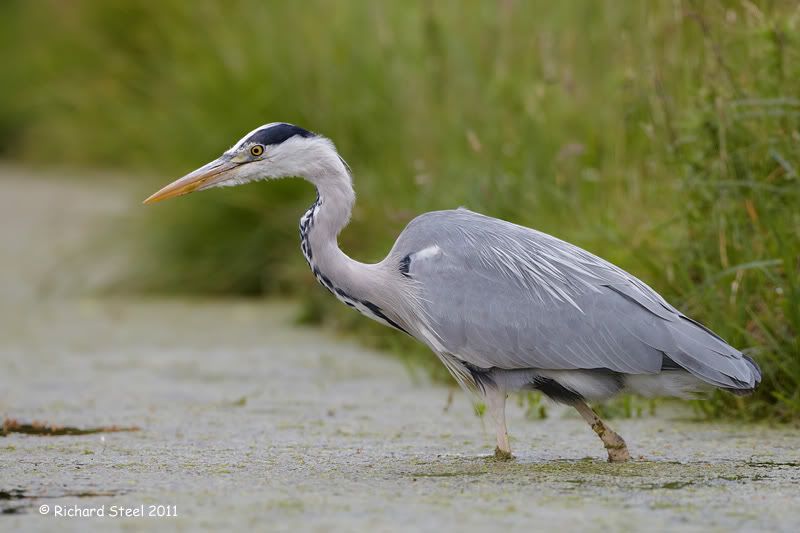
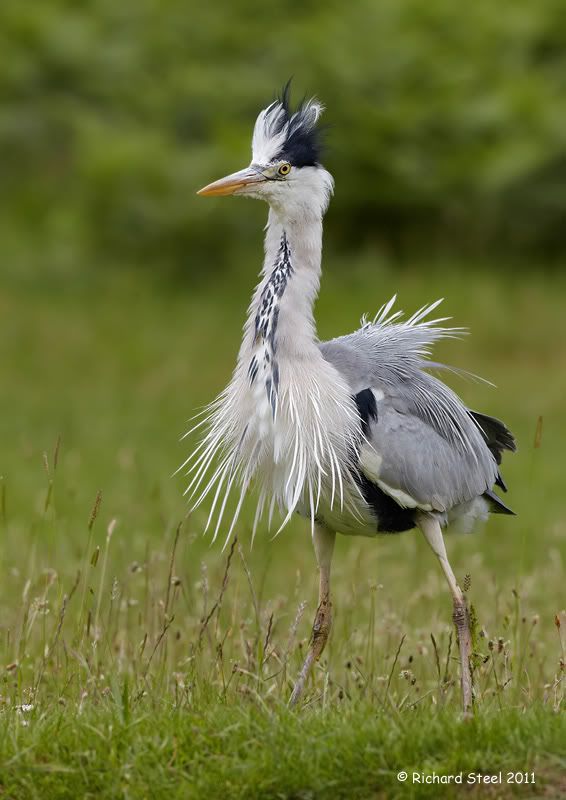
After a while the bird stepped out of the channel and immediately was mobbed by two crows which caused the heron to raise its 'hackles' in defensive posture.
Hopefully from these last two blog posts you can see that the Royal London Parks, although not particularly challenging in terms of photography, can be very productive, good fun and ideal for a short visit.




 A coot speeding across the surface caught my eye
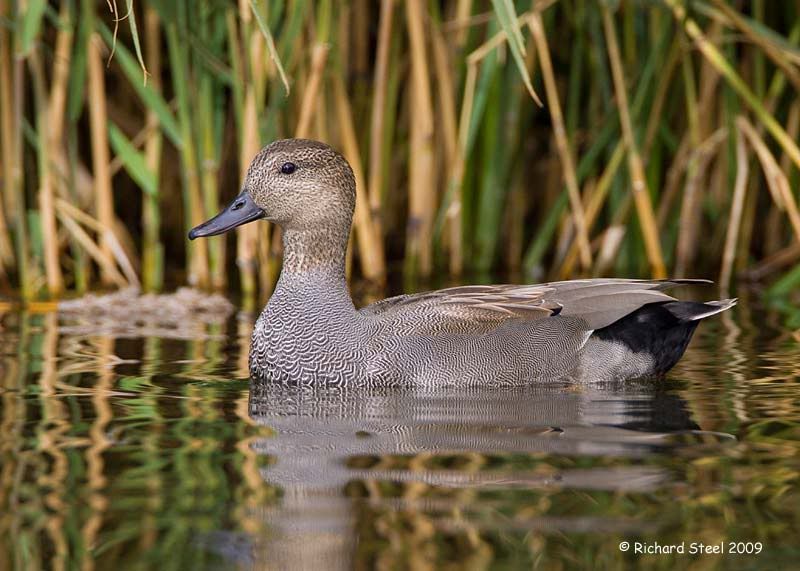
  However, what was real attracting my attention was a small group of Gadwall that were resting through most of the day but came alive as the afternoon sun start to sink. We do not get many Gadwall in the north-west where I live, so I always make the effort to try and photograph some while I am down south. From a distance they are quite a plain looking duck. It is only when you get close that there true beauty is revealed with the intricate patterns on the drake's feathers. They looked even better than usual in some late afternoon autumn sun which produced some great reflective autumn colours on the water off the bankside trees.

 Not forgetting the female of course which look very similar to a female mallard.
 To finish off, one photo of a drake floating on some golden autumn water in the last of the afternoon sun, a perfect way to end a day.


 The parakeets present more of a challenge as they like to stay high in the trees but are easily found from their calls and can be frequently seen flying very rapidly between trees.
 or just lurking
 The best opportunities for photography are when they land on a trunk.


 Jackdaw

 A new species for me the Egyptian Goose. These were probably birds that were part of the waterfowl collection that have bred. They were certainly no longer what I would class as captive with many flying around freely.


 Posts
Posts


