
Mallorca is well known amongst those interested in birds as a destination where observing the spring migration can be superb. The island forms a staging post for birds moving north from their overwintering habitat in Africa on their travels in to Europe. If you look at the birdwatching guide books they tend to describe the bushes and trees bristling with a wide variety of migrant birds during April and May. However, this is very dependent on one key factor, the weather. Normally poor weather is required to bring the birds down from the skies as under clear sky conditions they tend to keep flying. As I woke on the morning of the 4th day, I was greeted once more by a sapphire clear morning sky that was fringed orange by the rising sun. Not a cloud was to be seen in any direction to the horizon.
Our destination for the morning was Cuber Reservoir, located about 40 minutes south and west of the villa through the twisting mountain roads. This site is well known for both migrants and vultures. We did spot some vultures floating on thermals and appearing merely as black spots drifting many hundreds of feet above and way out of range of even the most ambitious photographer. Migrants were none existent. In fact the entire lap of the reservoir produced very little in the way of bird life and certainly nothing that could be put in front of the lens. The only two birds that gave any 'opportunity' for photography were a Cirl Bunting and a Firecrest (all photographs of which were subsequently deleted as they failed to make the grade). We checked out a couple of other spots within the mountains for Blue Rock Thrush but without sighting and only a very distant song for our efforts. Not a very productive start to the day and so we decided to head back down towards Pollenca.
Up to this point we had no yet checked that famous bird watching site that can be found just outside Pollenca, the Boquer Valley. Again another location famed for shrubs dripping with weary migrants but the bushes remained ominously silent. A passing bird watcher confirmed it to be quiet, in fact the worst he had known. In the UK you always hope for sun and we were now starting to hope for some rain. The Boquer Valley proved as unproductive as the reservoir. Steve decided to do his Edmund Hillary impression and try and scale the cliff in search of Blue Rock Thrush. I decided to stay more low level and looked around the scrub. We both returned with empty memory cards. The day was going downhill fast on the photography front as it was now already late afternoon. After many fruitless hours and a good distance covered on foot to my increasingly complaining blisters, the sum results for the day were zero.
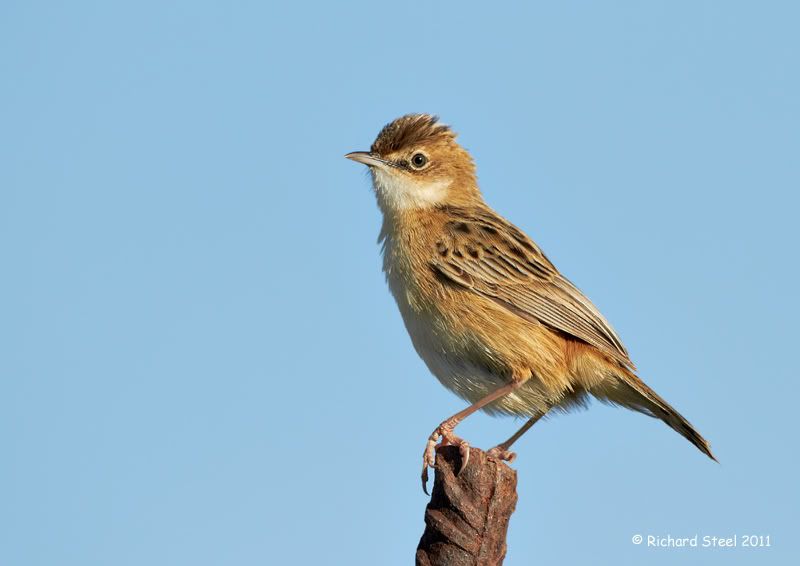
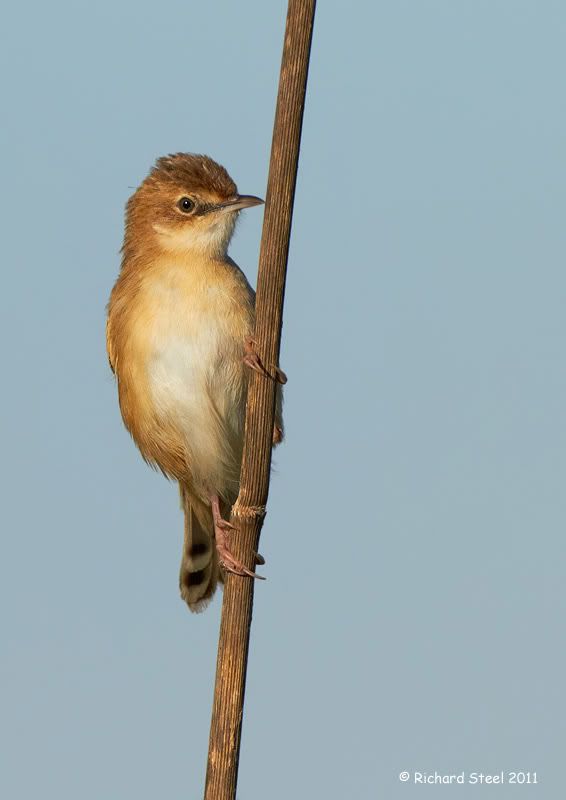
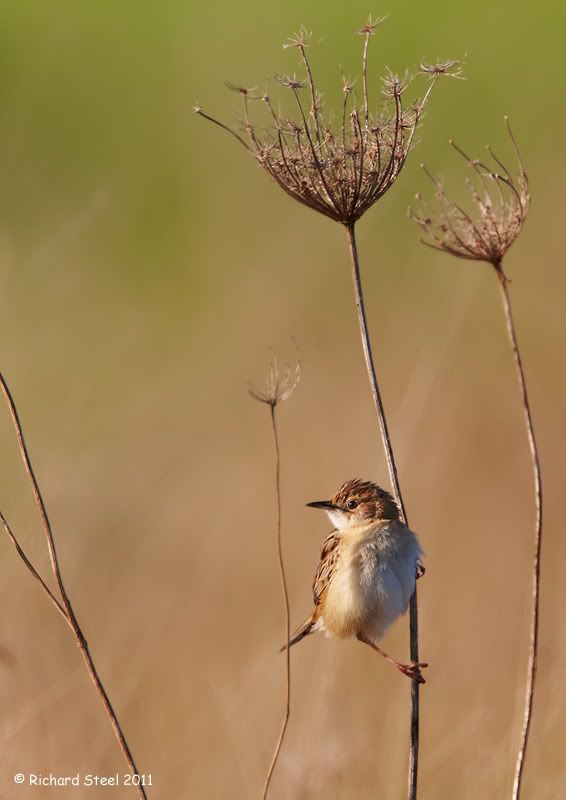
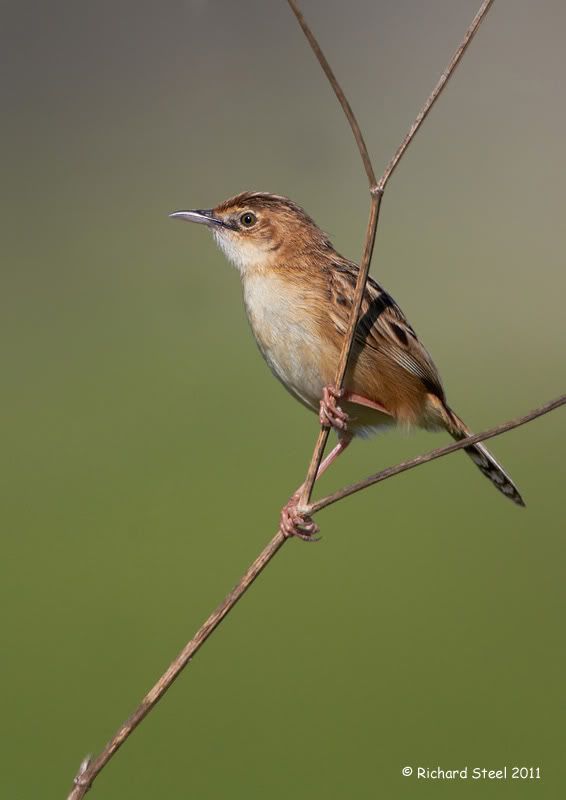
When the going gets tough its time to look for seagulls :). However, the light was still too harsh for gulls so we decided to take a drive around the back roads of Pollenca. After a bit of searching we found a Zitting Cisticola to photograph. A very welcome bird and an oasis in a photographic desert.
On a more natural perch.
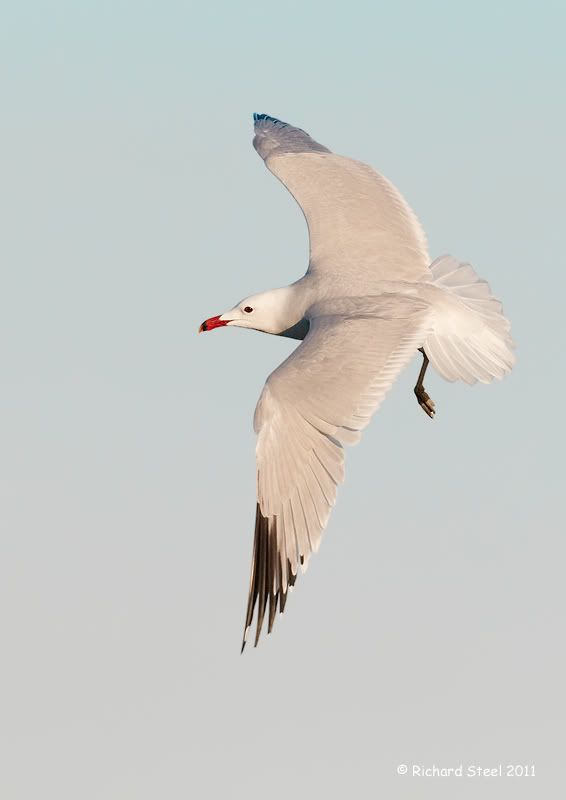
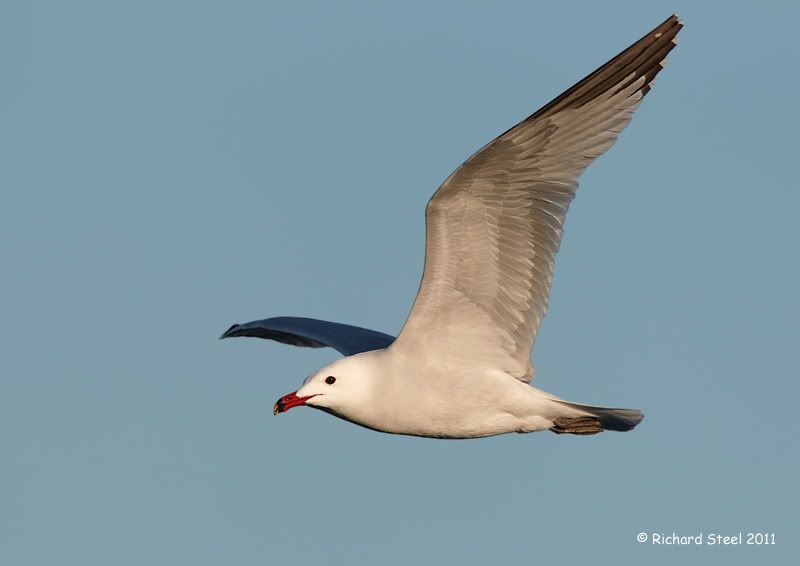
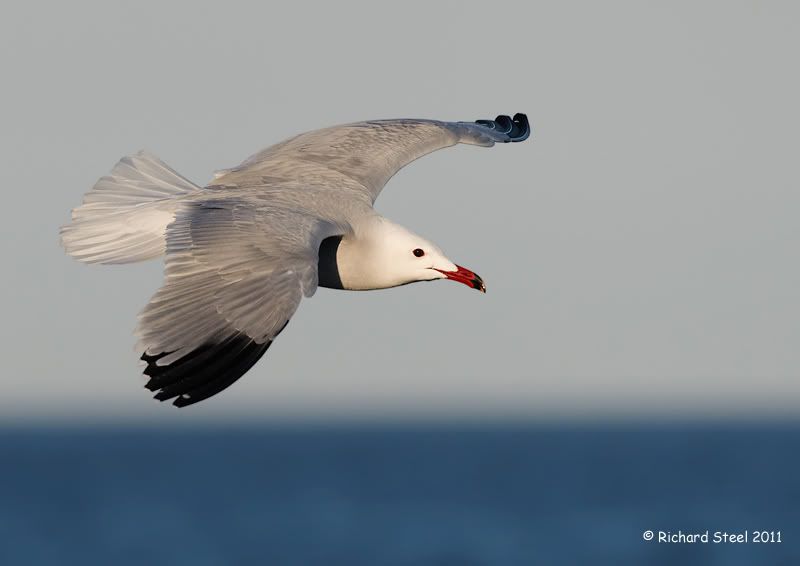
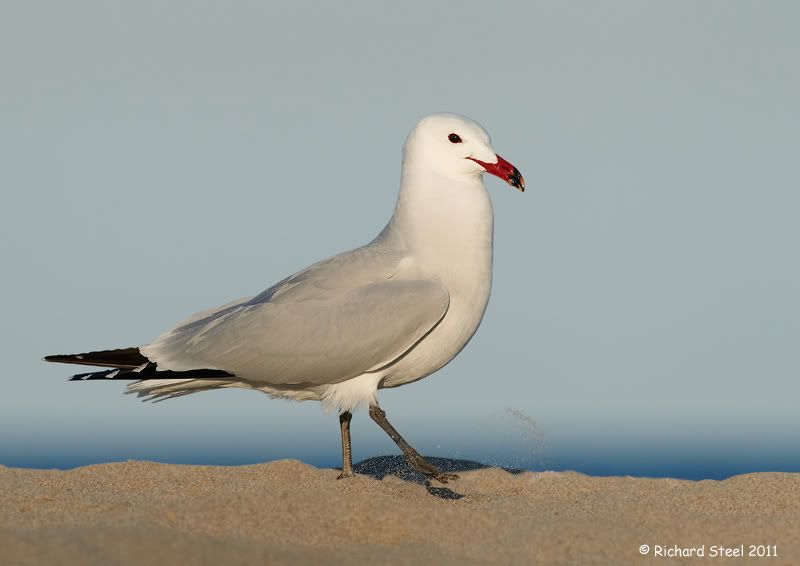
As the light was now falling and softening we headed back on to the coast road and to the area of beach where we had spotted an Audouin's Gull a couple of days previously. This species was once classed as the world's rarest gull with only 1000 birds left. Numbers have increased in recent years but they are still a bird which is rare with an estimated 10000 pairs and vulnerable due to the potential impacts of overfishing on this specialist nocturnal fish feeder. We found three adult birds and had a brief but memorable session in wonderful light which turned around a poor photography day.
The birds flew up and down the beach at first as if to check us out.
They then settle down directly in front of us on the warm coarse sand of Pollenca Bay.
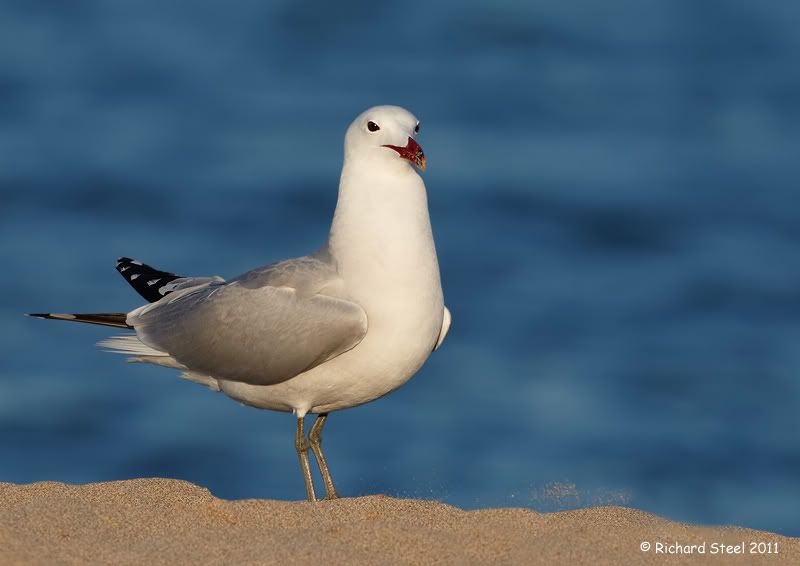
These are a very attractive gull and it was a pleasure to be in their company in the fading light.
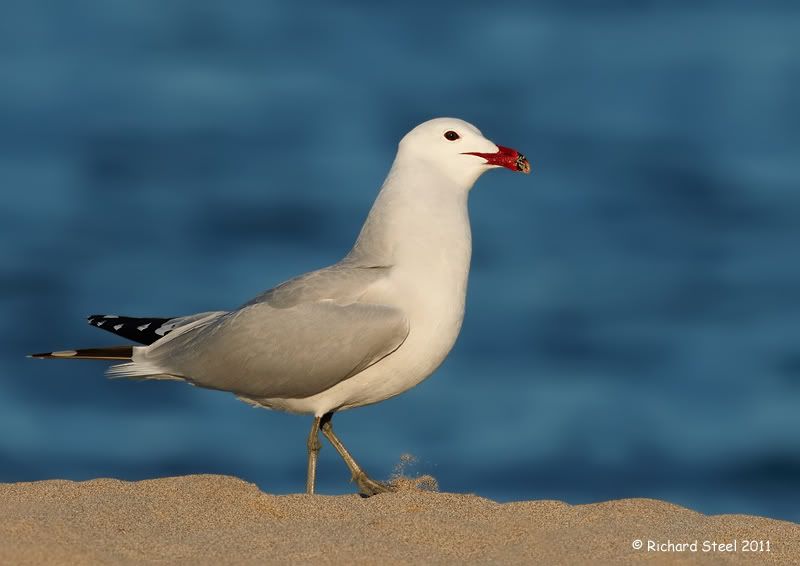
Some bird species have a rather 'majestic look' with their poise and stance and in my opinion these elegant gulls certainly fall into this category. Certainly the Kings of Pollenca Bay.
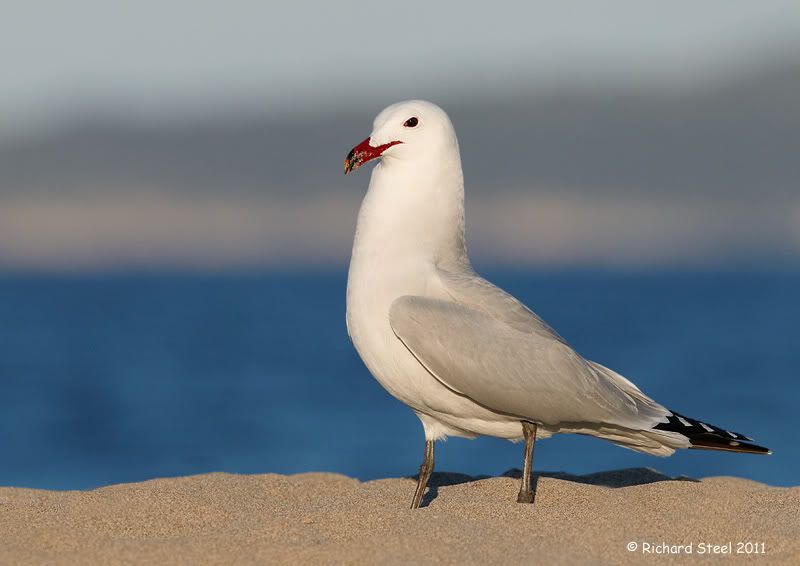
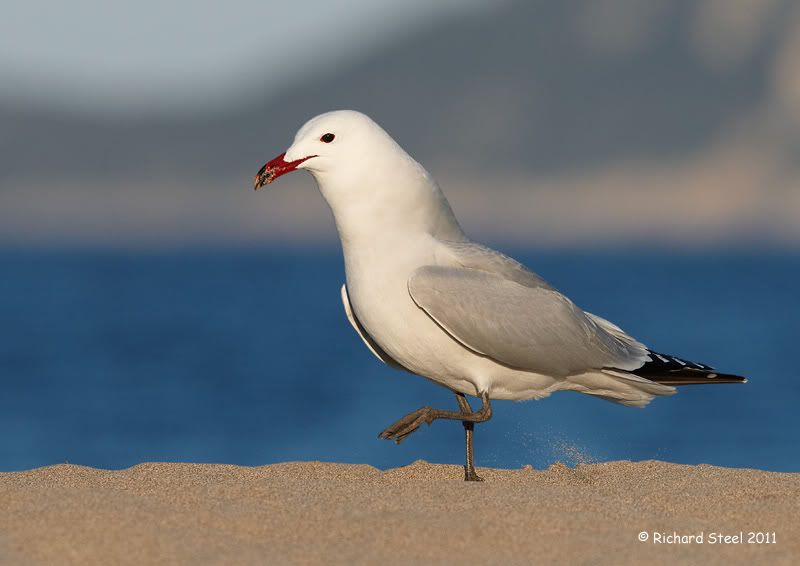
Kicking sand on the beach.
This was not to be the last time during our trip that some gulls saved a difficult day. The following day we would be returning early to the garrigue for another attempt to try and find the Balearic Warbler.




 Posts
Posts


