Showing posts with label Mistle Thrush. Show all posts

Monday, December 22, 2014

Feathered 'Selection Box'

Christmas is upon us once more. I am sure the years grow shorter as I get older as it seems like only a blink of an eye since the last.  I thought it was time for a seasonal selection box. However, this one is not filled with sticky spiced chocolates but some recent images of the local bird life. Typically the winter weather has not been particularly kind recently and in fact at times it has been bordering on very grim with frequent strong winds, plenty of rain and dark blankets of grey clouds above. As such, light, the essential element for photography, has been in relatively short supply. So it has been a question of being at the ready with camera and snatching odd moments when the light and free time have put in a combined appearance.

I have also been working on a small unexpected winter bird photography project which I will reveal in a future post. The delay in posting is mainly to protect these birds from unwanted attention and potential disturbance.

So lets not waste any more time and dip into the avian selection box. I will start off with a scarce bird for this area, the Long-tailed Duck. I asked a good friend of mine if he wouldn't mind looking in on a lake local to his home whilst passing, to see if there were any Goldeneye present. There were none but he sent a picture text to my mobile and said he had seen an unusual duck but was not sure what it was. I immediately recognised it as a Long-tail duck and more interestingly it did not seem to have been reported anywhere. Unfortunately not one of the stunning drakes but it was too good an opportunity to pass by, a scarce bird that the crowds of bird watchers and photographers had yet to discover. A quick visit was in order. I found the bird easily as it seemed to be staying away from the other birds up one end of the small lake and managed to get close by the old 'move when it is underwater' routine. After a few photographs it was slowly making its way along this small lake when I noticed a patch of reflected reeds that were turning a patch of water golden and this was the result.

The shortest photography session ever was recorded when I decided on a bit of flight practice with some Black-headed Gulls on the local marine lake. Despite a large patch of clear winter blue sky above, the low sun stubbornly refused to lift from behind the only bank of cloud except for about 2 minutes. This was the best I could muster on this icy, blustery day in 120 seconds.
We are still on the first layer of the selection box and this time a brief sunny morning session looking for some winter thrushes. In the distance I saw two birds feeding on a grassed area and assumed that these were my target. However, as I got closer I could see one was a blackbird and the other looked slightly odd, only revealing itself properly as I approached to be a Green Woodpecker, as it  flew up to a nearby tree. After a short while waiting and predicting where the bird might appear, I got the opportunity for about 2 seconds to get a couple of photographs of this beautiful shy female bird before it was gone.
The winter thrushes I was seeking I typically only found a flock  about 10 minutes before I had to leave. The Fieldfare has to rate as probably our most attractive visiting winter Thrush species. This one showing showing a typical drooped wing pose.
The flock was accompanied by a single Mistle Thrush that was also picking out fallen rowan berries from a gravel area. The birds having already completely stripped the tree above its fruit.
Let's dip in to the layer below of the selection box and see what lurks there. Ahh...seems to be a wading birds.

The first was taken on the way home after a wholly unsuccessful session with the small winter project I mentioned earlier. As I swung into the 'home straight' which takes me along the coast I noticed it was high tide and decided to check one of the regular roost for wading birds. They are not always there and I thought may be absent that morning as it was a fairly large tide but was pleasantly surprised to find around 50 Redshank, and a similar number of Turnstone perched high on the rocks. However, what really drew my attention were three Purple Sandpipers and so concentrated on those.
My next encounter with some waders was on a day when I decided to head out for some Red Breasted Merganser on the local marine lake. I like to photograph swimming birds on either very calm surface or the dynamic conditions of rough water. The forecast was for strong westerly winds but it turned out to be blowing much harder and much colder than expected. The marine lake resembled the North Sea in a storm and so there was little chance of seeing, let alone photographing the Mergansers. However, the first light visit coincided with a rising tide which would see the wader flocks coming into roost. A good number of Redshank, Turnstone and a few Dunlin and a solitary Knot had gathered.
I took a few photos and noticed spray being blown into the birds from the crashing waves driven by the punishing wind which created an interesting effect backlit in the first light of the day. I thinks this photographs gives a great impression of the harsh weather we were all enduring that morning.
After I while I decided it would be good to head home and get my hands round a warm coffee, leaving the tough wading birds to sit it out. I took a route home that would see me pass an area that curlew often use at high tide when the sand banks are covered with water. I have always liked curlew. They may not be the most colourful birds but are beautifully patterned and surely possess one of the most evocative bird calls. The birds were across the road from their usual area and seemed to be getting disturbed by the Sunday morning dog walkers. Fortunately one dog walker pushed the birds right over to where I was waiting.
With that the bird selection box is now empty. For those of you interested, all of the above with the exception of the Purple Sandpiper were taken with a Canon 7d Mk2.

So I would like to take this moment to wish you all a Very Merry, Healthy and Peaceful Christmas with a suitably tacky e-card.

Thursday, January 12, 2012

Plan B

Last weekend, I did have good intentions but they proved to be too optimistic. The idea was to rise early on Saturday and head to some pine forest to try and find some Crossbills. However, I was booked in for a rare Friday night out in Liverpool and eventually arrived home at 3am. I very rarely drink and so the few drinks really impacted on my well being the next day. Not only did I sleep through the alarm clock but woke feeling like an army of blacksmiths were trying to hammer their way out of the back of my head. Looking out the window there was a strong breeze blowing which instantly cancelled out the tree top hugging Crossbills. Given my very delicate hungover condition a more gentle pursuit was required, a Plan B. I eventually forced myself out the front door to look for some winter thrushes.
I made my way to reliable site, feeling and probably looking decidedly green, and located a flock of around 60 Fieldfare slowly making their way across a field. However, there was a chain-link fence between myself and the birds which made any photography impossible. Time to look elsewhere. My level of motivation was rapidly declining as the pounding in my head seemed to be increasing. What kept me going though the trauma was the rare view of the sun shining, in what has been the worst winter weather for photography that I can remember.

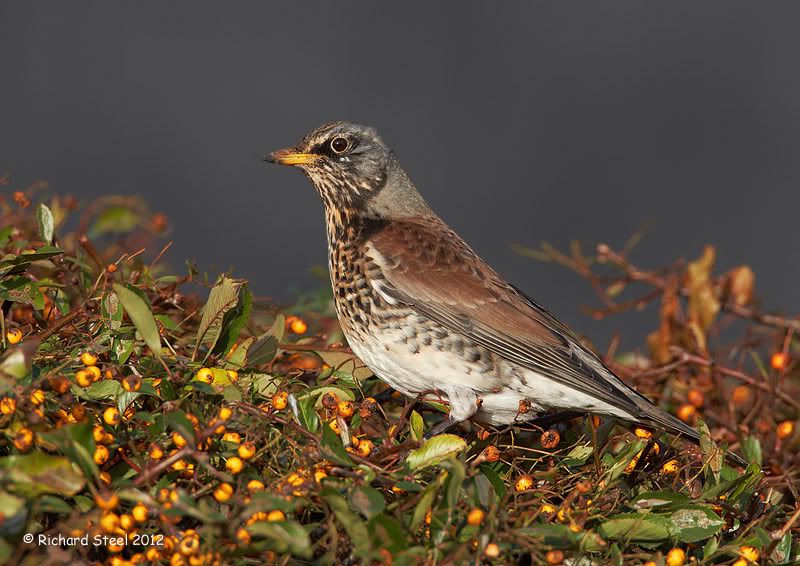
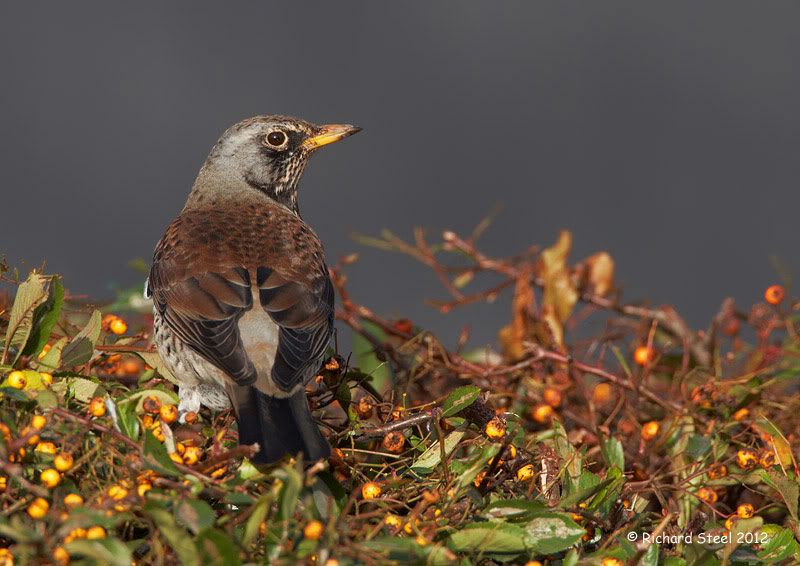
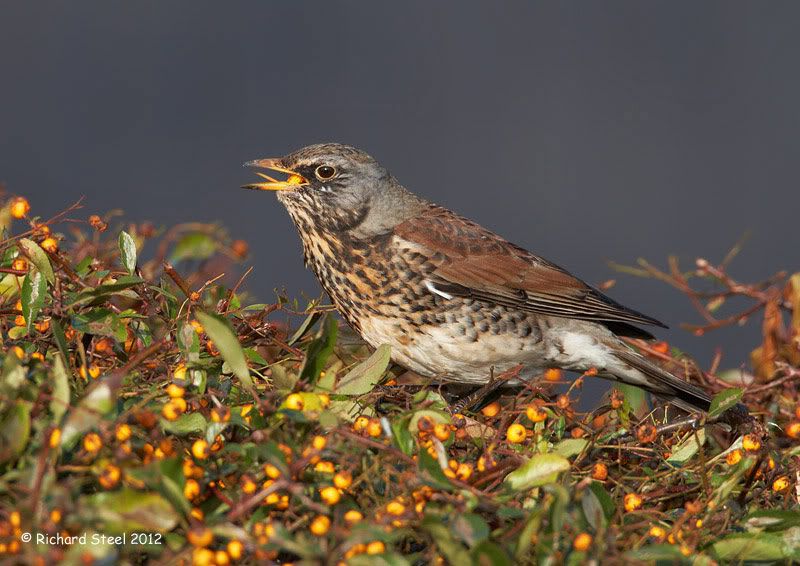
Eventually I found a low Firethorn bush with a few remaining berries and three species of feeding thrushes. I positioned myself so that a grey wall of a building behind the bush provided an unusual neutral back drop to allow the colours of the birds to shine in the low winter sun. First bird before my sore eyes was a Fieldfare that landed on top of the bush. This bird was a really beautifully marked individual of a species that seems to show quite a degree of variation.
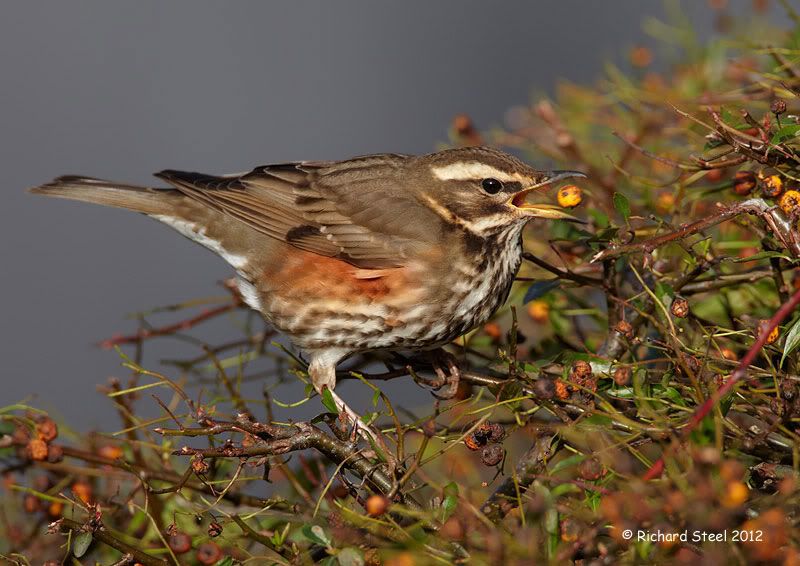
Another berry disappears.
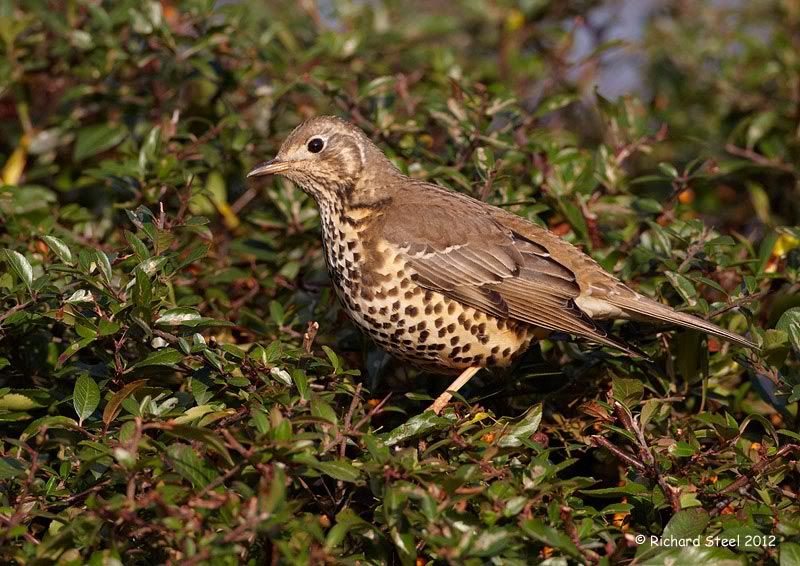
Usually when so few berries are remaining these isolated bushes are dominated by a lone Mistle Thrush which tends to chase all the other birds away from its personal larder. However, this bird seemed quite relaxed about the Fieldfare and Redwing busily depleting the dwindling food supply.
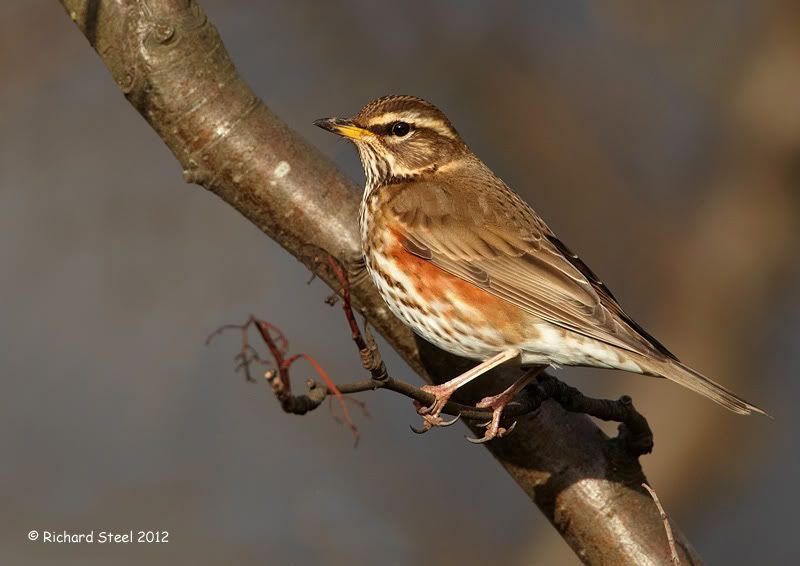
The bird I was most happy to see coming in to feed were the Redwing, which are always particularly shy and one of the most difficult to approach. One waiting in a tree next to the bush.
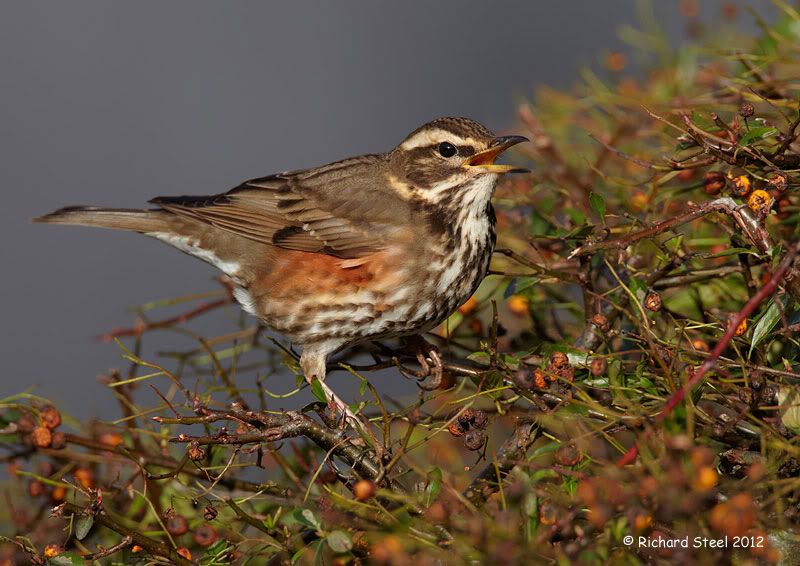
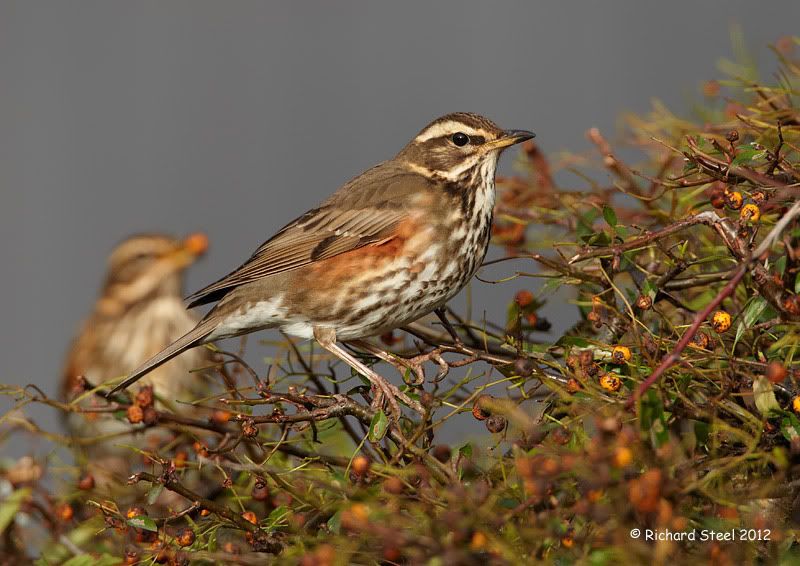
Several Redwing were coming in to feed at the same time.
Memories of the previous night, down in one.
The session was cut short by an increasing feeling that the best place for me that day would be back in bed to recover from my self-induced illness. I have already planned next weekend and this time I will be back on track and with a clear head will be resolutely sticking to my plan.

Sunday, December 04, 2011

A Few Along the Way

With my photography I do try and concentrate on sessions aimed at a particular species. Inevitably whilst waiting around or during my wanderings a few other species tend to appear in the viewfinder. Often you may just get one of two photos of these chance encounters and therefore as the year progresses I tend to end up with a small collection of bonus images that I can use for a compilation blog post which is exactly what this one will be.

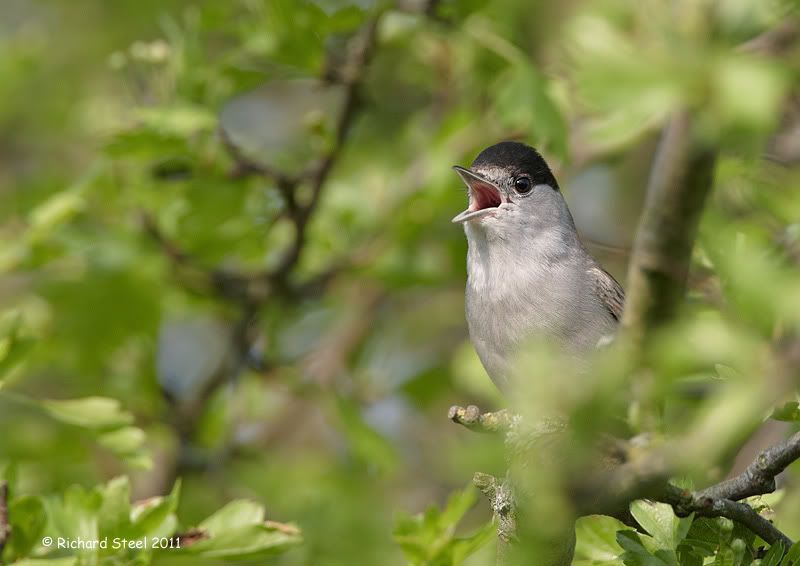
I will start of with spring and whilst walking down to a small reed bed to try and photograph reed warbler, a male Blackcap poked out of a bush and launched in to its loud blackbird like warbling song. I quite liked bird partially obscured by vegetation in this image as this a good representation of a typical view.
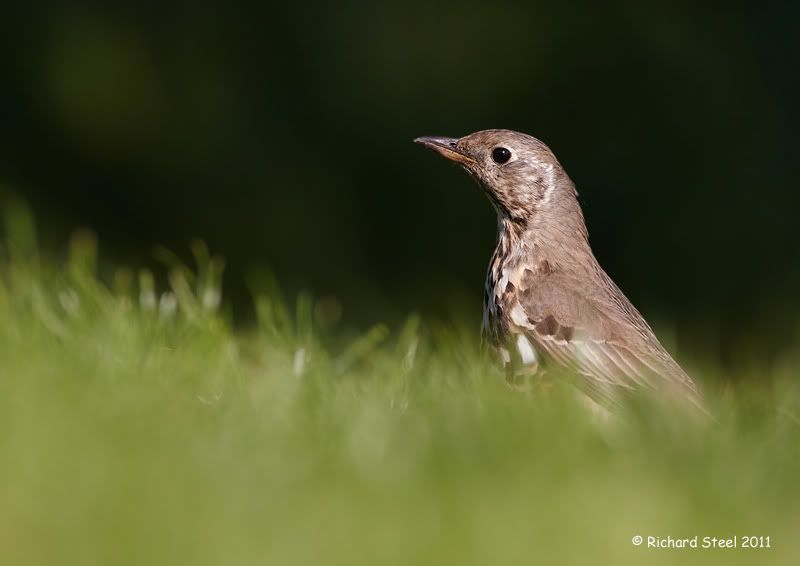
I live on the road which has the tidal River Mersey at the bottom and whilst walking down the hill to look for some wading birds on the beach, I cut through the park where there are some very approachable Mistle Thrush. Fortunately the maintenance people leave some areas of longer grass to allow some interesting low angle photos to be taken
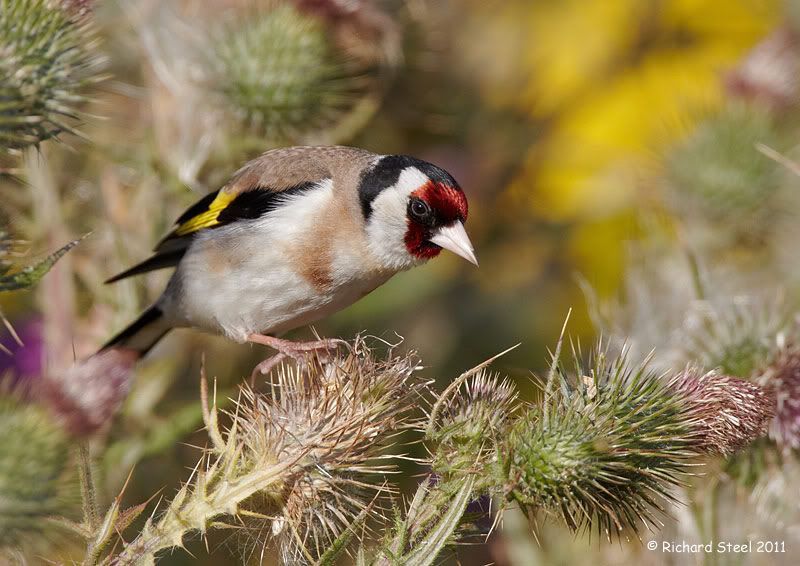
During a session looking for some hares I came across a large clump of thistle which the local Goldfinches were doing their best to strip of all it seeds.
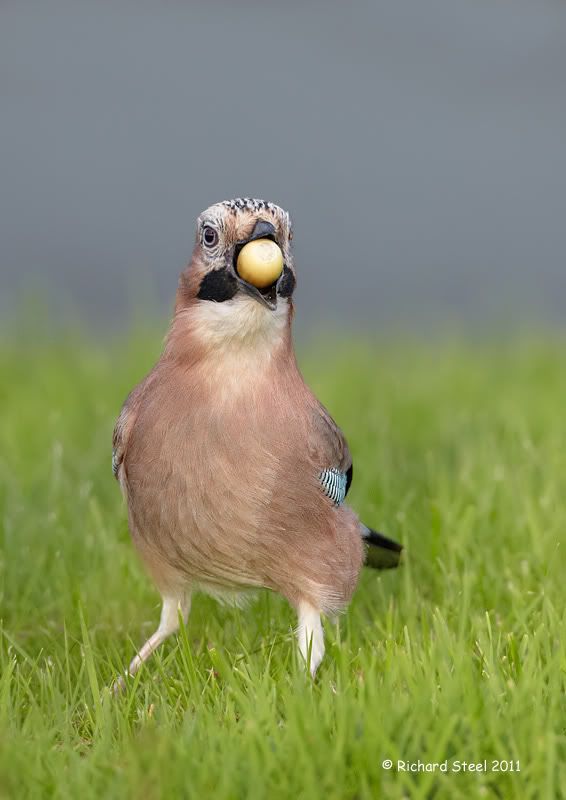
Another bird encounter during my search from hares, a Jay in the process of taking on board an acorn to go and bury somewhere for the winter.
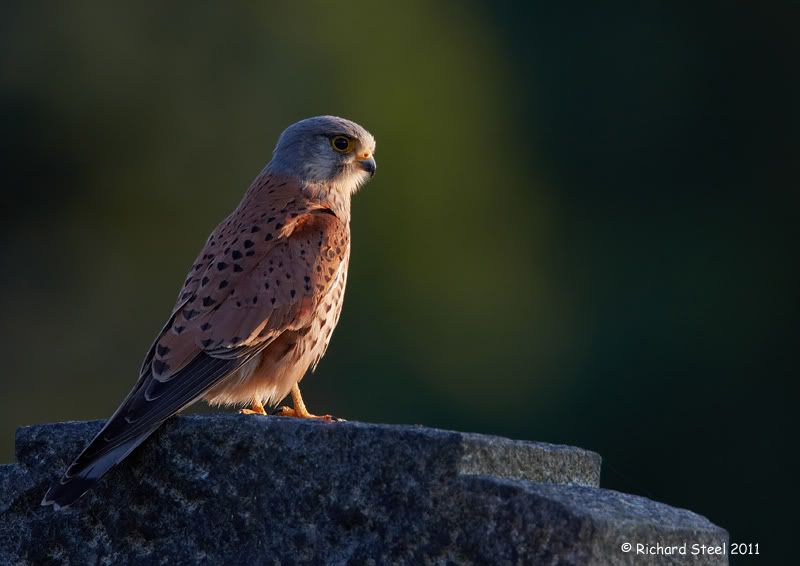
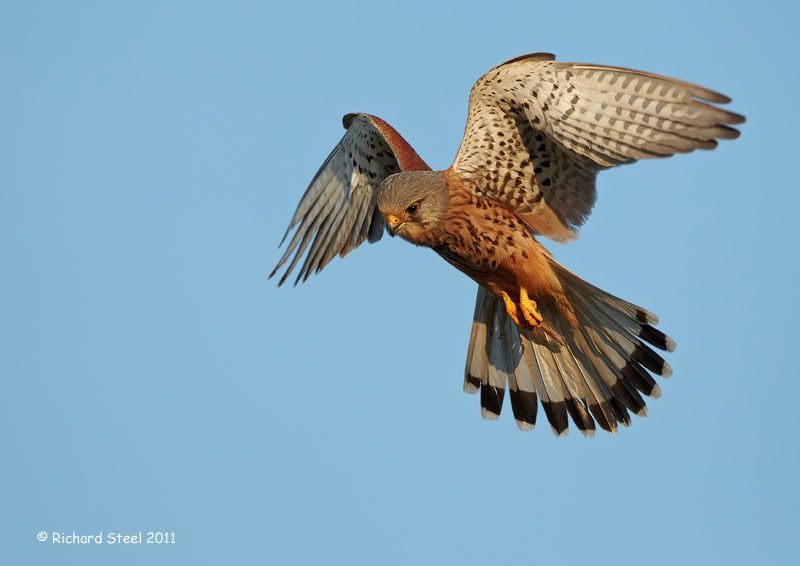
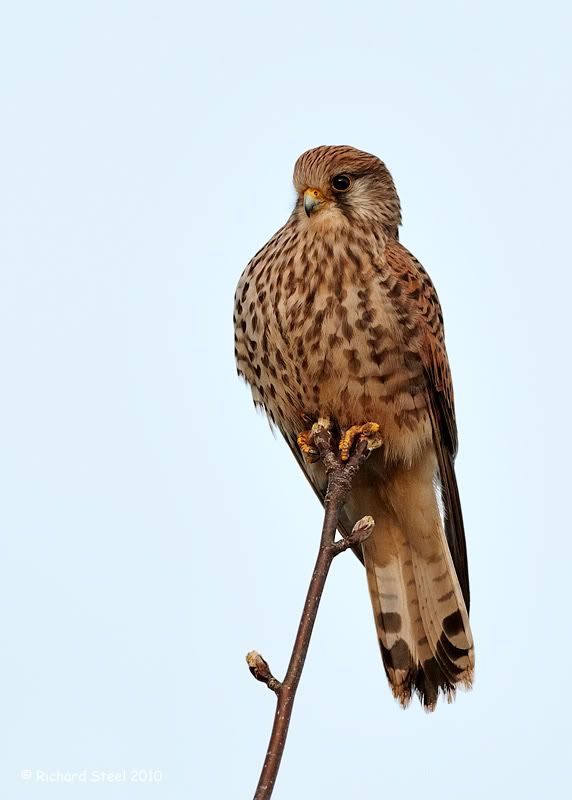
I occasionally visit a graveyard where there is usually a relatively 'friendly' female Kestrel. On this occasion there was no sign of 'Mavis' as she is fondly known, but I did manage to get a couple of images of a male bird in some late in the day light.
Perched on a gravestone
Hovering low looking for worms and voles.
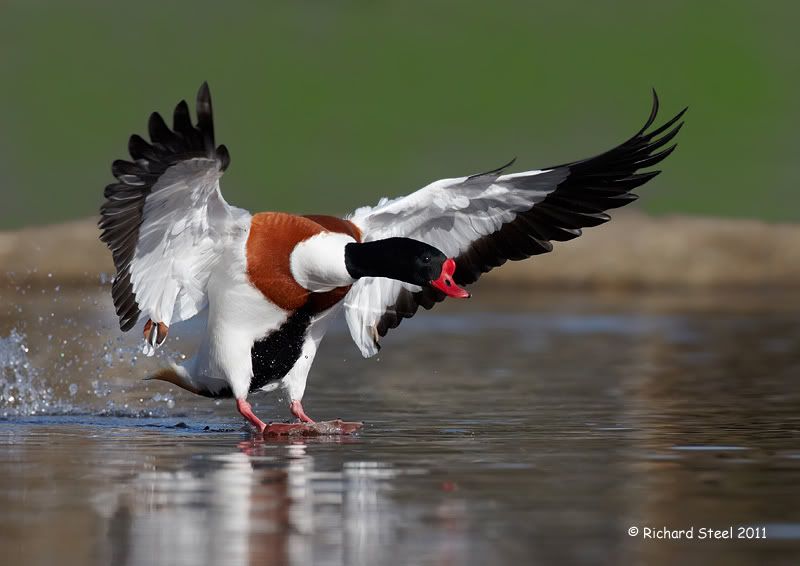
I also keep an eye on one of the local duck ponds as sometimes something more unusal the the flocks of mallard will arrive. A Shelduck unexpectedly 'crash' landing.
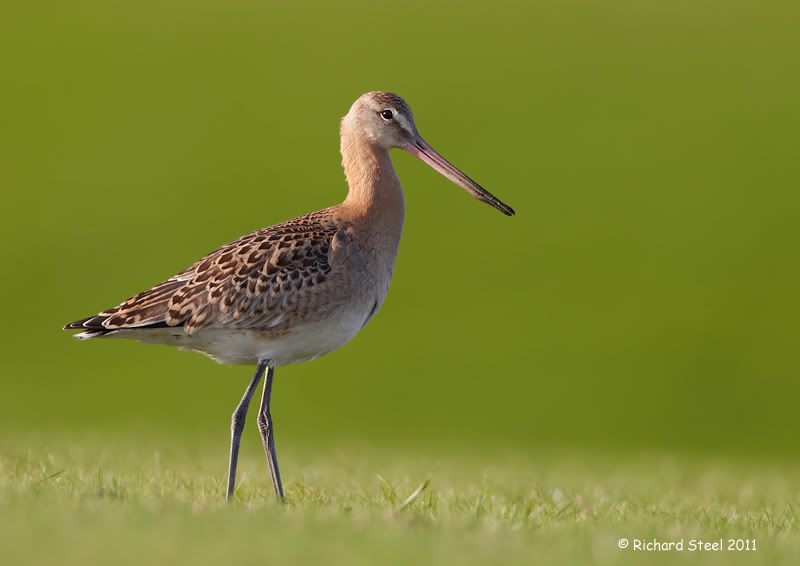
I try and keep my camera by my side as often as possible for unexpected moments. While driving to work one morning, I spotted a young Black-tail Godwit feeding on the fields behind the local promenade. Well it would have been a crime to drive by with out taking a few photos. It is fortunate I always tend to leave early for my trip to the office in case of such events.
Obviously these are just a few of the 'extras' I have encountered during this year but each one has been a welcome and special moment.

Sunday, April 18, 2010

Strange Spring

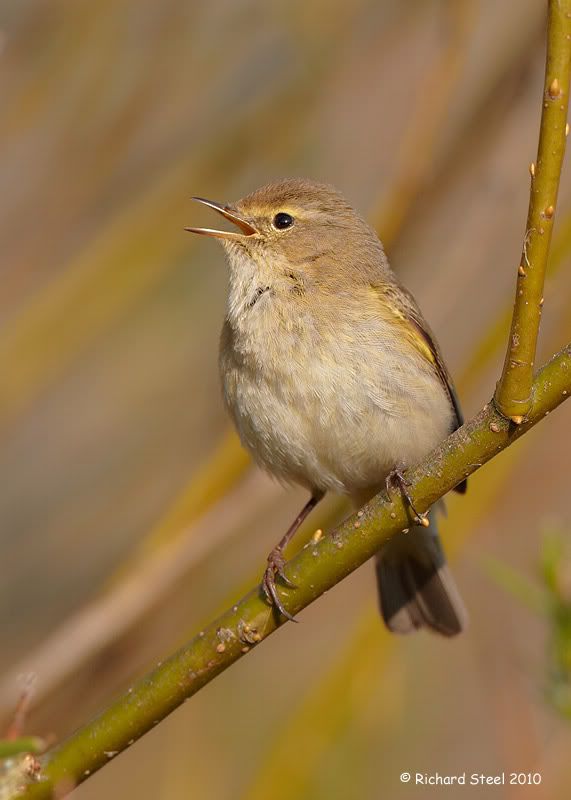
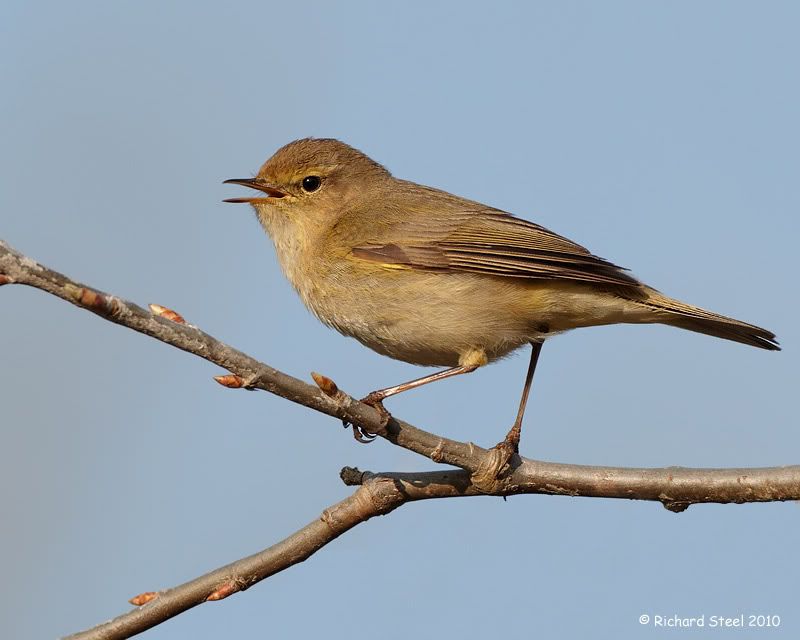
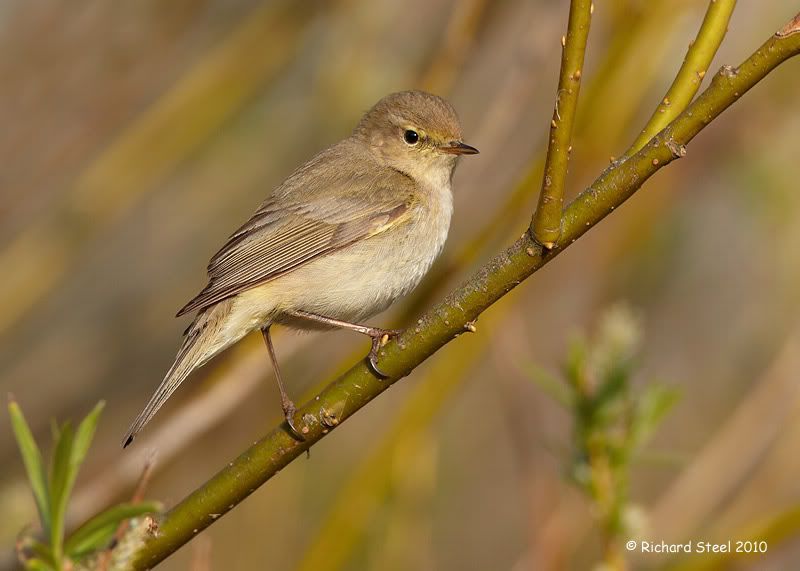
It has been an odd spring locally for the influx of migrants after our very cold winter. Back in March it looked liked everything was going to arrive a bit earlier than usual and then there seemed to be lull as the winds shifted to north-westlies. It has only been in the last couple of days that the birds seem to be on the move again, so I popped out at first light yesterday morning hoping to try and find some grasshopper warbler. I must admit I failed on that quest and the usual bramble bushes they inhabit were eerily forlorn and deserted. The only migrant I did find was some Chiffchaffs so spent a while with them taking photographs. They are not the most visually interesting birds and while they lack the looks you certainly have to admire such a tiny bird making that epic voyage back and forth to Africa. They are tricky birds to photograph as they tend to be either in the tops of the trees or deep in the undergrowth. Fortunately the very slow spring progress of tree foilage helped in their photography.
Photobucket

Photobucket

Photobucket

Given the general lack of migrants to photograph I decided to see what resident birds could be found for the camera.

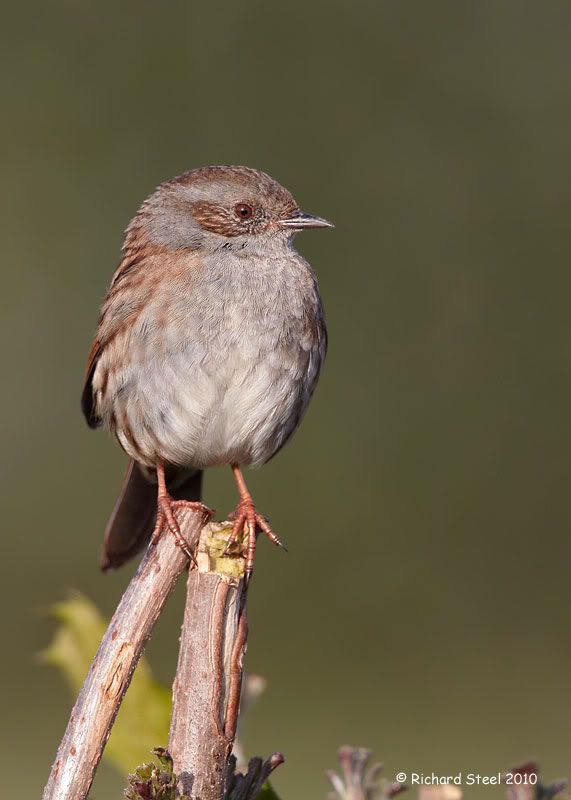
Nearby a dunnock was taking in some early morning sun.

Photobucket

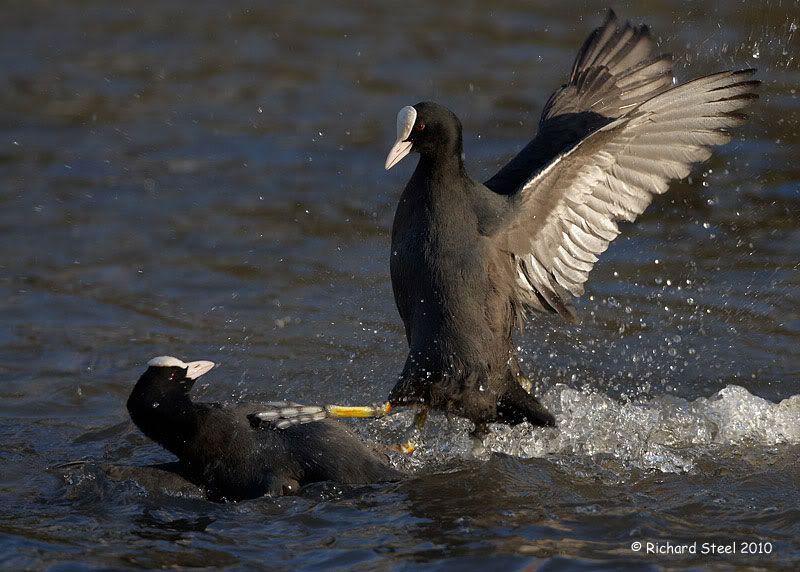
Coots were battling it out amongst themselves on the local pond.

Photobucket

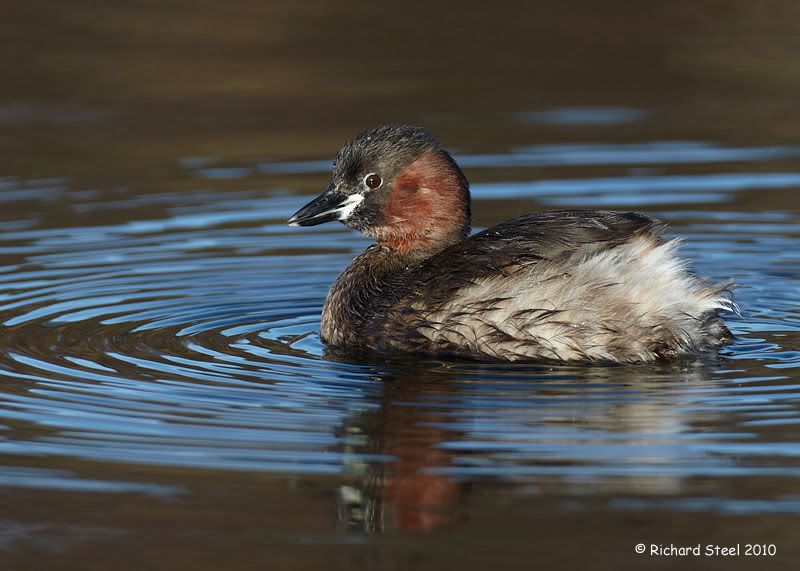
Together with Little Grebes bobbing around and occasionally uttering their strange calls.

Photobucket

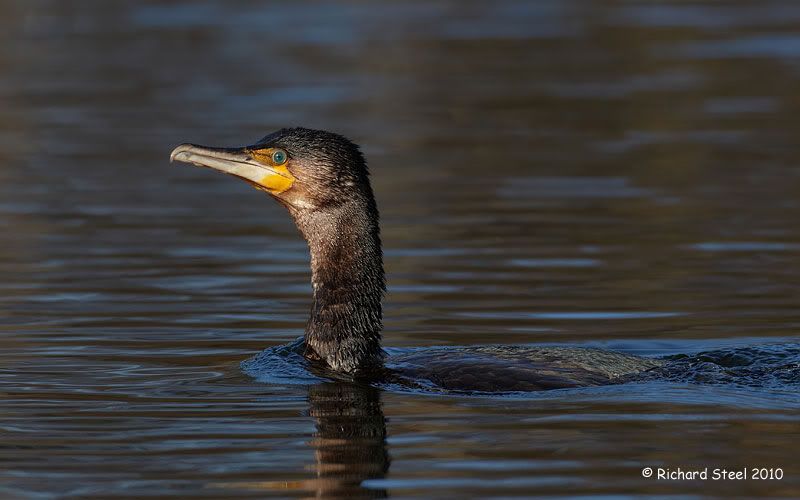
and a lone cormorant looking for some fish breakfast.

Photobucket

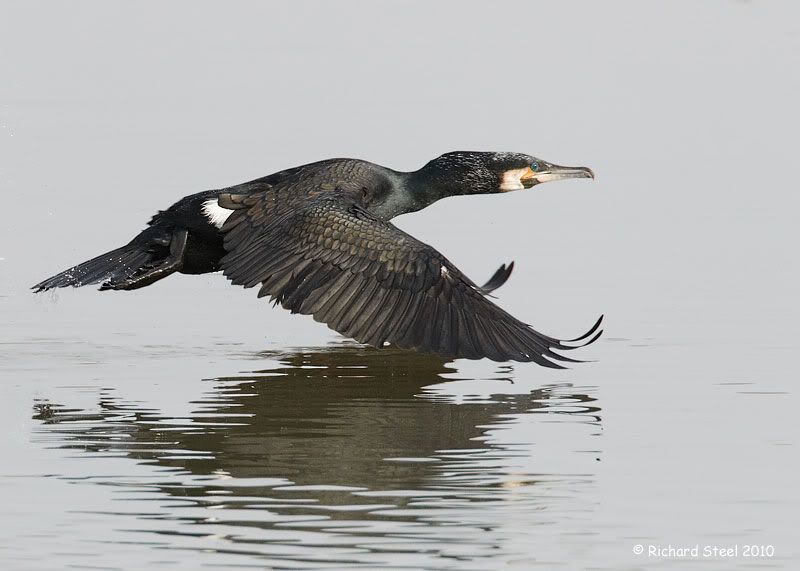
Another cormorant was encountered flying close to the water along the sea wall that borders the area of scrub, ponds and reedbeds I was searching. This was an adult bird in breeding colours showing the white thigh patch they develop.

Photobucket

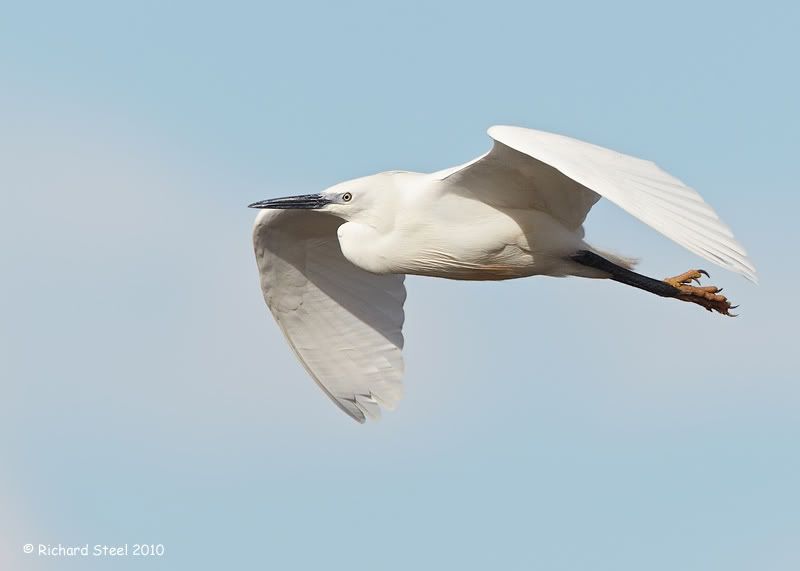
A further fly-by, but below the Icelandic volcanic ash level, was made by one of the resident Little Egrets.

Photobucket

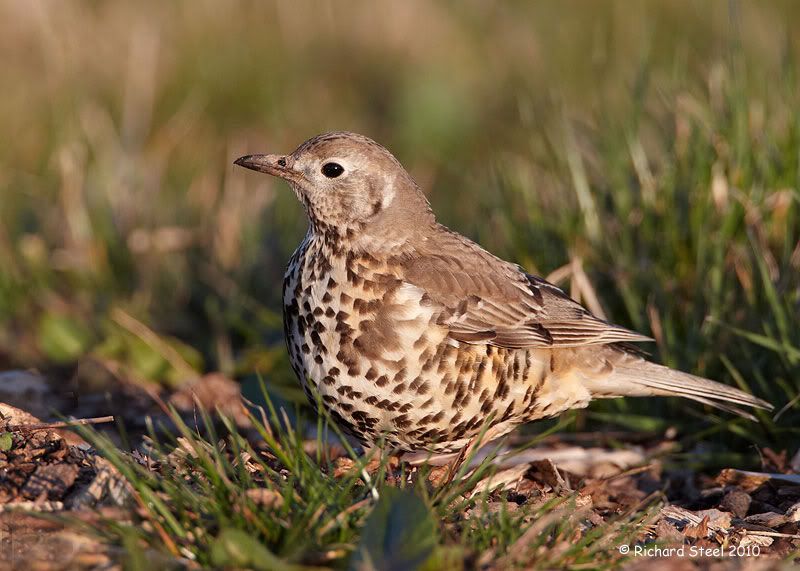
A lone Mistle thrush was busy listening to the ground for eathworms below.

Photobucket

A patient female Kestrel waited for that rustle in the undergrowth signalling the arrival of a breakfast rodent.

Photobucket

So despite the lack of spring migrants, my search for resident birds and watching them going about the daily early morning routines provided some comfort that prehaps things were not as odd as they appear.

Thursday, August 06, 2009

Supporting Cast

When I head out the front door with the camera I am usually going to target a particular species as I find it much more productive to go out with a specific plan rather to just see what comes my way. Of course while out and about I am often presented with opportunities for other species that just need to be taken. So I have gathered together a collection of birds that have been encountered on some of my wanderings this year. I have pulled together quite a number so this will be a fairly long post, at least in term of number of photos.

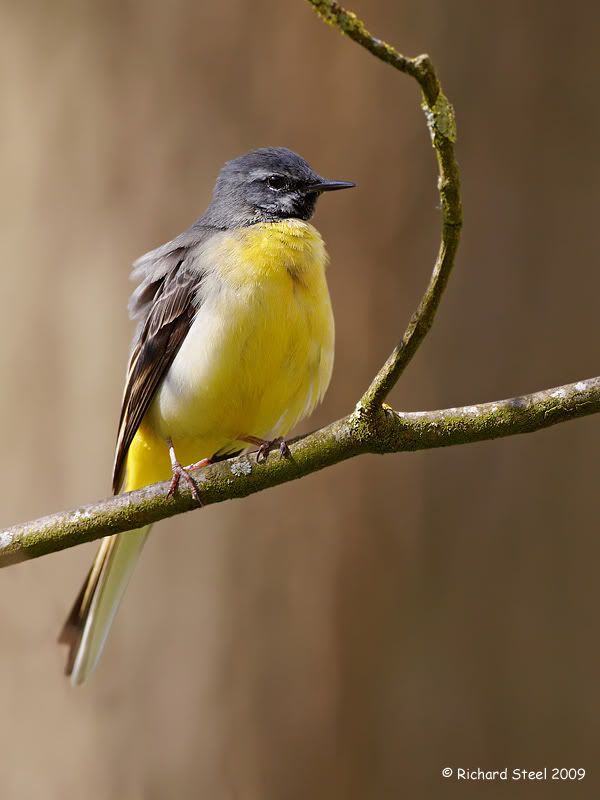
Earlier in the year I went out looking for dippers, on a stream local to my office, during my lunch hours. This was not wholly successful but on one trip I came across this grey wagtail unusually perched in the tree rather than hopping between boulders in the stream.
Photobucket

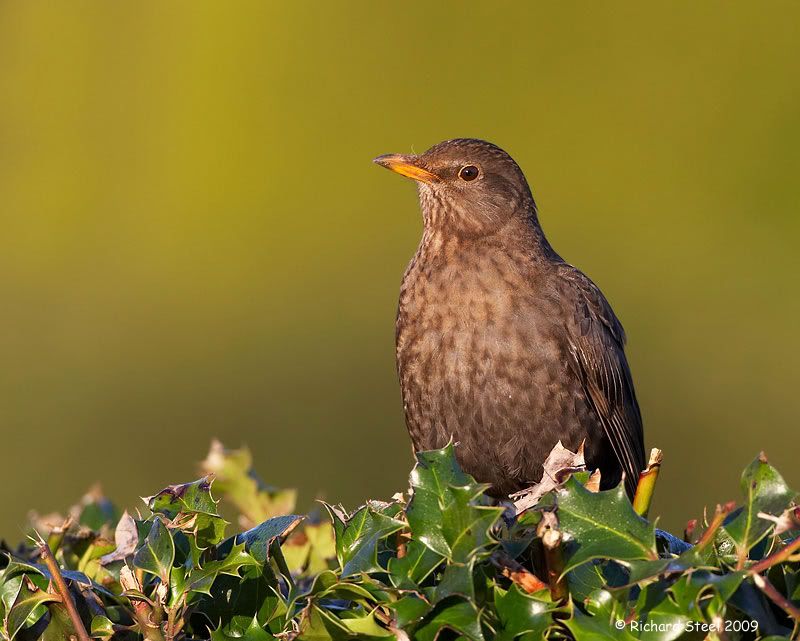
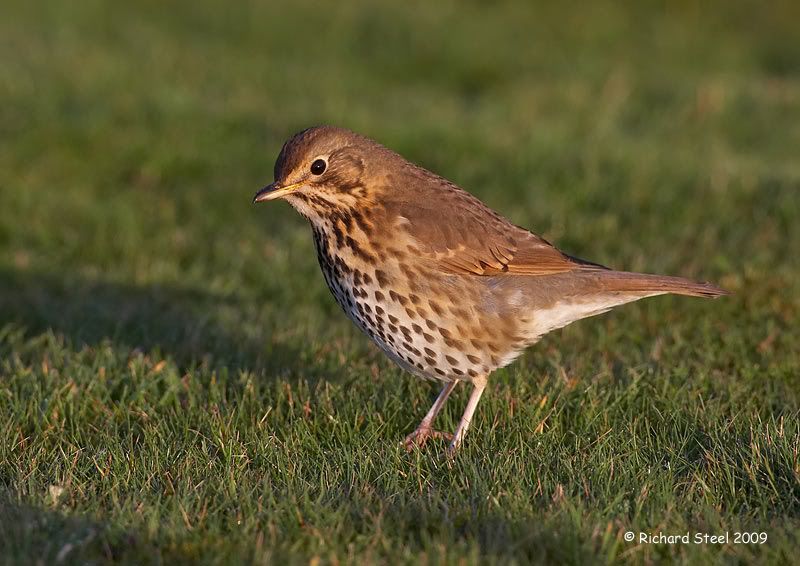
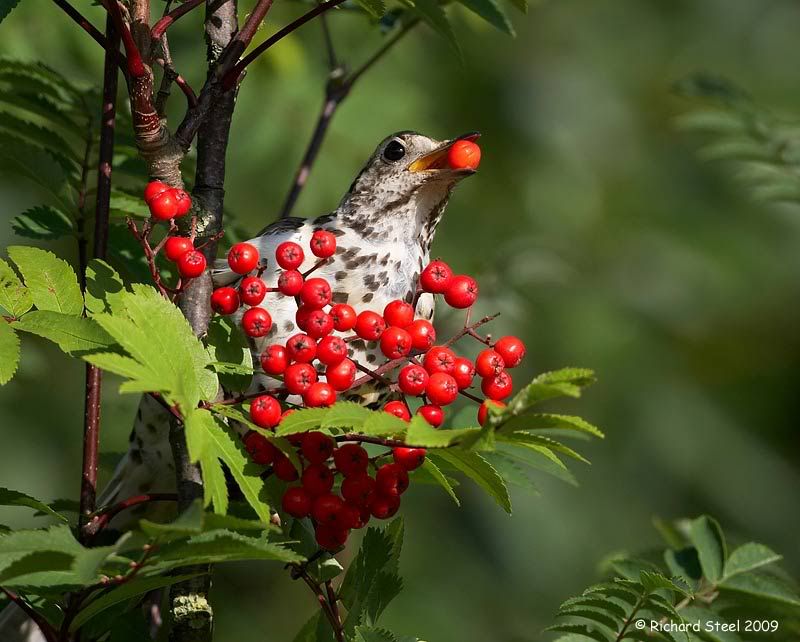
The early mornings out looking for hares produced the next three in the shape of a female Blackbird, a Song Thrush and more recently a Mistle Thrush eating some Rowan berries.
Photobucket

Photobucket

Photobucket

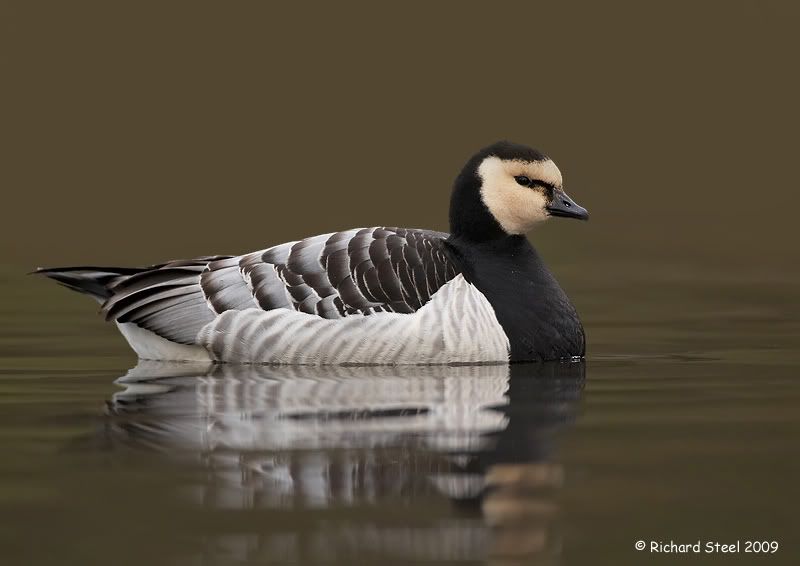
At the beginning of the year I heard about a couple of Barnacle Geese that had appeared on a local park lake. Probably 'feral' birds but a species which I had not photographed before.
Photobucket

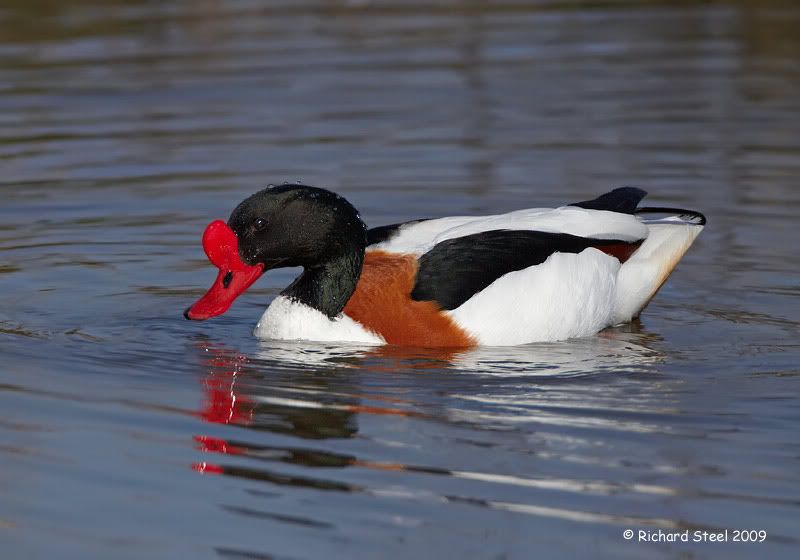
During my sessions photographing avocets in the spring, one of the best looking Shelduck I have seen swam into view and so the mad antics of the avocets were quickly forgotten for a few moments.
Photobucket

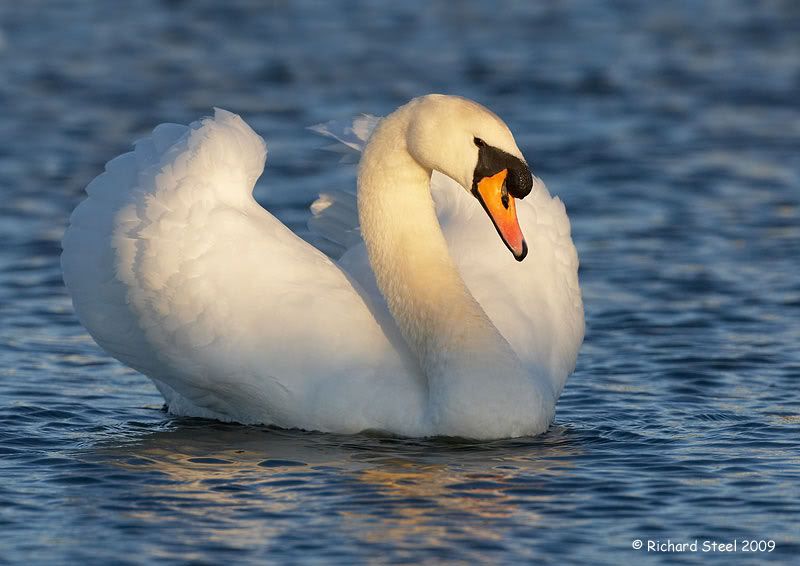
There was some good late light illuminating the local pond on the way home one evening so I stopped briefly for this Mute Swan.
Photobucket

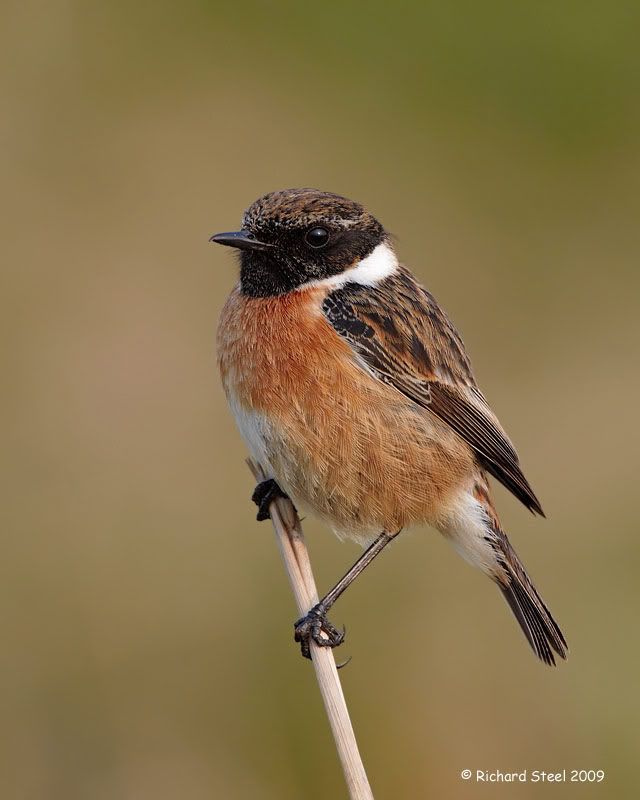
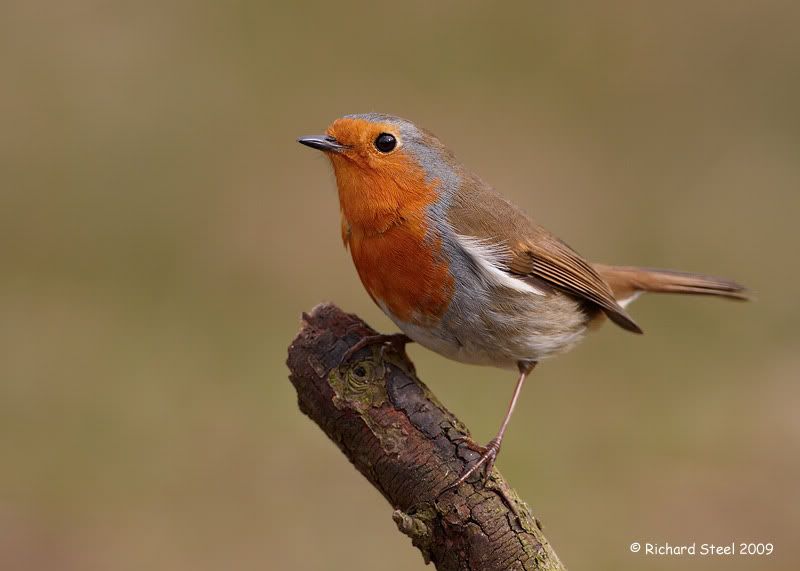
During a session looking for skylarks along the local coast I came across this male StoneChat in the dunes and a Robin along a footpath.
Photobucket

Photobucket

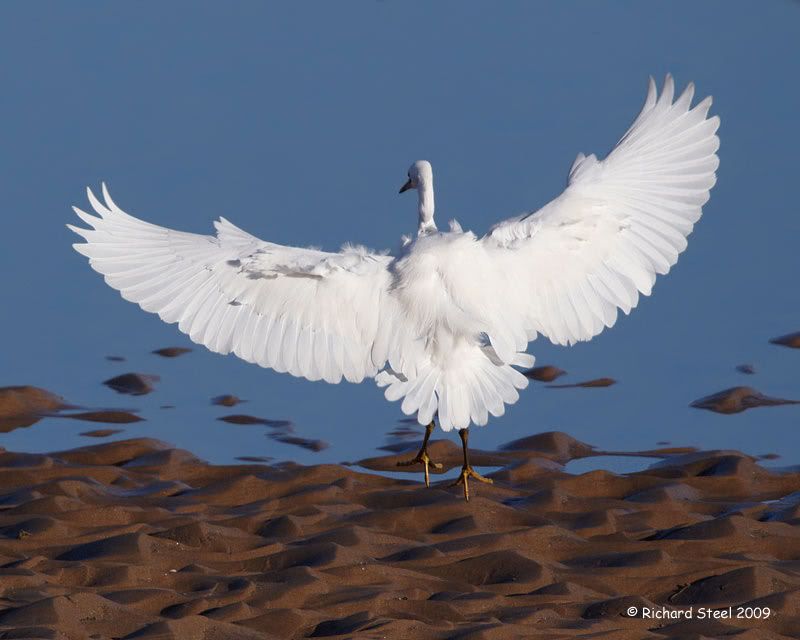
and to finish off a Little Egret on the local coast. I do not usually take back views of birds but thought I would make an exception for this one coming in to land.
Photobucket

LinkWithin

Related Posts with Thumbnails