Showing posts with label Blue Tit. Show all posts

Sunday, January 22, 2012

New Plot Visitors

In one of those rare moments of sunshine in one of the worst winters of weather I can remember for photography, I decided to make a visit to the new feeding station known as 'the Plot'. It has kept me busy keeping the variety of feeders constantly filled, as high numbers of birds have been visiting and eating their way through large quantities of seed, fat-balls and peanuts. On this particular morning it seemed fairly quiet in terms of numbers of birds arriving, the cause of which would be revealed later in the session.

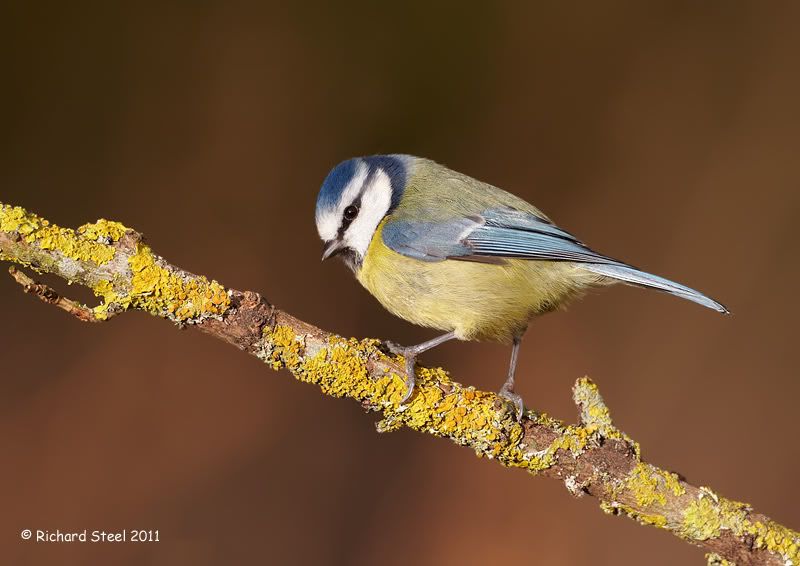
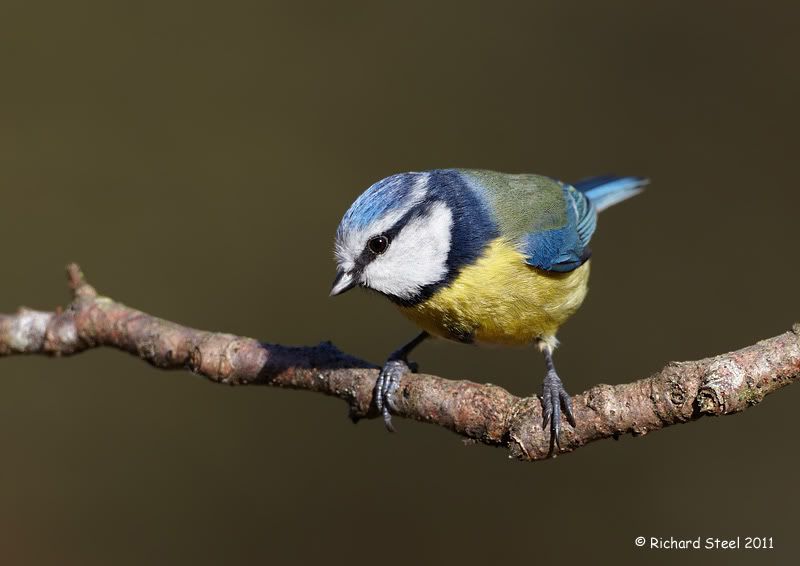
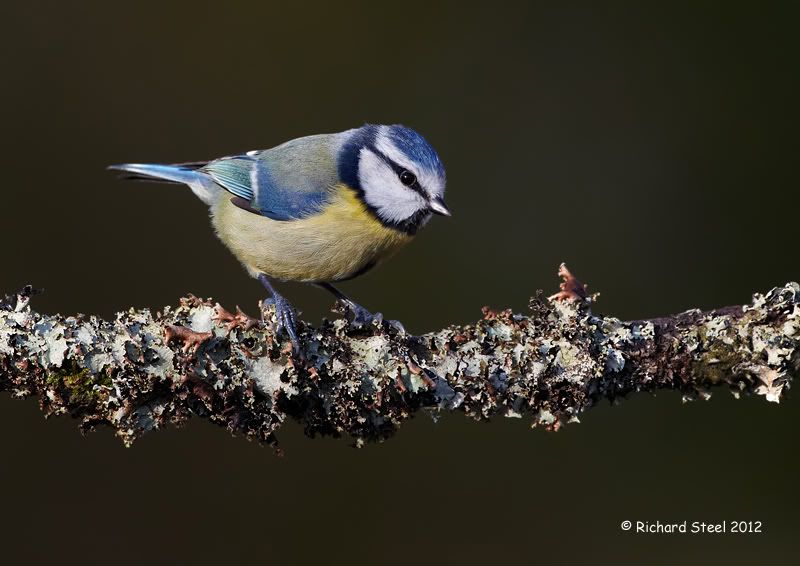
The first birds returning to the feeders, after the minor disturbance of setting up the pop-up hide, were the Blue Tits as usual. Despite being a very common bird, which could be easily overlooked, when their plumage is in good condition they do look superb.
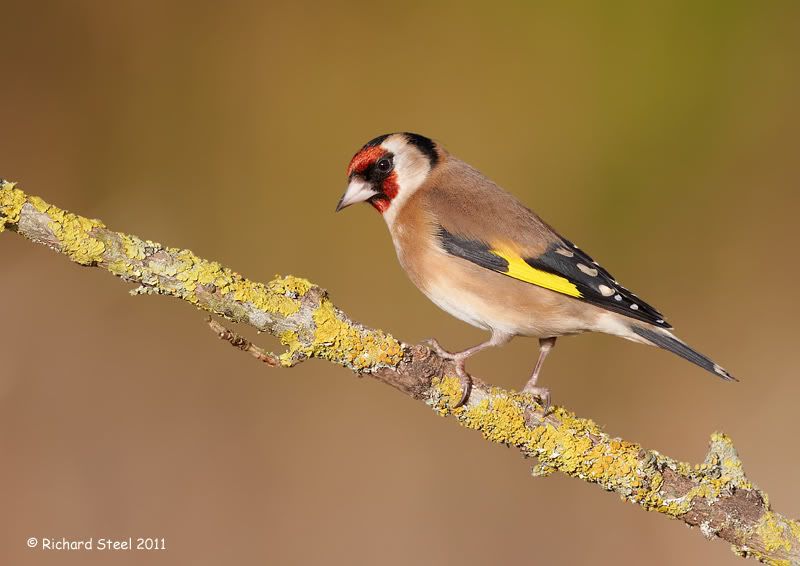
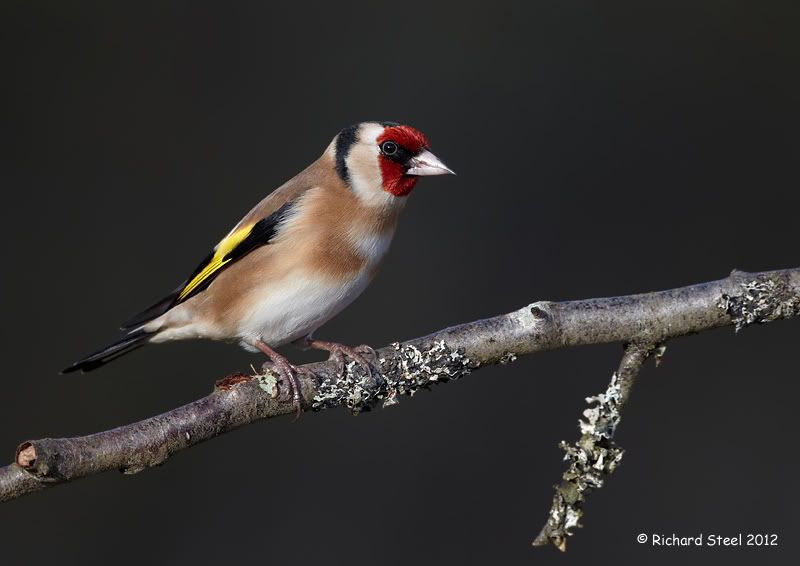
The tits were very quickly joined by a small flock of Goldfinch. This is one species that appears to have really benefited from the feed that people put out in their gardens, and what once was a fairly unusual sight is now common. The birds glowed in their beautiful colours in the early morning sun.
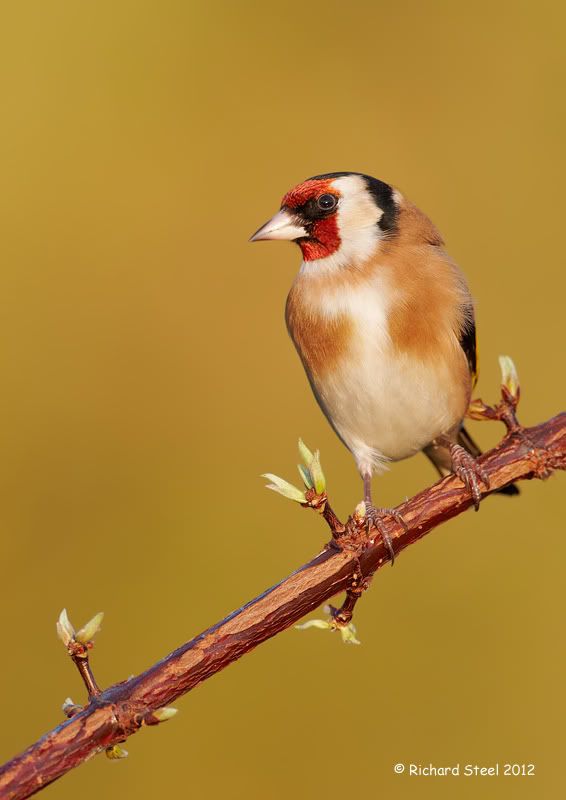
I decided to introduce a new perch taken from my garden which was already showing the first shoots of spring under the mild winter weather.
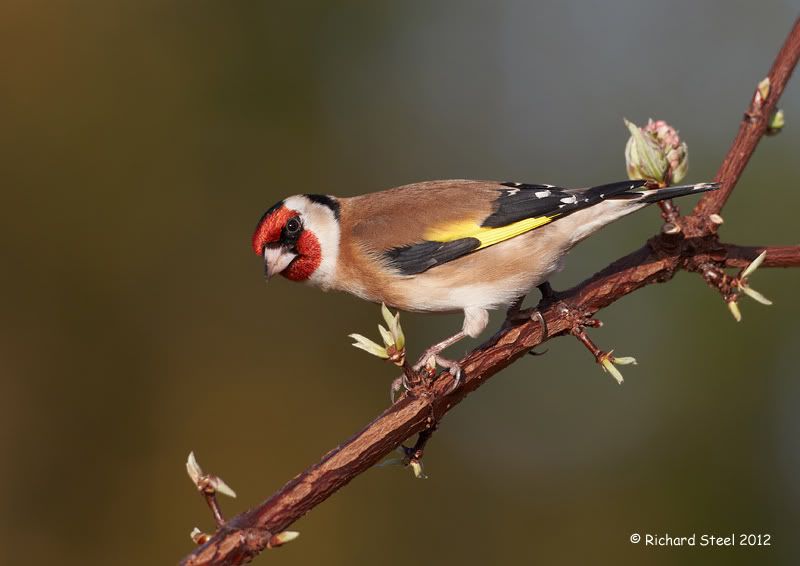
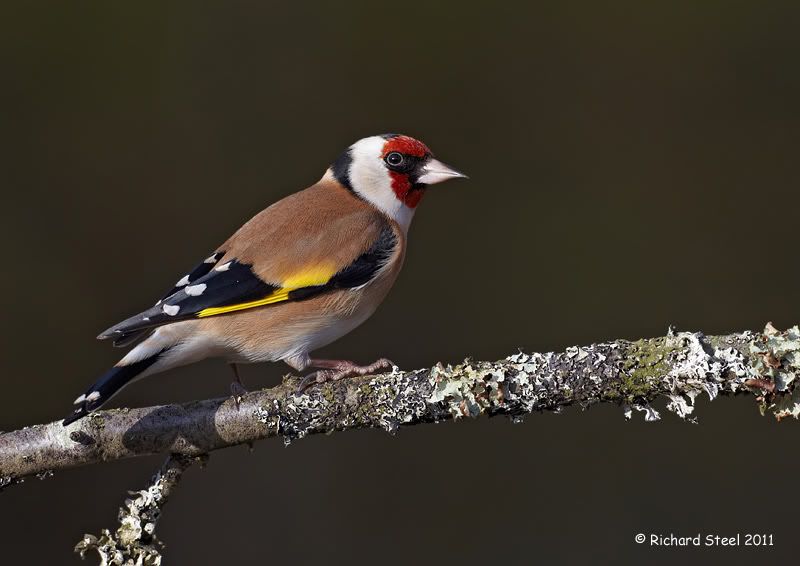
Another photograph taken later in the session, when one side of the photography area is plunged in to shade by a bush, giving dark backgrounds to the photos. I quite like these dark background photographs as they really show off the colours of the birds.
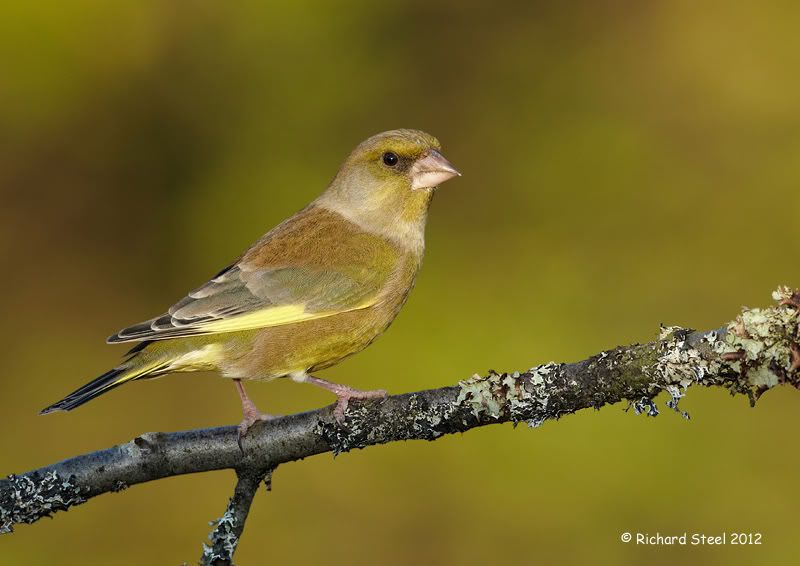
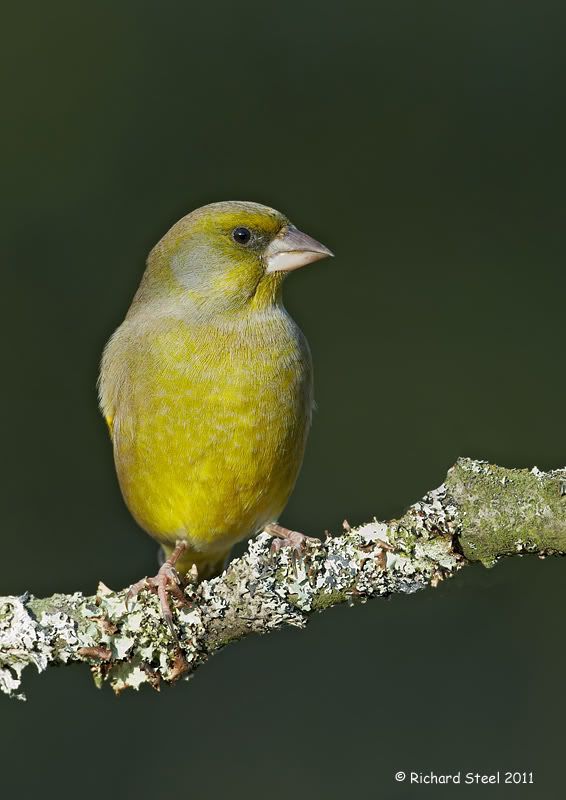
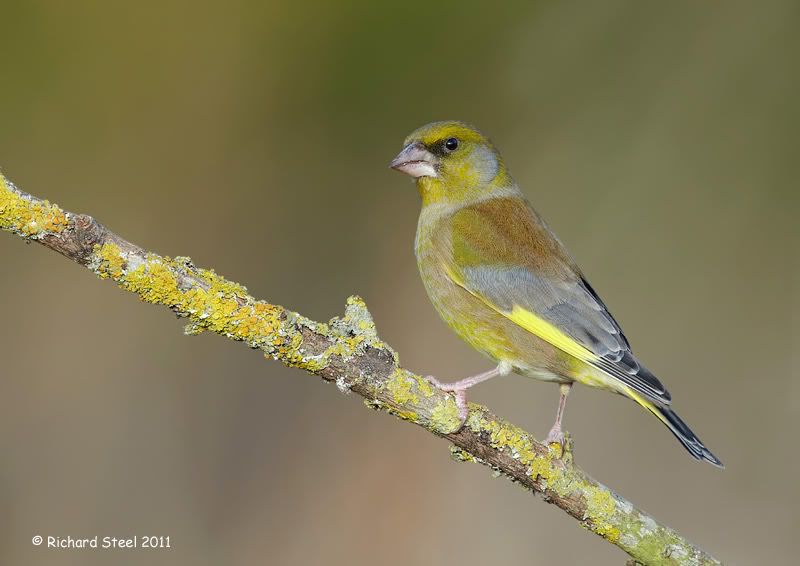
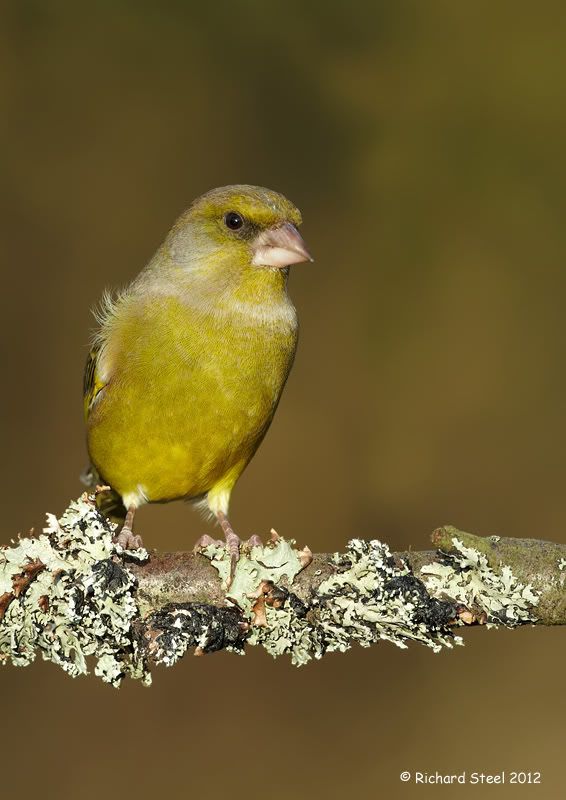
Next species to muscle in on the feeders were the larger Greenfinch. When these boisterous birds arrive all the other tends to be pushed out the way until they have had their fill.
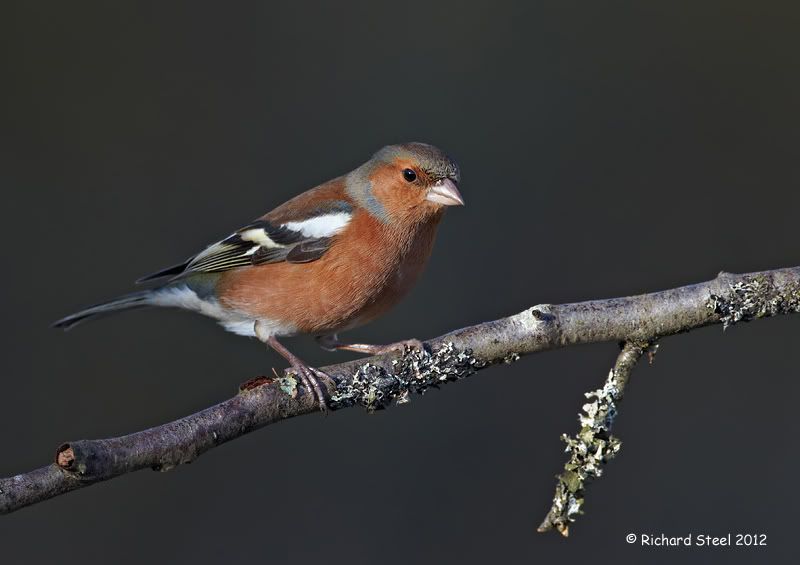
A new species arrived in the shape of a small flock of Chaffinch. These birds don not tend to land so much on the perches but appear more content with picking up the fallen seed on the ground below the feeders. This is a male bird looking is great condition. It appears the birds are benefiting from their new food supply.
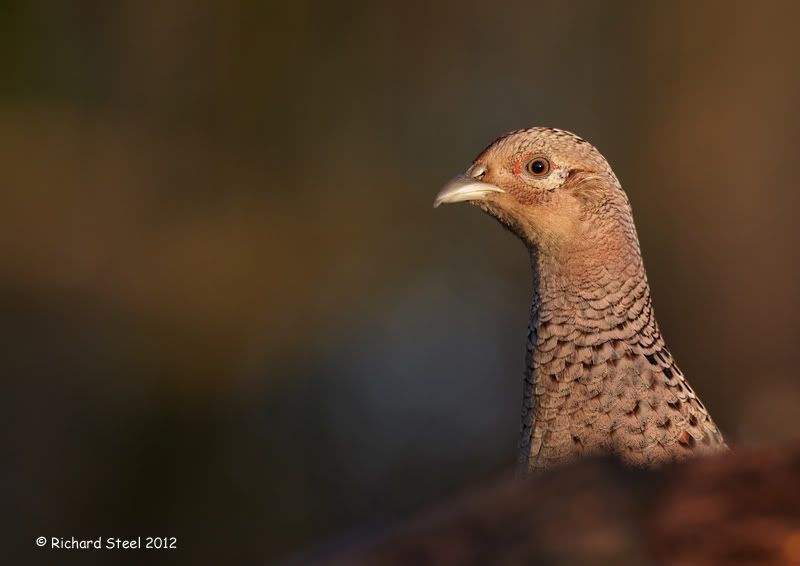
Joining in with the mopping up of seed from the ground was the arrival of six pheasants. A female bird peaking over from behind one of the logs.
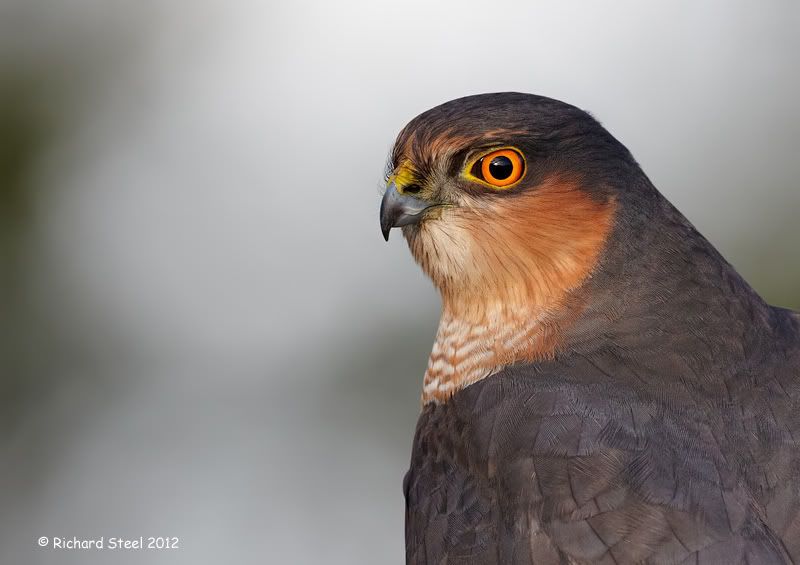
Now you may be thinking that there was a lot of bird activity but compared to the numbers coming in to the feeders when I make my visits to refill, it was fairly quiet. The reason soon became apparent with a sudden burst of alarm calls from the scattering small song birds and rushing of air sound from above the hide resulted in a stunning male Sparrowhawk landing on the perch in front of me. As I was so close to perch to photograph the small birds, all I could fit into the frame was a head portrait. I managed to take about six photos before this predator with its highly tuned senses realised I was there and disappeared low and fast over the hedge. It was inevitable that so much bird activity would eventually attract a predator.
I am already looking forward to my next session at the Plot and to see what will turn up next.

Friday, December 30, 2011

The Plot

A couple of months back I managed to secure the use of private site to set up a new bird feeding station for photography. This site is now known as 'The Plot' and is in an interesting location with a good potential to attract migrant birds. It has taken some work to get the site suitable for bird photography and I have shared the efforts of setting up and feeding with a couple of friends.

December has not been a good for my photography, mainly due to me feeling unwell with some lergy at the start of the month and my energy levels only returning to some normality this week. The weather and light have also been consistently poor, so even if I had been healthy enough to venture out, I don't many photographs would have been had.

A couple of days back a morning of rare sunlight was forecast and having returned to the world of the living, I finally got round to my first session at the Plot. Its is good to end the year with the start of a new project. Conditions were not ideal with a strong 30mph wind blowing in off the sea and the clouds racing across the sky causing very variable light conditions.
The wind was a nuisance as it was causing a lot of problems with my pegged down hide flapping around and causing unwanted noise. A sparrowhawk swooping through occasionally also didn't help put the birds at ease.
It is always interesting when you start photographing at a new feeding station, not only to see which birds are turning up, but also you start to get a feel for the subtleties of how the light changes across the the set up and influences the background colours. This is quite nicely demonstrated in the two Goldfinch photos above and below.
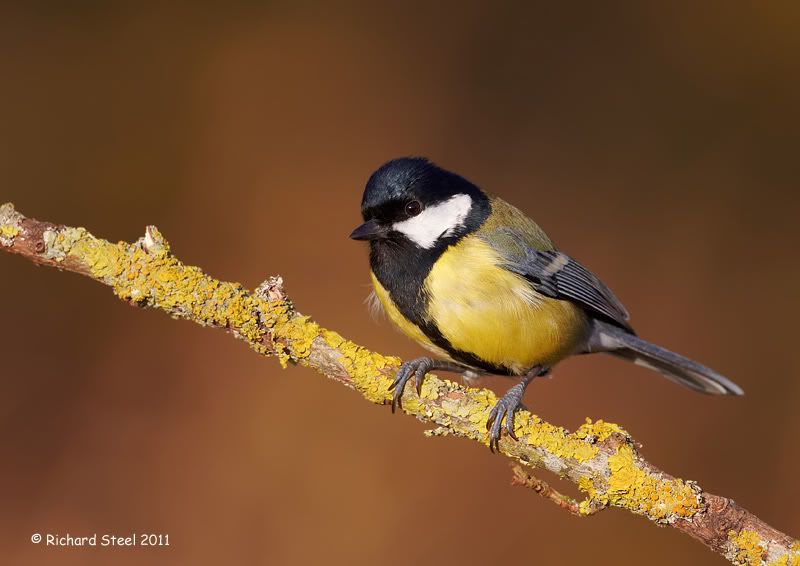
The main bird species arriving at the free food supply were a range of tit species and finches such as this Great Tit.
I was particularly happy to see good numbers of Greenfinch turning up which are beautiful birds.
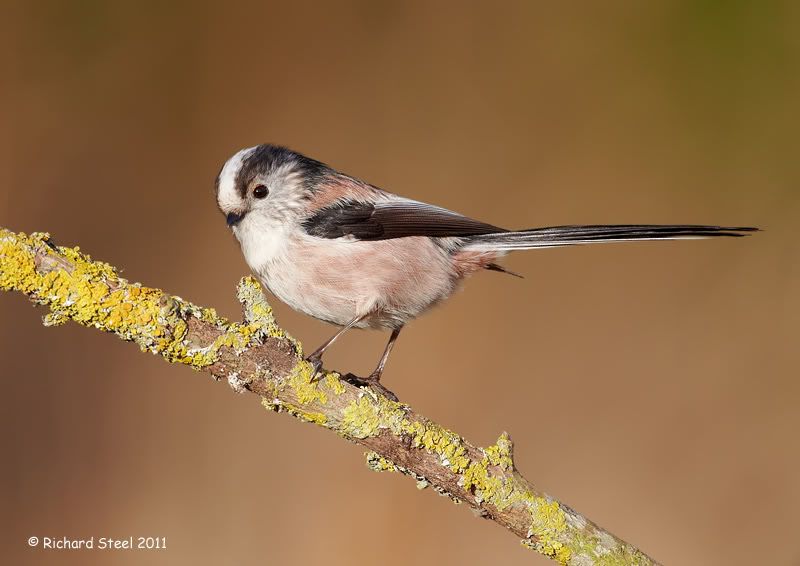
A party of around ten Long-tailed tits were also doing the rounds and coming through en mass on an hourly cycle. A species that is always such fun to photograph and I look forward to more encounters with them over the coming months.
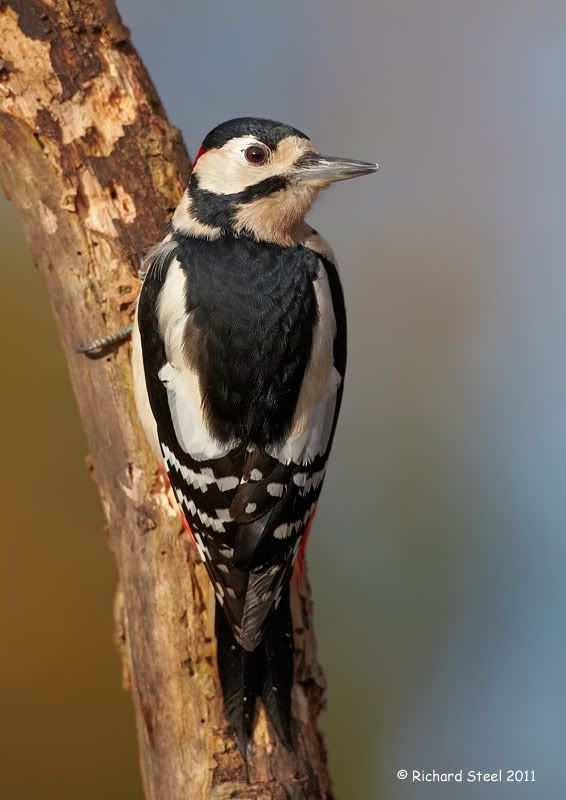
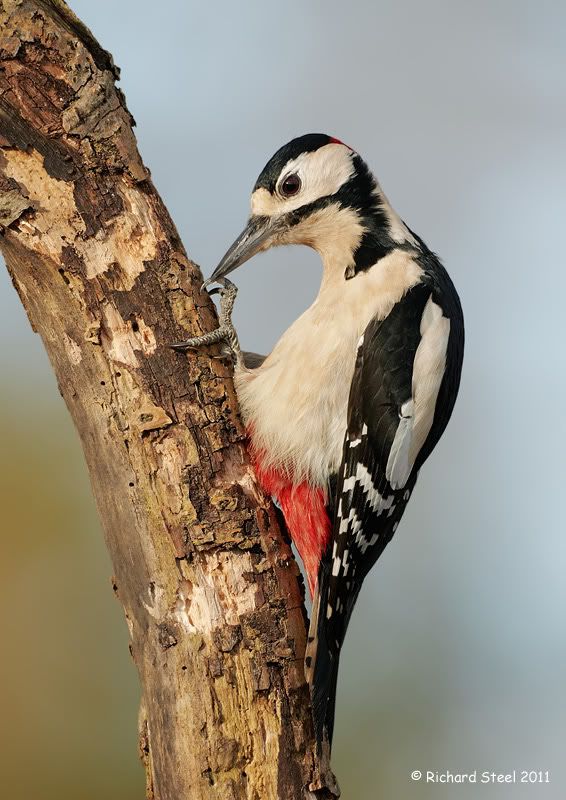
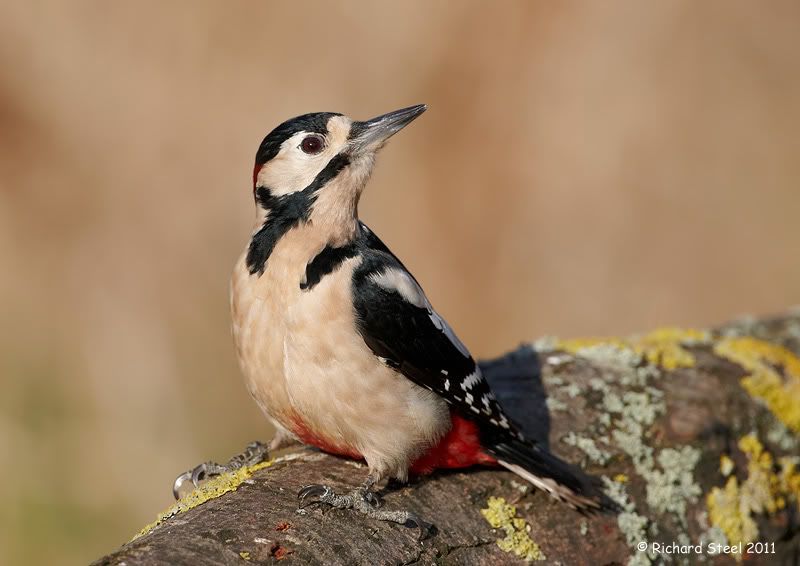
There were several other species visiting the Plot at the moment but they can wait to future sessions. The final species photographed during my brief session was a bold male Great spotted Woodpecker which seems to have taken a strong liking to one of the upright perches.
So that really brings this year to a close. 2011 has been an enjoyable year with around 110 bird and 5 mammal species photographed including quite a good number that I have not put in front of the camera previously. I have so many incredible memories but some highlights would include the Stone Curlew and Balearic Warblers of Mallorca in the Spring, the Whinchat and Corn Bunting in the Summer and Water Rails in the Autumn. I think my strongest memory will be spending the three hours following a group of hunting stoat which was such a unique and privileged experience.

What will 2012 bring? Well who can say but I already have quite a few plans including a week booked away oversea. I am looking forward to 2012 already and will end this post by wishing you all a very Happy, Healthy, Peaceful and Wildlife filled New Year.

Sunday, February 20, 2011

Titivating Birthday

Over the last couple of years it has become a bit of a tradition for me to take my Birthday off work and head out for the day with the camera. This year my birthday fell on a Monday but the forecast was poor and so it was postponed to the following day when the forecast was for some clear sky and sunshine. The choice of venue for this year's birthday session was really dictated by the weather, and an early start saw my friend Steve and I heading south to a well known car park where the birds have been fed for many years. This site requires some tolerance by the photographer as there is a lot of disturbance from visitors passing through who usually seem to have little respect for the birds or the fact you are trying to take some photographs. However, it does have the benefit of plenty of birds and the fact you can set up a temporary mini feeding station to your liking.

The site does not usually offer anything unusual to the photograph although is frequented by the scarce Willow Tit and a number of Yellowhammer. As we drove in to the car park I was looking forward to a relaxing day, spent in good company, photographing some small common birds.

The first job on arrival was to set-up the mini feeding station giving due consideration to the path of the sun and backgrounds. We came prepared with some small branches and an old log. Birds started visiting the perches instantly and even while we were still strategically placing out the feed. It was then back to the car yto use as a temporary hide. For this small bird photography at close quarter I usually use a 25mm extension tube on the 500mm lens as it makes the bird a little larger in the frame. The other important consideration is to use a reduced aperture to increase the depth of field (the depth of the photograph in focus) which is very narrow at close range with a long lens. This reduces the potential problem of the head being in focus and the feet out of focus which always looks a bit odd. A steady stream of birds started arriving.

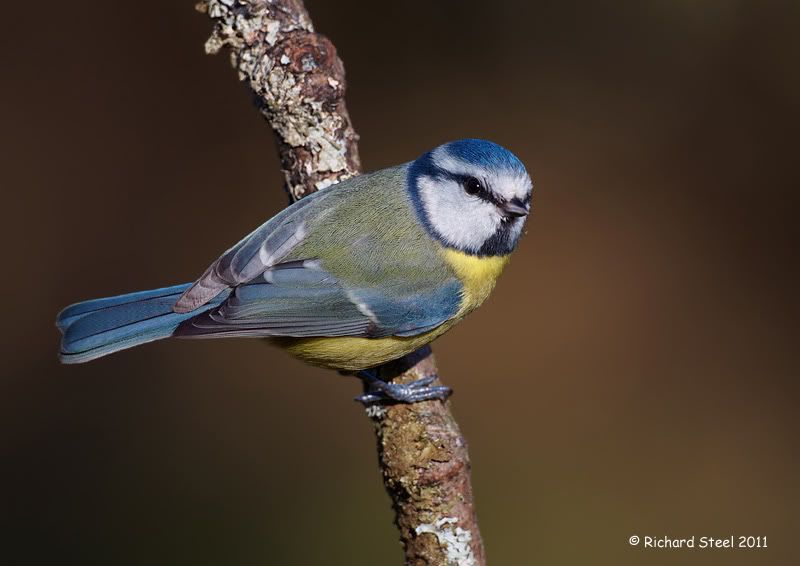
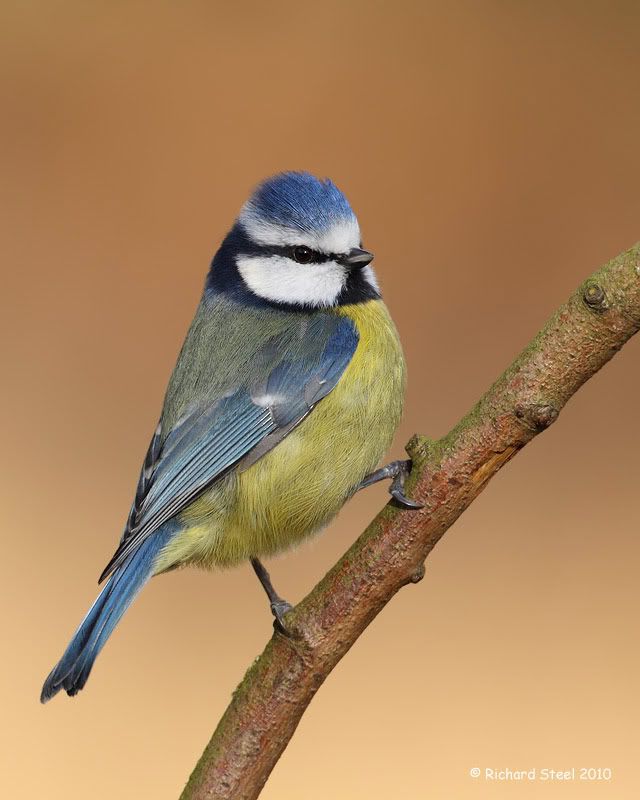
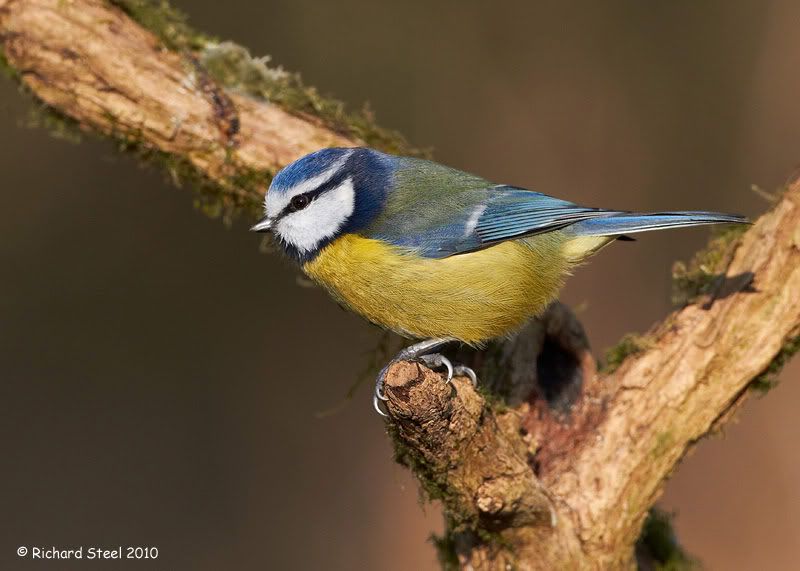
Despite being a common bird there is no denying that Blue Tits look superb at this time of year.


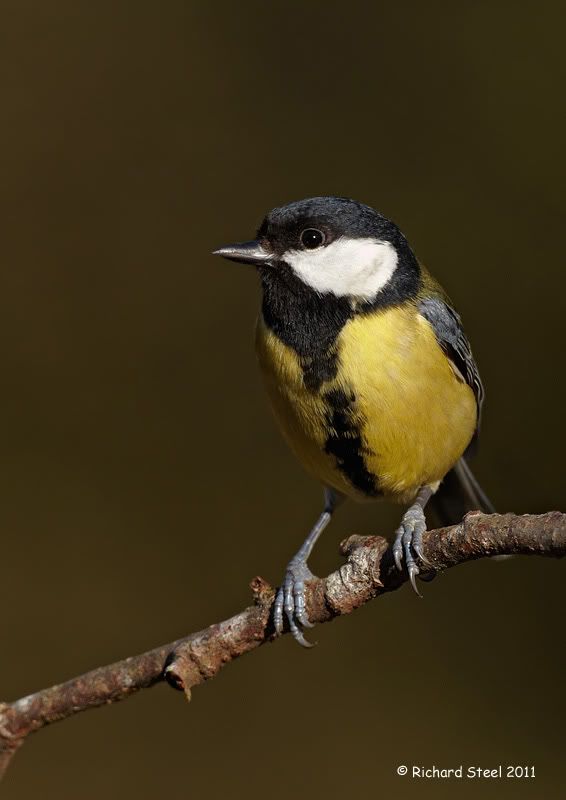
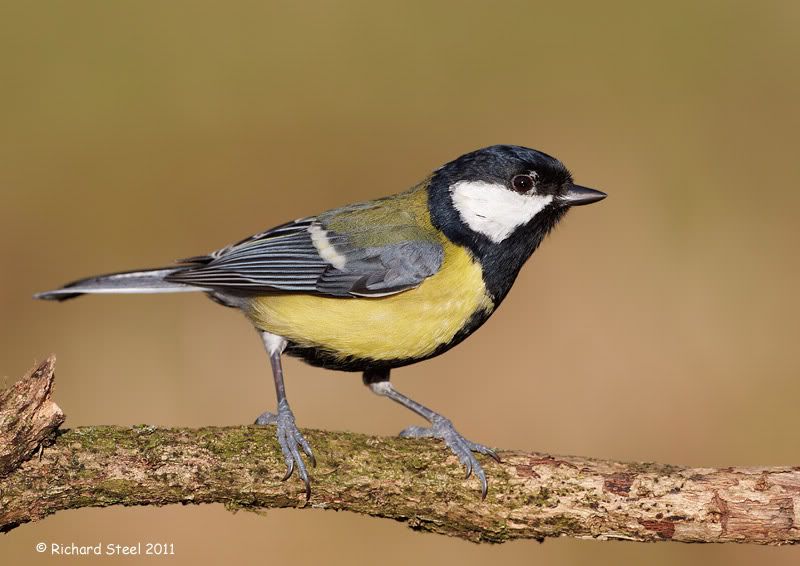
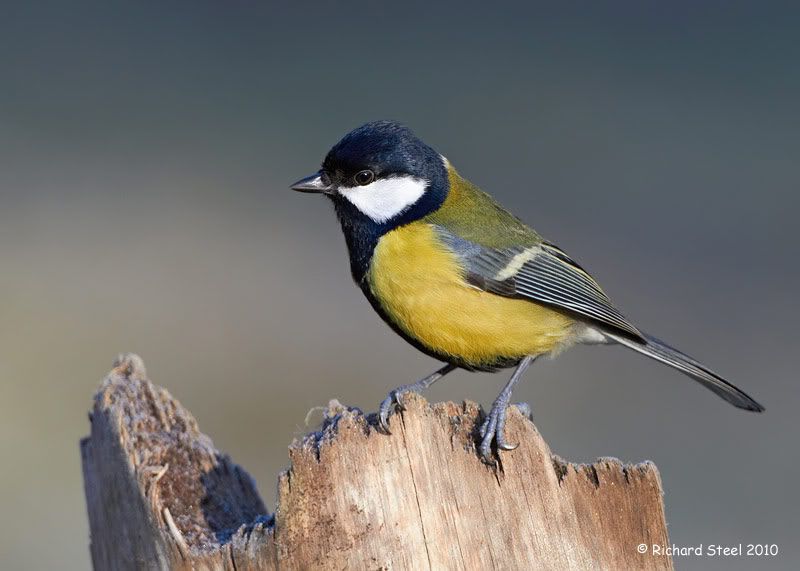
Another common tit species and the largest, the Great Tit.

The broad black mid-line markings showing this to be a male bird in fine early 'spring' plumage.

I must admit I could happily sit for hours photographing these common birds when the light is so good and they are looking so beautiful.
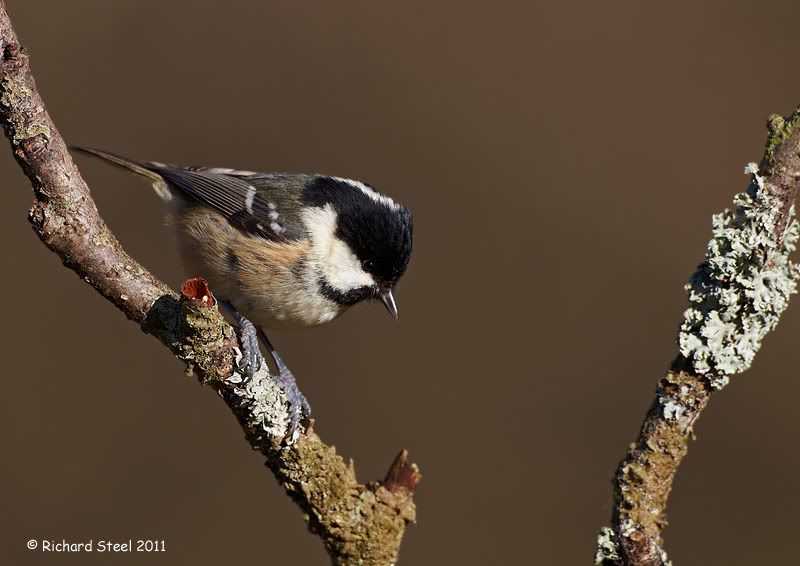
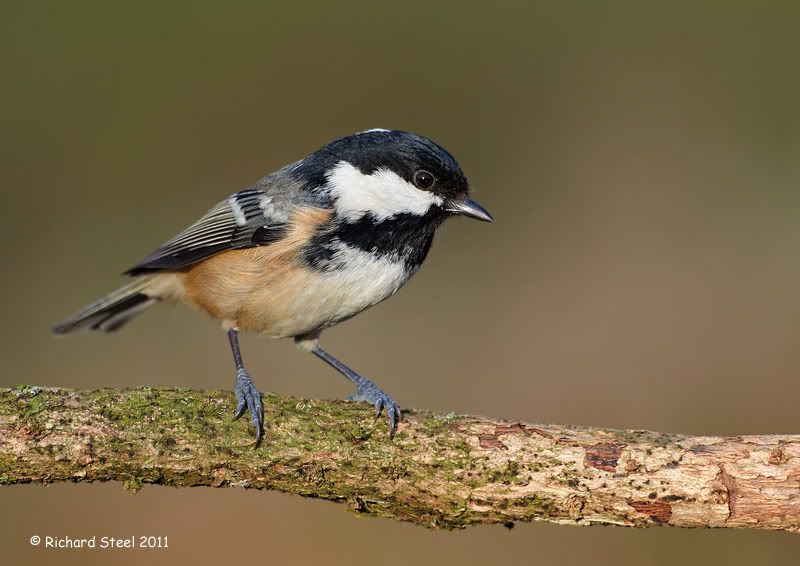
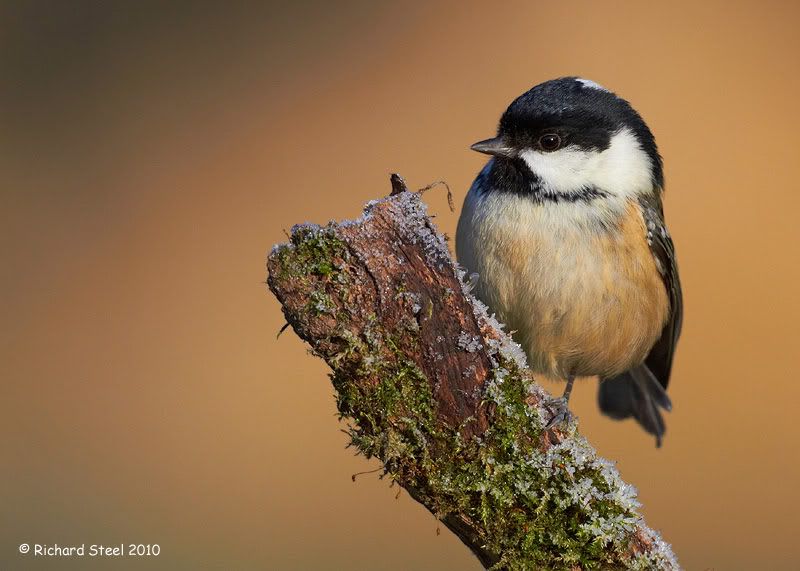
At the other end of Tit size scale, the smallest species the Coal Tit.

This next bird is one of the best looking Coal Tits I have seen in a long time and had excellent colour and markings.

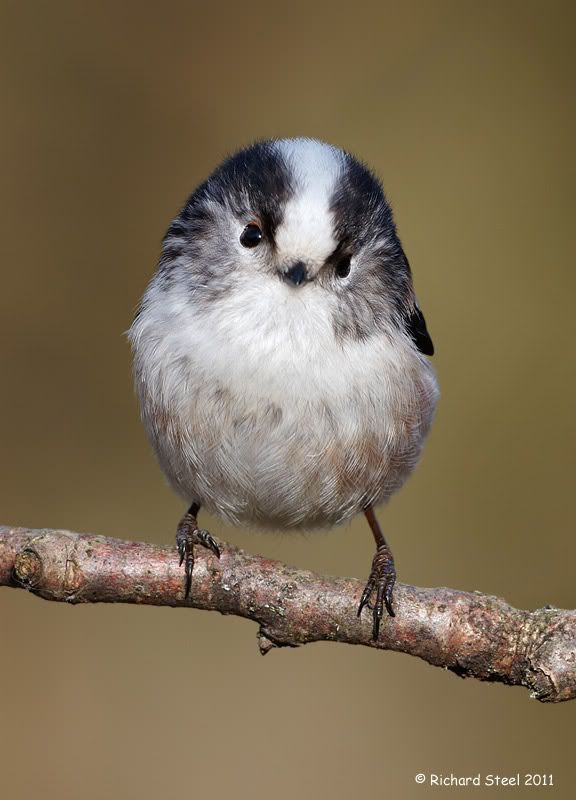
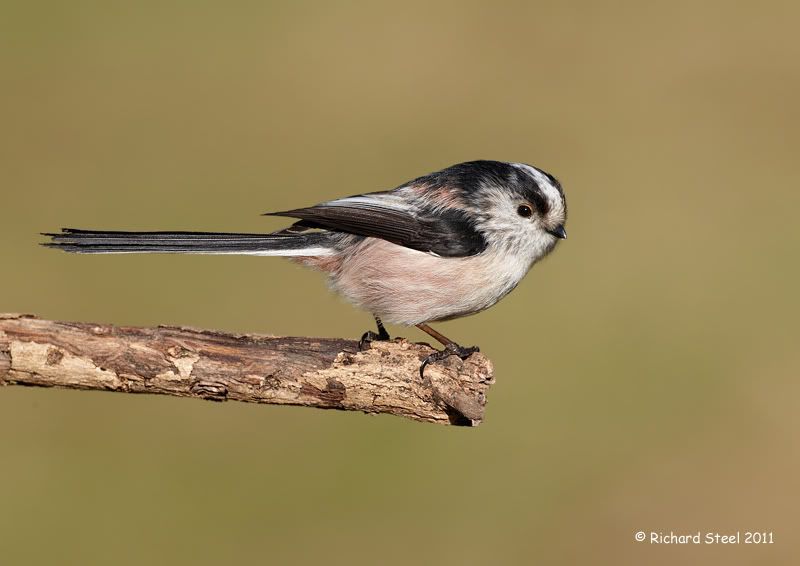
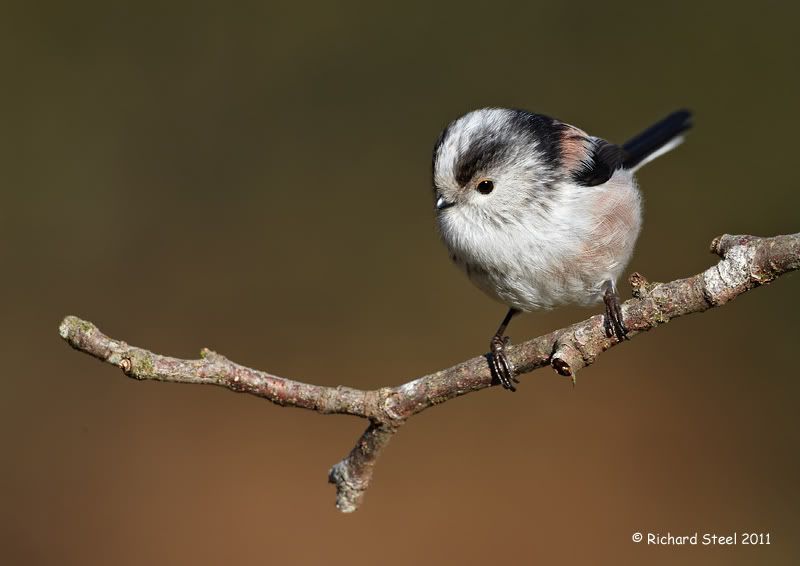
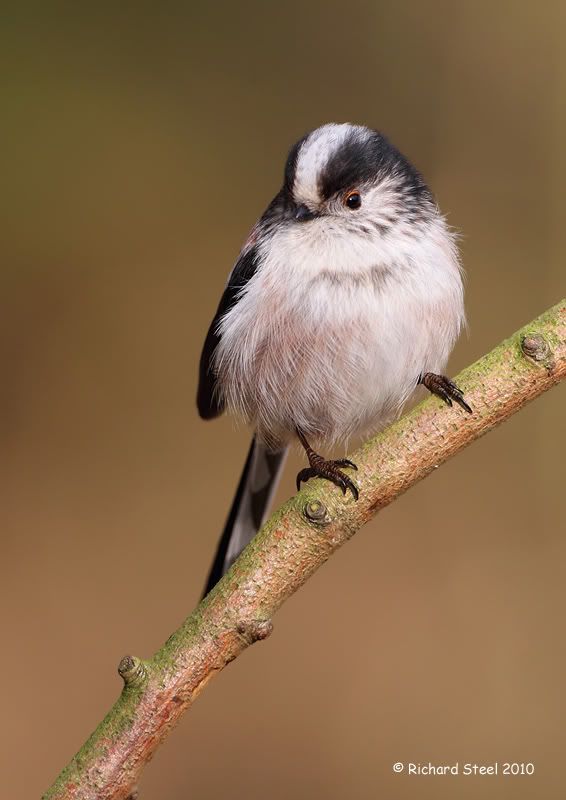
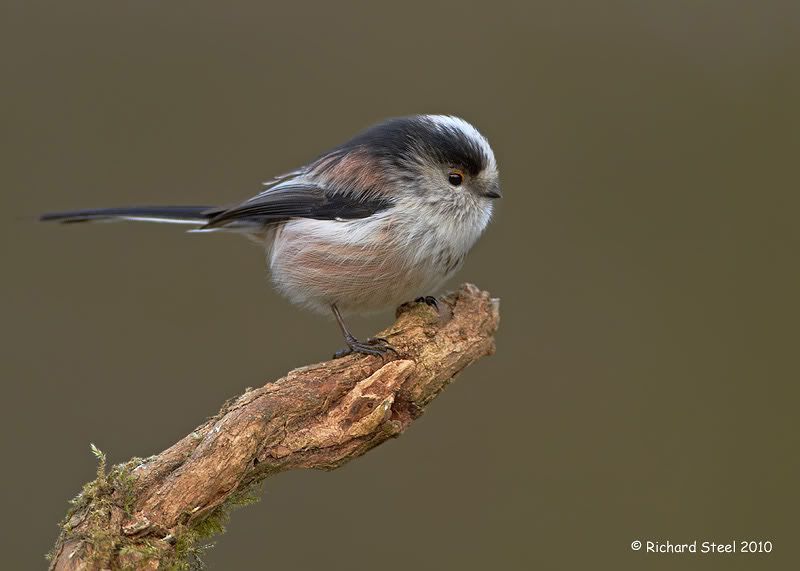
Of the Tit species when it comes to looking 'cute', the award would certainly go to the feathered pompom that is the Long-tailed Tit.

I have always had a fondness for this species and it was great to have two or three birds periodically visiting the temporary feeding setup.


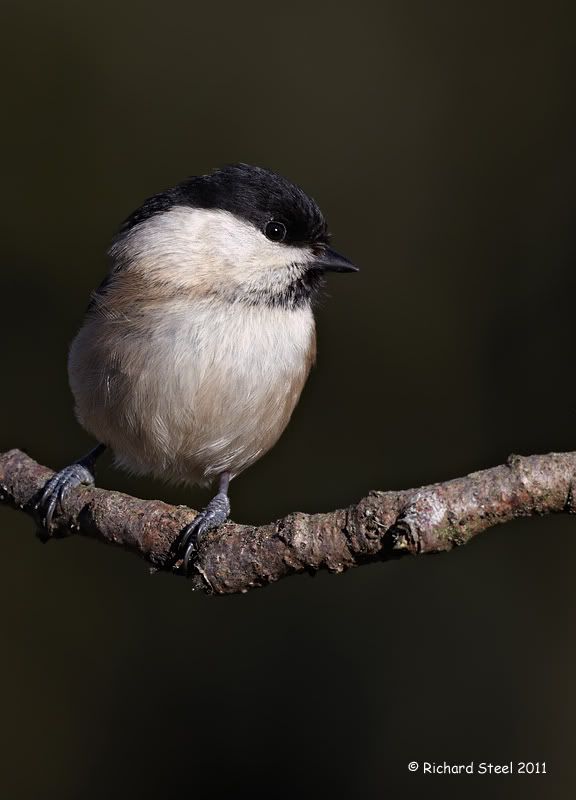
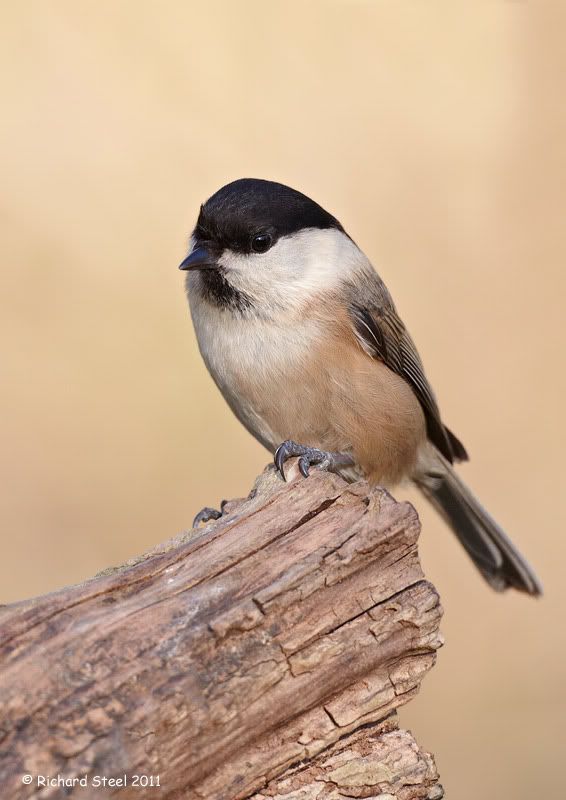
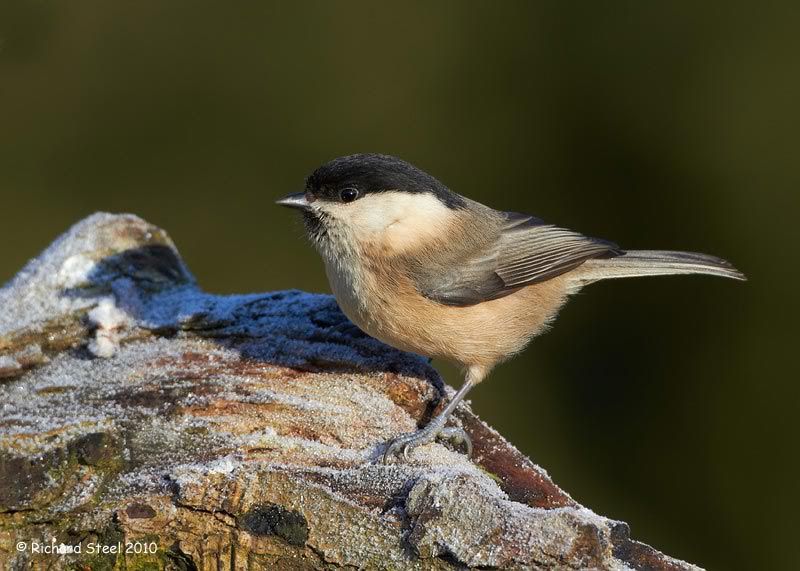
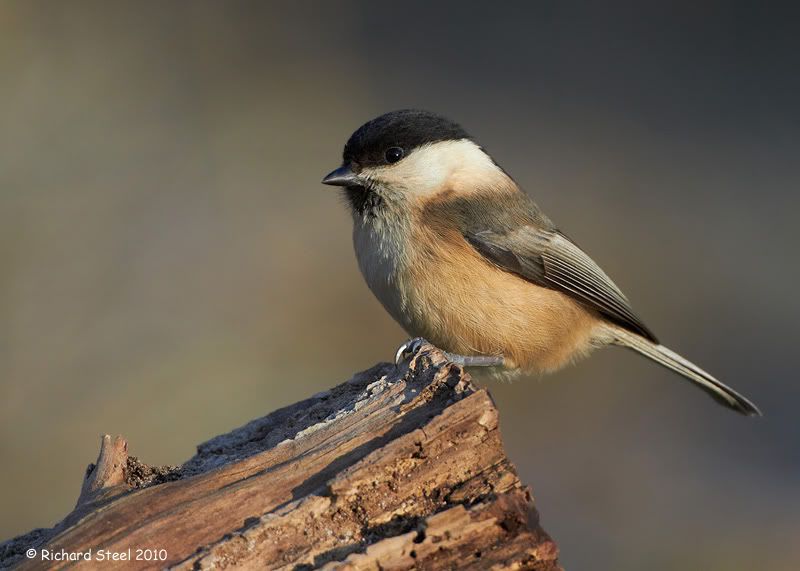
Another species that occasionally called in for the free handout, and the most frustrating to photograph, was the scarce Willow Tit.


Photographing small birds is never easy and requires quick reflexes but the feeding behaviour of the Willow Tit compounds the problems as it dashes in grabs a seed and then flies off very quickly. They are also one of those species that rarely seem to be looking in the direction of the camera.

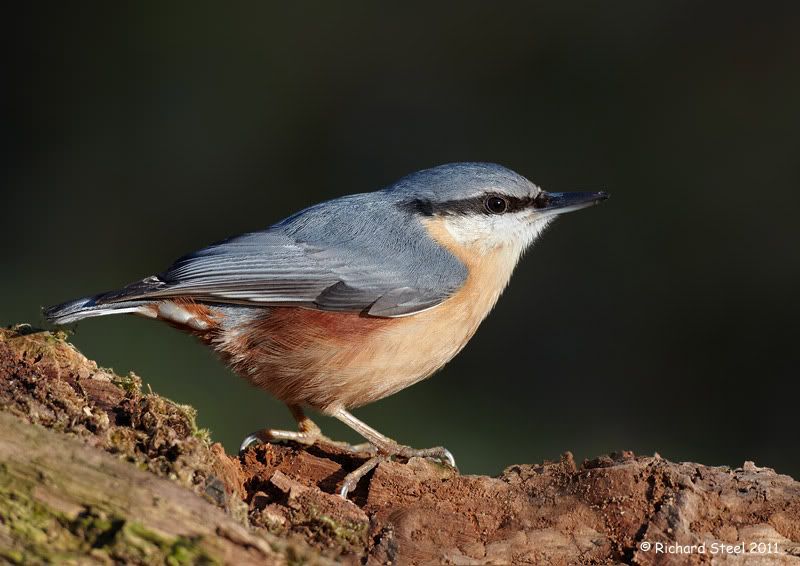
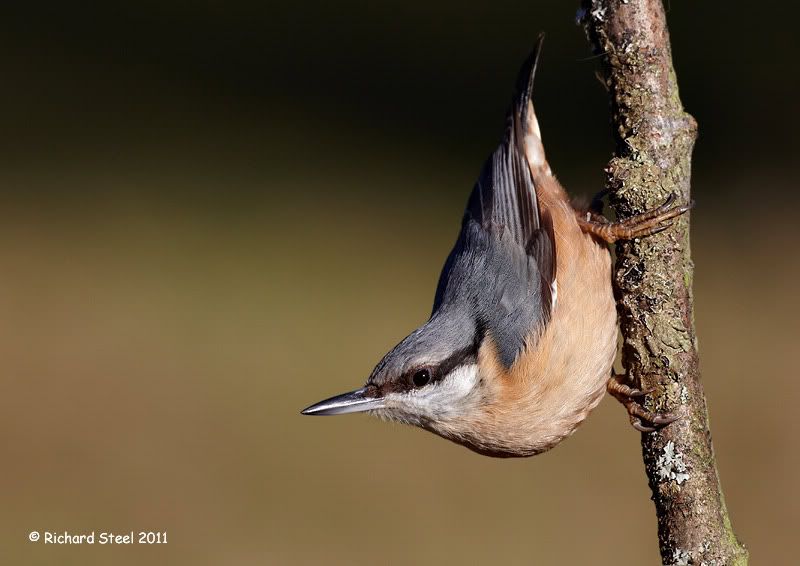
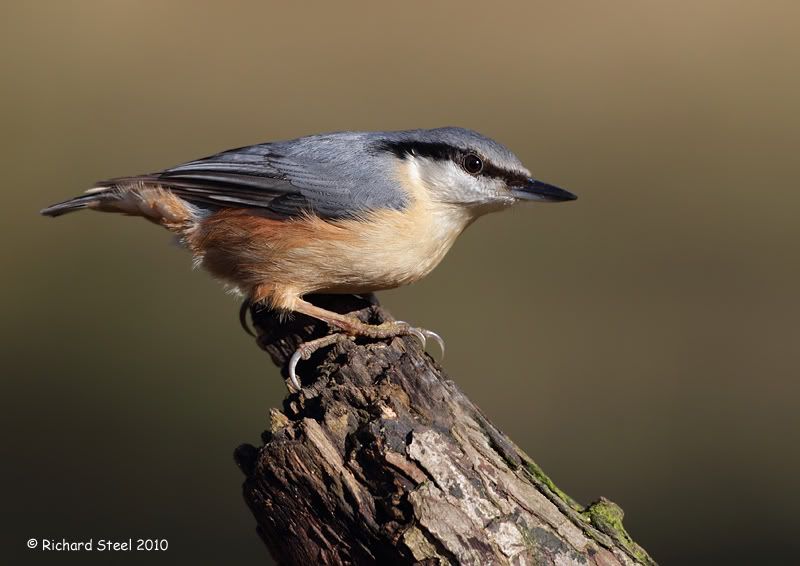
In addition to the constant arrival and departure of nearly all the UK tit species, the occasional Nuthatch would bring welcome change.

This one captured in typical Nuthatch hanging off a tree pose.

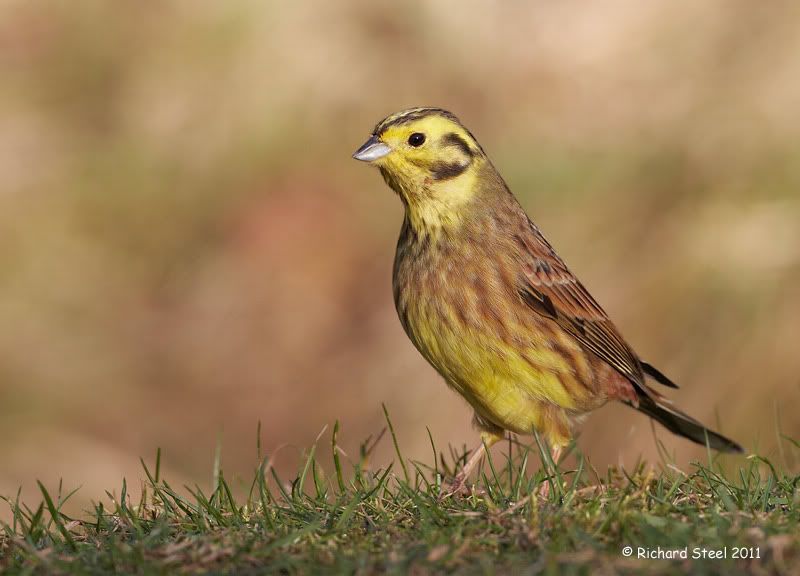
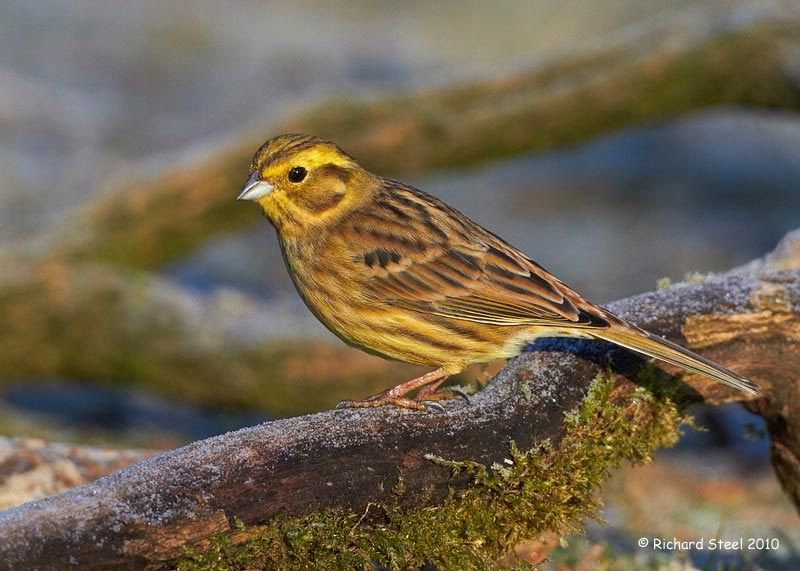
There was also an occasional Yellowhammer putting in a brief appearance and a wonderful bird that topped of a productive and enjoyable day.

Sunday, March 14, 2010

Diversity is the Spice of Life

One of the great joys of photographing birds is the diversity of species that may be encountered nearly anywhere. I am fortunate of living in easy access to a wide range of habitats, from hills to farmland through to woodlands and coast, that in turn support a varied bird fauna. I thought I would put together a compilation of recent photographs taken in a wide range of situations with a bit of background on how the photographs were achieved.

Starting with woodlands, a well placed feeding station can attract a wide diversity of birds, particularly during the cold winter months when the small birds have a need to supplement their energy supplies. The setting up of a feeding station requires careful consideration in terms of light direction, placement of perches and the hide but the results can be very productive. The Blue Tit is a common bird but shows some stunning colours in Spring plumage.
Photobucket

It is difficult to dislike Long-tail tits with the unique shape and colours and comical antics. They usually descend to a feeding station in groups but can be quite difficult to photograph.
Photobucket

A common woodland feeding station visitor is the Nuthatch which can usually be heard long before they arrive with there almost electronic sounding call.
Photobucket

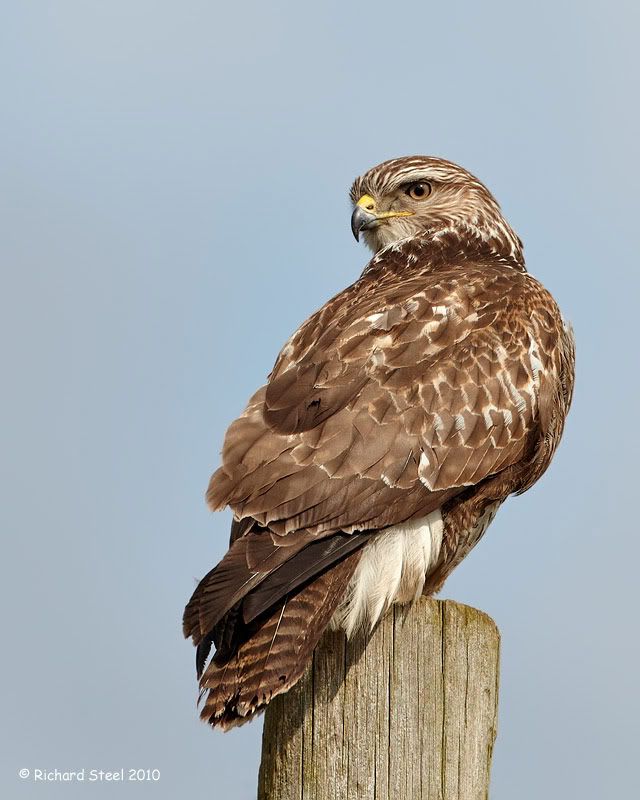
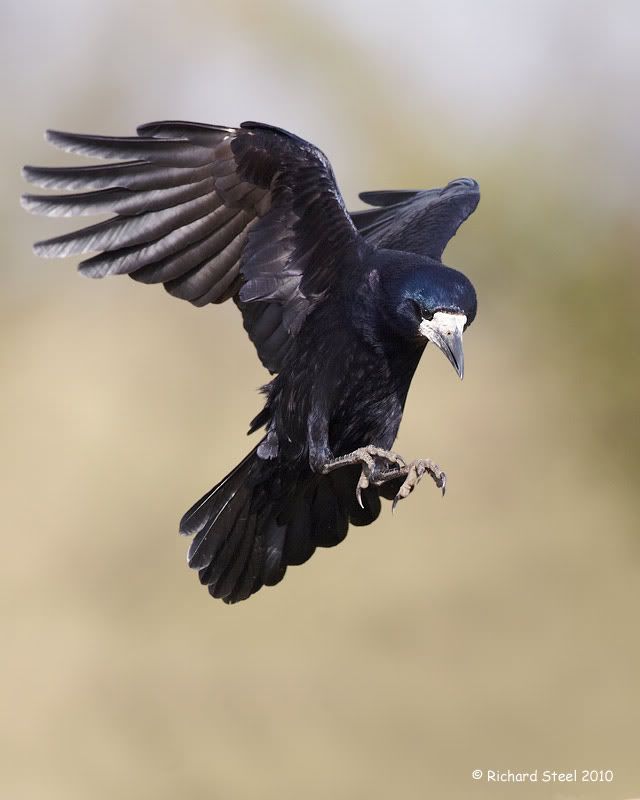
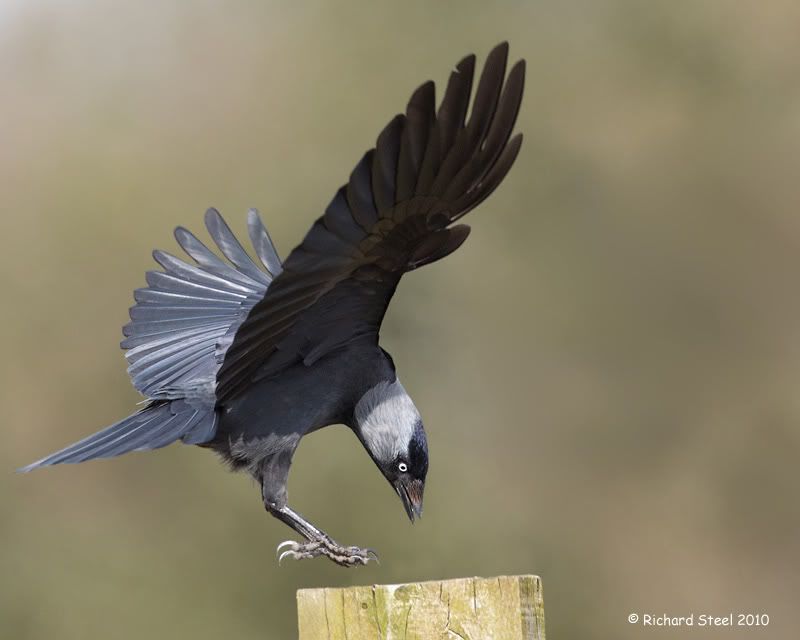
Moving across to the Farmland habitat, the office where I work is surrounded by fields and currently hundreds of bleating lambs. The are a number of birds that are resident that allows me to undertake short sessions during my lunch hour. These include a large mixed flock of rooks and jackdaws and the occasional buzzard.
The opportunities to photograph the wary buzzard are seldom but a joy when they happen.
Photobucket

Photographing rooks under the lunchtime sun presents some tricky exposure issues.
Photobucket

A Jackdaw taking carefully landing on a fence post.
Photobucket

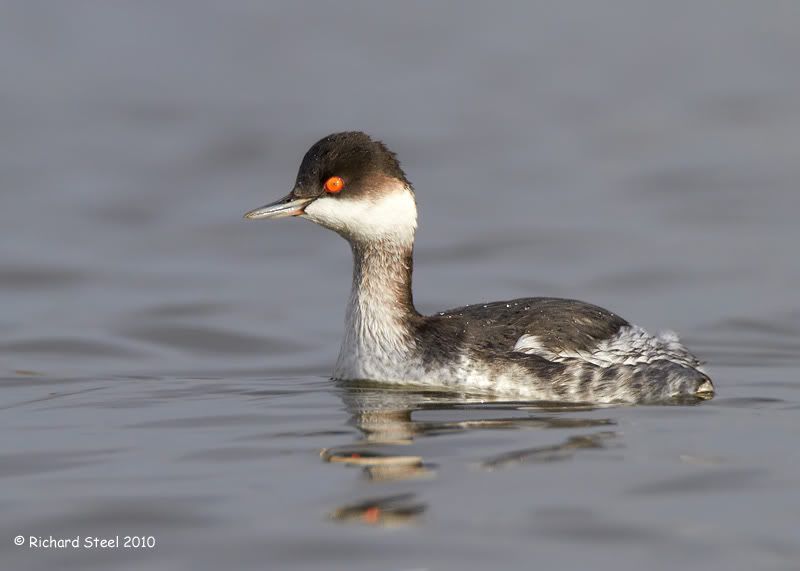
Moving down to my local coastline. A Black-necked grebe was being report as taking of temporary residence on one of the large local marine lakes. It proved a tricky customer to photograph but perseverance won out eventually. I ended up lying on the ground on the lake margin and was fortunate when the bird with the spooky eyes popped up a close range after one of its foraging dives.
Photobucket

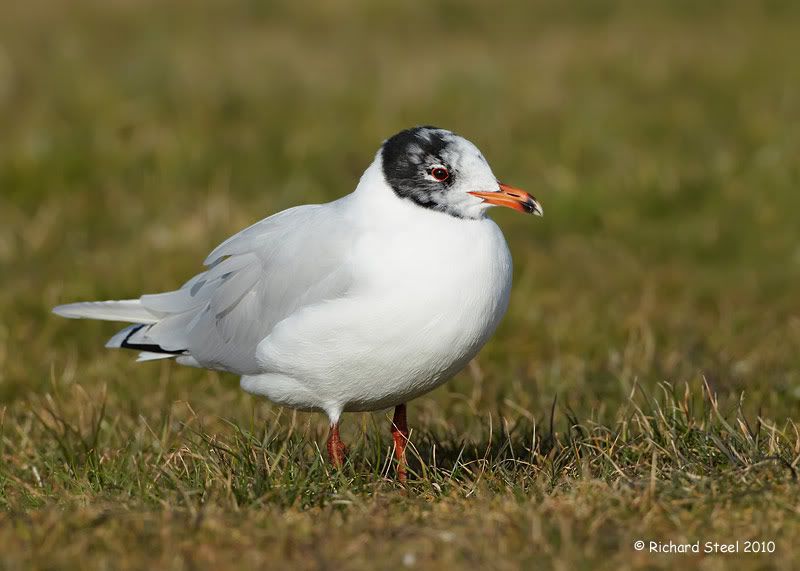
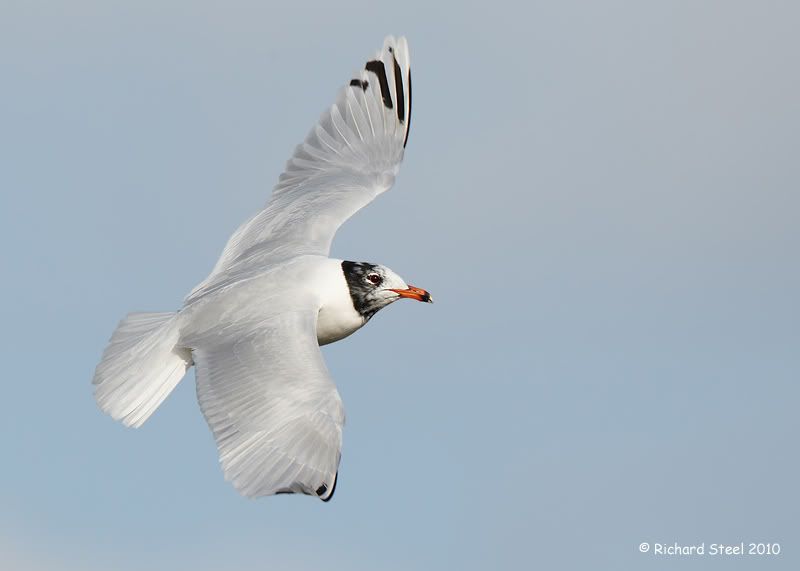
I also caught up with the second winter Mediterranean Gull that has been lurking locally for a couple of months. It is rapidly progressing towards full summer plumage. It was not quite in summer colours when I found it and I hope it will stay around for another couple of weeks for the feather transformation to become complete.
Photobucket

Photobucket

I will finish this post with some waders who will be soon heading northwards to their breeding grounds where I hope to catch up with some of them again with a trip I have planned to Arctic Norway in June. The following photos were taken during the recent big spring tides when the birds are forced to take refuge on the local sea defences at high water.
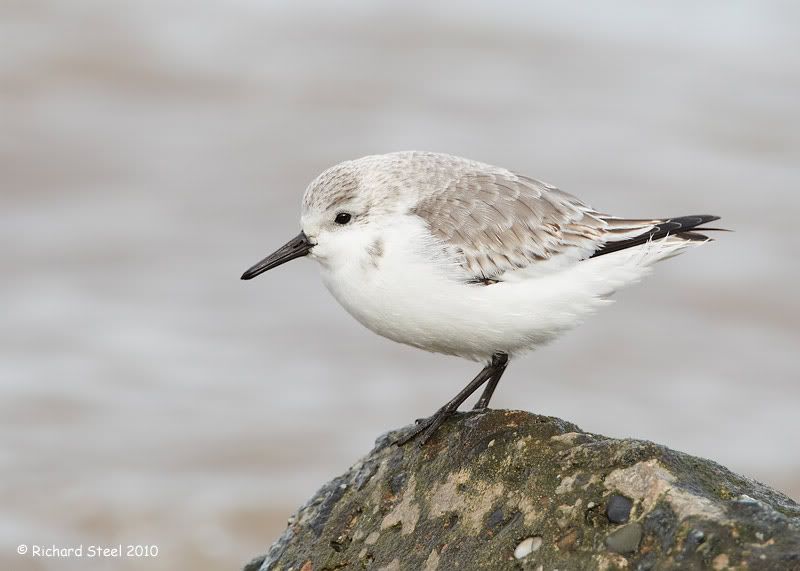
The rare sight of a stationary Sanderling
Photobucket

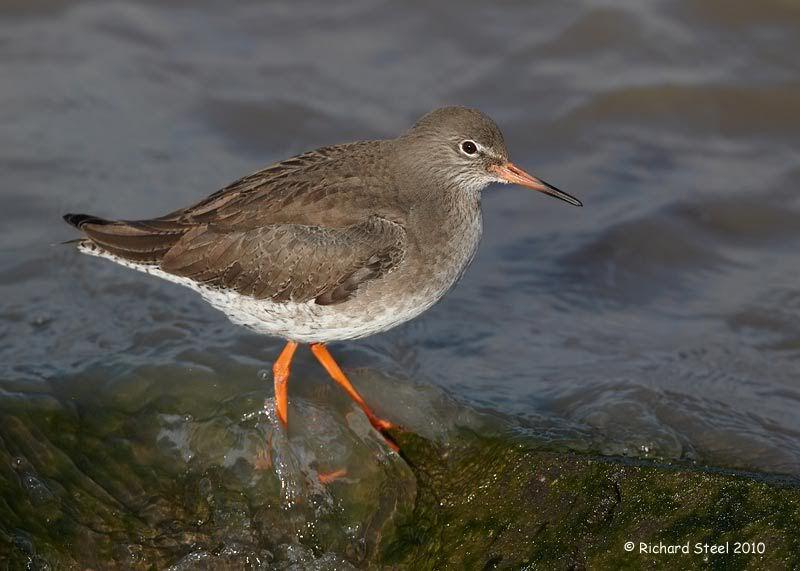
Wading Redshank
Photobucket

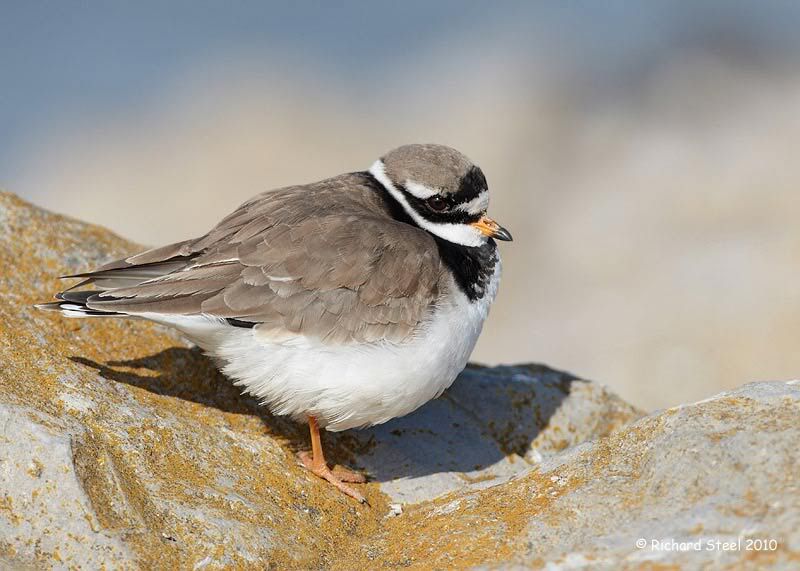
Resting Ringed Plover
Photobucket

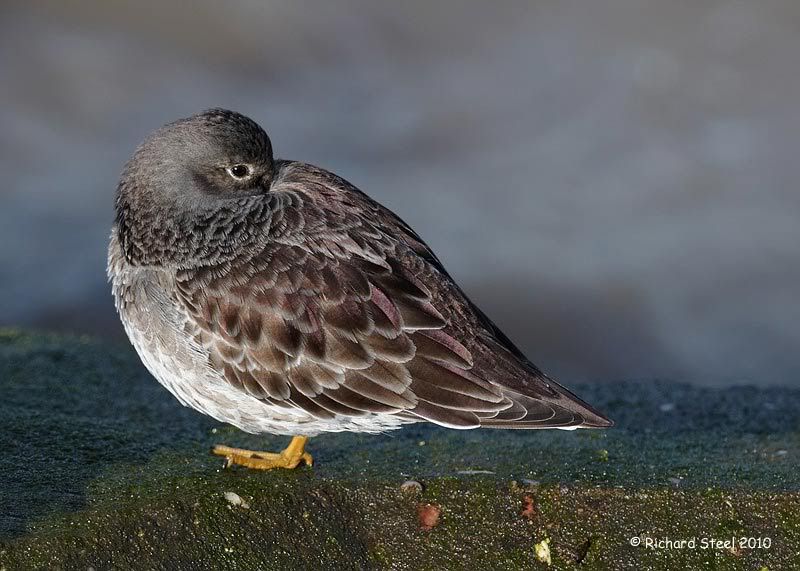
It is not until the light is at the right that you can see where the Purple Sandpiper gets its name.
Photobucket

Friday, January 22, 2010

Doctor's Orders

Photographing wildlife can put a fair amount of strain on the body. Anyone who has ever tried making a commando crawl with camera gear across estuary mud for wading birds will certainly know the aches and pains that can result a couple of days later. Often you need to adopt awkward positions with a heavy camera, to get the angle on the subject, whilst staying still for long periods which can play havoc with some muscles. The upshot of my recent photographic exploits have left me with intense pain down the right side of the neck that doesn't seem to be improving and so I headed to the docs. The Doctor's orders were ..'no photography for two weeks' and not the 'you should take a long holiday somewhere exotic with your camera' that I was hoping for. The withdrawal symptoms are already setting in but softened by the poor weather and light.

I do have a bit of a backlog of photographs and so will be able to keep with regular Blog posts while I recover. The set of images for this post were taken on New Years Day. I always start the year with a clean slate and as if I have never photographed anything as it gives you fresh eyes even for the very common. I also like to start with a productive first session and headed off with my friend Steve down to the Midlands for the day. The roads were quiet and I was hoping for a peaceful day, not really thinking that later everyone would be out in the sun walking off their hangovers! Despite the disruption it was a fun start with a good variety of tit species to photograph.
A tiny bird that requires some quick responses with the camera, the Coal Tit
Photobucket

At the other end of the tit size scale, the Great Tit.
Photobucket

The Blue Tit, which really are beautiful birds when you stop and take time to look at their colours.
Photobucket

A group of Long-tailed Tit fluttered through quickly but just as the sun disappeared behind a cloud.
Photobucket

One of the birds I had travelled to target was the Willow Tit. These hyperactive birds are always tricky to photograph.
Photobucket

Photobucket

The other bird I was hoping to photograph, the Yellowhammer, did not show very well due to the number of people walking around with only this less colourful female bird appearing.
Photobucket

LinkWithin

Related Posts with Thumbnails