Showing posts with label Common Redstart. Show all posts

Thursday, August 26, 2010

Last of the redstarts

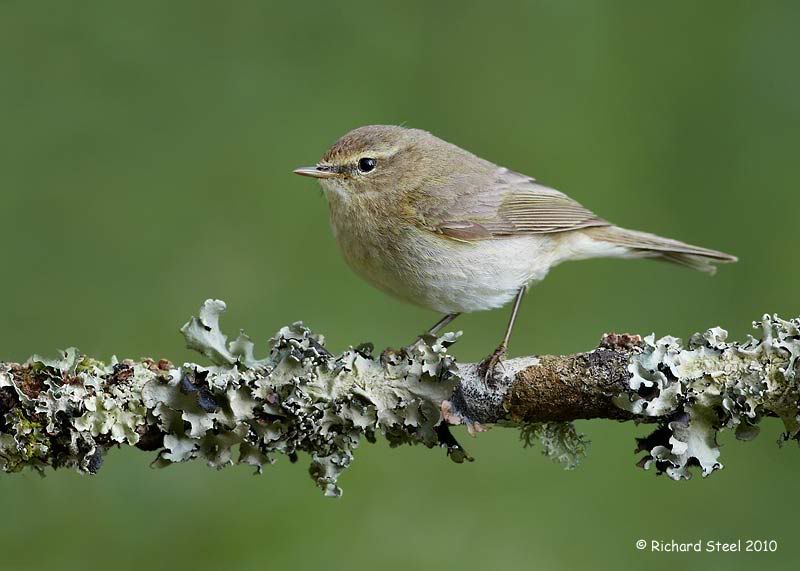
Before heading off to the Arctic at the beginning of June, I decided on the weekend before that I needed to try and squeeze in one last session with the pair of Common Redstarts I had been photographing. Timing is critical for these summer woodland visitors as the window of opportunity for photography tends to be a narrow one. I figured the young would have fledged during the week before my trip and that it was likely to all be over by the time I returned with the birds melting away with their young in to the local woodland. Therefore this session was going to be my last opportunity for this year. Fortunately the weather was kind and both birds were very busy feeding their rapidly growing brood. Before getting started on the Redstarts I had an unexpected bonus when a Chiffchaff landed right in front of me.
Photobucket

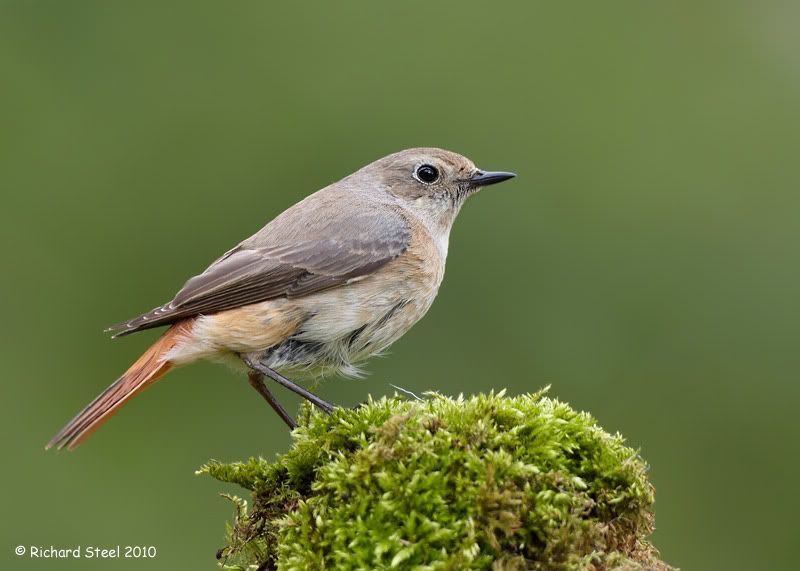
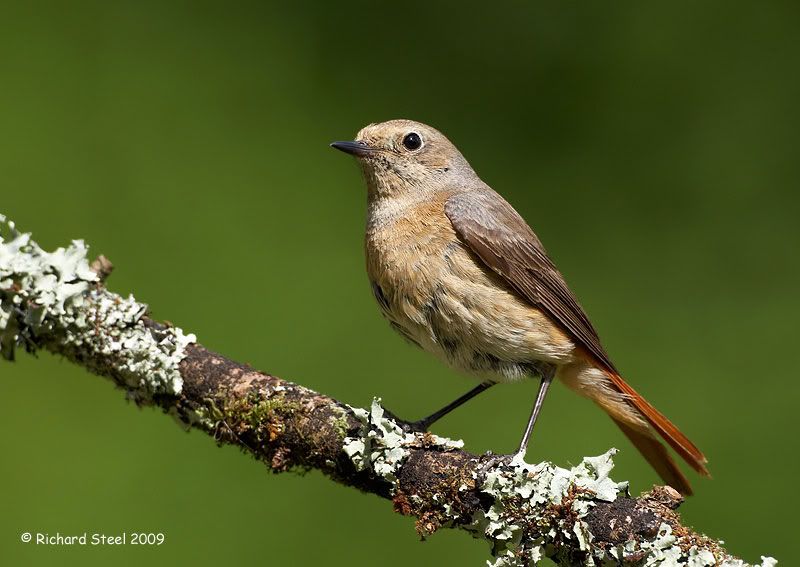
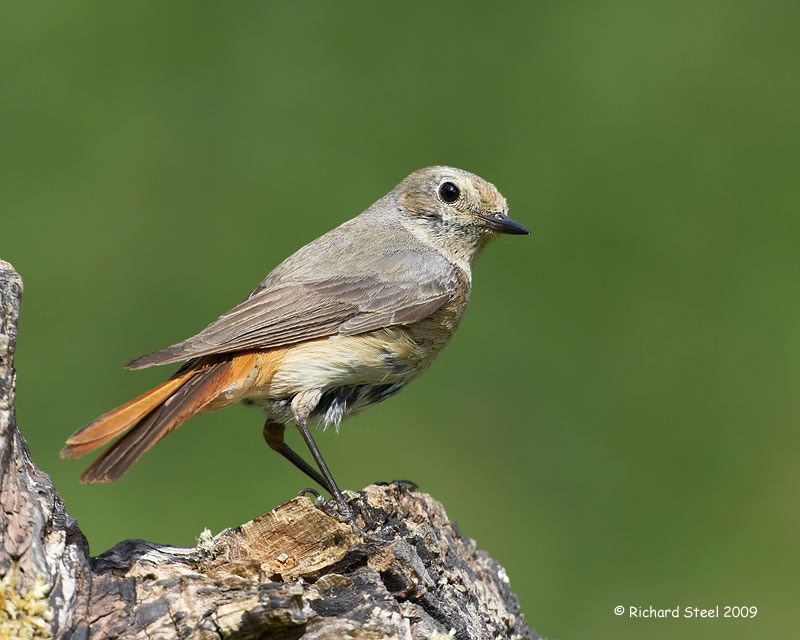
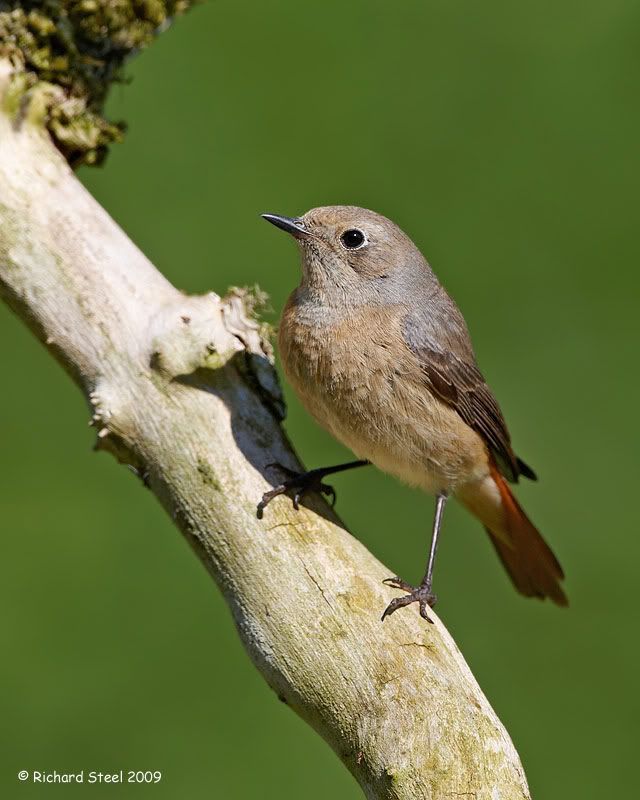
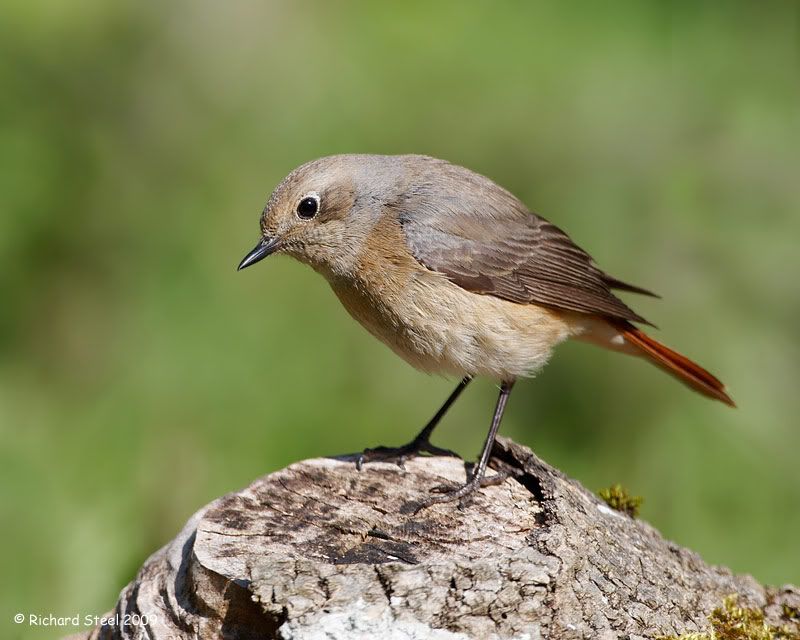
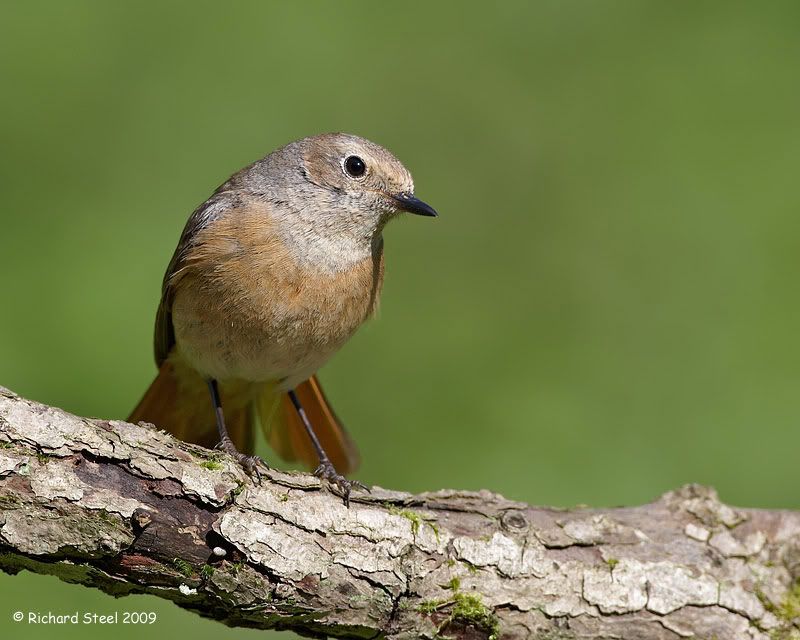
From then on though, it was Redstarts all the way in what proved to be a productive session. I would not like to say how many Redstart pictures that I have in my library but I could never tire of photographing these wonderful birds. What the female may lack in colour, in comparison with the male, she certainly makes up for in character with her inquisitive ways.
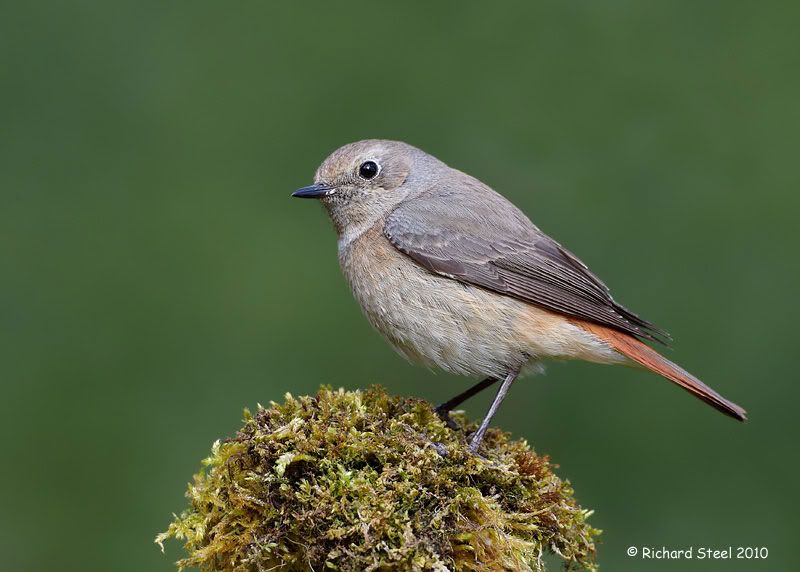
Photobucket

Perched on some hawthorne which seems a favoured place to find insects.
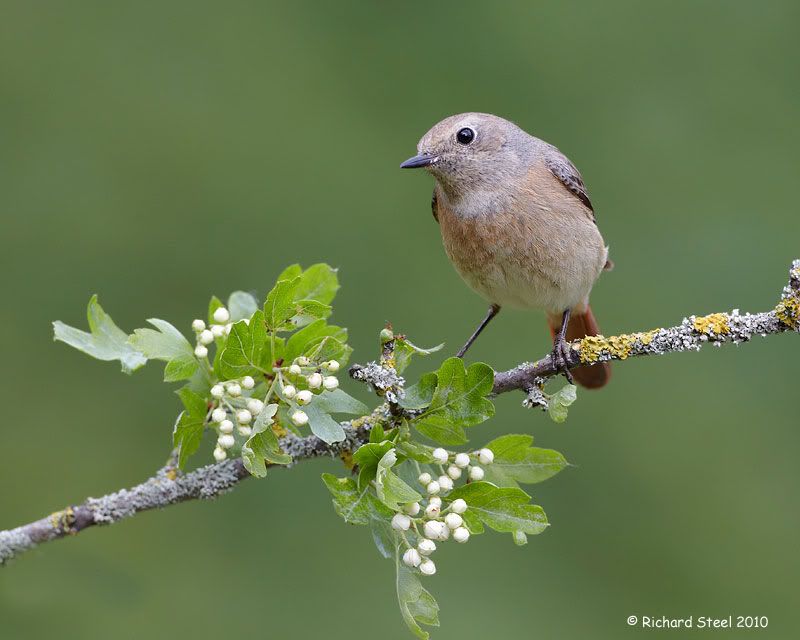
Photobucket

A splash of colour from those constantly twitching tail feathers.
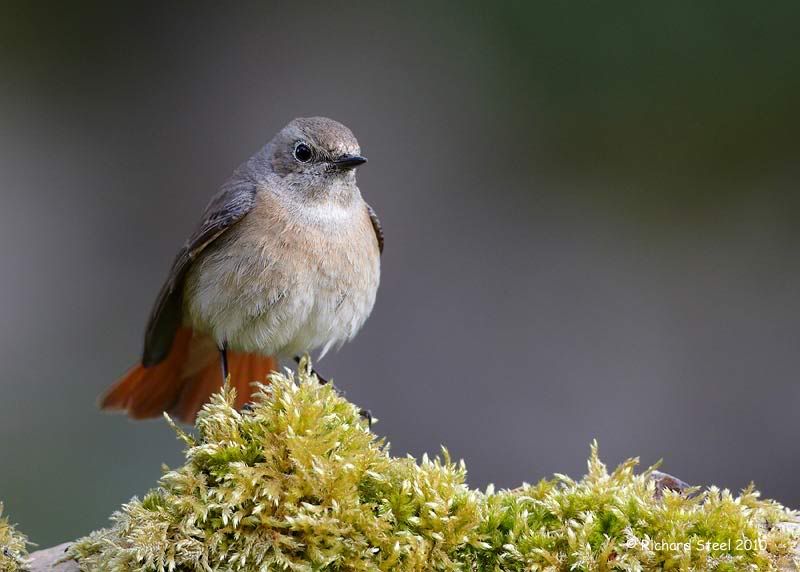
Photobucket

An investiagtive look at the new object (which of course would be me!) in their world.
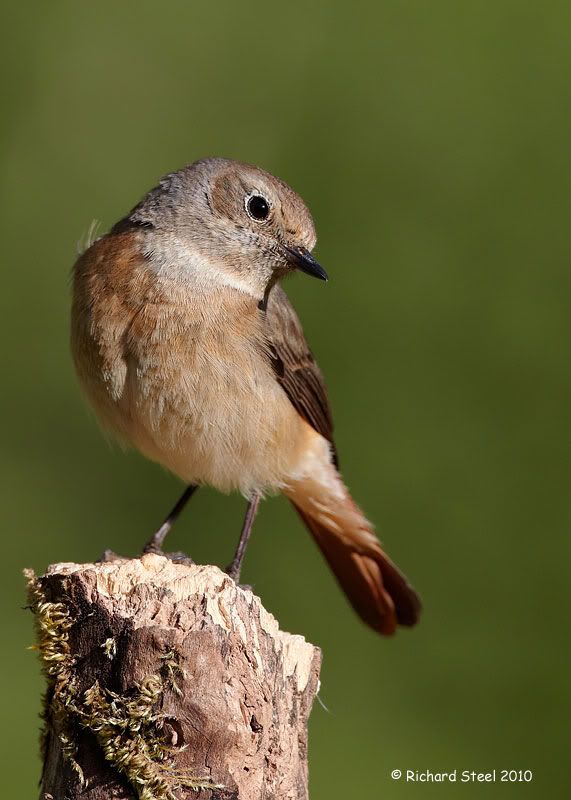
Photobucket

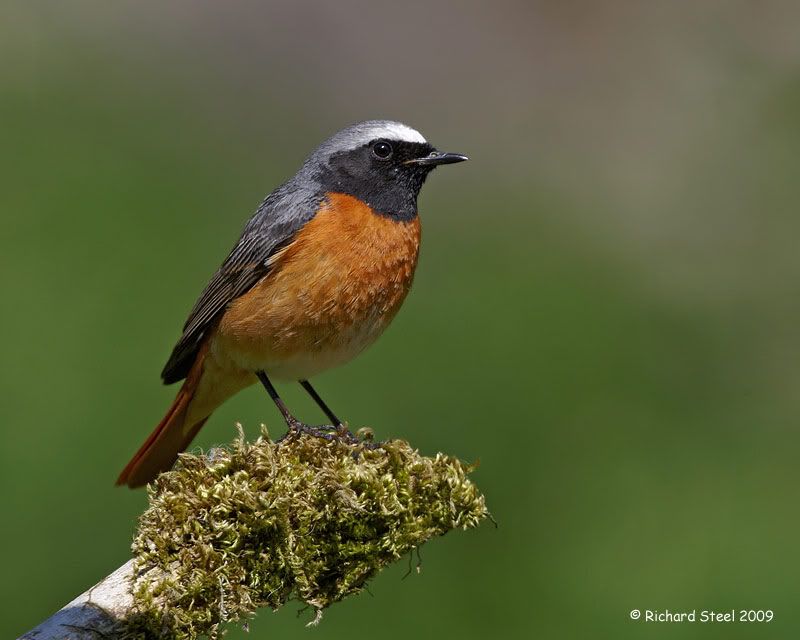
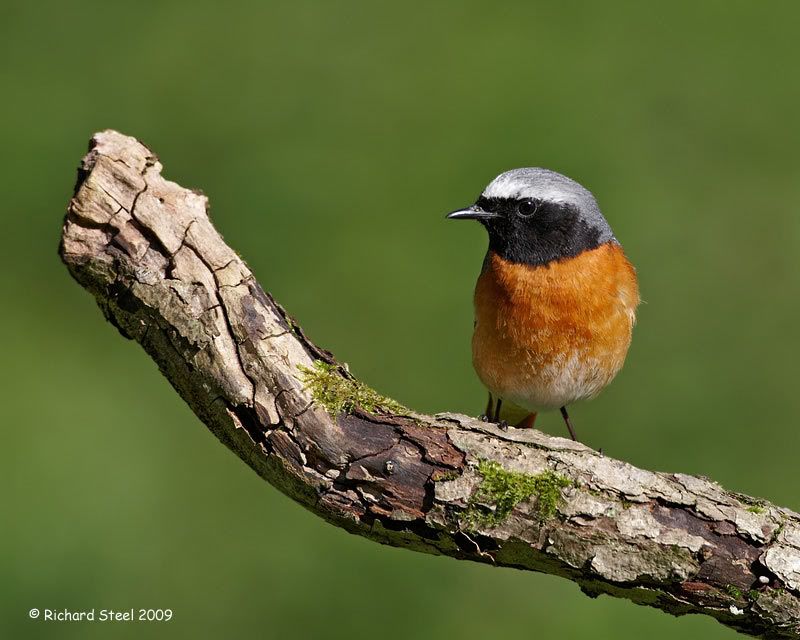
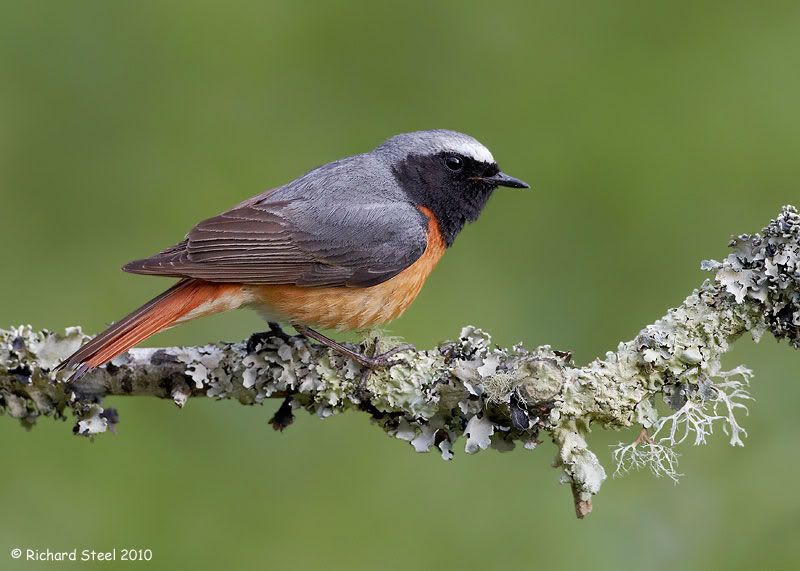
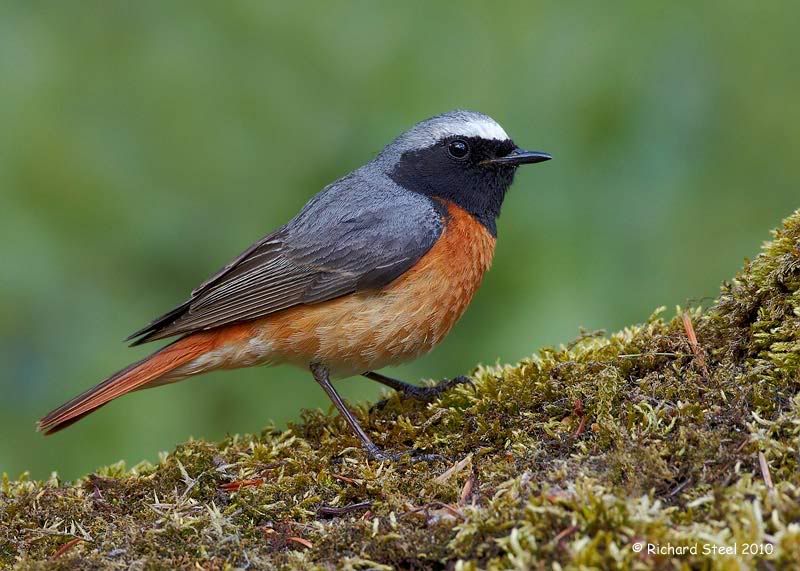
Conditions were quite tricky for photography, as although the light was generally good, the rapidly moving clouds overhead in the moderate breeze kept me constantly busy adjusting the exposure to the ever changing light conditions. The black and brilliant white cap of the male’s head providing the usual exposure challenges.
Photobucket


Photobucket
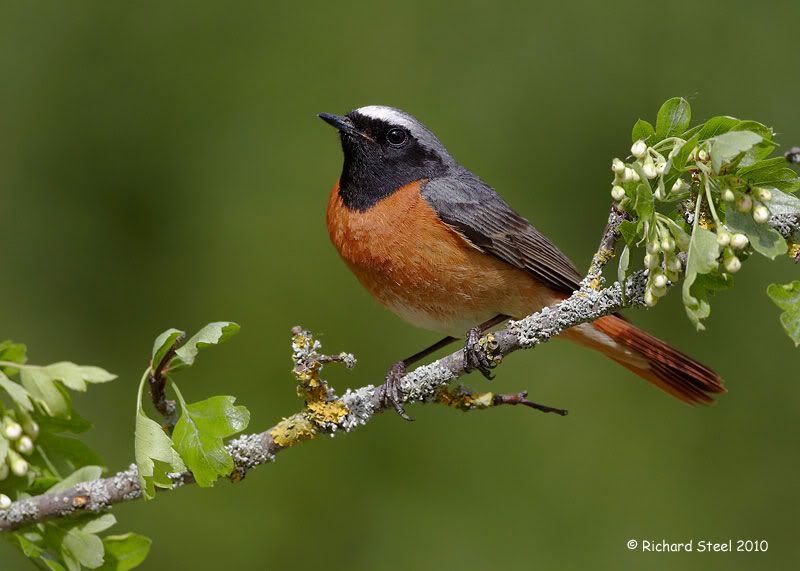
The males are such stunning birds. If you think of a technicolour European Robin with a constantly twitching tail then you would gain a good impression of their behaviour.

Photobucket


Photobucket


Photobucket

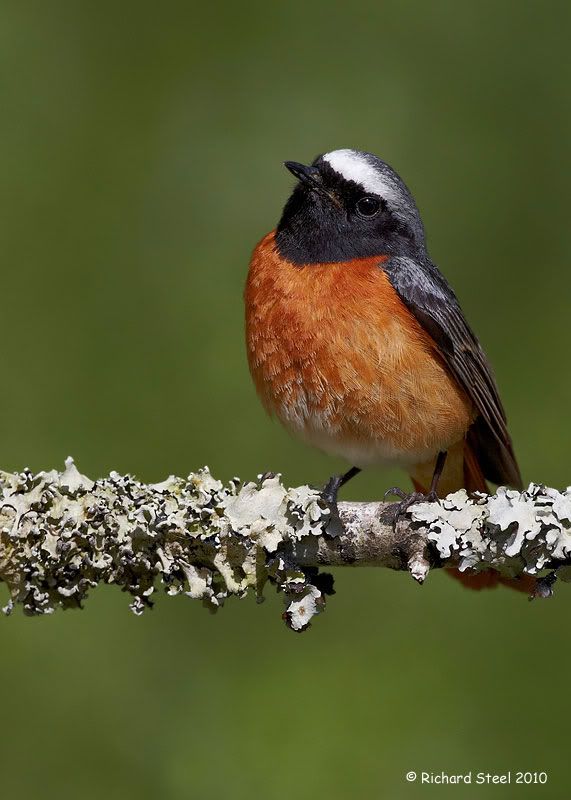
So I left the birds reluctantly around lunchtime and wished them and the brood well on their long and difficult journey back to Africa. Farewell my 'friends' and good luck with your passage.
Photobucket
Hopefully some will return again next year to the same place to give such pleasure once again.

I realise there has been a lot of Blog posts on birds recently so my next two will be dedicated to some mammals.

Thursday, May 27, 2010

Western Oak Woods

If you gave me a a choice to go in photograph birds in any woodland in the UK, the is one type that stands way above the rest. The Western Oak Wood in Spring. These wonderful ancient places with their twisted sessile oaks shrouded in moss and lichens explode in to life for a short period with the arrival and breeding of the three typical summer migrant bird visitors. As you sit in one of these woods, apart from being chewed by the local insects, you can almost feel the place vibrate with the frantic bird activity. The three birds are in my opinion some of the most beautiful small birds to regularly visit the UK and to have them all present in on place is particularly special.

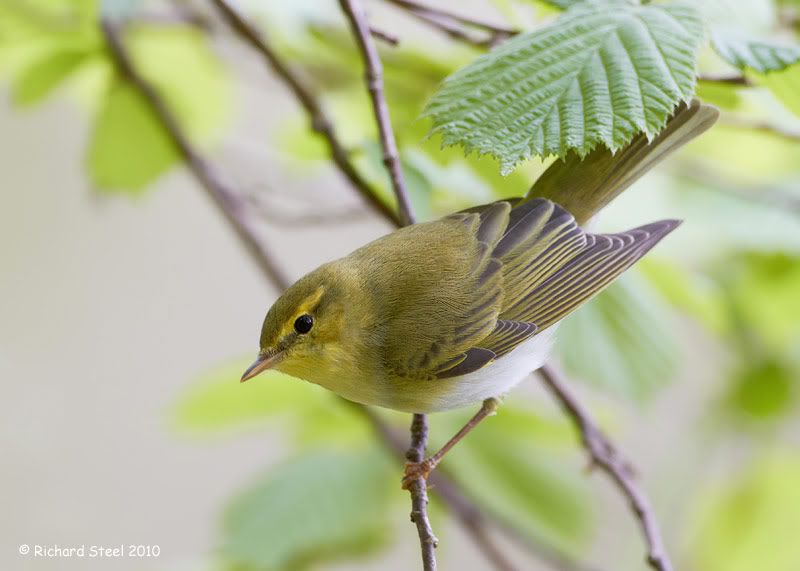
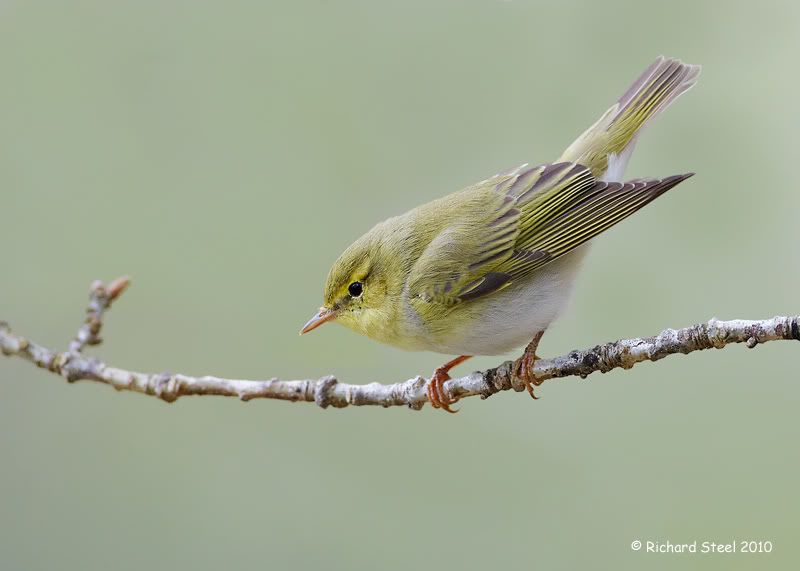
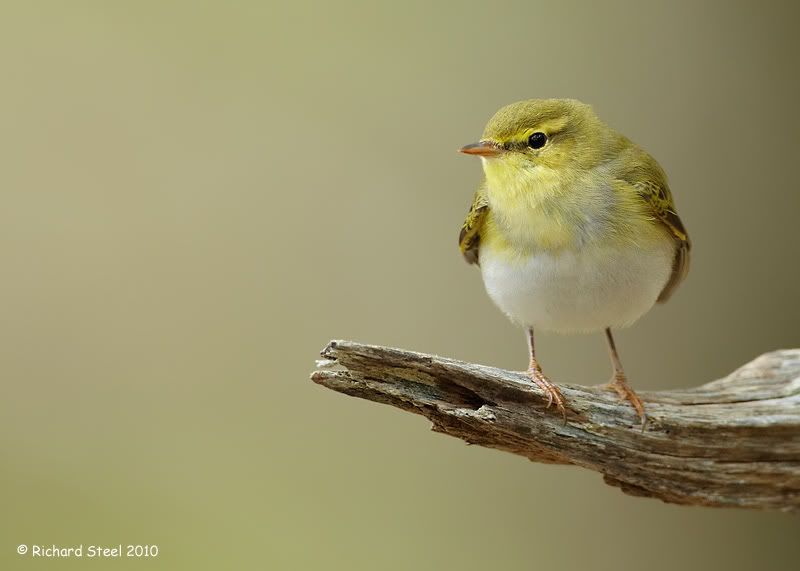
The first of the trio, the Wood Warbler, is probably the most diffcult to photograph as it tends to favour the high tree canopy where it continually bursts in to atmospheric accelerating trill which is then followed by descending mournful notes. Aptly named as one of the group of 'leaf warblers'.
Photobucket

Occasionally you will come across a more obliging bird that comes lower down.
Photobucket

On these occasions the birds always seem to be slightly inquisitive.
Photobucket

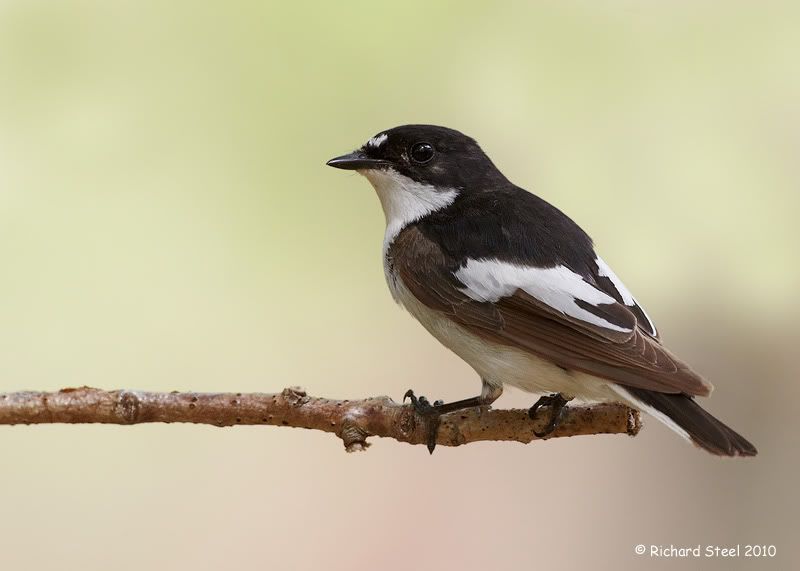
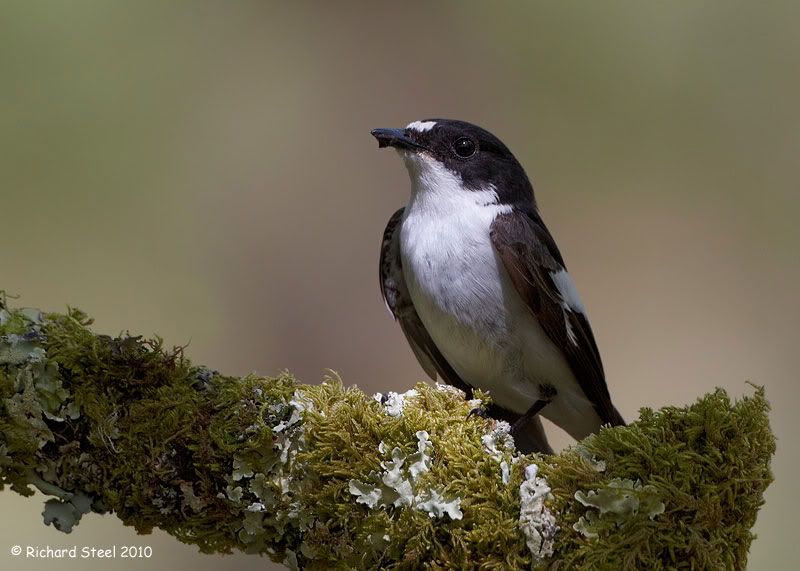
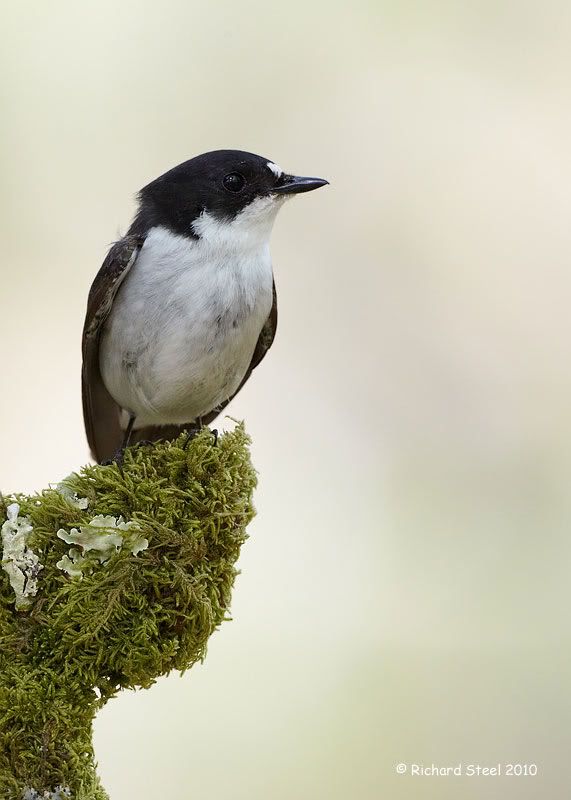
It is the males of the next species, the Pied Flycatcher, which often catch the eye as a tiny monochrome bird drops from the tree to the ground to grab a caterpillar.
Photobucket

From my experience the male birds are generally easier to photograph and tend to sit in a spot longer than the females. A shaft on sunlight breaking through the leaves overhead just spotlit where this male was perched.
Photobucket

Another male on a typically moss covered fallen branch
Photobucket

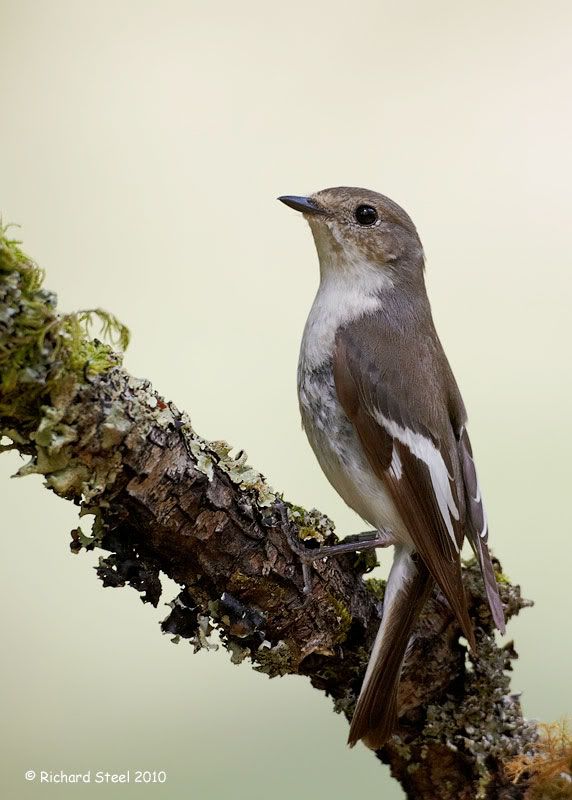
The female is less striking with her brown colours but still a visually appealing bird with those large eyes.
Photobucket

The final bird of the trio, the Common Redstart, is a bird for which I have a great deal of affection. I have spent a great many hour photographing them, the results of which has built in to a very large library of images. However, I can never grow tired of photographing this species. They are surprising similar to a robin but with a constantly flicking red tail which is often the most obvious feature when one flies past.

A female taking a short break from nest sitting duty as revealed by her ruffled belly feathers.
Photobucket

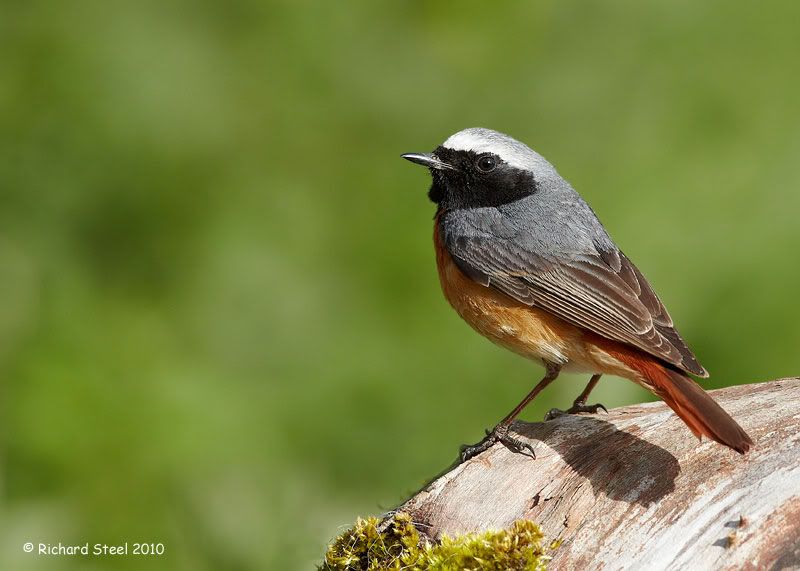
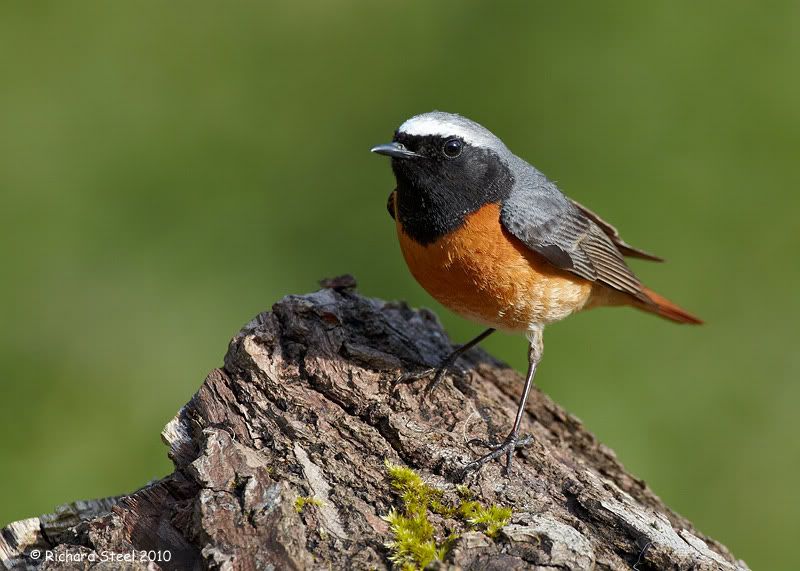
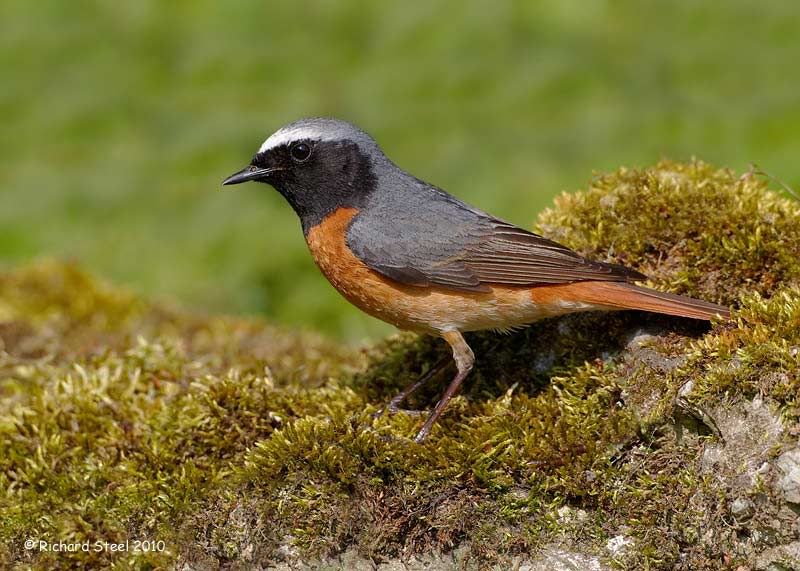
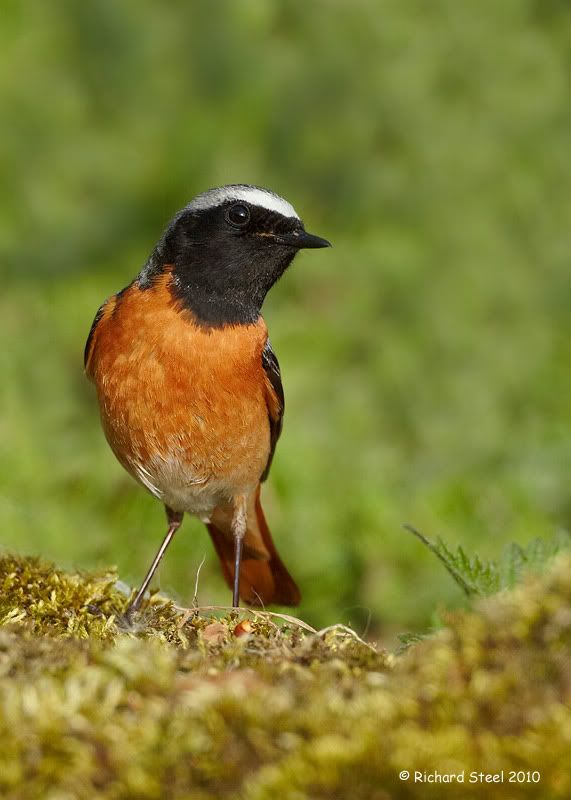
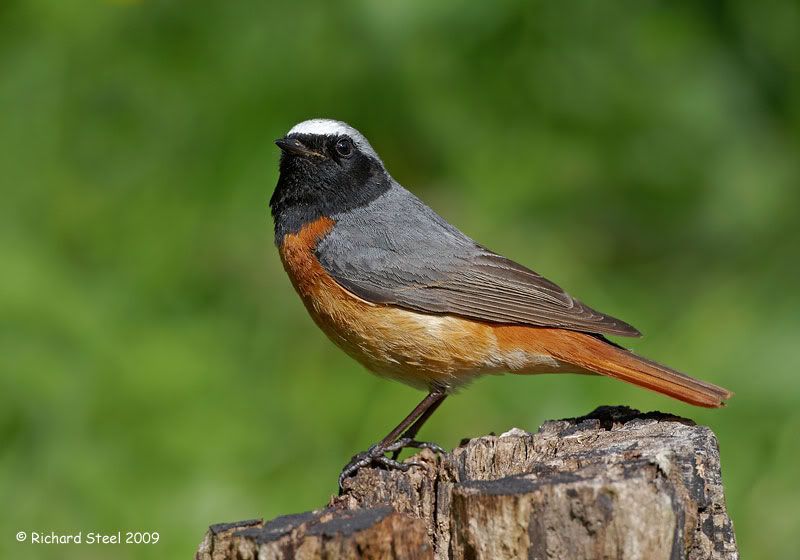
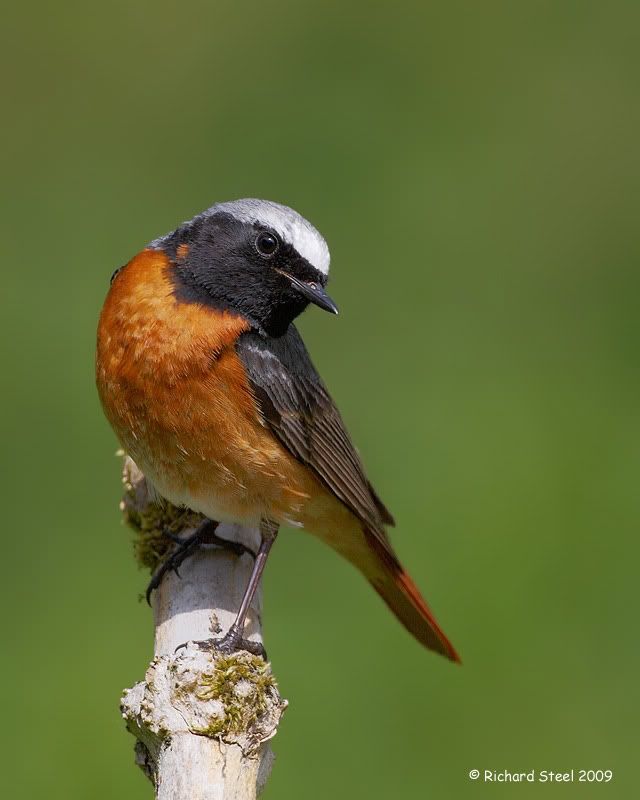
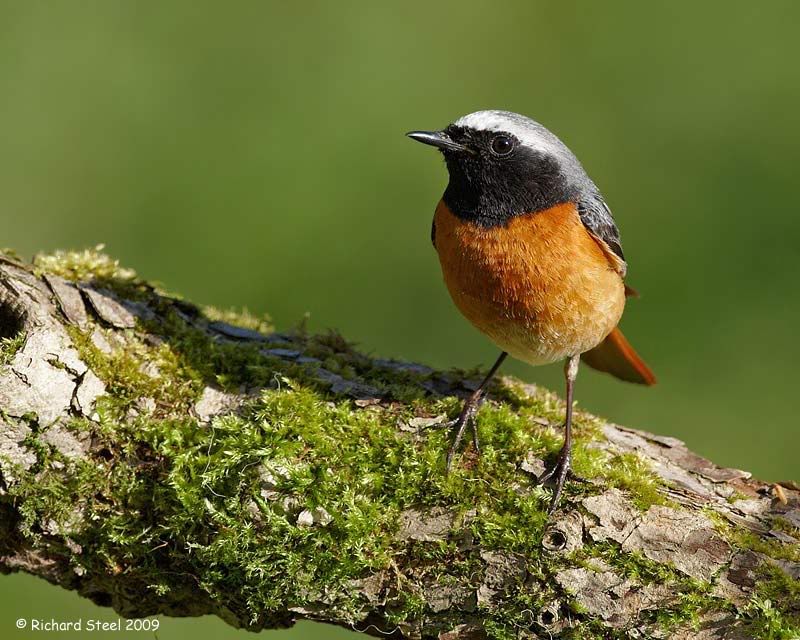
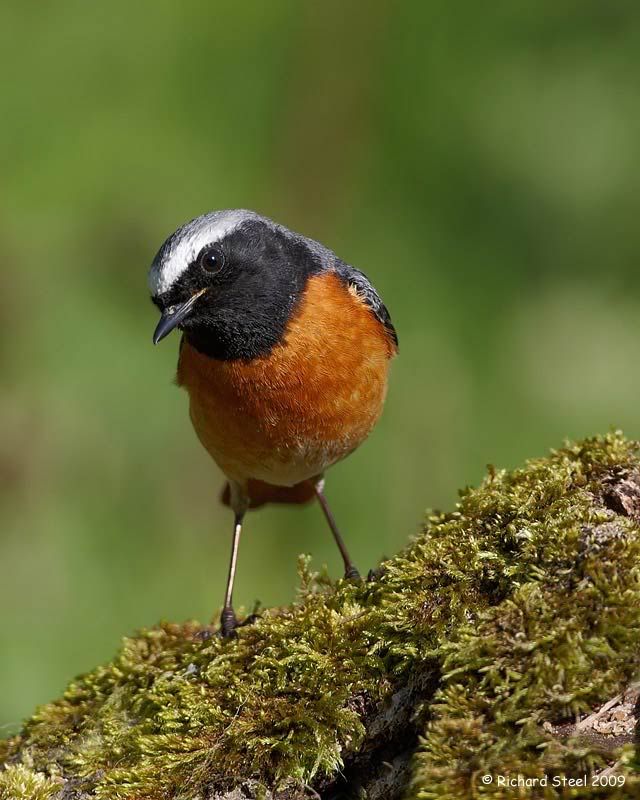
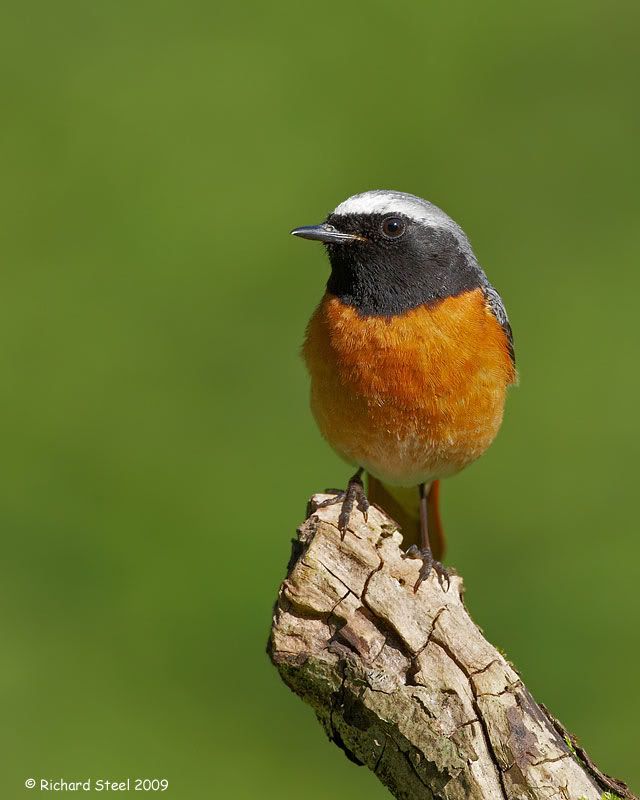
The male with his superb combination of colour. A brilliant white forehead, set in black leading in to a slate grey back and red tail. When you first see a male up close for the first time through the lens it makes you stop in you tracks.
Photobucket

Photobucket

The males are also quite inquisitive if they suspect you are there but cannot see you.
Photobucket

I cannot think of better way of spending the days of May than in such fine company and wonderful surroundings and I am sure next May will see me turning the camera towards these species once more.

Sunday, September 06, 2009

Competition Win

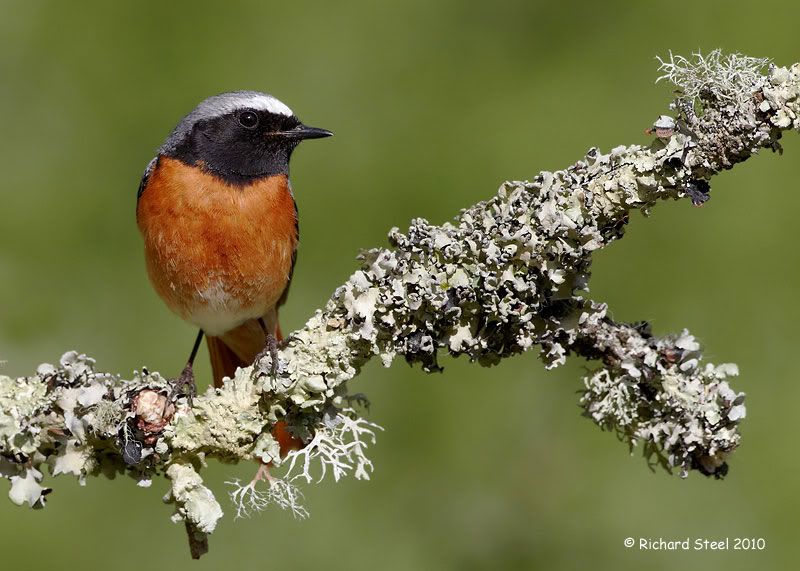
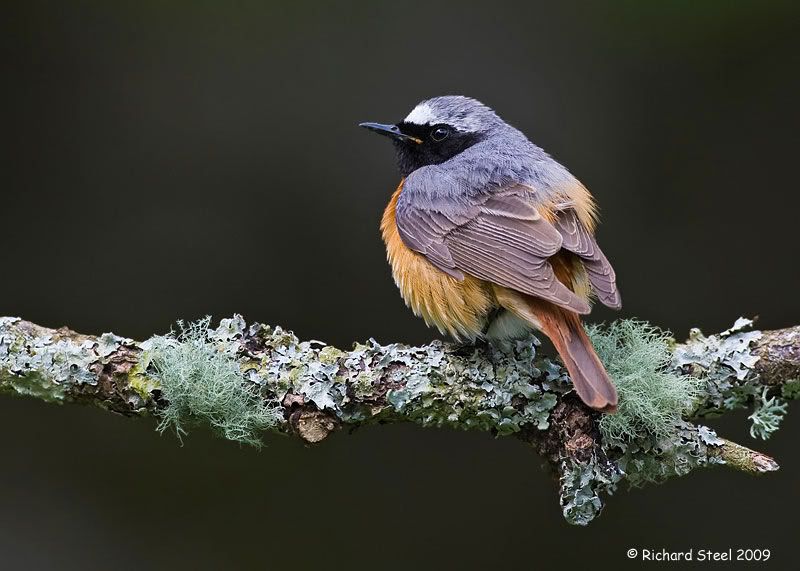
I recently entered a photography competition run by the North Wales Daily Post in conjunction with Airbus. The theme of the competition was to submit a photo that represented the biodiversity of North Wales. As I have spent quite a bit of time in North Wales photographing the woodland summer migrants that are typical of the sessile oakwoods of the area, I thought it worth entering. The choice of which photograph to enter was quite difficult and fell between pied flycatcher, wood warbler and common redstart. I settled on a Common Redstart on a lichen covered branch which is typical of these oakwoods. The photograph won the competition and part of the prize is that the image appears within the exhibition of Joel Sartore, a National Geographic Photographer, that has just opened in Llanberis. It makes all those hours of quiet waiting even more worthwhile.

Here is the winning photo.

Photobucket

Thursday, July 02, 2009

Return to the Redstarts

I recently decided to have one more session with redstarts. As usual the male quickly put in an appearance. He really is a beautiful bird in prime condition.
Photobucket

He was closely followed by the female.
Photobucket

On this particular session I decided to play around with a 25mm extension tube which has been rattling around neglected in the bottom of my camera bag. The extension tube gives some magnification effect to the lens. The longer the lens the less the magnifying effect but it is still noticeable on the 500mm. This effectively leads to the bird appearing larger within the fame and so the bird occupies a greater number of pixels and as such detail should be improved. The real benefit of the extension tube is that unlike a teleconvertor they contain no glass so there is nothing to reduce image quality, although you do lose a little light with their use.
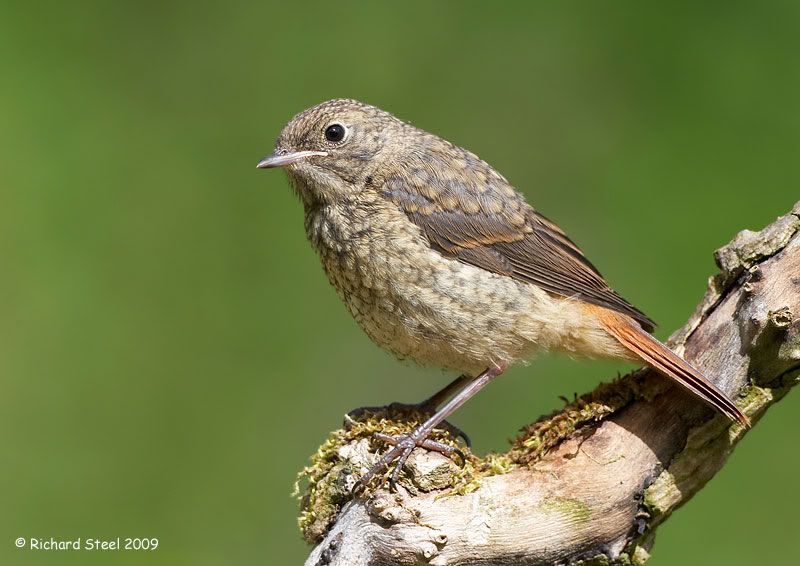
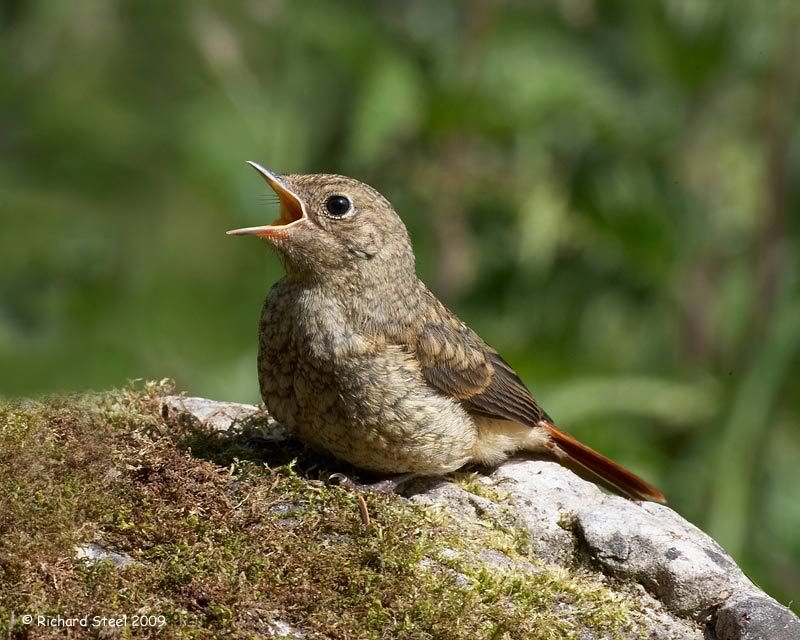
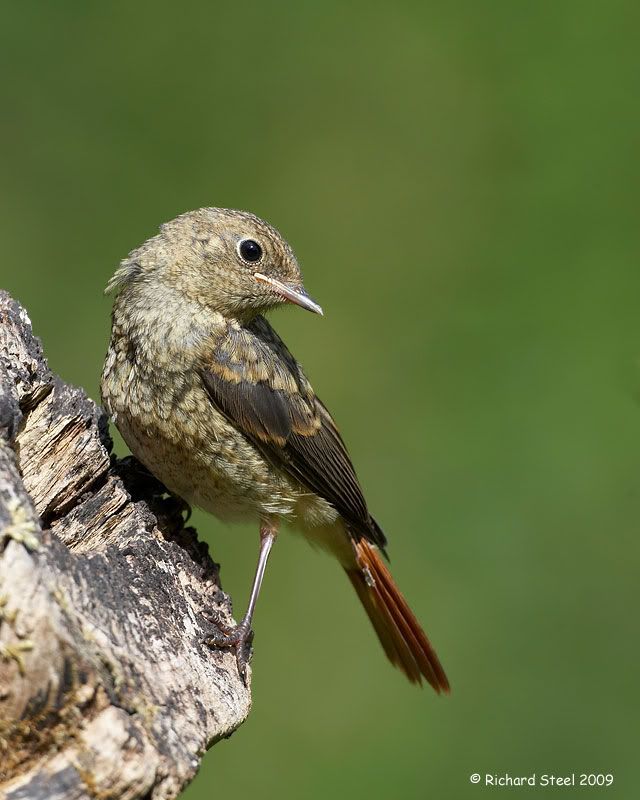
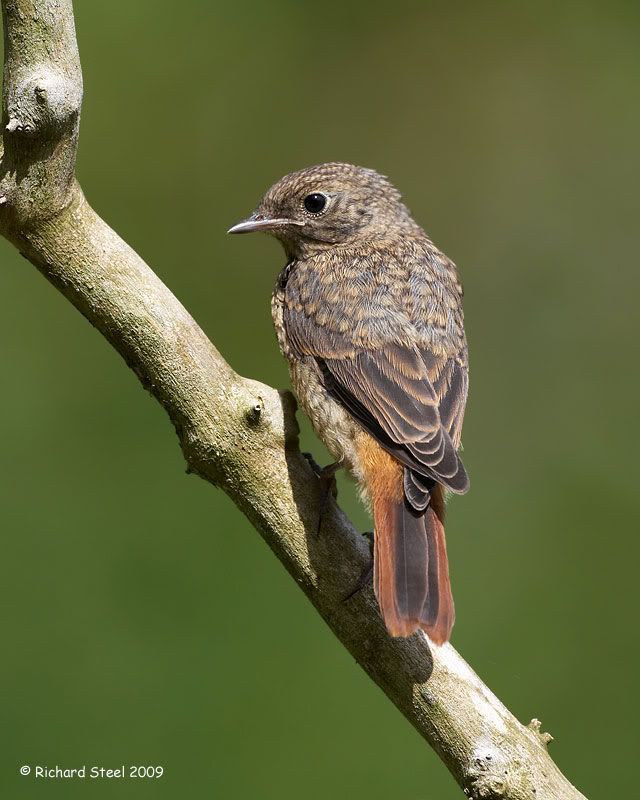
The real joy of the session was the appearance of three recently fledged young which I have not really had opportunity to photograph properly before and it was great to see the adults had a successful brood. The young redstarts are virtually identical to a young robin except they have a red tail.
Photobucket

Photobucket

They were certainly looking healthy and very active
Photobucket

Photobucket

So I suppose its time to bring the redstart story to close for another year and I will finish off with one last photo of each of the adults.
Photobucket

Photobucket

They all have a long journey ahead of them soon with their trip back to Africa for the winter so here's to wishing them good luck on their voyage.

Sunday, June 07, 2009

Redstarts

After taking wildlife photographs for a couple of years you start been up a mental calender of which species can be found at different sites throughout the year. The period at the end of May running into June always signals to me it time to try and get some Common Redstart photographs. Despite having a large library of redstart photos I was drawn back once more to having another try for them this year as they are such beautiful and charismatic birds.

As I walked up to the site various thoughts were running through my head as whether it would be the same male bird as last year which had a drooping wing and wondering if he had survived the long autumn migration to Africa and back again. A pair of birds were quickly located and it turned out to be a different male but I could hear two other calling close by so one may be 'floppy wing'. I have a couple more sessions planned with them in the near future so it will be interesting to see if that particular birds puts in an appearance.

Starting off with the female.
Photobucket
A very busy bird which was constantly looking for food to feed her brood in a nearby nest.

Photobucket


Photobucket

The male bird this year is a real stunner in excellent condition.

Photobucket
The males are actually quite difficult to photograph and get a correct exposure on with their black head and gleaming white forehead. and its a balancing act with the camera settings trying to achieve detail in both.

Photobucket


Photobucket


Photobucket
There will hopefully be some more photographs of these birds, and possibly with some fledglings, being posted in a couple of weeks. I was going to head back out to them this morning but the weather seems to have fallen back in to its usual UK summer conditions of rain!

Photobucket

Sunday, June 08, 2008

More Redstarts

My apologies for the lack of posts over the past few days but I have been away photographing sea birds. While I am busy ploughing through the images I thought it would be an appropriate time to post some more redstart photographs. Starting off with the female.

It looks like they are feeding young and busy flying around the area collecting various insects. In this case a spider heading for some hungry beaks.

The female is a bit of a poser.
The male in one of my favourite poses for this species, that fluffed up over the shoulder look.
As inquisitive as ever
While waiting for the redstarts, a Dunnock and male Great spotted woodpecker have kept me entertained.

Saturday, May 24, 2008

Meet the Redstarts

A pair of redstarts have appeared in the same place as last year, so I intend to spend some time with them over the next few weeks. I believe the female may be sitting on eggs at the moment as her appearances are brief, and both birds are not frantically collecting insects to feed those insaitable gaping mouths back at the nest.

My first visit was very early in the morning, creating some strong side lighting on the female perched one of my target branches.
Later the sun moved round and started to light the background.
Curious as usual. The male has been less confident with my presence at first, but seems to have totally settled down now. Always great pleasure to have one of these stunning birds in front of the lens at close quarters.
Hopefully I will be able to post more photos of the pair, and with luck some young, over the coming weeks.

LinkWithin

Related Posts with Thumbnails