Showing posts with label Captive Birds. Show all posts

Sunday, April 13, 2014

Buzzin Round the Zoo

Now and again I like to make a visit to my local zoo at Chester. Is is a very good zoo and they a operate a large number of  important conservation and education programmes. This zoo holds many fond memories as it is one of the places I taught myself photography. I use to have a season ticket and so would pop in for an hour or two and go and spend some time at a particular enclosure. I think this zoo provide me with a valuable education as overcoming the constraints of the enclosures to produce natural looking images, taught me to think carefully about my position and how it effects the setting and composition and the importance of backgrounds. This is still important in my wildlife photography.  In those early days I would often rush around the zoo wanting to photograph everything, these days I take a more relaxed approach on my visits.

I prefer to visit in the winter when the zoo is quieter and if the sun shines it is softer. Mind you the low sun angle can create some awkward long shadows across the enclosures. This post is about two visits I have made in the last 6 months. The first was a brief afternoon back in November when I dropped my better half off in Chester to meet some friends for some retail therapy whilst I had a couple of hours wandering the zoo. High Street shops or looking at exotic animals, well there is not much competition there really.  So here are a couple of images from that first trip.

An adult cheetah prowling its large enclosure and one of the three youngsters rim lit by the low winter sun.
Staying with the big cats, the male Asiatic Lion nearly always provides some good photo opportunities, when he is awake, with this one given the black and white treatment.

Photographing in the monkey house is always difficult due to the limited light but can produce some interesting images with a bit of patience.

Crested Macaques

The dominant male Mandrill. I have always been fascinated with these large monkeys and found myself transfixed watching this one wandering what was going on behind those eyes.

Mandrill

My second visit was quite recently and unusually an all day one. My very good friend Andy Rouse, together with Andrew James, recently set up a very interesting photography website called Fotobuzz. They have tried to create something different and have put in a huge amount of work in to creating a very slick website with strong feeling of community and fun that is aimed at improving people's photography. I have been contributing to this on a monthly basis in a section about days out with your camera. Really it would take me far too long here to explain so here is a link Fotobuzz , if you want to see what it is about. This trip to Chester Zoo was the first Fotobuzz meetup with around 40 members from all over the UK attending. Given that it was just down the road I promised I would call in to help out. After an initial talk, accompanied by some coffee and pastries, about zoo photography, Andy went on to show some images and provide some background on his latest wildlife photography projects. Before being let lose with their cameras around the zoo, some help was given to people who had queries about setting up new cameras. A great day was had by all and I am sure many learnt some new techniques. There was certainly plenty of smiles when we all congregated together at the end of the day before departing. A few images from my wandering around the zoo that day are below.

Asiatic male lion again, this time in colour.

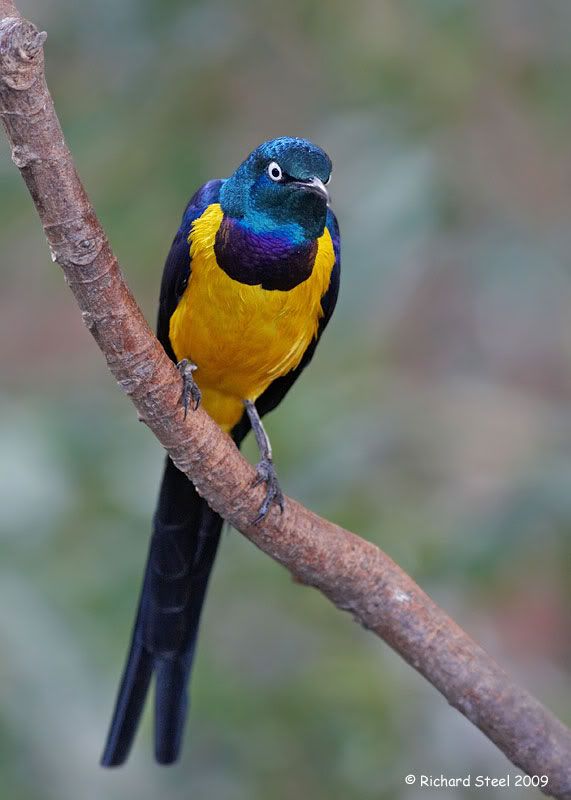
Emerald Starling in the Tropic Realm. Beautiful birds in their metallic green and purple colours. However, the colourful bird awards must go to the Nicobar Pigeon. Not all pigeons are equal and this must rank amongst the most beautiful.

A brief visit into the small aquarium and a Cardinal with an anemone.
Glossy Ibis and Black Vulture

The new Komodos.

My favourite images of the session was of one of the giraffes. The black background here created by some of that careful positioning I mentioned earlier.

Tuesday, October 18, 2011

The Nearly Monochrome Zoo

Back in the summer, I took my better half's sister to Chester Zoo as she is very keen to learn about photography. I had already donated a camera to her, that I won as a competition prize, kitted her out with a 100-400mm lens and we were ready to go. The main purpose of this first trip was just to get her use to taking photographs and to think about framing the shot and getting around the obstacles present by the enclosures. Zoos are a great training ground for wildlife photography and I spent many happy hours in them when I first started. She really enjoyed the trip and on the next visit I intend to go a bit more in depth about the different camera settings.

When I got home I decided for a change that I would have some fun in Photoshop converting the images to black and white and also do some with selective desaturation. The latter is where you convert the image to black and white and then selectively bring back colour in parts of the image. This is a departure from my normal work in Photoshop as I usually do very little to my images beyond some minor adjustments and sharpening.

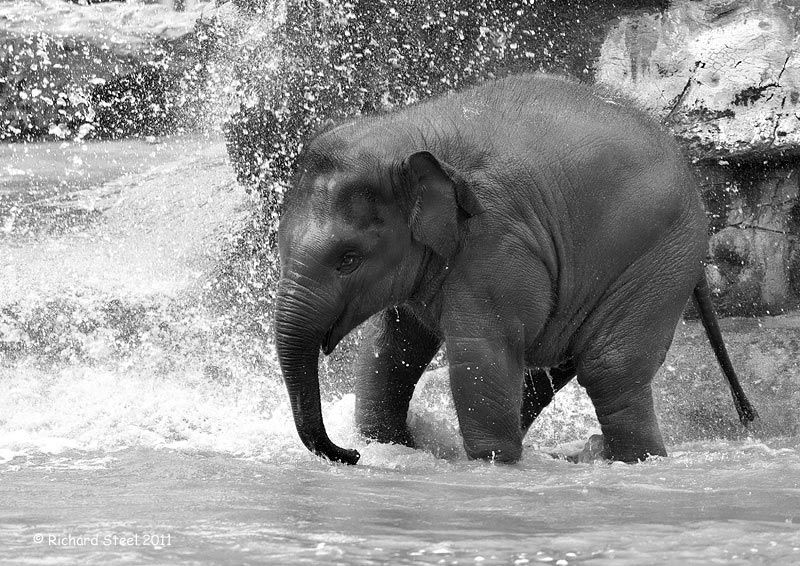
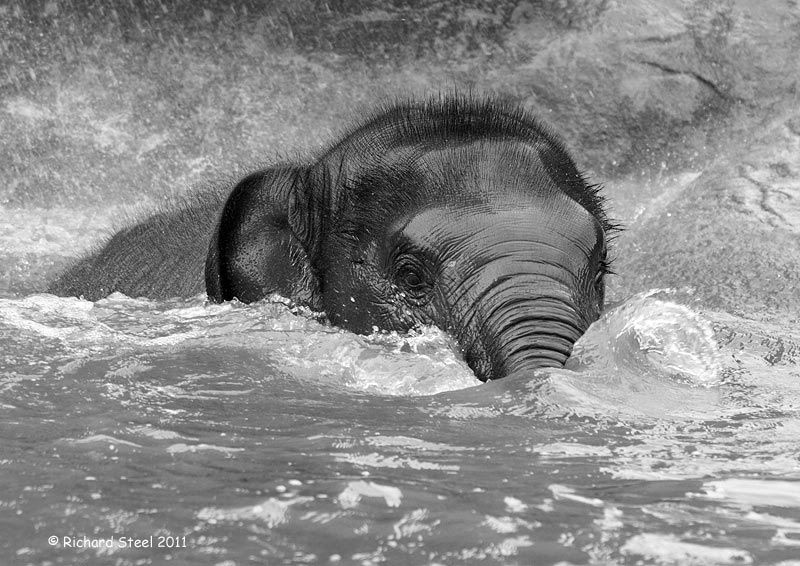
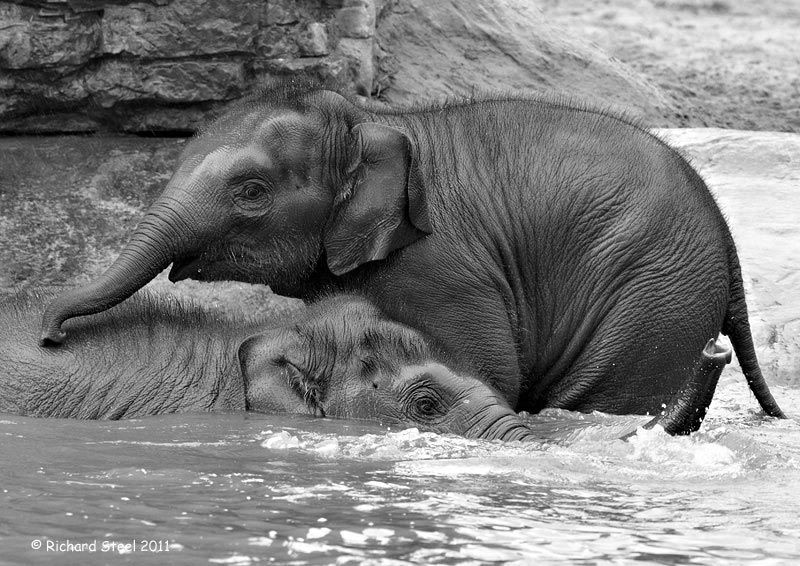
We started the visit with an easy large slow moving target, the Elephants. As usual they seemed to be enjoying themselves in the pool and waterfall. These are just straight black and white conversion. I must admit my experience of monochrome images is limited but I was once told the key is contrast.
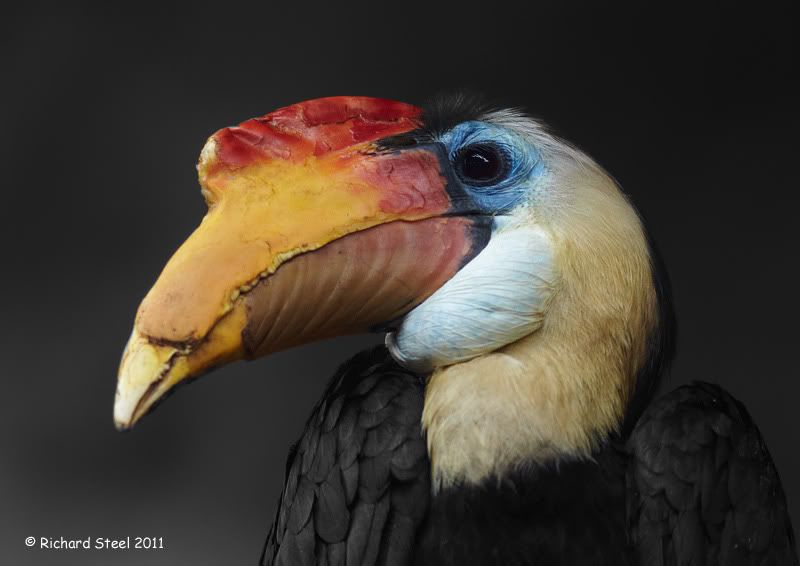
The rest of the images in this post, except for the last, will now show selective desaturation. The effect on this first image is subtle as it has just changed the background colour on this Hornbill image from brown.
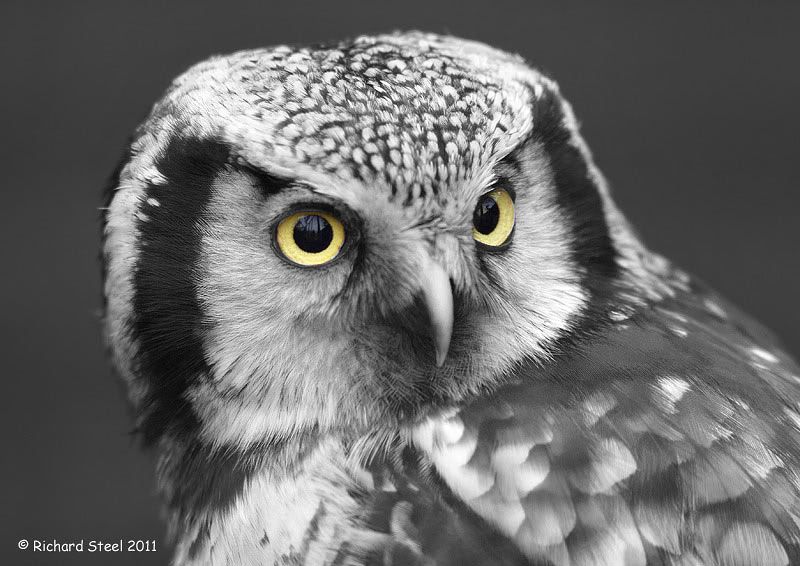
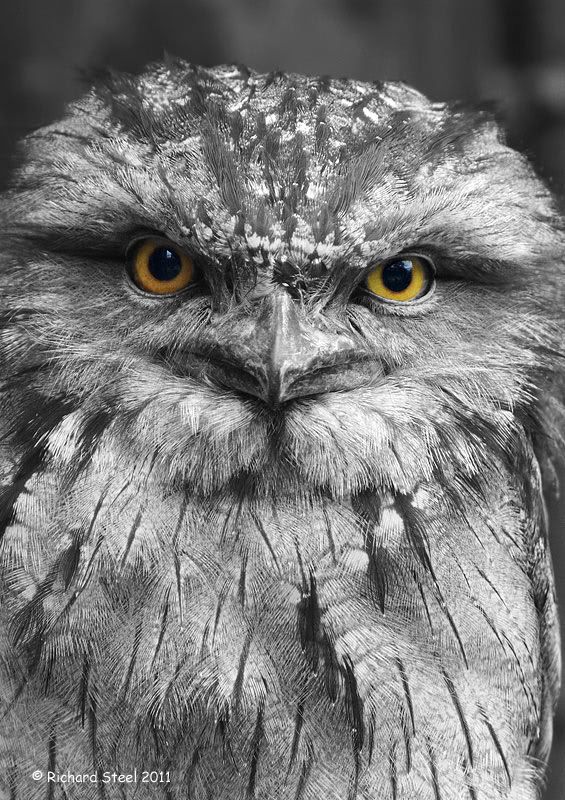
I like the use of this technique for birds that have bright eyes such as owls where only the colour of the eyes is retained. A Hawk Owl andthe strange looking Frogmouth.
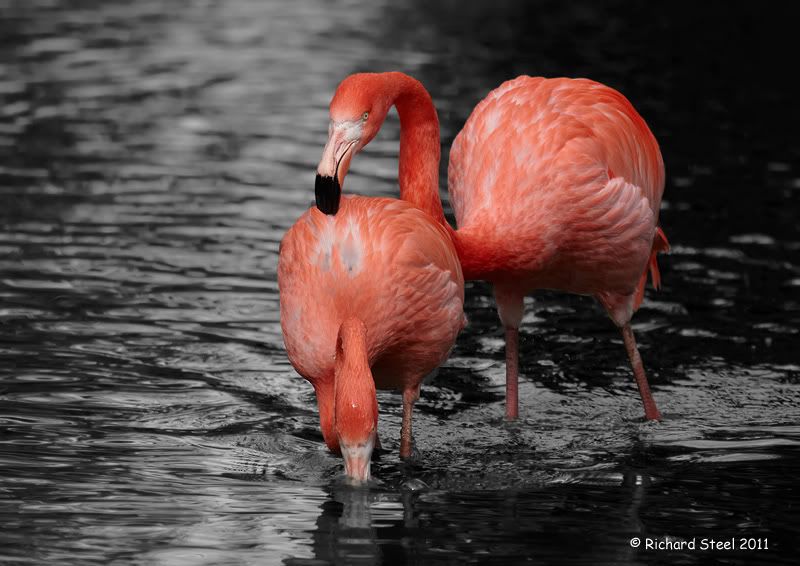
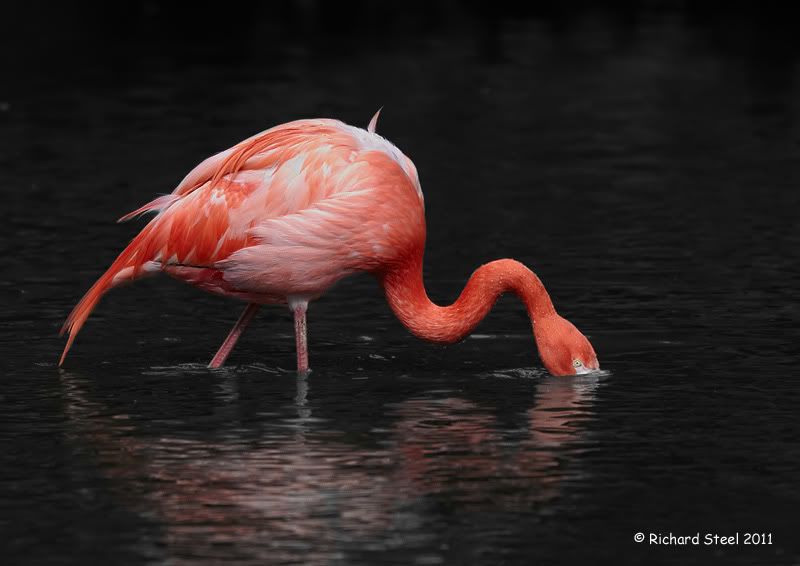
For some images the technique produces a pleasing result. Flamingos with the water desaturated.

WARNING IMAGES BELOW SHOW GRAPHIC CONTENT OF CARNIVORES FEEDING

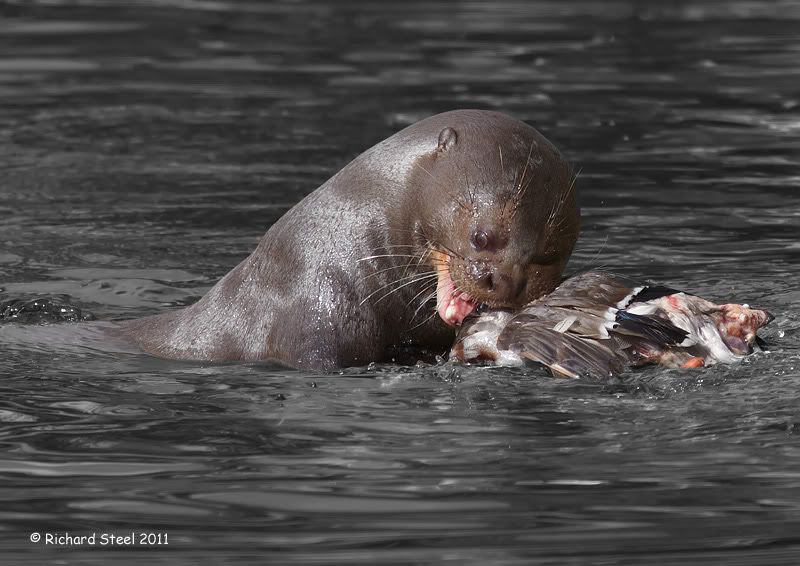
For others, such as this Giant Otter which had just killed a mallard that had flown by accident in to the enclosure, I am not so sure. I think this would have been a more pleasing image if the green water colour had been retained.
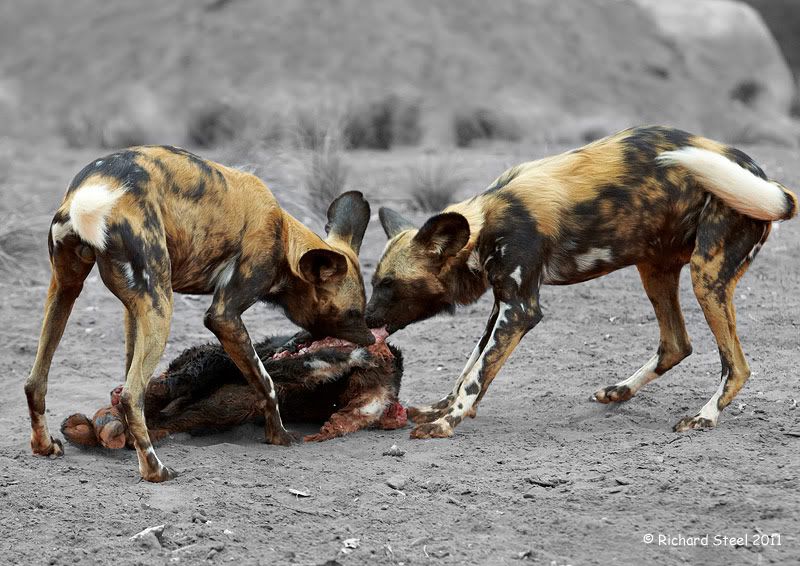
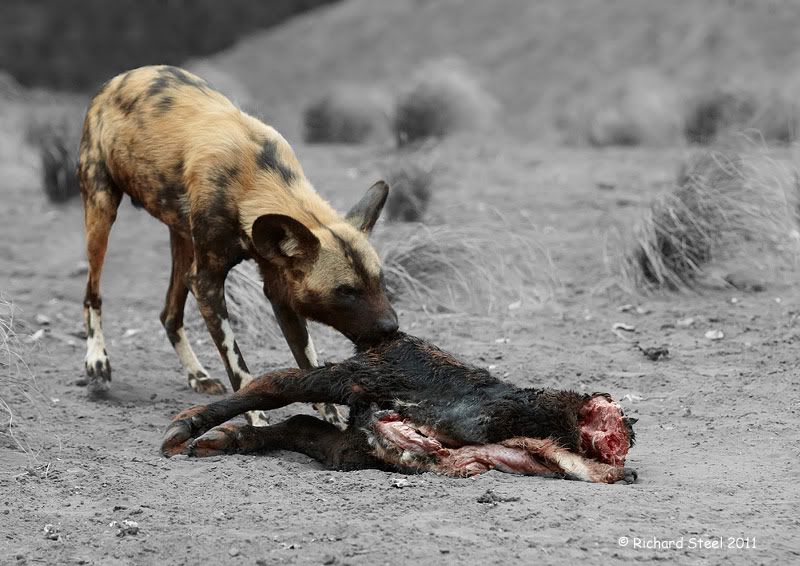
Chester Zoo have just acquired a pack of Painted Hunting Dogs and they were being fed as we arrived. Beautiful animals but you certainly would not want to be in the enclosure with them!
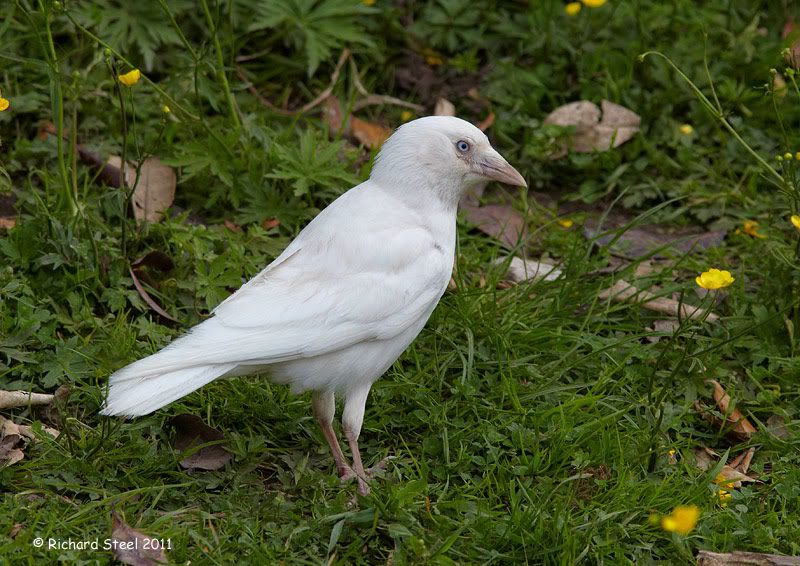
I will finish off this rather odd post with a full colour photo that has not been subject to any Photoshop treatment. Do not adjust your monitor :) While passing the bear enclosure the usual wild flock of jackdaws was milling around on the look out for any easy meals. Amongst the flock was a stunning looking leucistic bird. Natures own version of selective desaturation.

Saturday, April 03, 2010

Blackpool Zoo

Last weekend I took a trip with Dawn up to Blackpool Zoo for the first time. I am not sure why I have not visited before but it is probably due to having the excellent Chester Zoo just down the road. It was a a wonderful spring day with clear skies overhead but not ideal for photography with some intense harsh sunlight. My preferred conditions for zoo trips are bright days with white cloud above which acts like a large diffuser and removes the problems caused by high contrast. I also find zoo trips most productive when I go alone as I can make several circuits of the zoo which gives increased opportunity to photograph animals that were not showing on the first lap, allows you to spend an extended time with a particular animal and means you can visit particular areas when the light is in optimal position for different enclosures. On this trip I just packed the 300mm lens and just took a few photos while wandering around. Generally a zoom lens is much better at zoos as the flexibility in focal length is a handy feature for dealing with different enclosures.

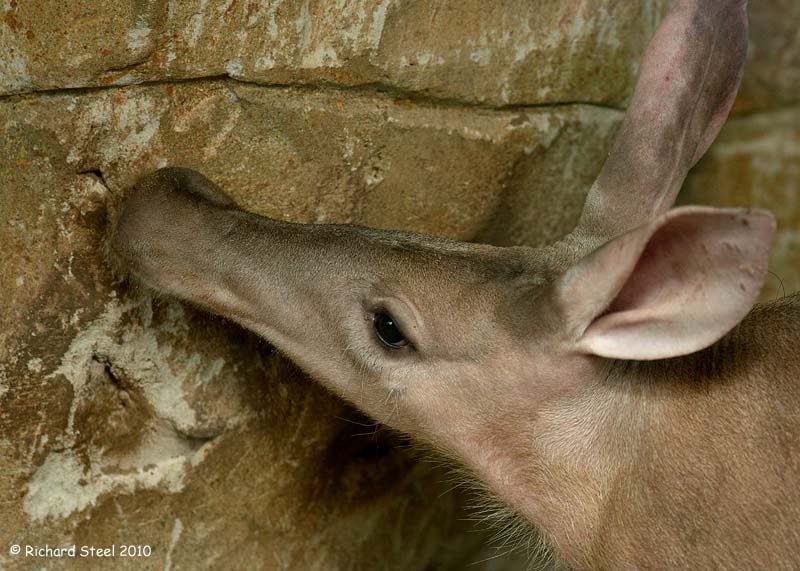
I will start off with an animal that I have not seen or photographed before. I was really constrained by the enclosure particularly given that their long claws had scratched a broad band of the perspex that I was shooting through. So apologies for it not being that good a photo.
In the beginning there was a word...and the word was Aardvark.
Photobucket

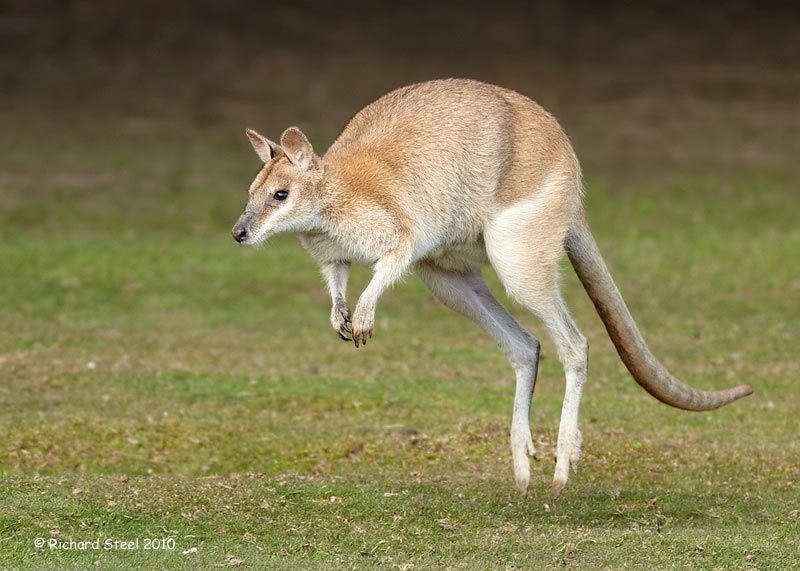
Photographing animals in zoos tends to produce quite a lot of static portraits so I was pleased to find this Red-necked Wallaby springing around its enclosure.
Photobucket

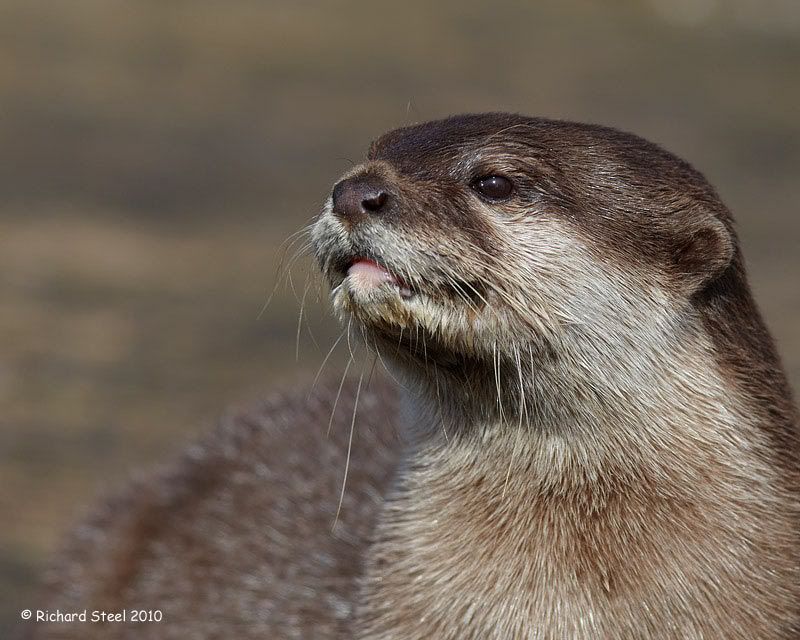
An inquisitive animal which seems to be present in most UK zoos the Oriental Short-clawed Otter.
Photobucket

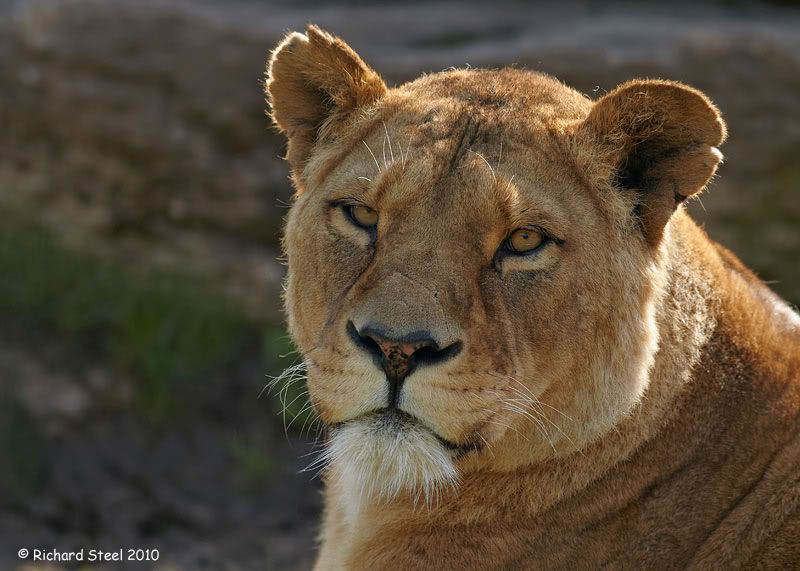
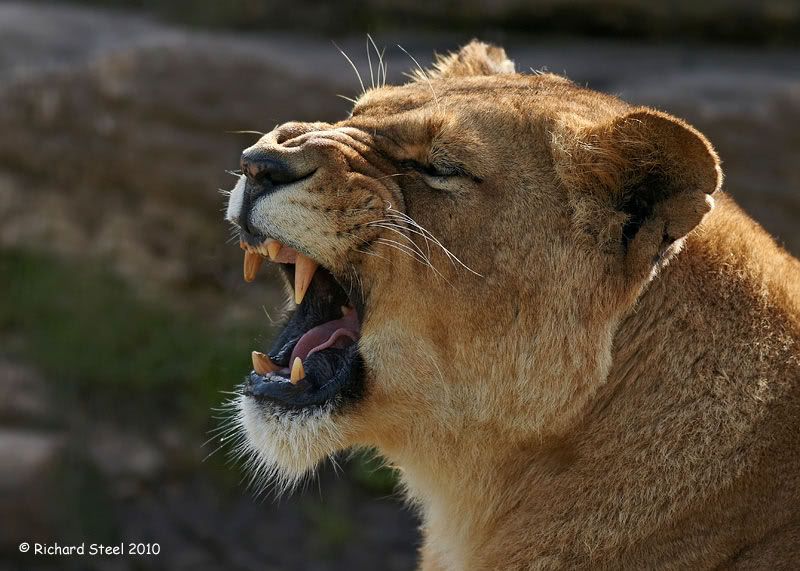
Moving across to the big cats which are always very photogenic. These two photographs show how getting some action, even as in this case if it is just a yawn, can make the image that more interesting.
A standard portrait of an African Lioness
Photobucket

and in mid-yawn
Photobucket

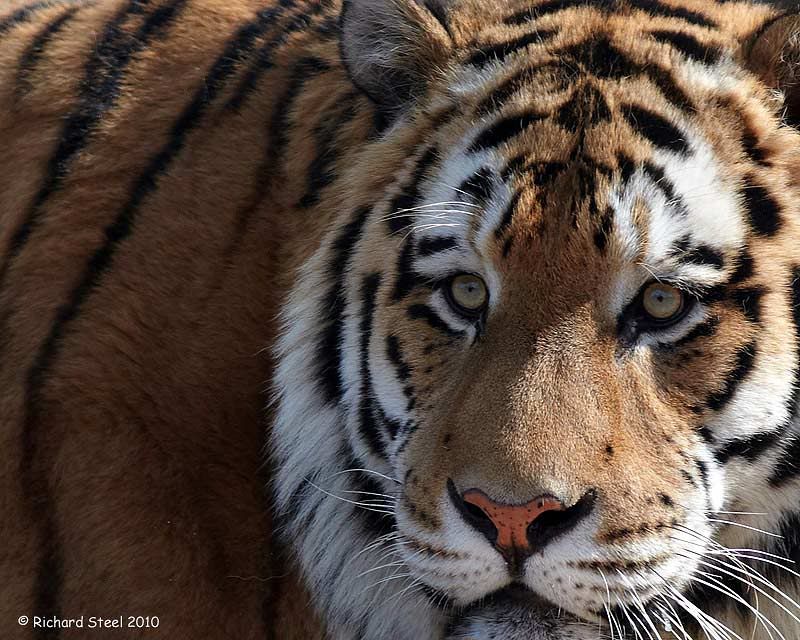
I never fail to be amazed by the sheer size and power of an Amur Tiger they are very impressive and beautiful animals. Sadly also highly threatened in the wild and in this Year of the Tiger I would urge you to try and support conservation groups that are trying to prevent their extinction. A world without tigers would be a very sad one.
Photobucket

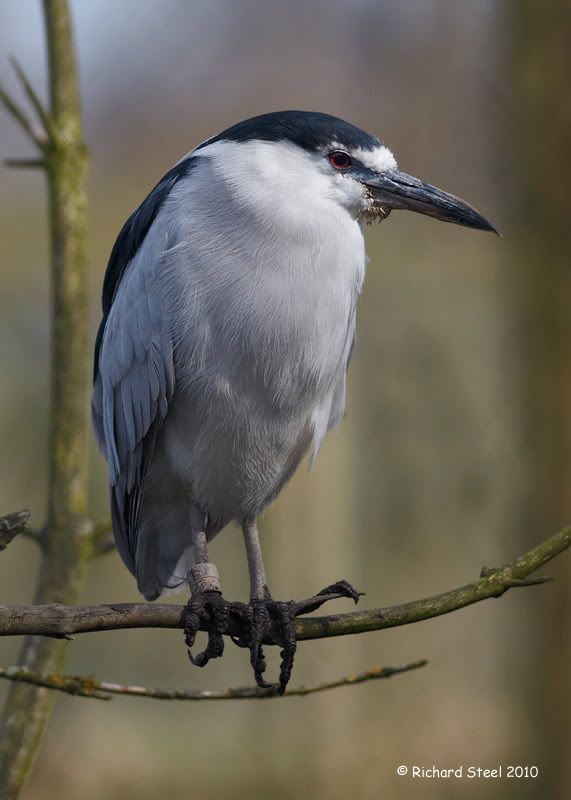
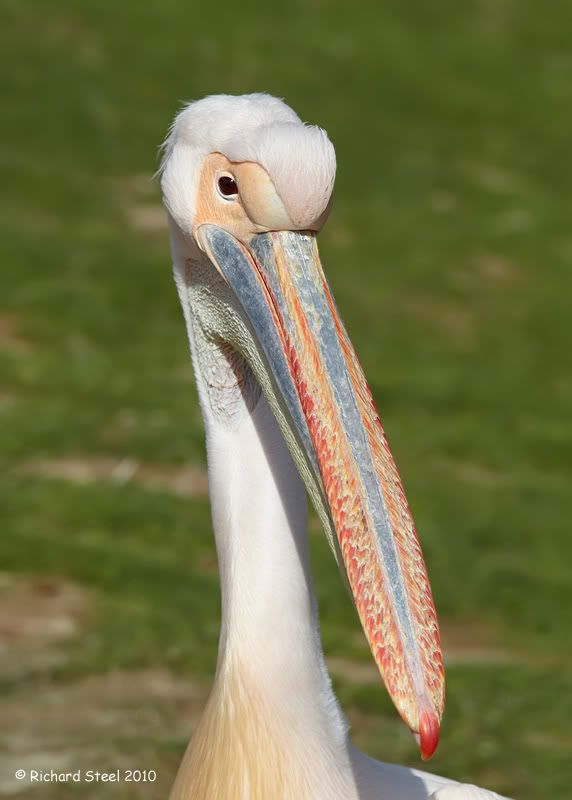
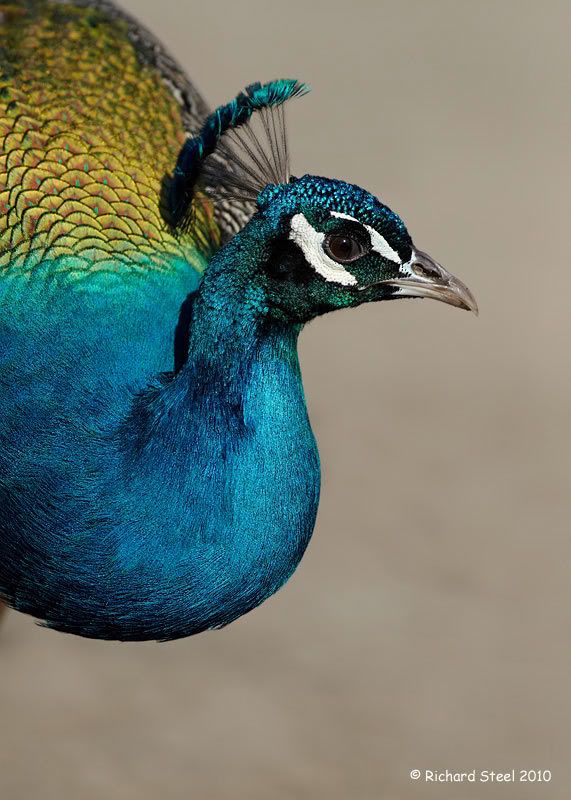
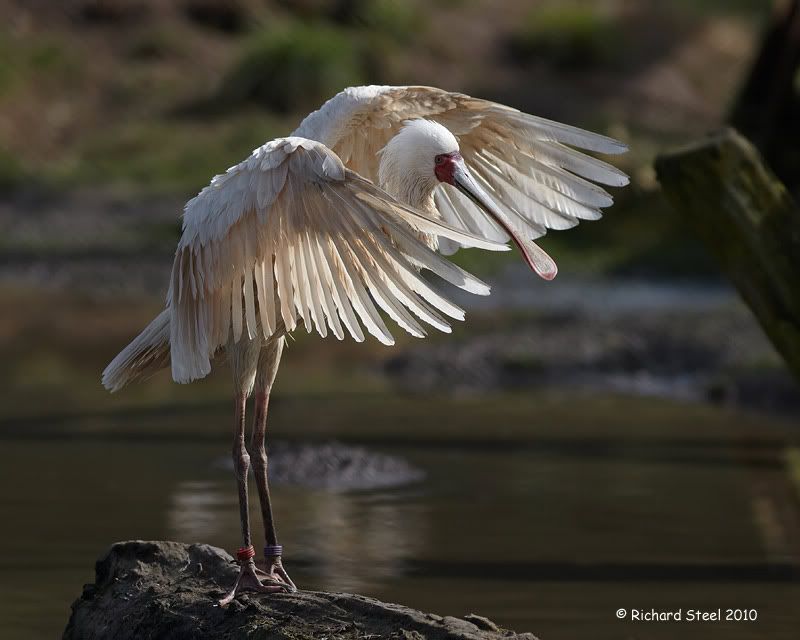
I also photographed a few birds on the circuit around the zoo that included a Night heron, Eastern White Pelican, some free range Peacocks which are difficult to resist with their dazzling colours and African Spoonbill.
Photobucket

Photobucket

Photobucket

Photobucket

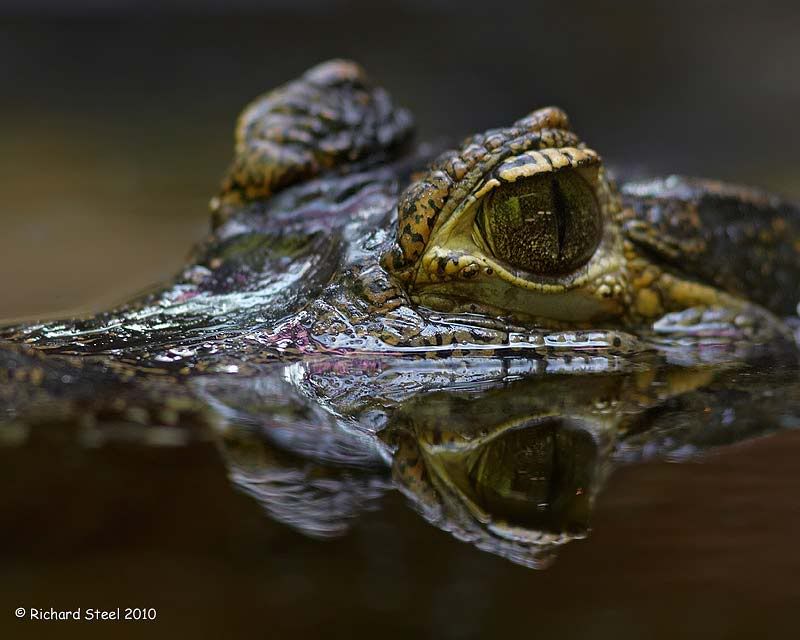
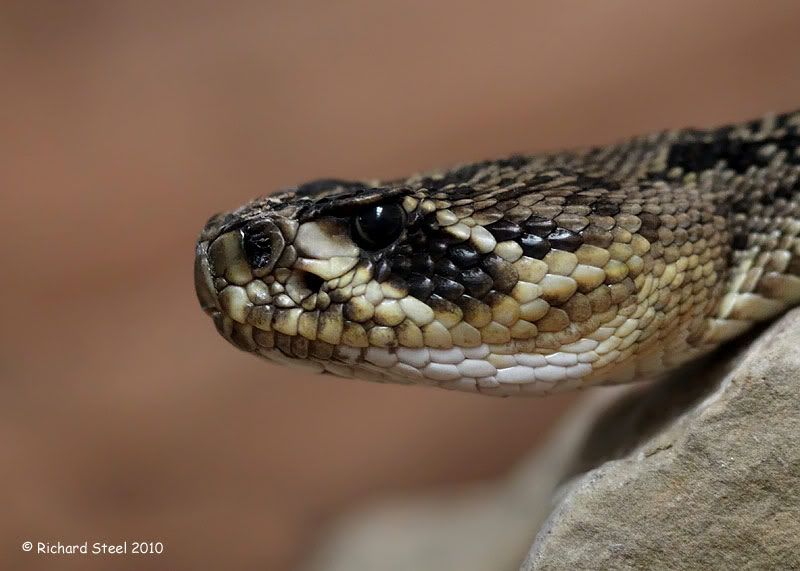
Finishing off with a couple of photographs from the reptile collection which proved a struggle due to the lack of available light.
The lurking eyes of a Yacare Caiman
Photobucket

If you ever find yourself out an about in North America and looking at one of these at this distance then its time to take a sharp exit!. An Eastern Diamondback Rattlesnake.
Photobucket

Wednesday, March 24, 2010

Merely Waterfowl

Under a sky filled with spring sunshine I recently took a trip to the local Wildfowl and Wetland Trust Centre at Martin Mere. This is always a relaxing break from my usual wildlife photography pursuits with no early alarm and bleary eyes, no crawling through mud, lurking for long periods in the undergrowth or being a dining table for mosquitoes.

A winter or spring visit to 'The Mere' is always productive due to the large numbers of wild waterfowl that take up winter residence. I started my session with a wander around the captive bird enclosures which offers the opportunity to photograph some interesting and beautiful birds and also often offers a bonus as I will shortly reveal!

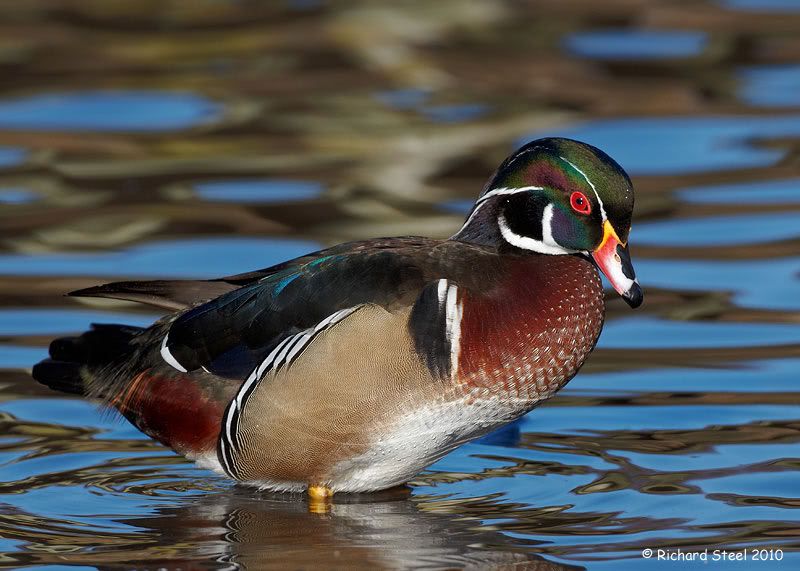
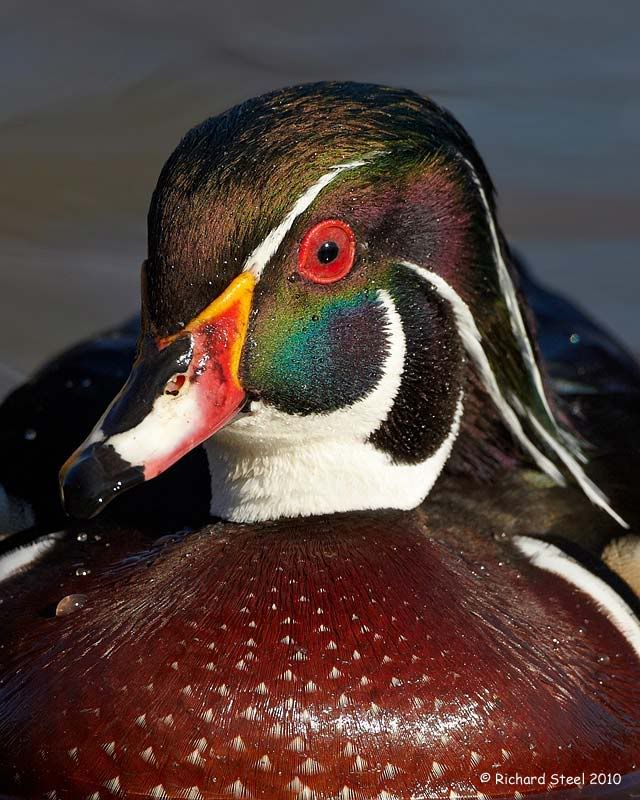
Here is a small selection of some of the captive birds and they do not come much more colourful than the Wood Duck.
Photobucket

I am always fascinated by the beautiful rainbows hues on their iridescent heads.
Photobucket

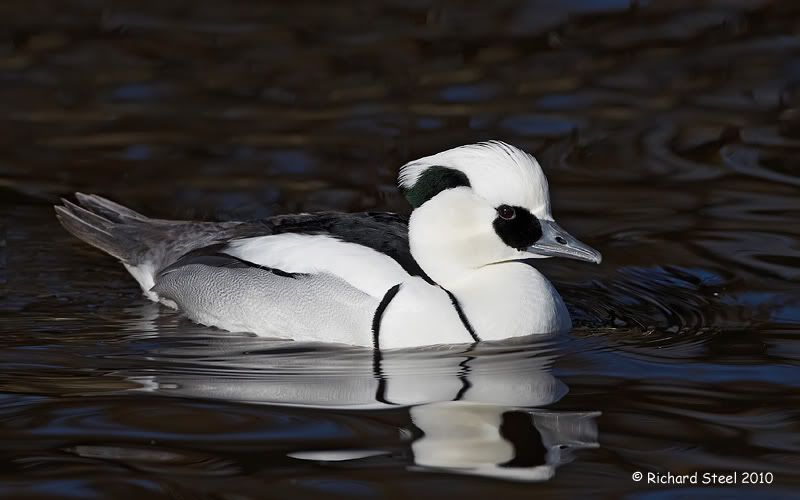
The striking black and white patterns of a captive drake Smew.
Photobucket

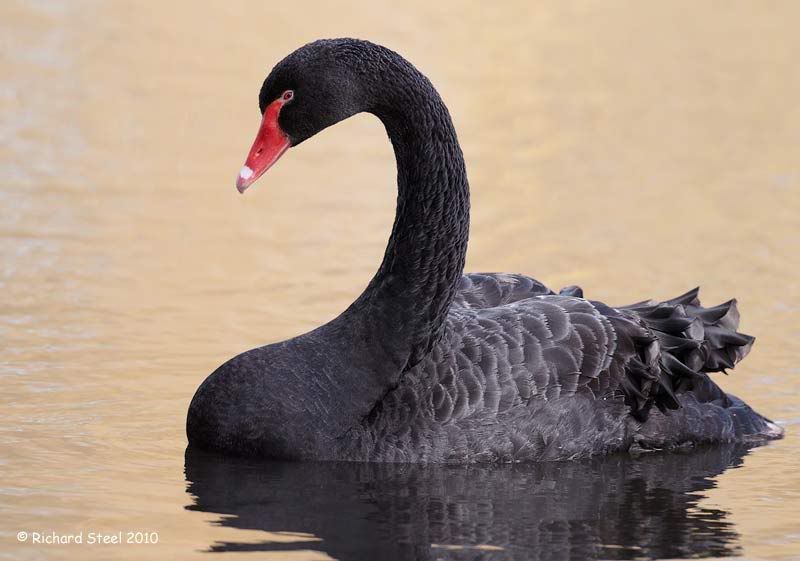
My final captive bird was the Australian Black Swan which caught my eye as it sat peacefully on calm golden water.
Photobucket


If you are photographing captive birds or animals then please do not try to pass them off as anything else. I have no problems with photography in zoos or waterfowl collections as they not only provide great camera practice but can also really test your skills. However, I have seen photographs of the captive Goldeneye at Martin Mere, a difficult shy species to photograph in the wild, being claimed as non-captive. This is not only misleading but really undermines the significant efforts and patience it takes to get photographs of the wild ones. A good example of the problems such mis-labelling can cause was well demonstrated in last year's Wildlife Photographer of the Year Competition.
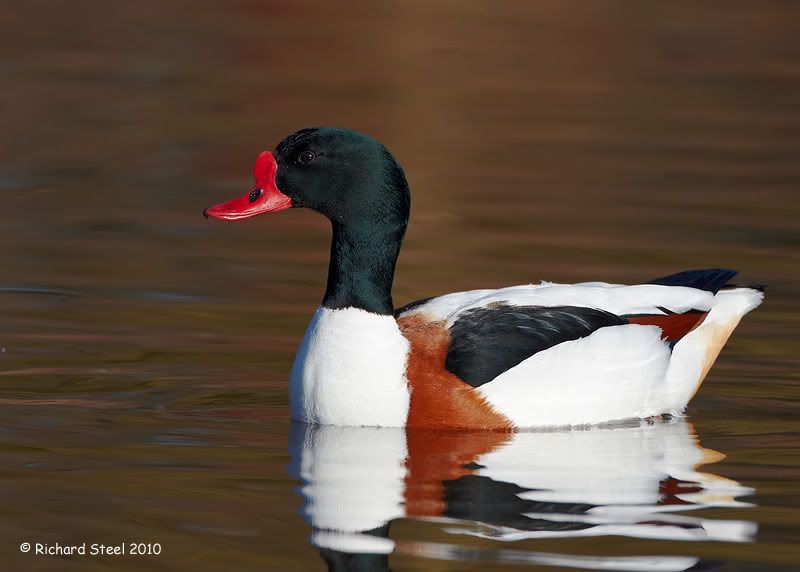
The main reason I always check the captive enclosures, apart from simply being good fun, is that the free food handouts also attract wild birds. It became quickly obvious the large numbers of wild Shelduck were present amongst the captive birds and so busy in courtship that they were relatively oblivious to the passing human traffic. By this time the sun was high and bright and difficult exposure conditions for photographing these birds. Only mad dogs and Englishmen photograph Shelduck under the midday sun.
Photobucket


I moved over to the 'wild side' where a number of hides overlook the mere that attracts diverse and dense populations of wilds ducks, geese and Whooper swans during the winter months. I often find bird hides slightly frustrating, as you are often forced to shoot from a slightly elevated position whereas I prefer to be at water level when photographing waterfowl. If only they would cut some hide slots low down!
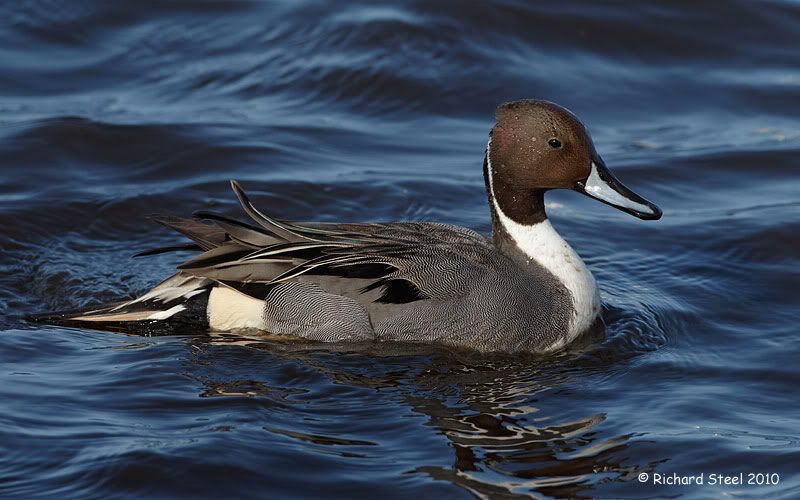
I began with the elegant shape of a drake Pintail.
Photobucket

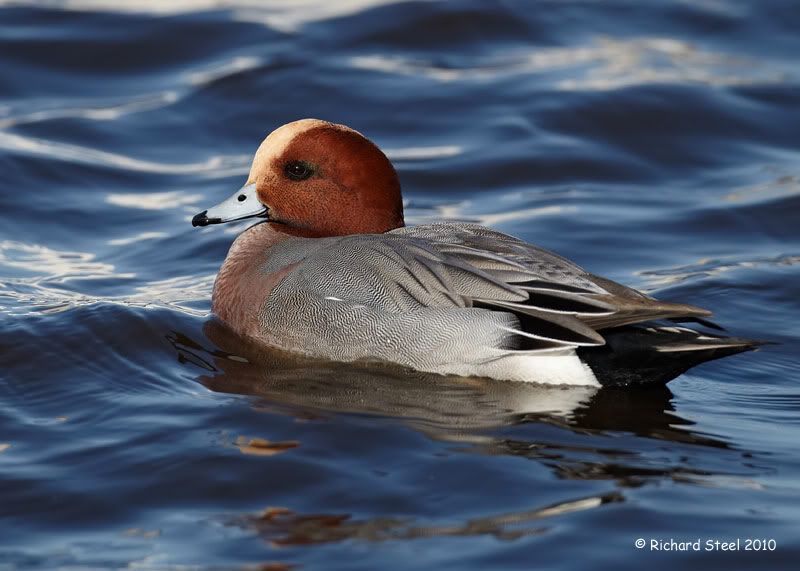
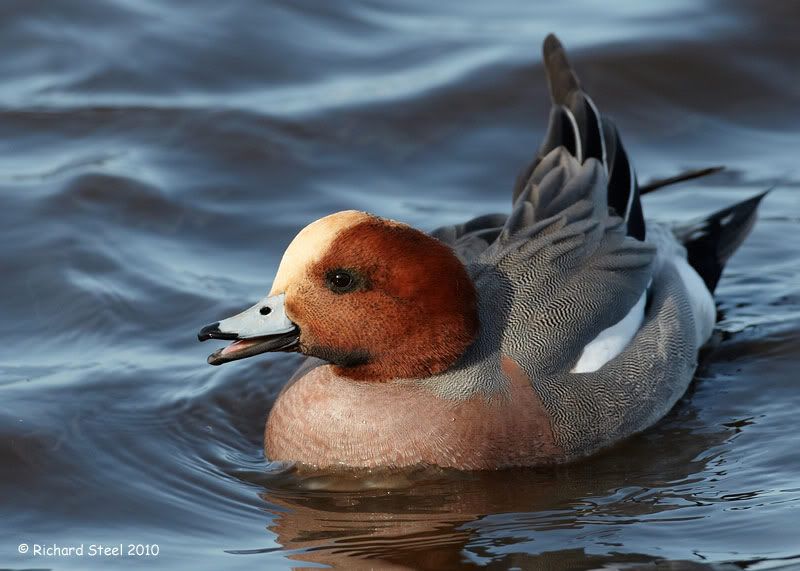
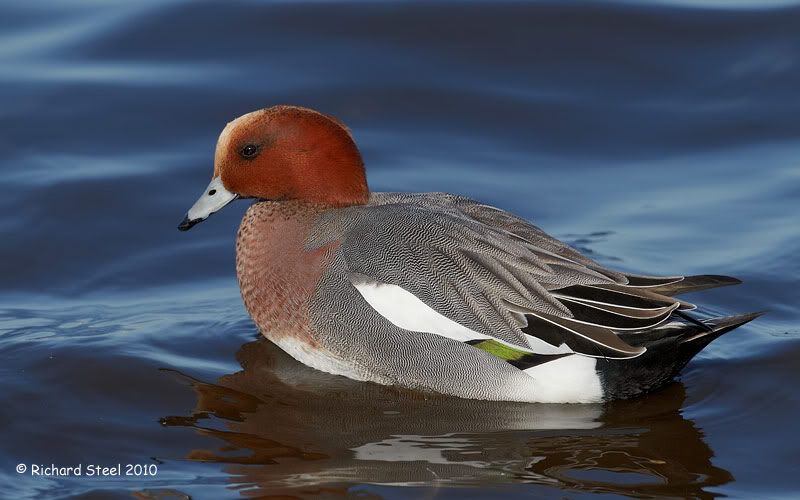
My main target species for the session were the drake Wigeon which I have not photographed for a while and were in wonderful condition.
Photobucket

Photobucket

Photobucket

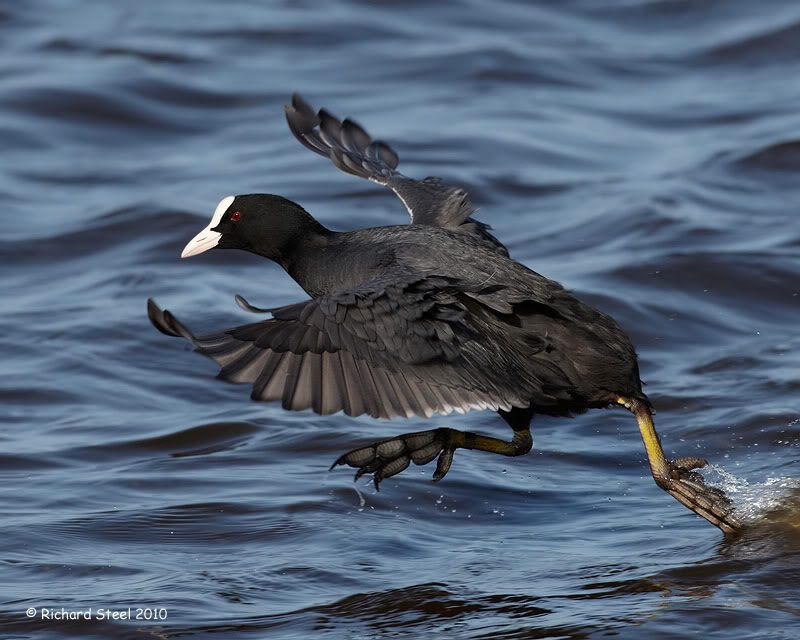
While photographing the Wigeon, a Coot came running across the water in front of me in pursuit of another bird. I managed to capture the sequence of which this was my favourite image in terms of wing and leg positions.
Photobucket

Overall a fun and relaxing session which recharged the batteries for the busy spring period ahead.

Saturday, December 26, 2009

Christmas Shopping or Chester Zoo ?

I must admit I have a bit of an aversion to crowds and queues, so when faced with the decision of Christmas shopping or a trip to Chester Zoo the decision was not a difficult one. I prefer zoo visits in the winter as there are less people and the animals more active. The only downside is the low angle of the sun can create some difficult lighting in the enclosures on occasions. The other factor I had not taken in to account for my visit was that due to the icy conditions many of the animals had been kept in for safety reasons. A giraffe slipping on ice does not bear thinking about.

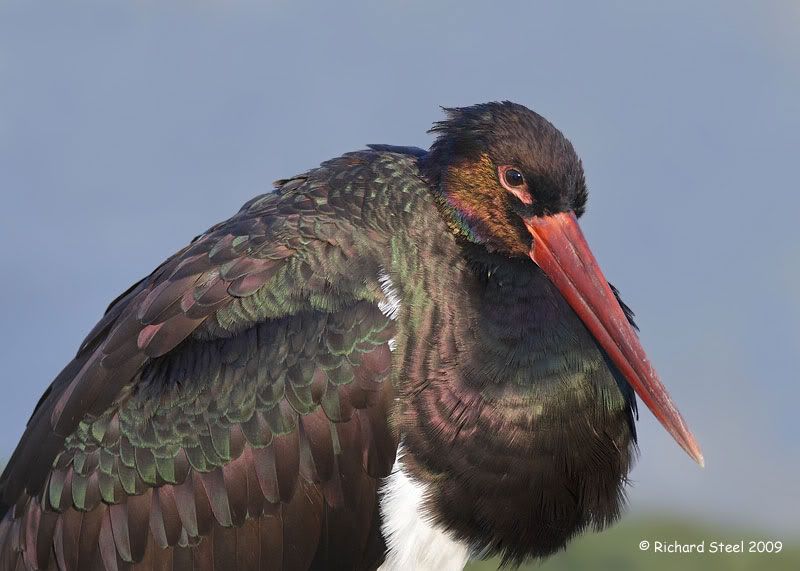
First to fall before the lens was the Black Stork. They really are stunning birds at the right light angle as the sun transforms there iridescent feathers into a rainbow of hues.
Photobucket

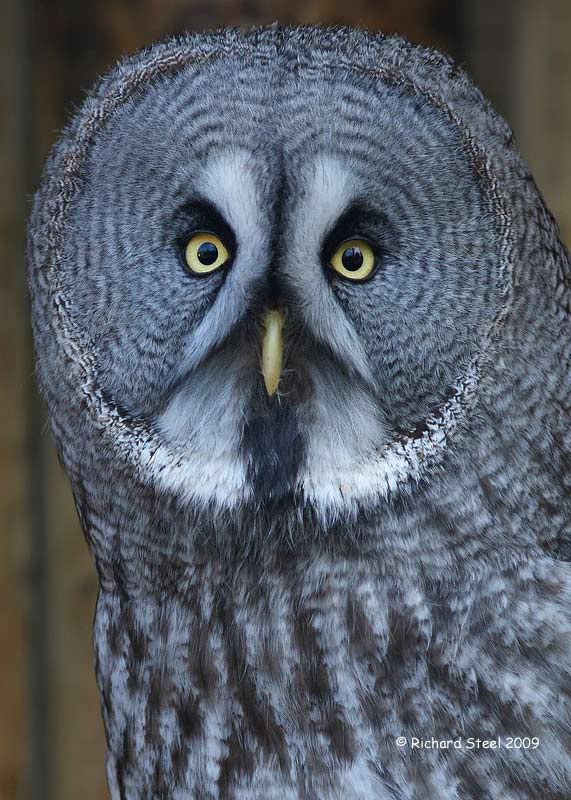
Next stop on the tour around were some of the owls. The solemn stare of a Great Grey Owl.
Photobucket

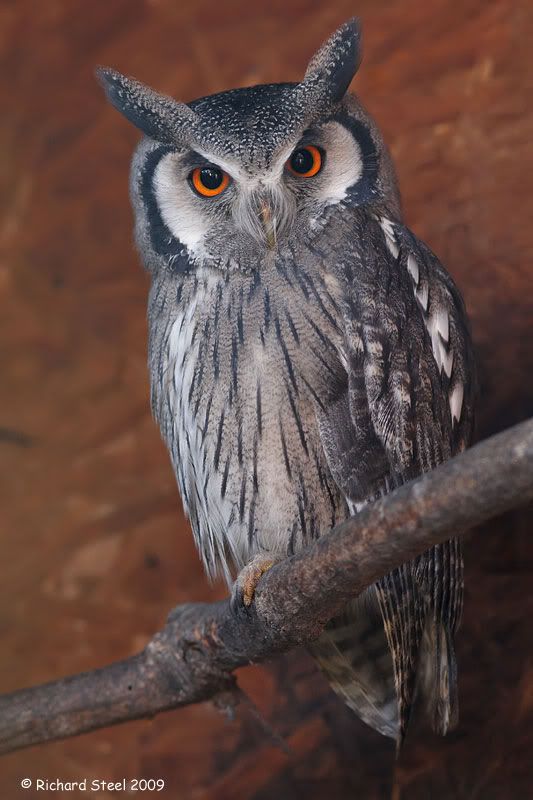
The White Faced Scoops Owls brought a smile due to the antics of one of a pair of birds . The bird on the left was perched normally glaring down with those penetrating eyes.
Photobucket

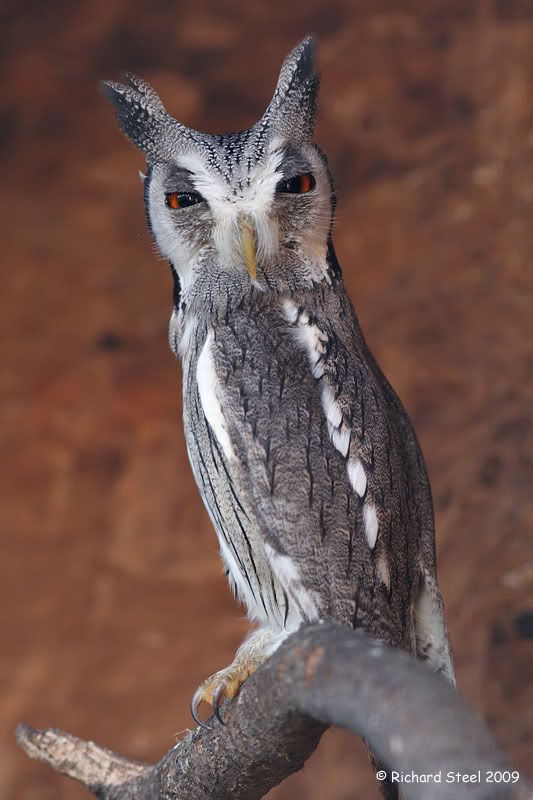
The bird on the right obviously did no like the look of me and was adopting the odd stretched defensive posture. Unfortunately the photos do not show the amazing transformation into this stretched pose
Photobucket


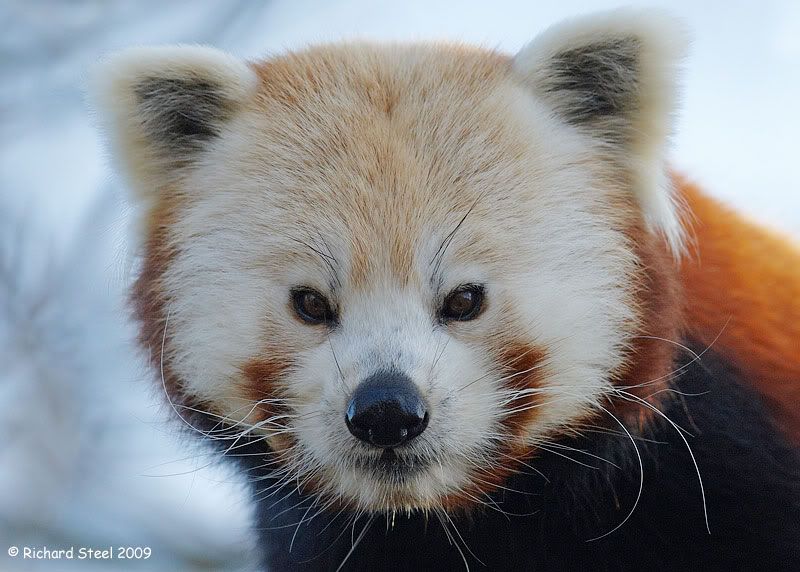
Just round the corner from the owls are the Red Pandas which are usually asleep up a very tall tree but one was wandering round trying to find a new place to curl up into a red fur ball.
Photobucket


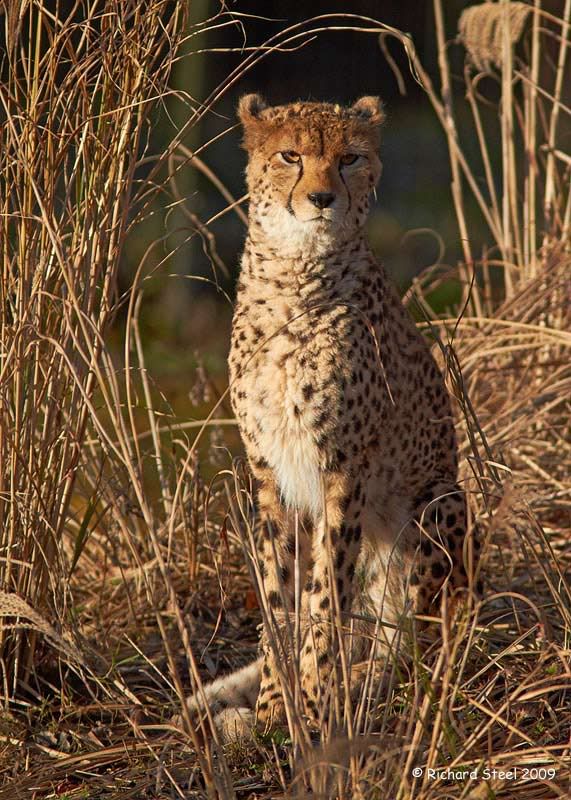
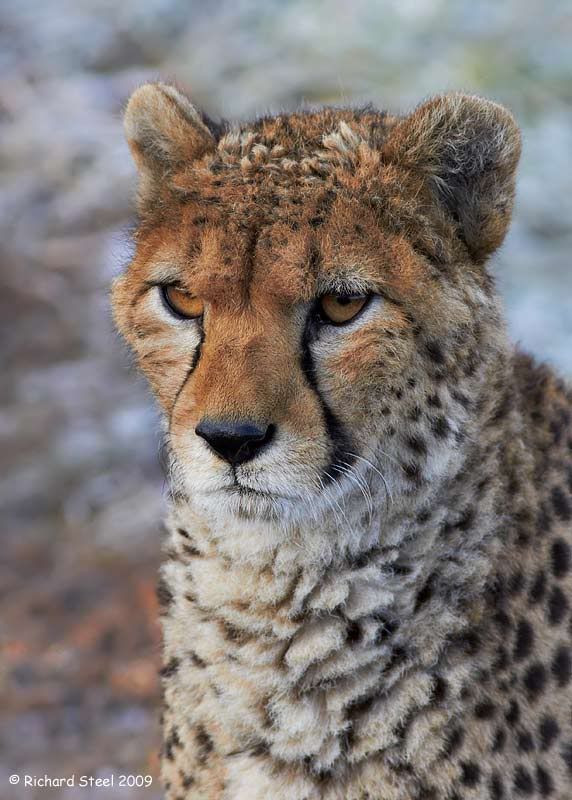
The Cheetahs were busy and it took a while to spot this female sitting in the low winter sun amongst the tall grasses in the enclosure.
Photobucket

Photobucket

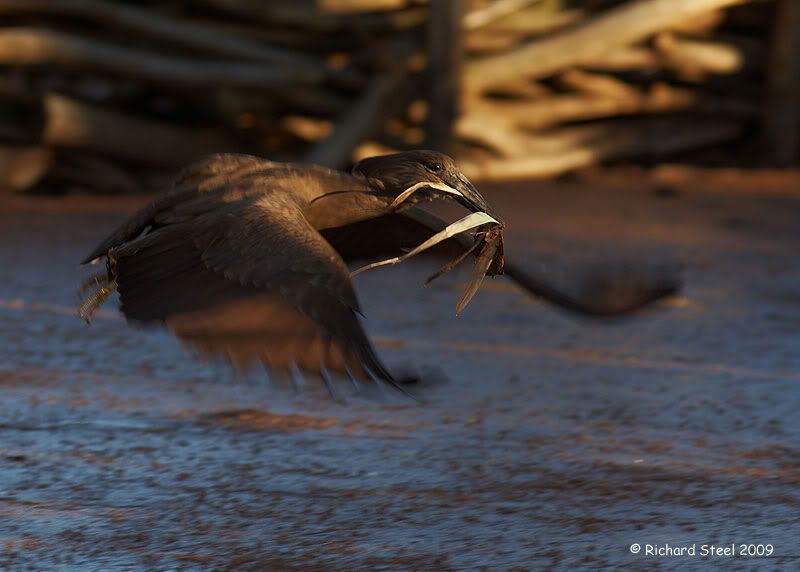
In August he zoo opened a new walk in aviary with African birds but I found it quite tricky to get good photographs. A Hammerkopf was building a huge nest in the tree and constantly flying around collecting twigs and grasses. I tried a flight shot but only had 1/250s shutter speed to play with bit it is my first BIF photo from a zoo
Photobucket

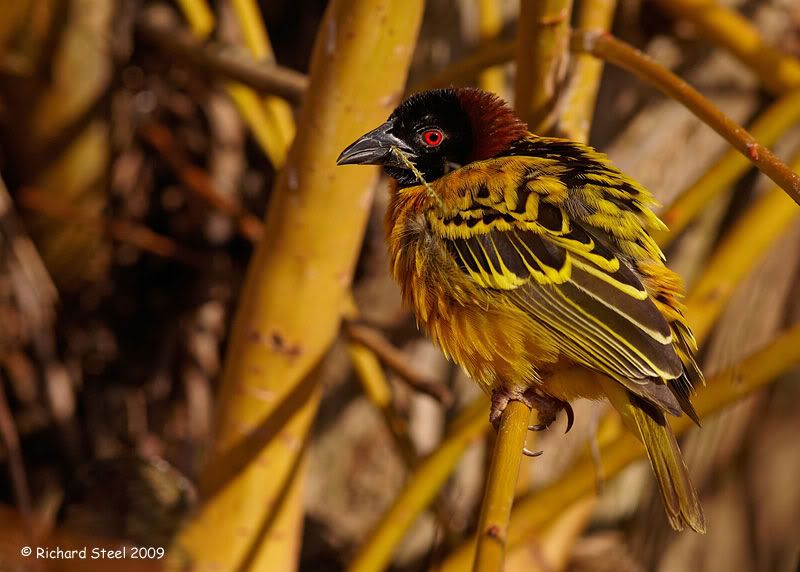
The other bird that was particularly evident were the Village Weaver Birds which had already built a large number of spherical woven grass nests on one of the trees.
Photobucket

I decided to wander over to the tropical house to see the free flying birds. As anticipated on entry I had to spend the first 10 minutes clearing condensation off the camera. I did not stay in there long with only a Royal Starling to show for my efforts.
Photobucket

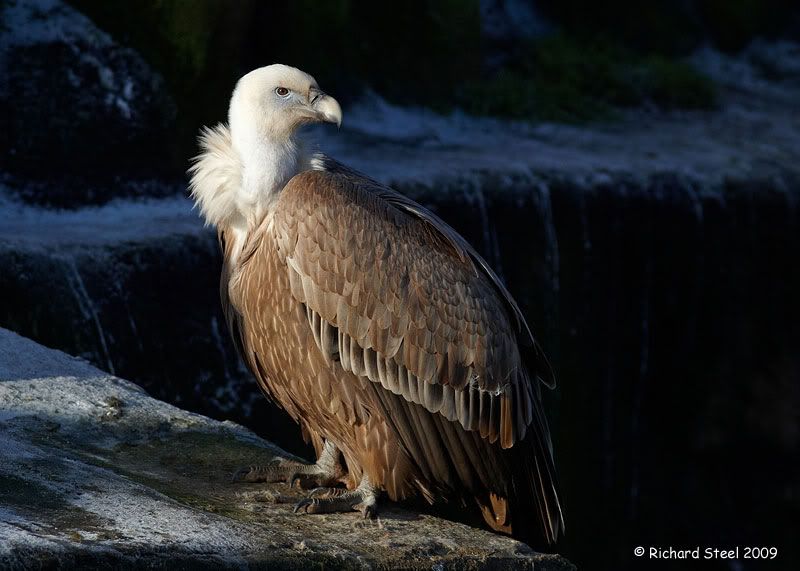
To finish off this post A Griffon Vulture that was being very nicely spotlighted by the sun.
Photobucket

LinkWithin

Related Posts with Thumbnails