
On this trip I would be going with my friend Adam who lives in France and runs the Sanctuary Fishery. I met Adam because of skylarks (its a long story) and when I mentioned the trip to Arctic Norway he jumped at the opportunity. Adam has a profound love and understanding of the wildlife which is skillful reflected in his artwork and talents with pencil, pen and brush. He is also keen to learn photography and so the trip would be a good opportunity to show him the way around a camera and some of the techniques of bird photography.
Flights, accommodation and car hire was booked and so all we had to do was wait a few months until Friday 3rd June. The plan was for us both to fly up to Helsinki where we would meet and then take the connecting flight up to Ivalo in Lapland which would take us inside the Arctic Circle (Latitude 66.5 Degrees North) . From there we would drive up to the Varanger Peninsula in Arctic Norway.
Packing for a trip in a cold climate is always a challenge in terms of luggage weight allowance due to the need for carrying lots of clothing. The particular difficulty on this trip would be the very meagre hand luggage allowance of 8kg given that I would be taking wildlife camera equipment for two people. As a back-up measure I purchased a photographers vest just before the trip into which I could load equipment if I ran into to difficulties at check-in. Travelling abroad with camera equipment is a constant nightmare for wildlife photographers. I do wish the airlines would take this into account as they do for people with sporting equipment and musical instruments. I am sure most photographers would happily pay a supplement to guarantee they could take the inevitably overweight hand luggage on to the plane. The equipment going into the aeroplane hold is just not an option.
For information on the kit used on the trip, I predominantly used the Canon 1DX mk2 with 600mm F4 Mk 2 lens both with and without the 1.4 extender.
As the date of departure arrived conditions in France were looking potentially difficult for Adam's journey with a series of violent storms and air traffic control and train strikes. Would we both make the connecting flight? In case of problems we hatched a back-up plan as on these trips it is always good to have a contingency to cover all bases. My passage through Manchester airport was smooth and text's from Adam indicated all was going to plan and schedule at his end. I boarded the plane only for the captain to announce that there was a going to be a 30 minute delay until departure. Given that I only had a 40 minute interval between flights at Helsinki as you can imagine I was starting to get concerned whether I could make the connecting flight. The plane touched down at 15.35 and the next flight was due to board at 15:50! The plane landed away from the terminal for a coach collection of the passengers. The coach then drove to the far end of the terminal, in fact about as far away from my departure gate as possible. I rushed in, through passport control, and on exiting there was a sign saying my departure gate was 15 minutes walk away and the plane was now boarding.
I am sure the next few minute of airport CCTV footage would make a classic comedy clip showing a frenzied run by me through the airport with my heavy hand luggage. Through areas of duty free and against a sea people coming in the opposite direction. I just made it, arriving at the departure gate and a waiting Adam, in a sweaty heap under my heavy fleece which was too heavy to put in the case. It was a very close call but we had both made it. My only concern now was whether my suitcase would make the connecting flight which fortunately it did. Time to finally relax.
There was a noticeable temperature drop as we stepped off the plane into light drizzle at Ivalo. We were quickly through the tiny airport, collecting our hire car and heading north to our first destination which was an overnight stay at the Neljan Tuulen Tupa accommodation in Kaamanen. En route, we made a quick stop at a supermarket in Ivalo to buy some food supplies for lunches, figuring that the temperature in the car would act as a giant coolbox most of the time.
The Neljan Tuulen Tupa accommodation is a well known destination for bird watchers and photographers as the feeding station around the back of this log cabin style motel is probably one of the most reliable places to easily see Pine Grosbeak. We arrived around 20:00 and decided to get some food which gave us a view over the bird feeders with the first bird seen being a beautiful raspberry colour male Grosbeak munching its way through sunflower seeds. With our steak dinner polished off we headed round to the back to check out the feeders. Interestingly the large numbers of Redpoll present during my previous trip were noticeably absent. Given the weather was fairly miserable and the birds heading into their quiet period under the perpetual daylight, we decided to leave the photography until the morning.
Before going to bed, I end up having a very long conversation in reception with a Finnish Bird Ringer. He was on a 3 month trip to the area and from the look in his eye looked like he had been out in the wilds and under too much daylight for a little too long. However, it was an interesting conversation as he reeled off various facts and figures and confirmed there were very few redpoll in the area this year. He said if we had time he would show us some Hawk Owl and Smew nest boxes he was working with the following day.
We were up early the next morning for a session with the birds behind the motel before breakfast under some overcast skies. This is awkward place to photograph the birds as it is designed for feeding rather than photography. Located immediately behind the back wall of the motel at the top of a slope in a small clearing in the surrounding woodland. The ground is completely covered in the sunflower seed husks and so any bird on the ground such as Brambling tends to be surrounded by seed shells, there are very few perches associated with the feeders so the birds tend to go directly to feeding tables and it is difficult to find an angle where can get a bird on a perch of the surrounding vegetation with a clean image background. After a while we decided to attach a perch to one of the table supports with some table ties for the Grosbeak. We selected an old weather silver grey piece of conifer in a hope that this would compliment the grey areas of plumage on the birds. In hindsight I am not sure this was the best perch choice but it had the desired effect of stopping the birds flying directly to the feeding table.
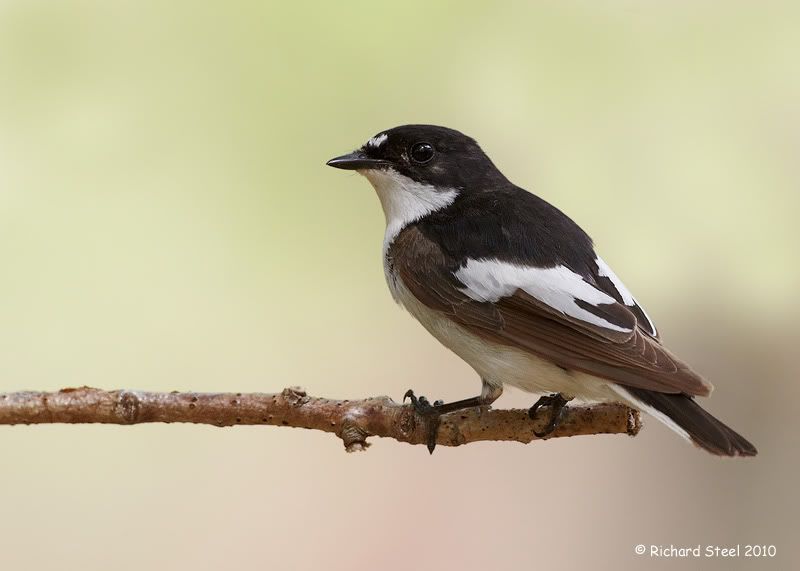
Birds coming into feed included Greenfinch, Great Tit, Siberian Tit, a good number of male and female Brambling, a solitary male Pied Flycatcher and both female and male Pine Grosbeak. All accompanied by some very active red squirrels. I concentrated my efforts on the Brambling, Gosbeak and Flycatcher a selection of which are below. The hyperactive Siberian tit proved tricky but amusing as it would announce its arrival with a strange squeaking that sounded like a plastic toy.
The male Brambling looked amazing in their summer colours and a marked difference to the faded birds we see in the UK in the winter,


You can see in this last photograph the problem with photographing the birds feeding on the ground.


The Pine Grosbeak is the bird that draws many people to this place and this heavyweight finch is an impressive bird that is about the size of starling. The males with their raspberry coloured plumage are both impressive and attractive. A selection of Pine Grosbeak images are below from both the surrounding trees, the ground and our set up perch. Excuse the number of images but this bird was the main star of the show.


I came away from the feeding area feeling slightly frustrated and imagining the images that could be achieved if it was properly set up. It had been wonderful to see Pine Grosbeak again and we intended to make a return visit on the homebound journey. However, it had been a good place for Adam to start gaining an understanding of the interrelationship between ISO, aperture and shutter speed on the camera.
After a good breakfast and given the long journey ahead, we packed up, checked out and hit the road northward. About 15km up the E75 we got flagged down by the Finnish Bird Ringer, from the previous evening, who was at the side of the road and asked if we would like to see a hawk owl nest. We followed him a short distance into a birch wood where there was a nest box and a female hawk owl sat on a telegraph wire alarm calling. Against a grey sky the owl on a wire was not going to make a good photograph. He then said he needed to check the chicks, and climbed a ladder to the nest box with full head visor to defend himself from the by now both angry and swooping parents. He took both chicks from the box, which both Adam and I thought was unnecessary particularly given the cold weather conditions, to show us.

We then followed him a short distance where he showed us a female Smew sitting on eggs in another of his nest boxes. I was keen to get moving and we both thanked him and hit the road once more.
Driving through Finland is not the most exciting journey for those looking out for wildlife as generally there is very little to be seen as most tends to be tucked inside the apparently endless expanses of birch and coniferous forests bordering the road. The only noticeable change as you head northwards past mile upon mile of lake and forest is that the trees start getting small and the birch more twisted and black stemmed, particularly as you cross the border into Norway. After a few hours driving we arrived at the western end of Varangerfjord and decided to have a break and call into the area around the back of the museum at Varangerboten where there are two hides overlooking some mud flats at low tide. Looking out of both hides all seemed to quiet with the only bird of note being a distance White-tailed Eagle on the beach trying to eat a large stranded fish whilst being harassed by parties of gulls. Returning back to the car along the boardwalk through the blackened birch wood we found a male Pied Flycatcher to photograph.

Back at the car, noisy Fieldfare loudly chattered in the scrub areas and perched on the top of the buildings. We continued eastward along the north coast of the fjord towards our final destination of Vadso, and stopped off by Nesseby Church to see if there were any birds around to photograph. This produced some Ringed Plover on the beach, after a bit of crawling around some Golden Plover and I also found a pair of very mobile Snow Bunting in the summer plumage moving around the rocky edge of the peninsula. I was particularly pleased to get the latter in front of the camera given the complete failure to find any last year in Iceland.

These Golden Plover are the northern race with their darker coloured heads.


Female Snow Bunting


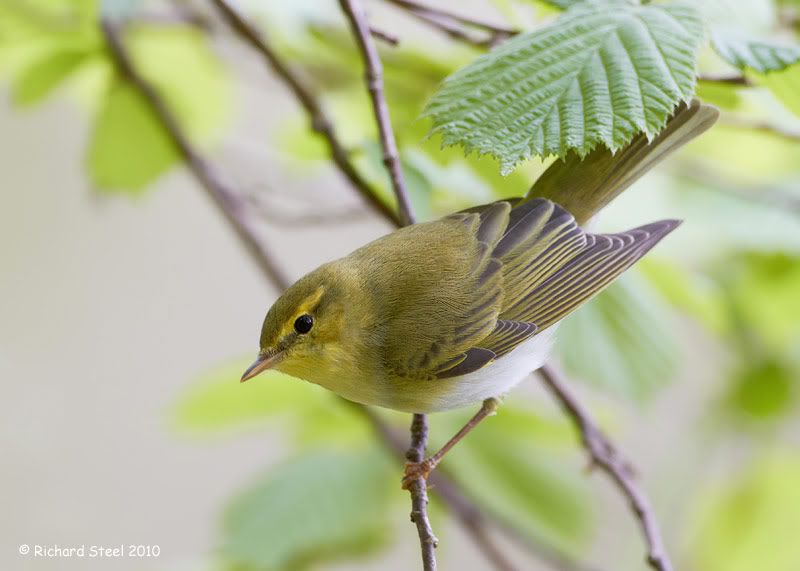
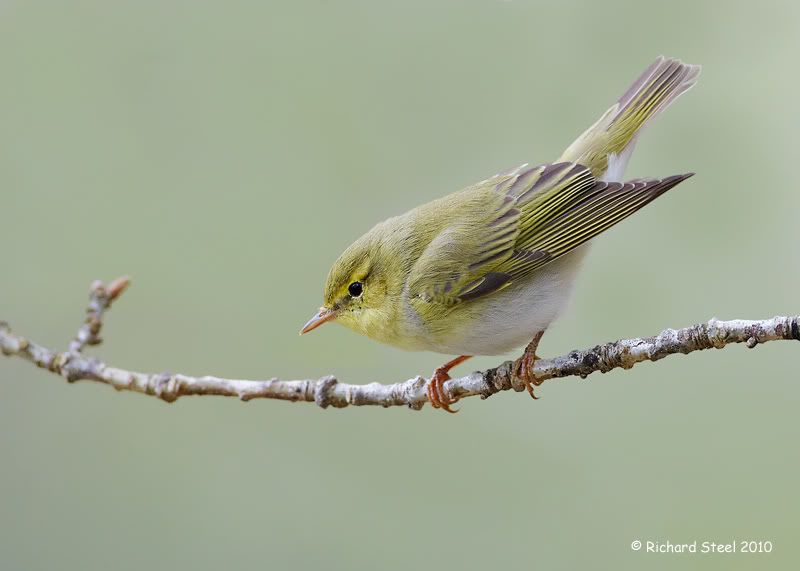
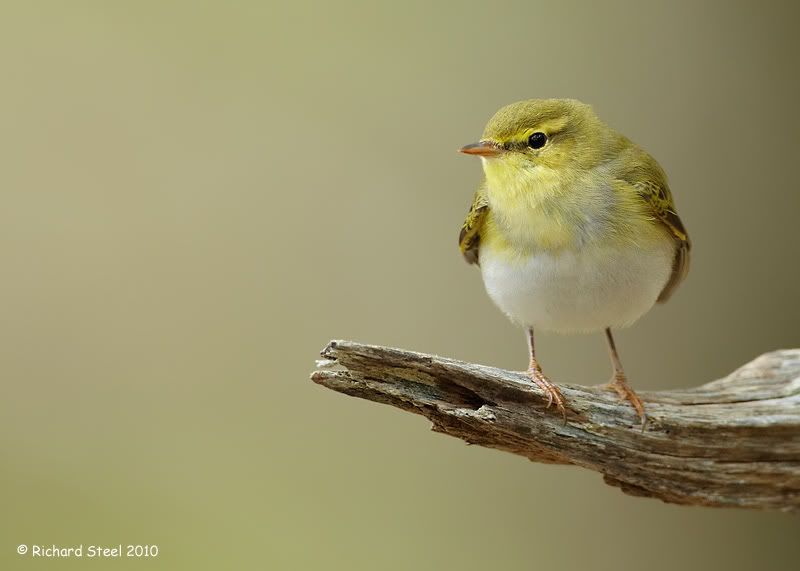
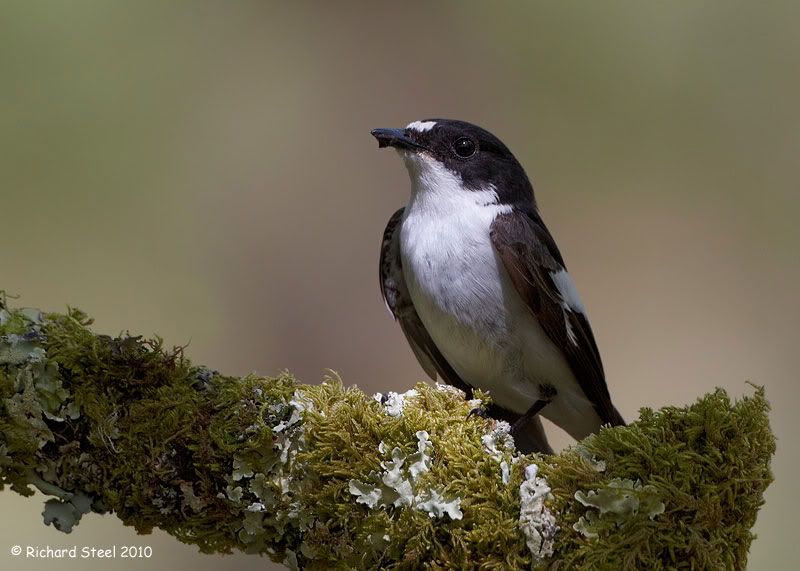
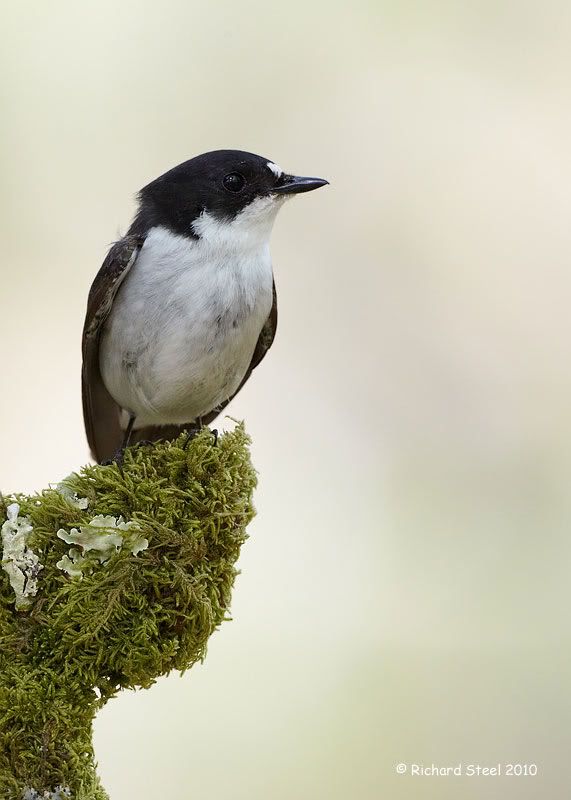
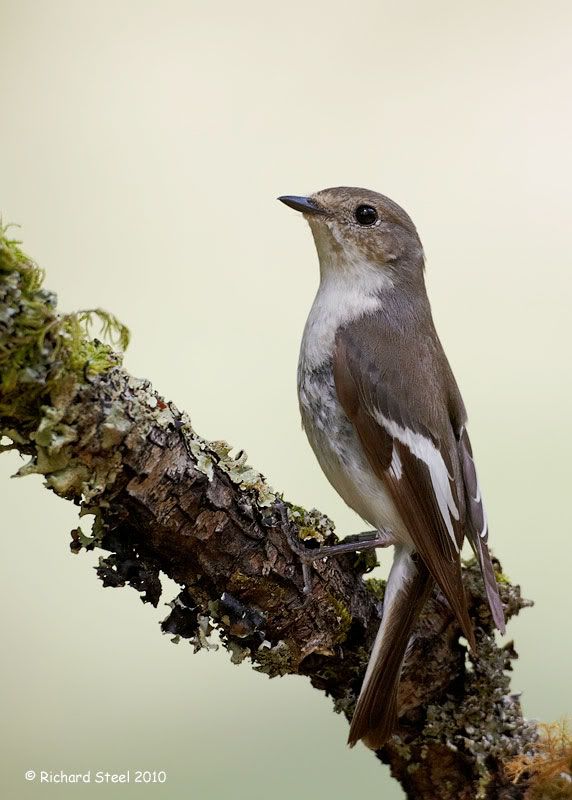
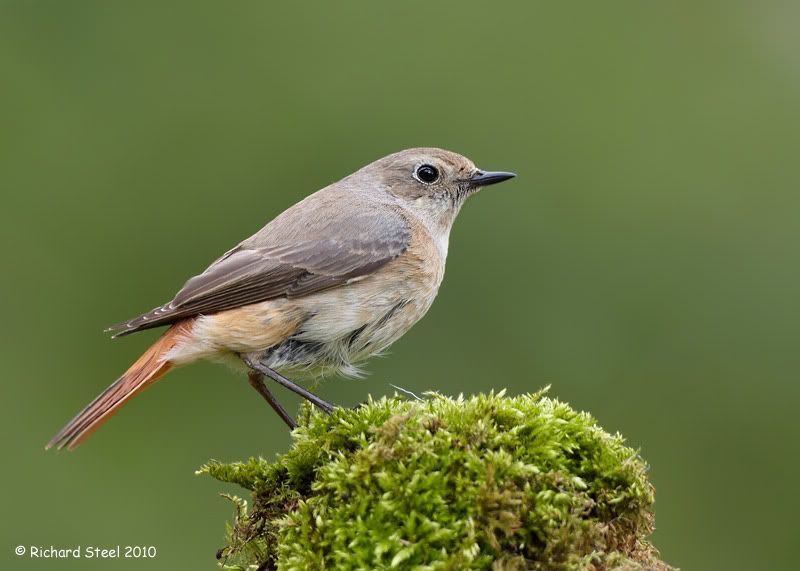
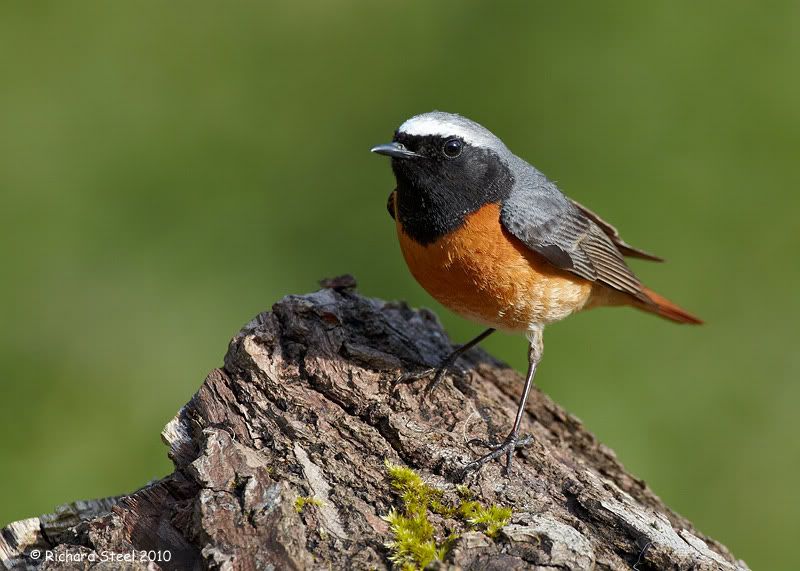
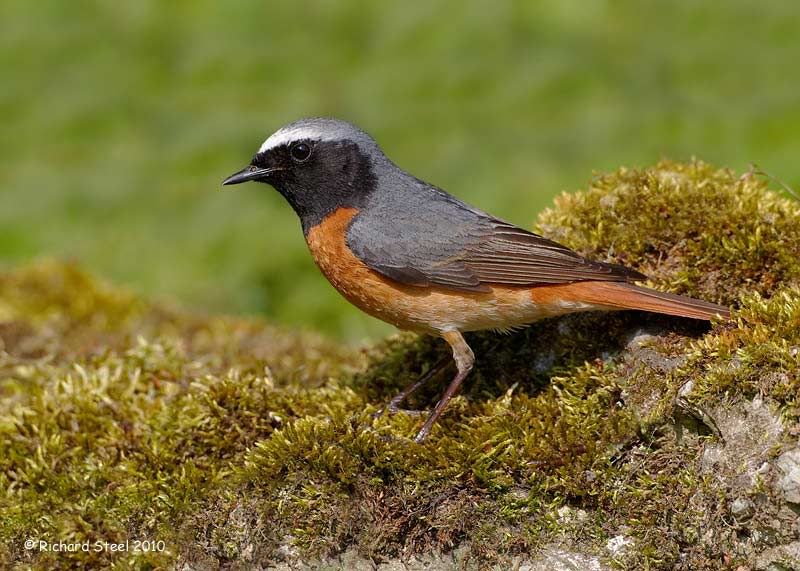
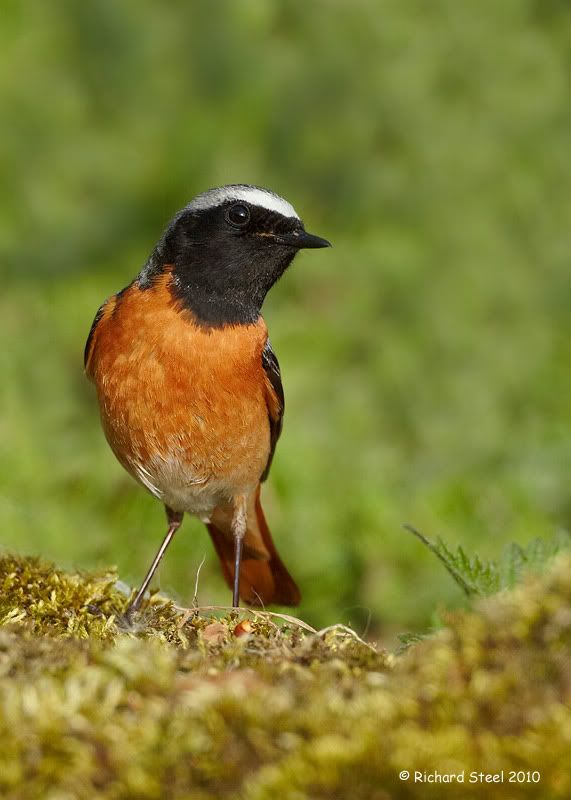
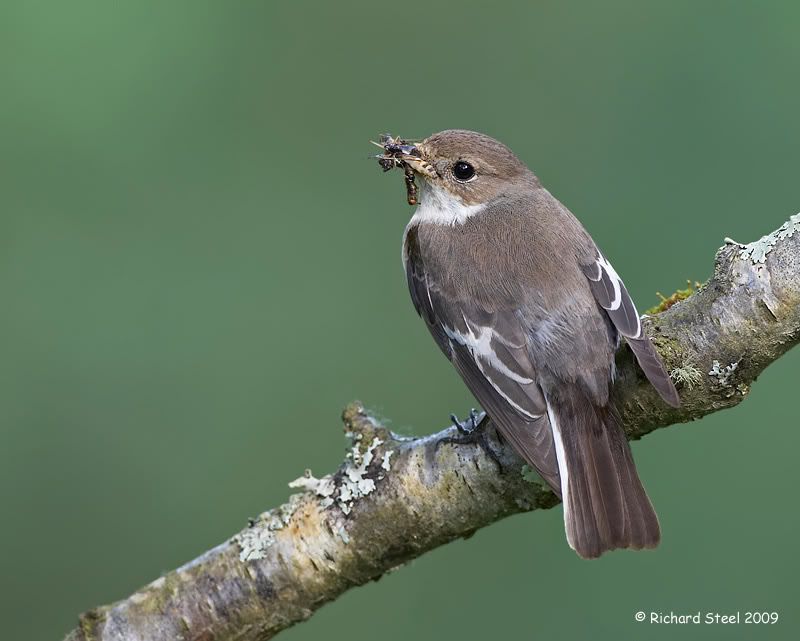
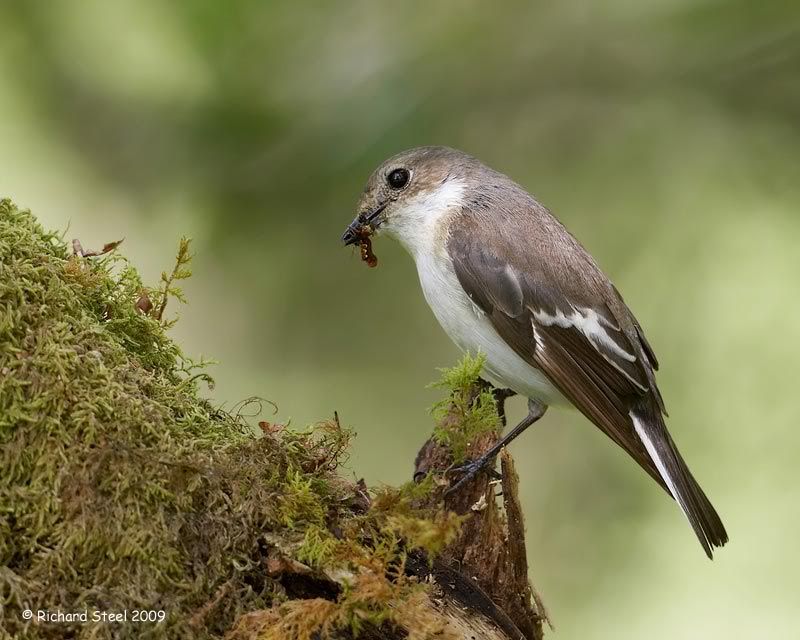
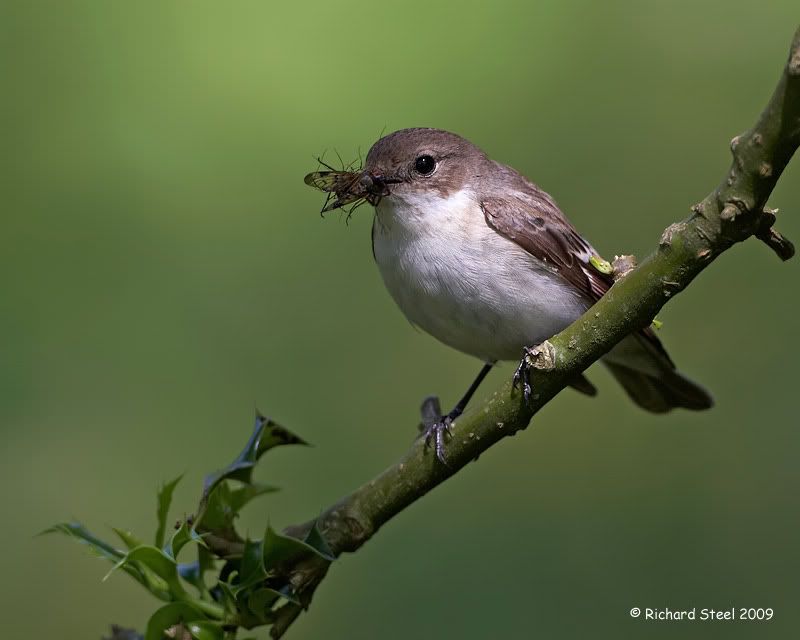
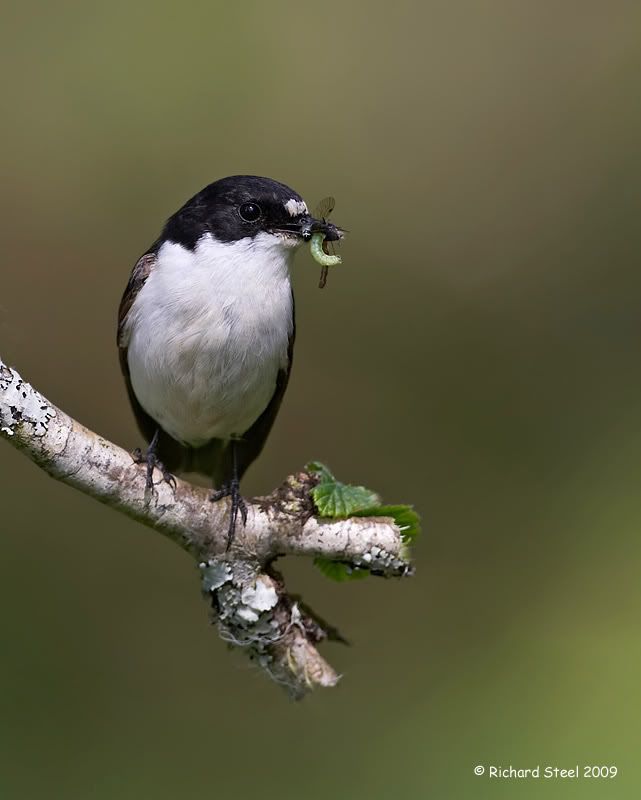
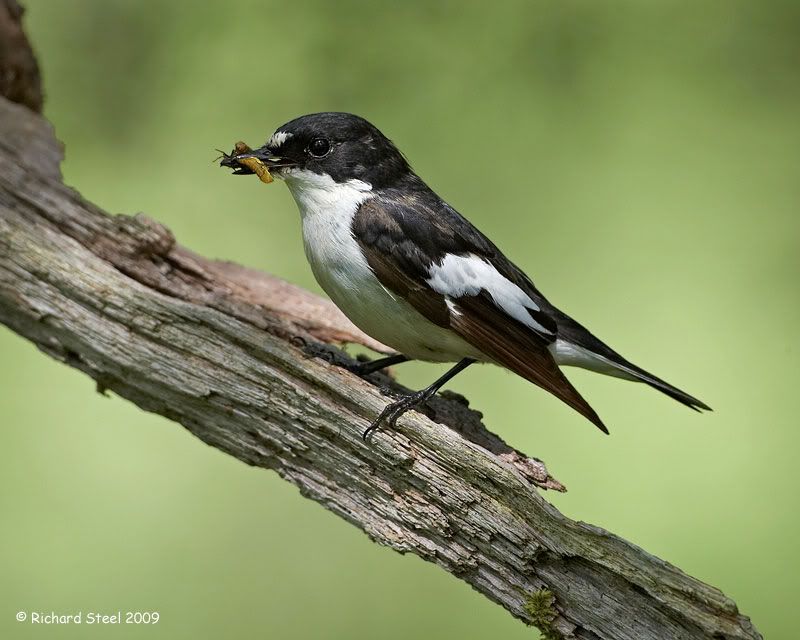
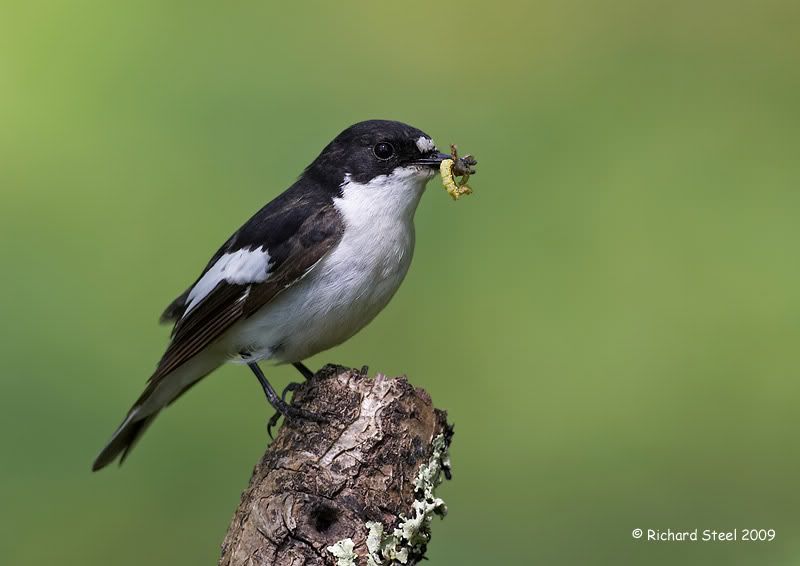
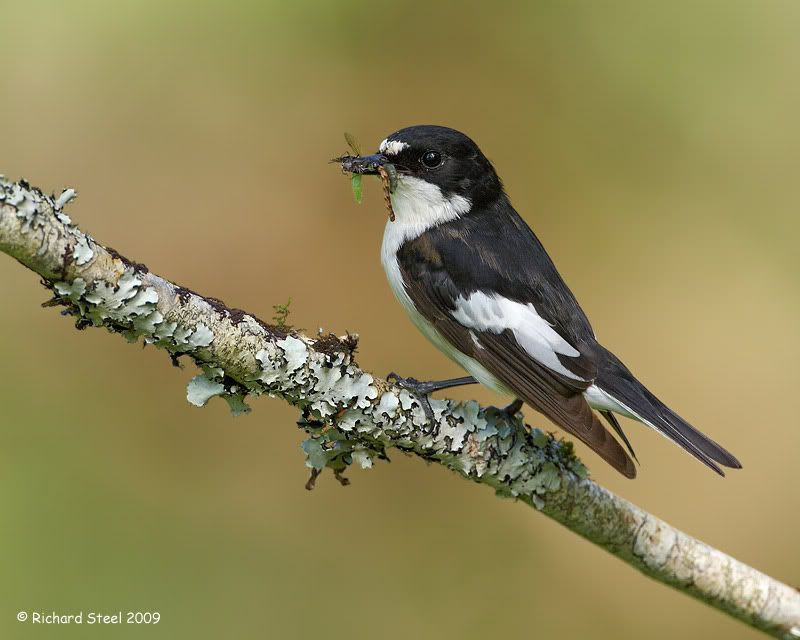
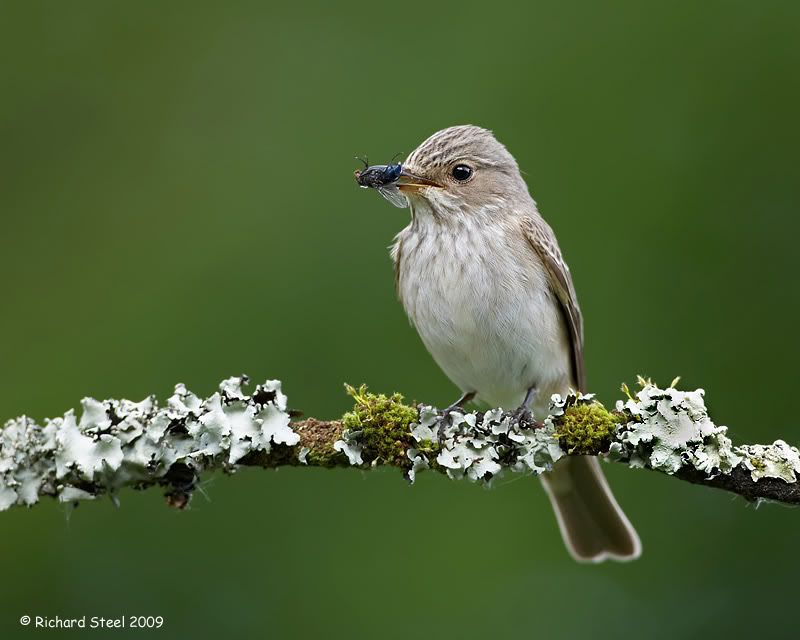
 Male and female birds passing food to each other


 Harvestman seemed a popular item on the menu.


 Posts
Posts


