'Balearic Spring' Day 1 - Heading South
I was expecting a wake up call from the the alarm at 3 am and so I was somewhat startled by being roused from my slumber by the telephone ringing. Alarm clock failure is not a good way to start a journey when you have a flight to catch. 10 minutes later saw me stumbling out of the house in to the darkness with my bags to meet my friend Steve Round for our week long trip to photograph the birds of Mallorca.
The start of our journey southwards from Liverpool was remarkably uneventful and made easier by the EasyJet hand luggage policy which certainly favours the travelling wildlife photographer. This will certainly be my airline of first choice for future trips around Europe. A couple of hours later and the orange clad plane was sweeping over the south of the sun drenched island for a smooth touch down at Palma airport. We were greeted by warm sunshine and clear blue skies as we crossed the tarmac to the terminal at a time when most people back in the UK would just be starting their working day. Our passage through the airport and collection of the pre-booked hire car passed without difficulty. The Sat Nav was plugged in and we hit the road. Cars flashing their head lights as we headed up the wrong side of the road on existing the airport soon put us on the right track.
One of the good points about Mallorca is that it is relatively quick to travel the length of this small isalnd and so our accommodation in the north, near Pollenca, would only be about 50 minutes drive. As we could not check in to our villa until 3pm the plan was to stop en route and get some photography done. Well there was no point in wasting time. Given the early start and its close proximity to our villa, we decided to plant ourselves for the rest of the day in the S'Albufera Nature Reserve. Here we could quietly sit in one of the numerous hides and let the day bgently pass. I had been to Mallorca several years ago, when I was just starting out in photography, and remembered there being lots of potential photo opportunities during a brief visit to the reserve. This wetland reserve is enormous and you could easily spend many days there and this was the first of several visits made during the week. The walk in to the entrance alone, accompanied by the explosive song of Cetti's Warbler, takes about 20 minutes.
The first day was productive and not quite as relaxing as anticipated and a large number of species were photographed and a selection of these are posted below. The purpose of this first day was to get some images on the memory cards and hopefully refine the photos for different species over the coming days.
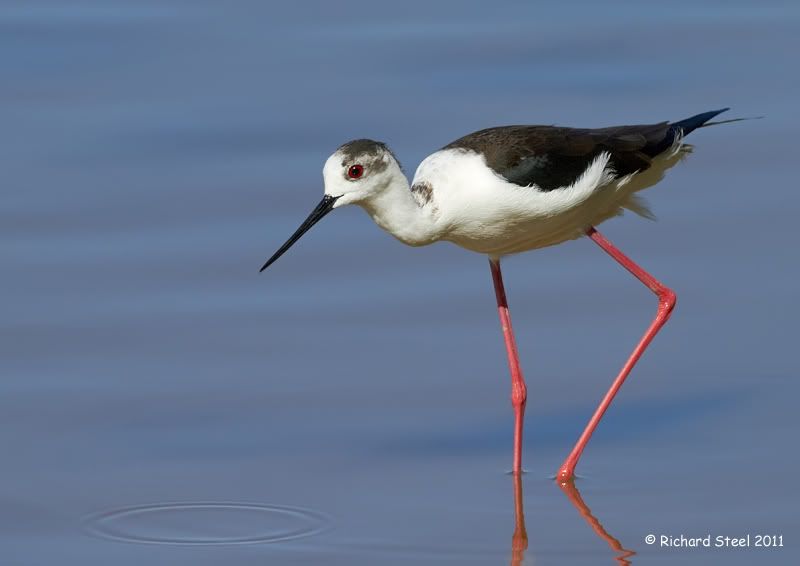
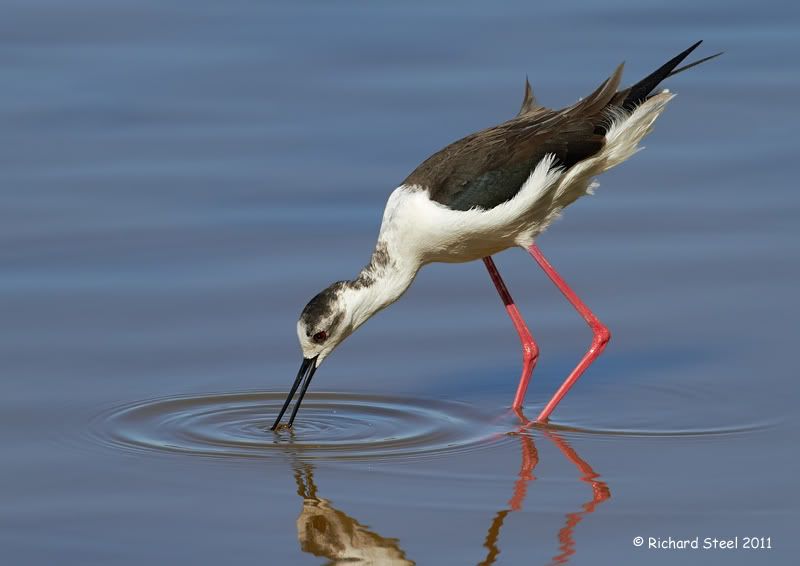
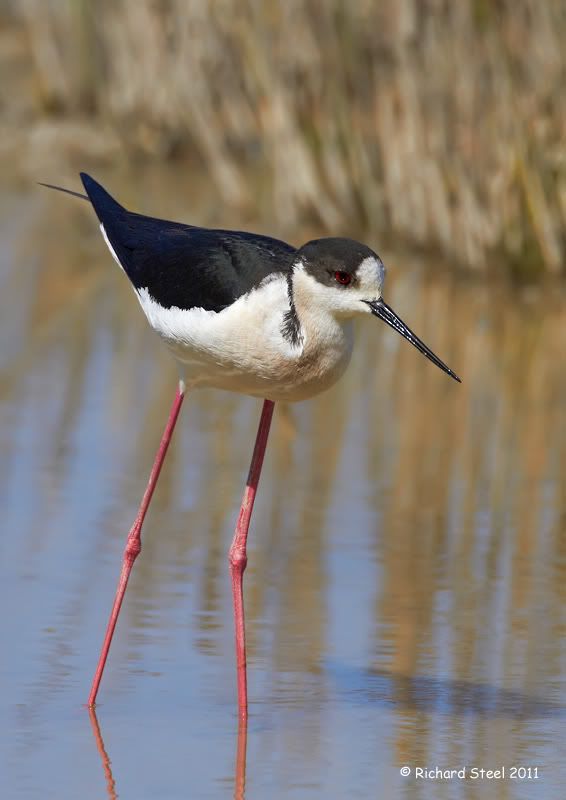
We settled down in the first hide and there was plenty of birds on view. However, conditions were not ideal as it was now late morning, the sun was high and harsh and anything at distance was partly obscured by a shimmering heat haze. As you open the hide flap the first birds that are very obvious are the Black-Winged Stilt. Very similar in behaviour to Avocets but with legs which almost border on the ridiculous in their length.
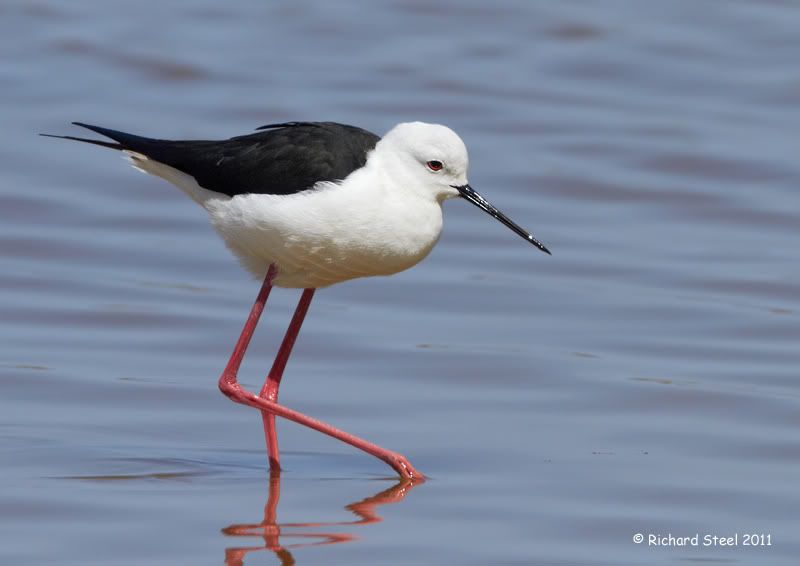
I was quite surprised by the variation in colouration of the Stilts, particularly the heads which ranged from the black markings above to the pure white in this following photo.
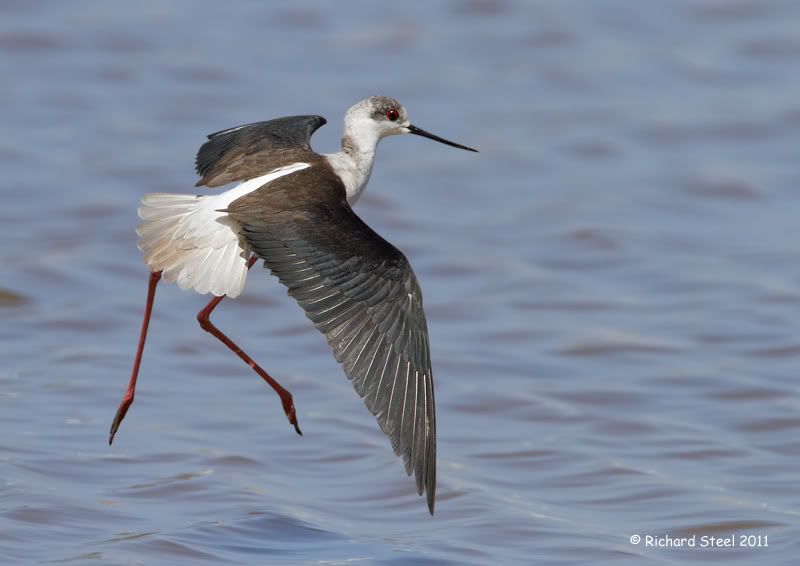
A bird coming in to land, after being put to flight by a Booted Eagle soaring overhead.
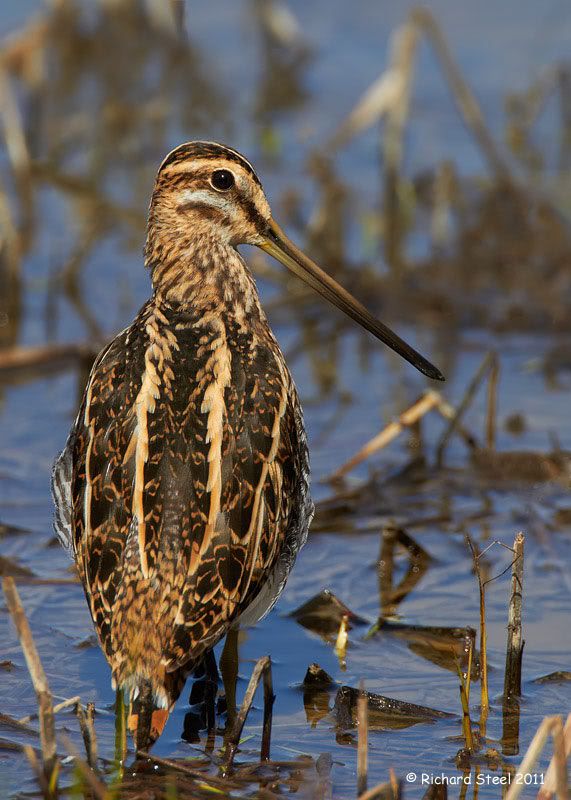
Close to the hide there were some low sparse rushes with half a dozen Snipe probing the muds in the shallow water. They are lovely little birds and thinking back it has been a while since I managed to put some before the lens.
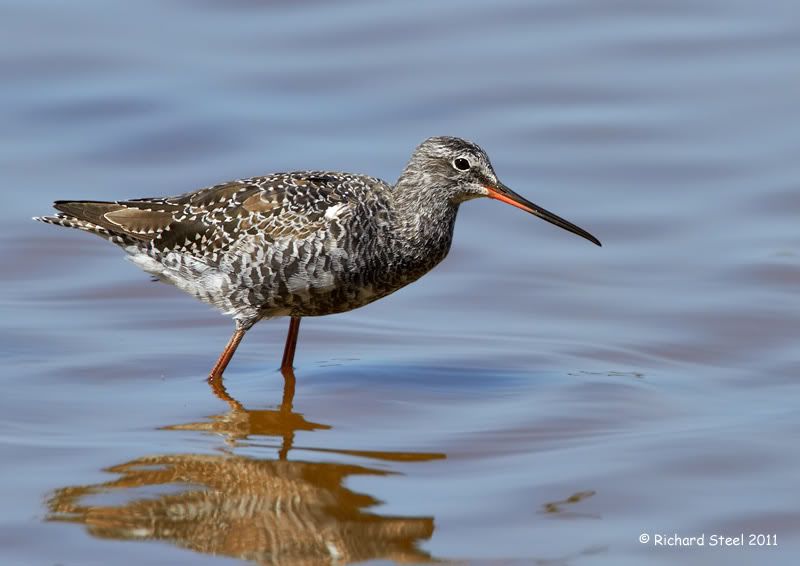
Also feeding around in the mud at the edge of the reeds was a lone Spotted Redshank which was in transition between its pale winter and dark summer plumage.
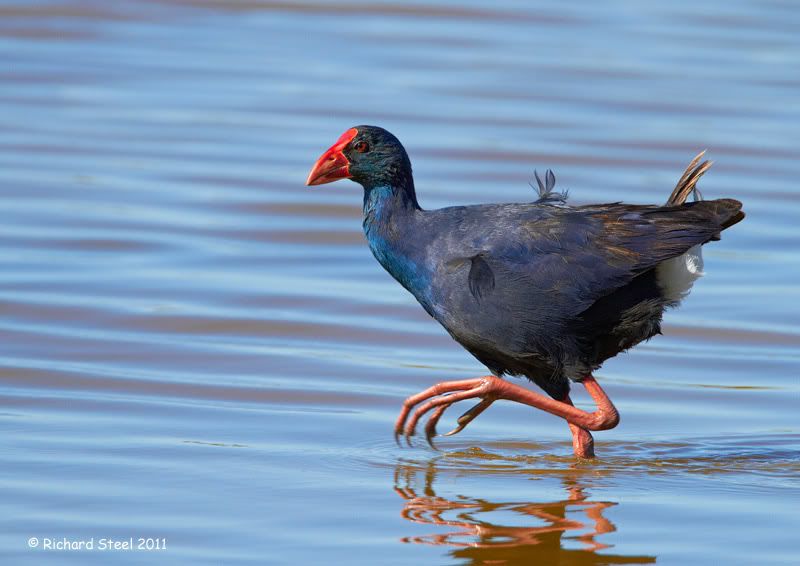
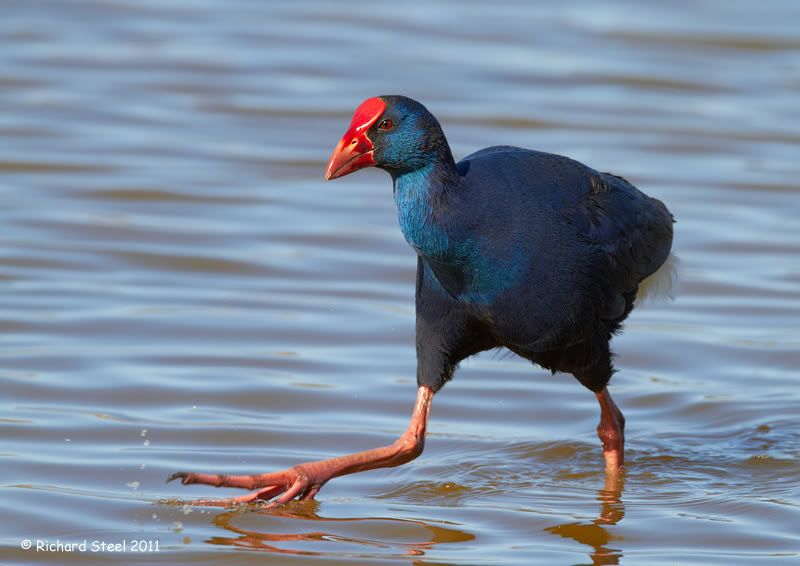
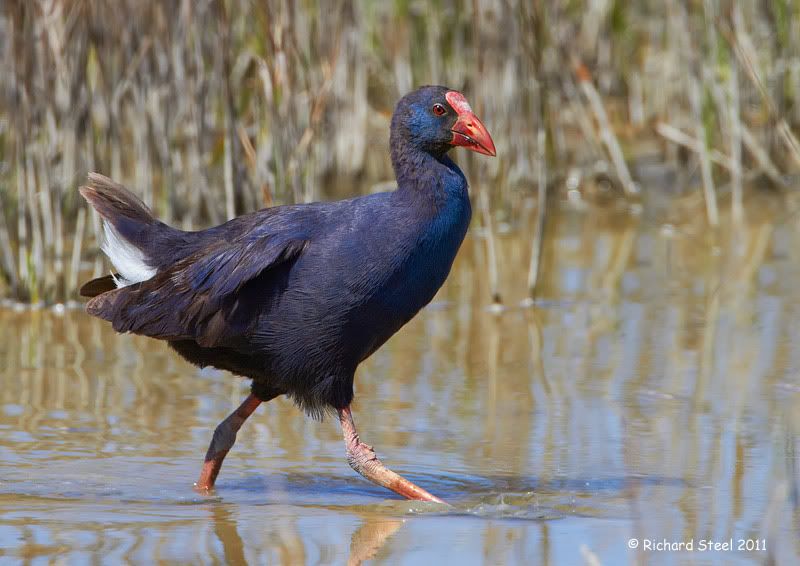
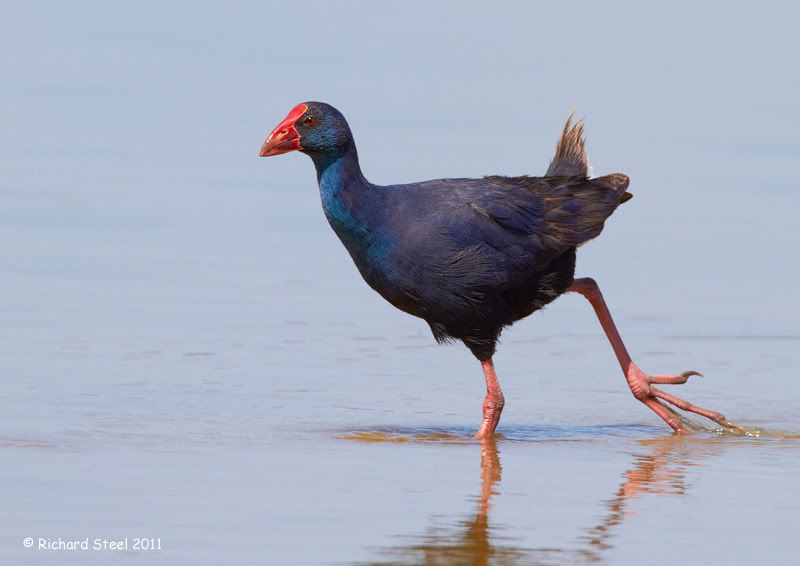
Purple Gallinule were introduced in to the reserve as a conservation measure back in the 1990s and appear to have subsequently flourished. Regular readers will recall I photographed a persumed escaped bird in Chester not so long ago. These Mallorcan birds were quite different in colour and dwarfed any nearby coots or moorhens. Every so often a bird would appear out of the reeds.
These beautifully coloured birds would then stride across the open water in front of the hide to the sound of whirring camera shutters.
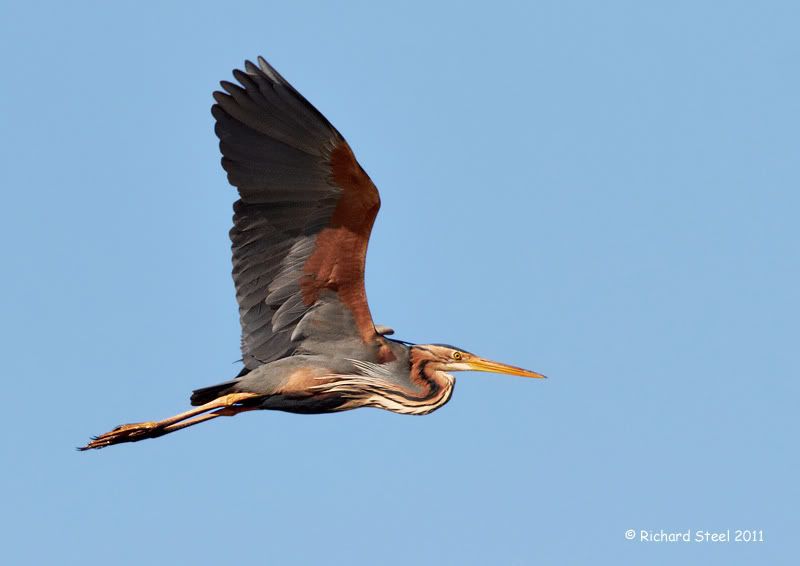
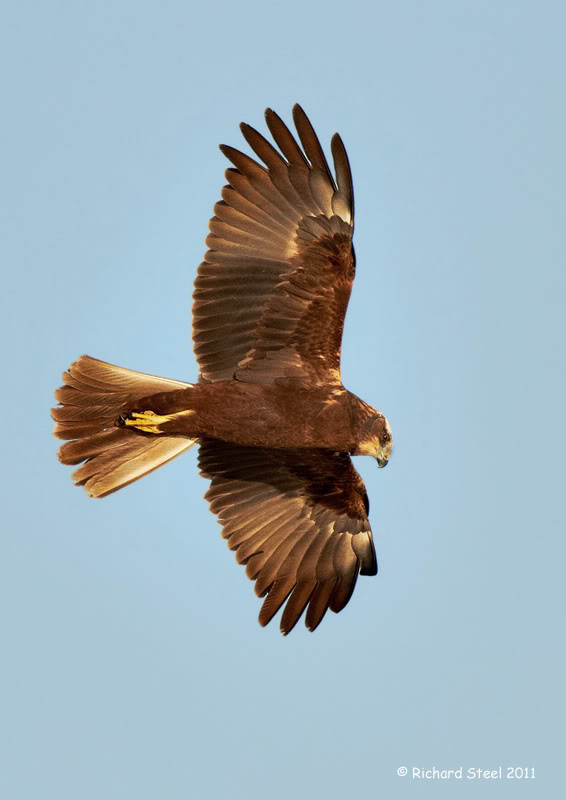
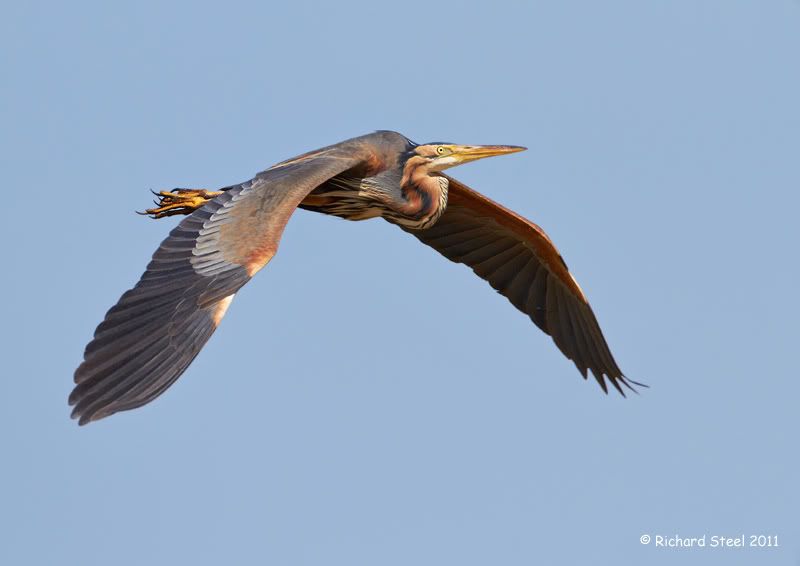
While all this activity was going on close to the hide an eye was kept on birds that were appearing at distance. Marsh Harrier fluttering in hunting flight across the shimmering reeds at distance. One of these 'birds' turned and started flying towards the hide and it was only as it approach we realised it was a Purple Heron. This is a bird I have longed to photograph and the close fly-by of a very well coloured bird was very welcome.
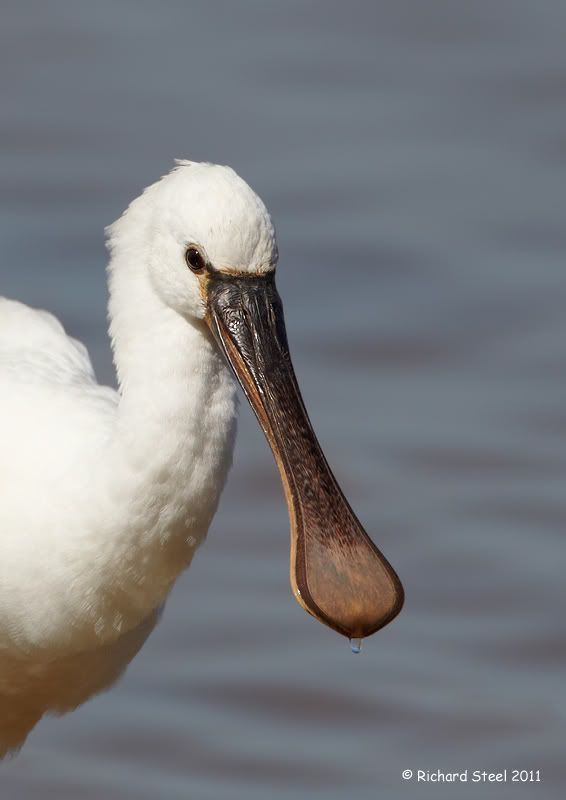
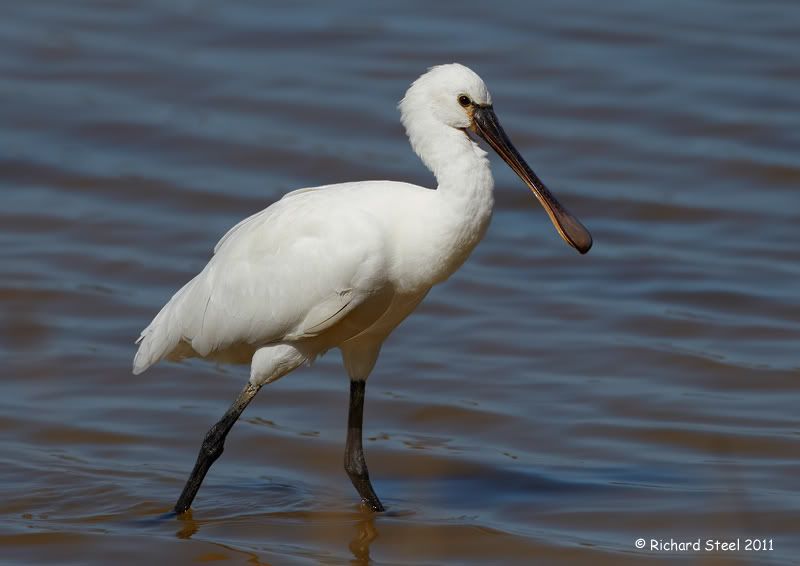
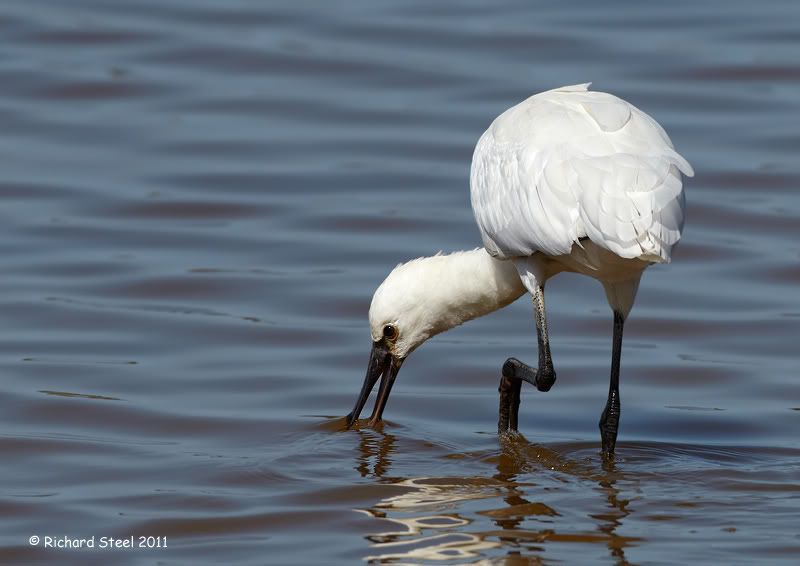
The other bird I was closely watching was a Spoonbill that was feeding at the back of the lagoon alongside some Little Egrets. This is a bird I have never photographed , except in a zoo, and I was hoping it would make its way over towards the hide. My patience was eventually rewarded.
It was interesting to watch these birds feeding as they scythe their partly open bill in broad sweeps back and forth through the water.
We decided we would have a quick look around at the other hides nearby to see what they had to offer before the reserve closed in the early evening.
The lagoon in front of the next hide was deserted but adjacent was an Egret colony. The gurgling noises from an Egret colony were bizarre and unfamilar.
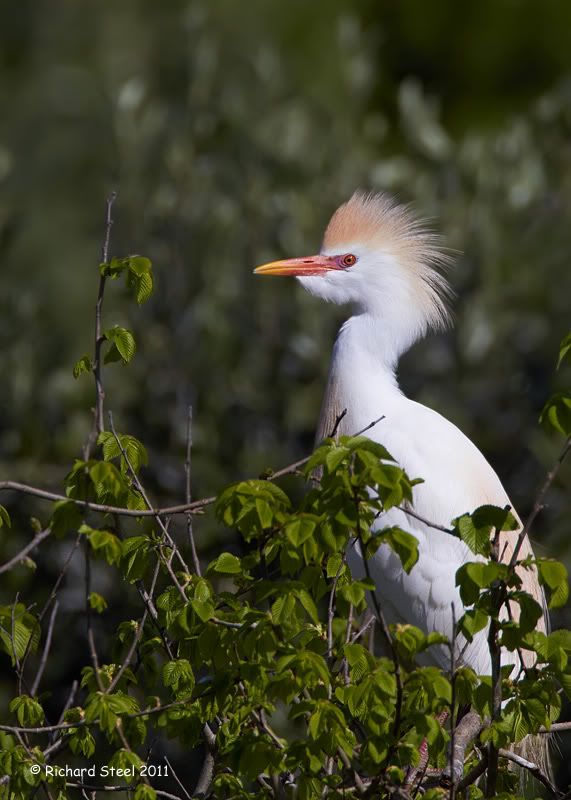
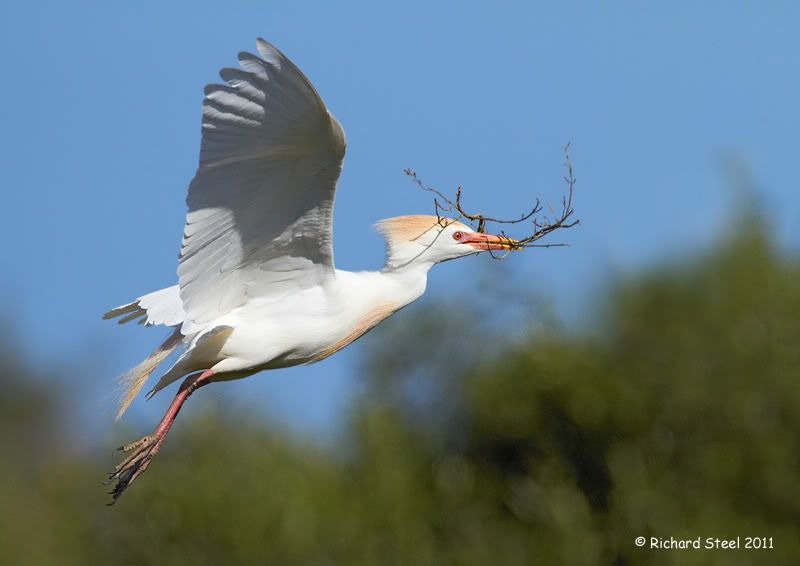
A Cattle Egret in fine breeding colours perched in one the trees.
Numerous birds were flying in with sticks for nest building. We decided that we would return to these Egrets when the wind was hopefully in better direction and so just took a few photos of the in-coming birds. I will post some more of these flying Egrets in subsequent posts.
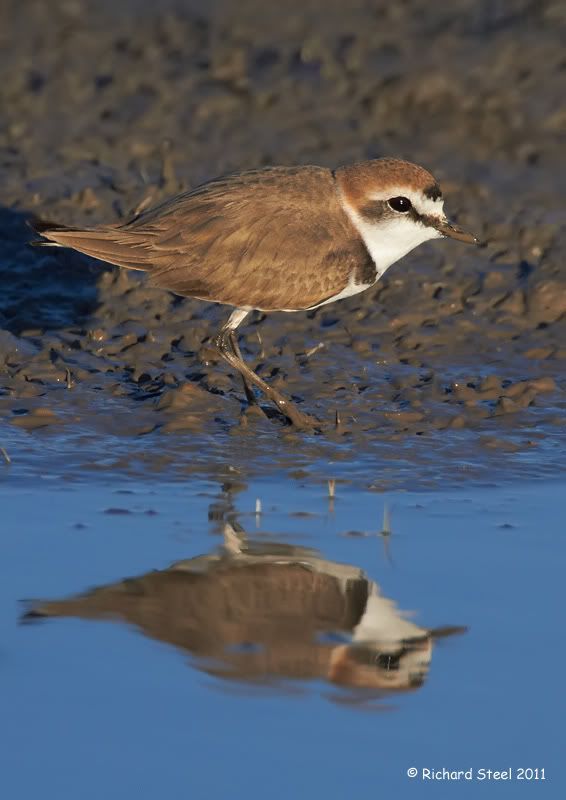
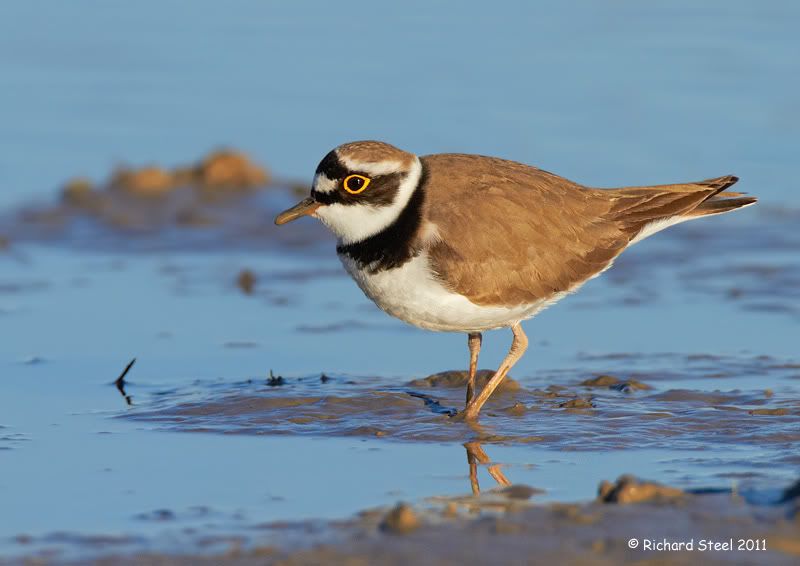
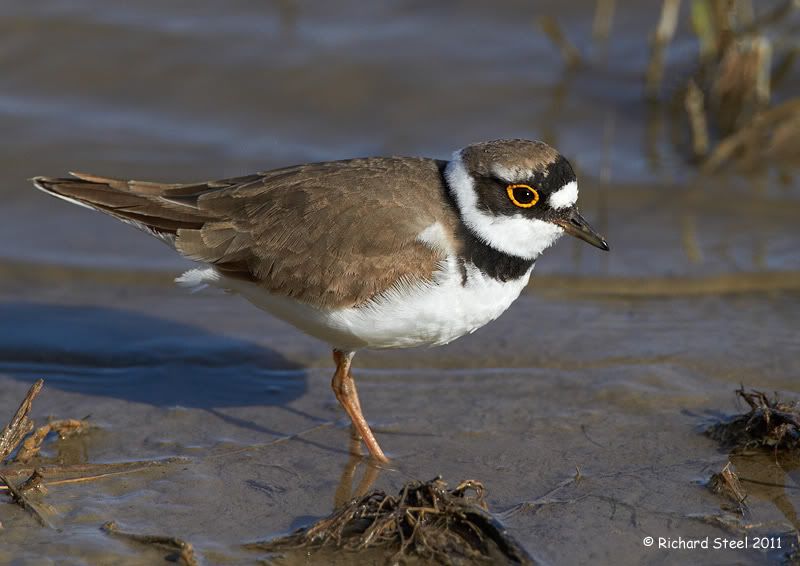
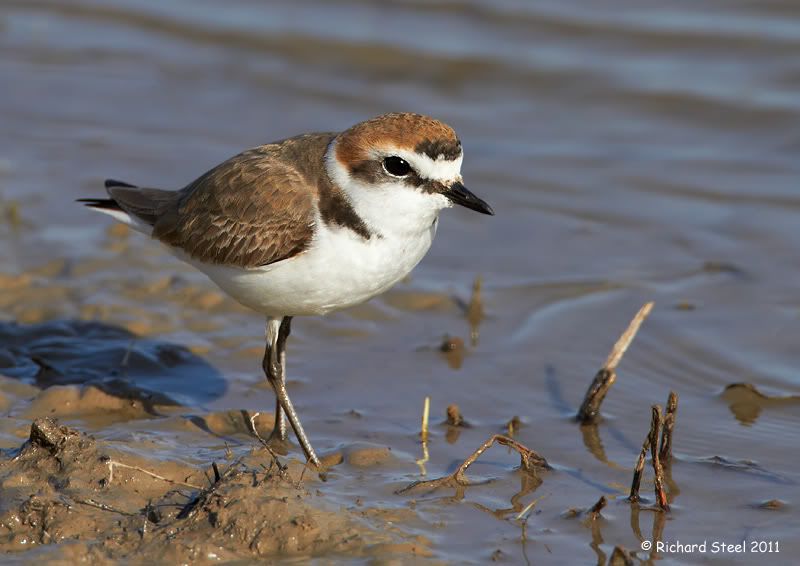
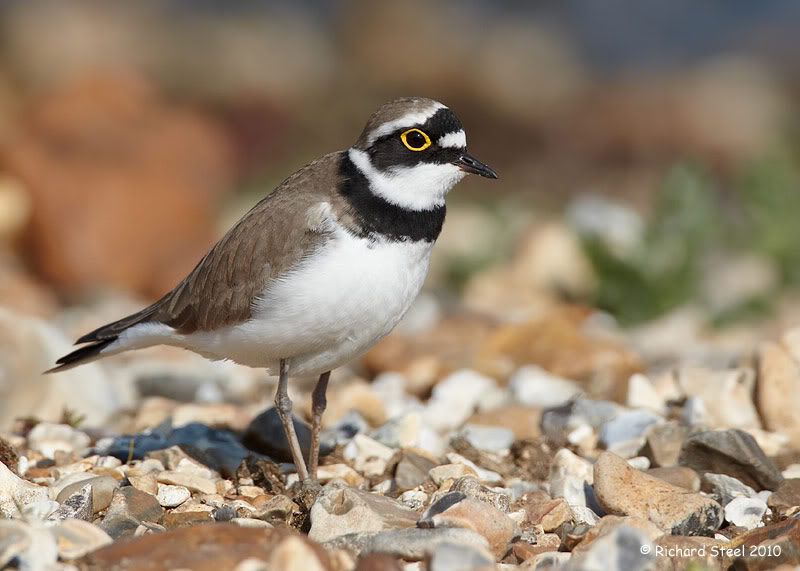
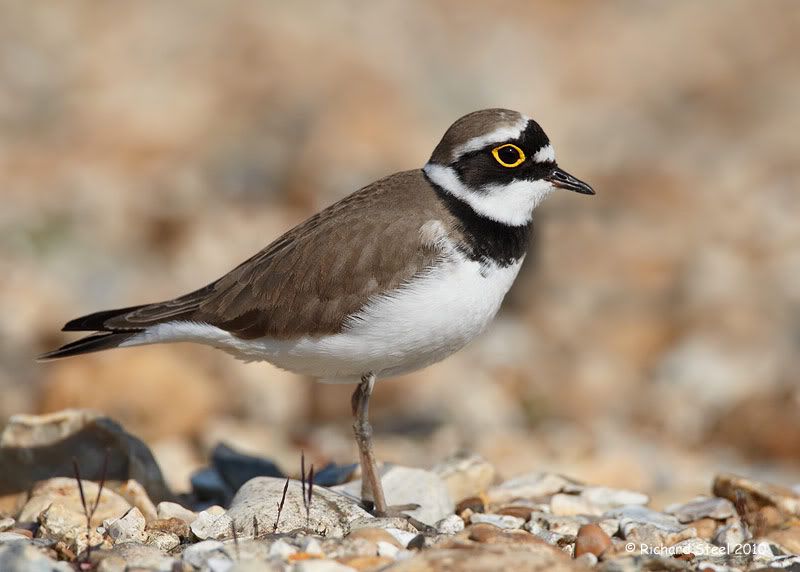
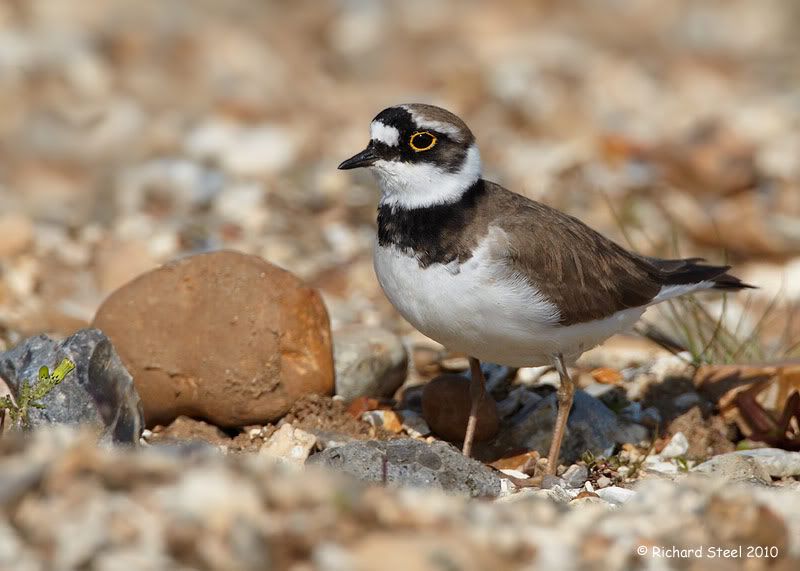
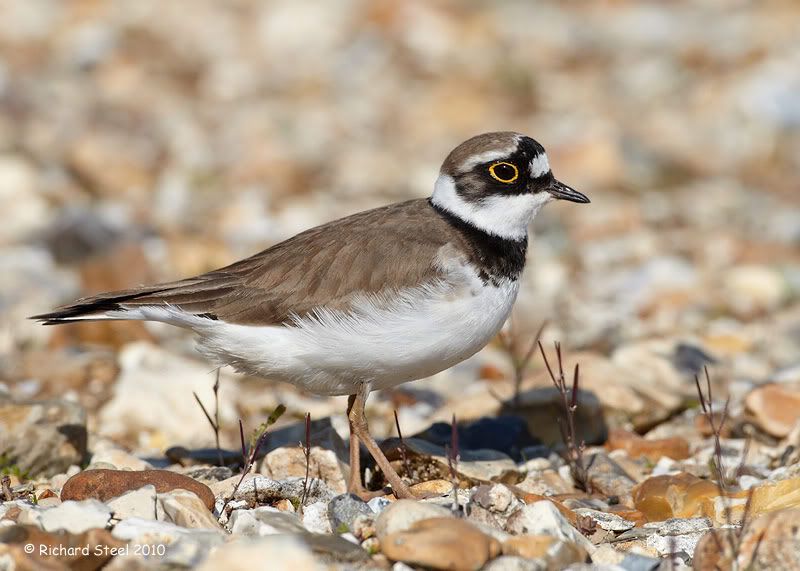
We wandered over to another hide which looked to be in a good direction for the late afternoon sun. It was fairly quiet here but it did provide us some opportunities to photograph both Little Ringed Plover, a scarce bird in the UK, and Kentish Plover at very close range.
I must admit I was quite taken by the Kentish Plover, which I have not seen before, and the males looked very smart with their rust coloured caps.
A great start to our trip although towards the end my energy levels were certainly flagging after the early start to the day. After leaving the reserve, we swung past Pollenca beach to check for Audouins Gull, a bird we would return to photograph later in the week. After a quick call in to the supermarket for some supplies we eventually arrived at the villa after a very, very long day.
I had no trouble falling asleep that night whilst being serenaded by the distant repetitive monotone hoot of a Scops Owl and occasional call of Stone Curlew. I was already looking forward to the early morning start the next day.





 Posts
Posts


