Showing posts with label Common Sandpiper. Show all posts

Saturday, December 07, 2013

Rothiemurchus Ospreys - Day 2 and a Bit

This is the second and final part describing my trip to Scotland earlier in the summer to photograph the Ospreys at Rothiemurchus. Before I get on to those magnificent birds of prey, I will spend a couple of moments to show a few images of other birds that appeared in front of and around the hide. These birds provided a good distraction while waiting during the occasionally prolonged quiet periods between Osprey dives. As with many types of wildlife photography involves periods of quiet tranquillity interspersed with moments of intense action by both wildlife and photographer.

A Grey heron was present on and off throughout the two days. During the whole time it was present over the two days, I never saw it catch any fish although to be fair it did only made a couple of half hearted fishing attempts.

The big bird gracefully coming in to land

Standing around preening in some typical Scottish summer weather.
The other bird to grab my attention was a hyperactive Common Sandpiper which spent a good deal of time in front of the hide and at times was too close to focus on. It was very good to see this small wader up so close for a change and with the benefit of the sunken hide putting the bird at eye level. However, it proved quite tricky to get photographs due to the length of the grass but after quite a bit of effort I managed to get a few images I was happy with.


Time to move on to the Ospreys. The second day saw another early forced departure from bed with it still being dark outside. A quick look out of the hotel window unfortunately showed the previous evenings forecast to be correct with a leaden blanket of grey above. Light was going to be limited.

For this morning session we opted to chose the second of the two new hides at the far end of the pool. We had about three dives in total that morning  from an un-ringed bird, one of which again very close to the hide. Not the most productive of mornings particularly with a challenging lack of light to play with but still a memorable session in its own right to watch this specialist predator once again in action.


After returning to the hotel around mid-morning for breakfast and a by now much needed sleep we returned to the hides in late afternoon for the final evening session. However, the evening followed a very similar pattern to the previous one, with the rogue 'Red 8T' bird patrolling above and keeping all the other Ospreys away from the pool.

The next day saw Andy's workshop starting and I was due to have breakfast and then start the long journey southward. However, there was still a hide available which allowed myself, Rob and Dave a final morning session.. A spectacular morning of action it turned out to be with around 17 dives during the session. The wind was not in the ideal direction for the hide we were in but it still provided a good variety of photo numerous opportunities. Included amongst the plunging Ospreys was the un-ringed bird together with  'Blue DF' and of course the notorious 'Red 8T'.

A selection of images from this final busy session can be found below.

At first glance it looks like this may be a miss and the fish may of had a lucky escape but somewhere at the back there will be a talon firmly locked on.
 An osprey dive is not without a lot of flying spray.

We even managed to get some welcome sunlight.


 Some sunlight shining through those broad powerful wings


Full stretch with and without fish

The restrictions on visibility and speed of the dive prevented actually capturing ospreys at the point of hitting the water. I just managed to catch this one which will give you an impression of the power of an osprey dive.
 Water quickly falls off the bird once they have made it back into the air leaving a trail of spray in their wake.
So there you have it. Two and bit days with the wonderful ospreys that visit Rothiemurchus, spent with some great company and with the bonus of some rare Scottish sunlight. You cannot ask for much more than that and I am left with memories of my mini adventure in Scotland that will stay with me for a very long time to come.

Wednesday, October 12, 2011

Too Late for Terns

Each summer I like to have at least one good session with some of the local Common Terns. I have always been attracted to the streamline elegance of these 'swallows of the sea', particularly during their twisting acrobatic flight. This year the mental alarm clock kept ringing out that it was time to pay them visit. However, due to other commitments the trip ended up being continually postponed until way past the optimal mid-summer period. For wildlife photography timing is key, particularly with birds, and so my expectations for the session ahead were not very high as I slipped out of the house before sunrise.

I arrived in the hide with numerous terns circling overhead but none were landing on the odd assortment of perches close by. If I had managed my trip a couple of months earlier they would have be queued up with plenty of flight opportunities. I would pay for my delay. While waiting for a tern to put in an appearance I had a look around to see what else was on offer.
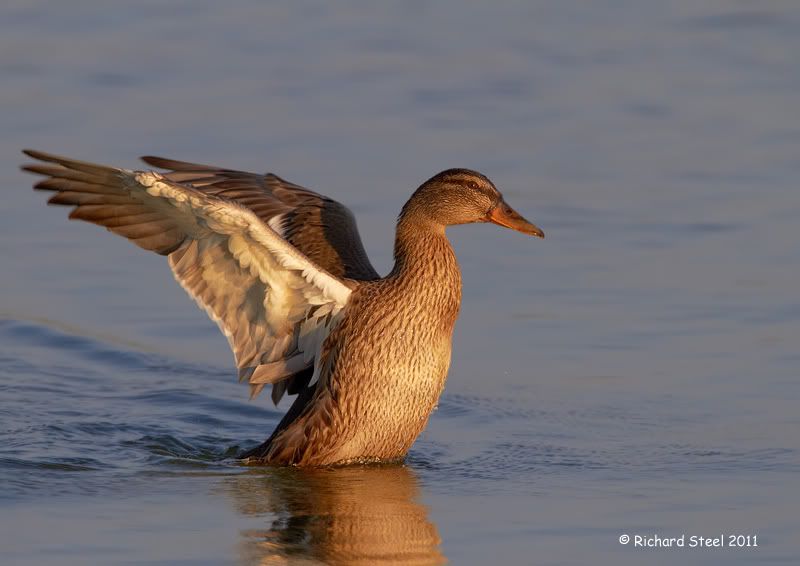
The ducks were waking in the first rays of sun. A female mallard warming up the flight muscles.
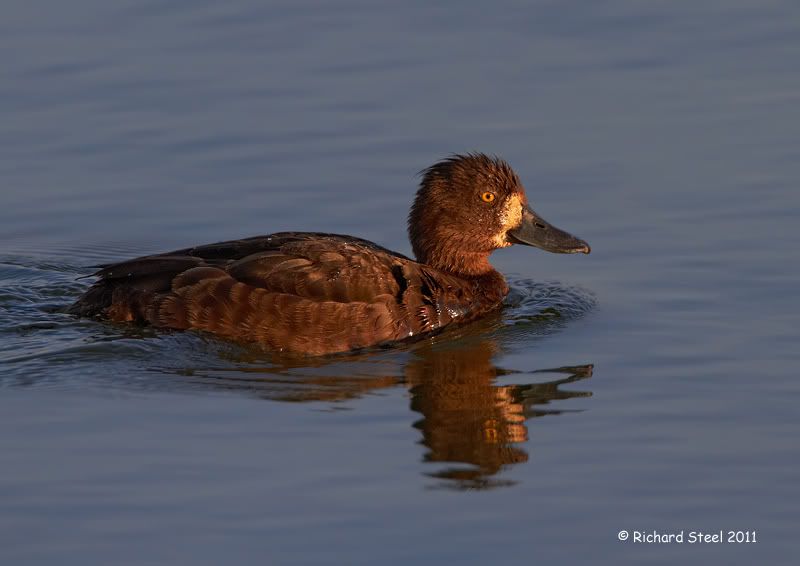
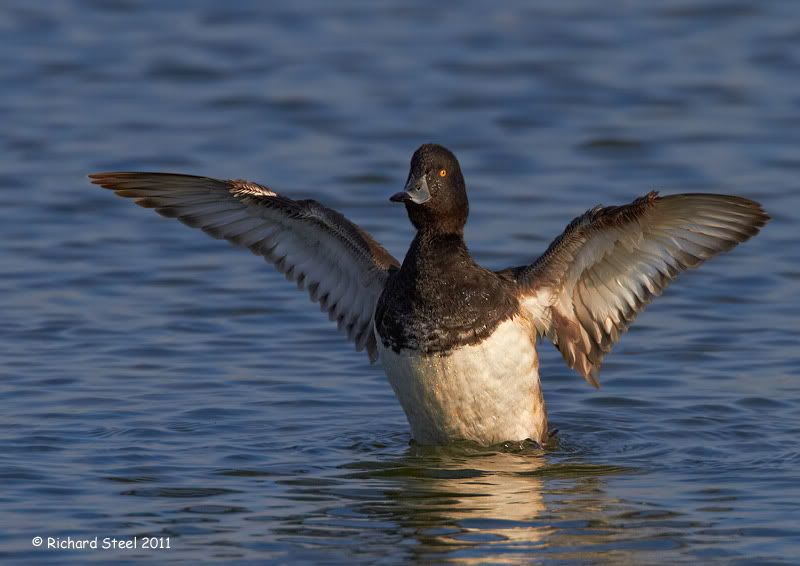
A Tufted Duck glided slowly by while a male was stretching its wings.
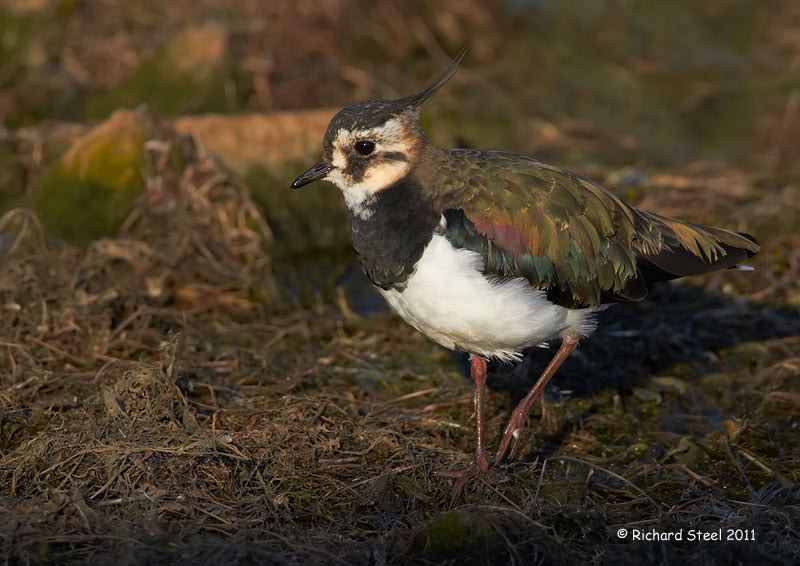
Still the only terns were circling around the lake or landing on their floating nesting pontoons. Looking out the side of the hide a Lapwing was close-by and moving with characteristic stop and go walk of a plover. The rainbow hue of the shoulder feathers gently glowed in the early sun.
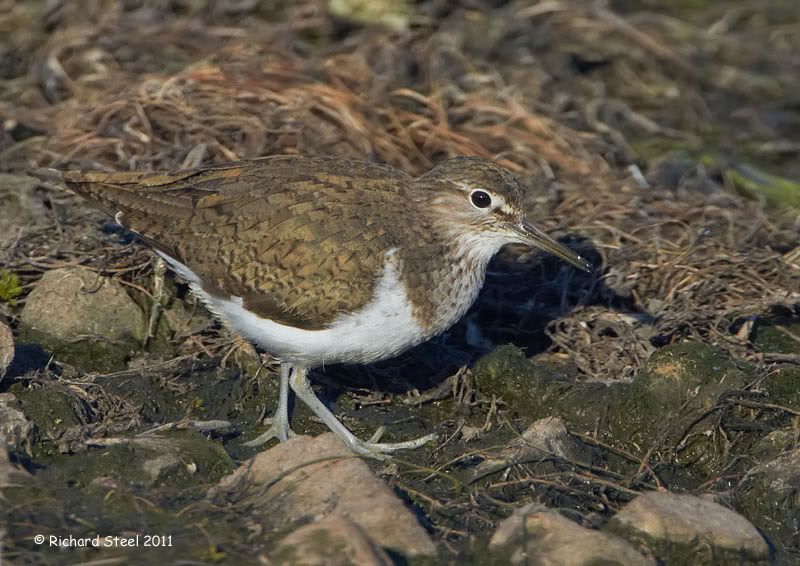
Still no terns. Further along the bank I waited as a hyperactive Common Sandpiper approached the hide. These birds never stop moving and this one was rapidly feeding on small flies that had gather around the muddy debris along the lake margin.
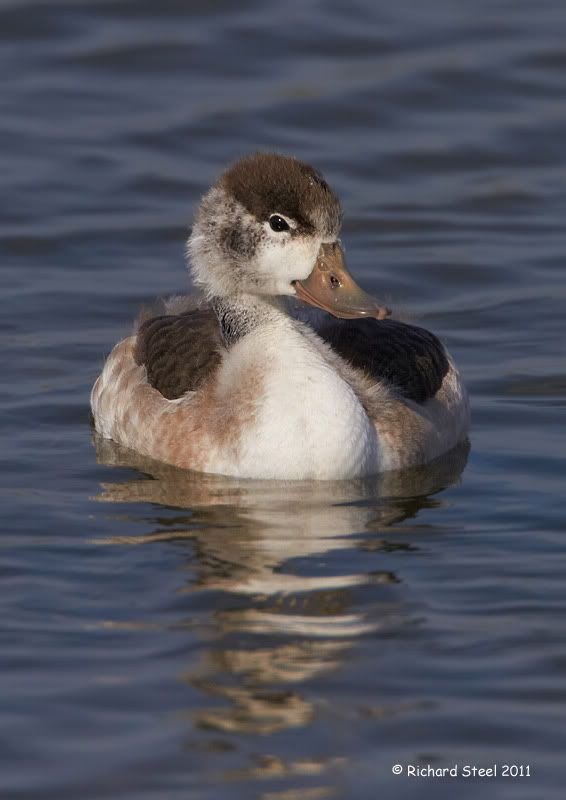
The tern perches remained vacant. A strange looking duck approached across the water. It took me a little while to decide what it was, having not seen a young Shelduck previously.
The species list was growing but the tern photography was failing. Eventually one bird landed briefly.
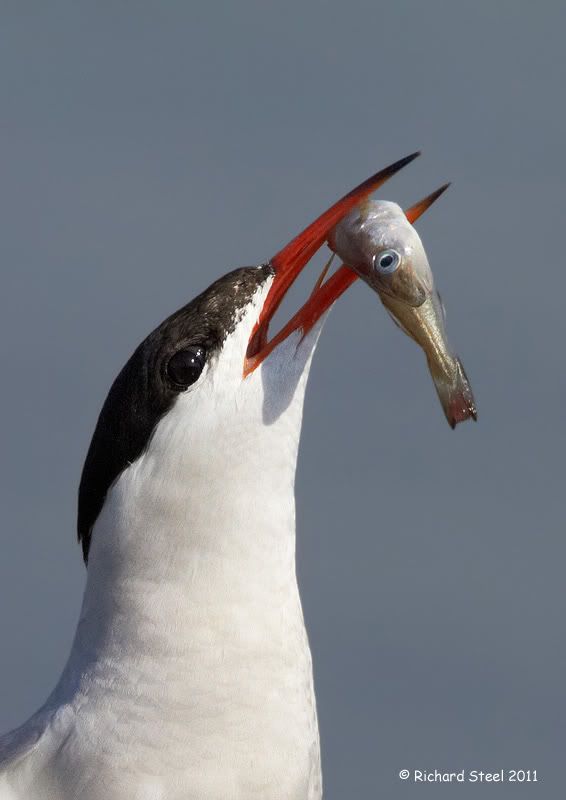
A second tern then arrived with what looked to be a young whiting firmly clamped in its beak.
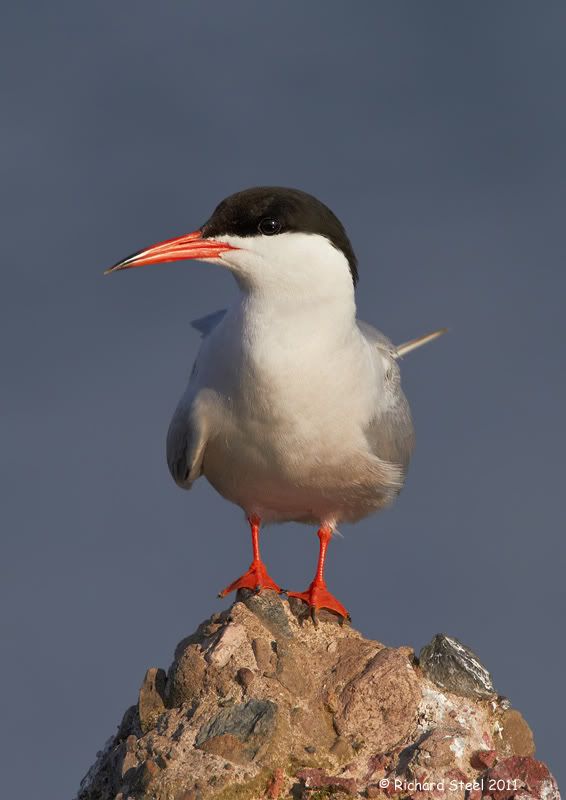
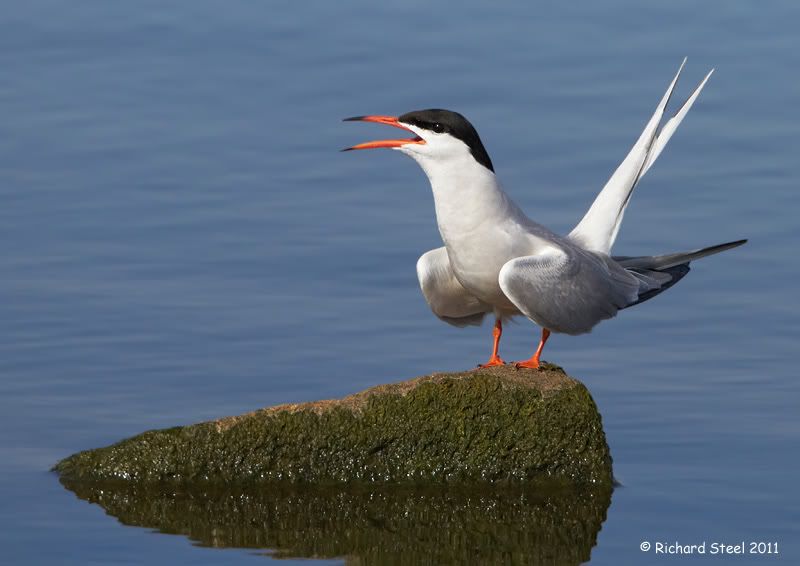
One final bird arrived and threw a characteristic tern shape while calling to the birds flying high overhead.
I will admit it was not the most productive tern photography session which was entirely my own fault for not making the time to visit a few weeks earlier. Nevertheless it was an enjoyable morning spent with a small variety of birds in front of the camera. As I often say, there is always next year :)

Thursday, April 24, 2008

Avocets and Godwits
I dropped into Marshside while passing the other day. There was a reasonable amount of bird activity in front of the hide but the light was not at its best. I was hoping there would be numbers of Black-tailed godwit there but the most numerous birds were avocets. Avocets are entertaining to watch and if they are not squabbling amongst themselves or with other birds, they tend to be mating!!
The prelude to mating.Shortly followed by.......
In a brief moment of sunshine
A Common Snadpiper also put in a brief appearance. A difficult bird to photograph as they never seem to stop in their foraging along the water's edge.
A couple of Black-tailed godwits were present and keeping a good distance between each other. Superb looking birds in their summer plumage.

Monday, August 20, 2007

Marshside in the Gloom

I went over to Marshside RSPB at Southport on Saturday afternoon, despite the dire weather conditions, and met up with a fellow bird photographer in one of the hides. It was very quiet with most of the photography action occuring in the first 10 minutes with a solitary snipe
and a hyperactive Common Sandpiper which disturbed the snipe, before disappearing itself
All was then quiet for the next two and half hours and I passed the time watching the Glossy Ibis at very long range through the binoculars. Just before the hide was due to close a male shoveler came into range. I could not decide if this was in eclipse plummage or a young one.

A head shot showing that remarkable filtering beak (unfortunately due to the image size on the Blog you cannot see the filtering filaments that show up in the high res image)

LinkWithin

Related Posts with Thumbnails