Thursday, December 09, 2010

Wandering Waxwings

As many will know there has been a mass invasion of waxwings in to the UK this winter. Not only did the birds arrive much earlier than usual but they arrived in large numbers right down the length of the east coast. These irruptions are usually the result of failure of the berry crop in Scandinavia. The birds have slowly been eating their way south westwards and given the numbers that have appeared, I have been waiting for some to turn up locally.
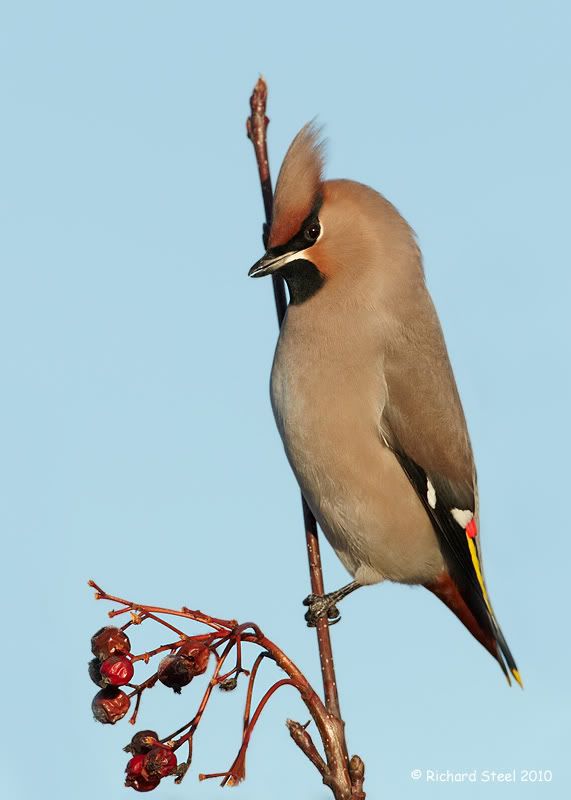
I decided the other day it was time to head out to find a flock. Waxwings are not only a very beautiful and 'exotic' looking bird but usually great fun to photograph. My previous experience of Waxwings has been in city centres where they have taken up temporary residence in a tall tree next to berry-laden rowan and the flock has repeatedly descended together to quickly feed before returning to their high perches. So it has always been a fairly easy matter of waiting next to the tree for these unusually tame birds to descend.
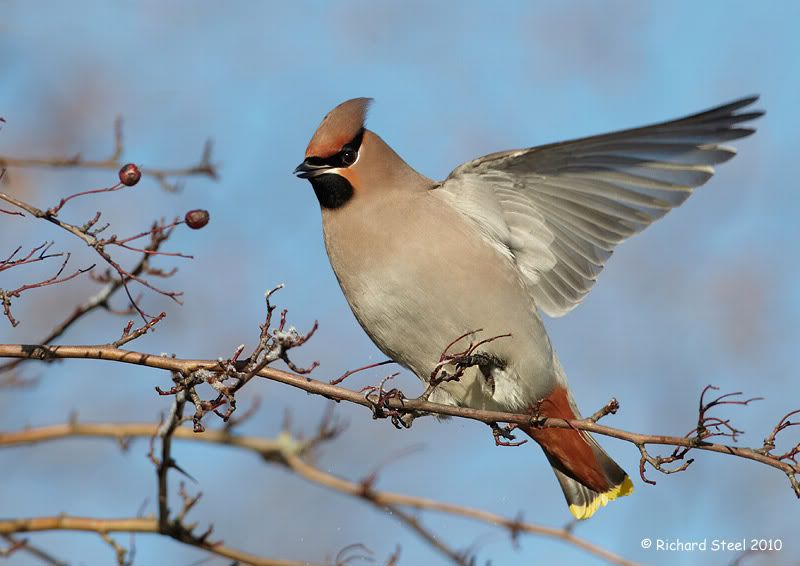
However, the flocks this year have been surprisingly mobile and hard work. My theory is that this is a result of the bounty of berries available and the birds are flying around to pick off the cream of the crop. This has made them from my experiences more challenging as they seem to take up temporary residence in a large area rather than around a particular tree.
A bird with a tough decision of which berry to go for next.
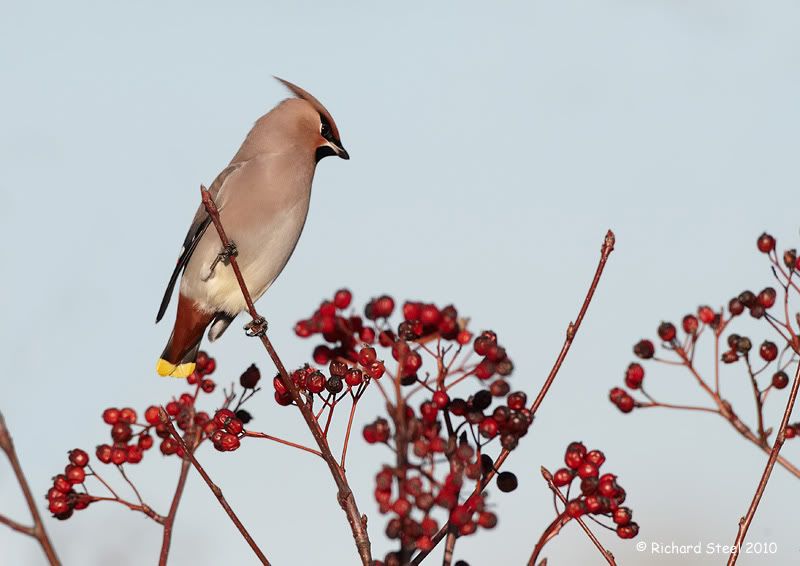
The first flock I located around the back of a building on an industrial estate after hearing their distinctive rapid trilling call. Unfortunately they were busy feeding on a hedgerow of hawthorn which from a photographic point of view is less favourable for good backgrounds than the rowan due to the densely packed branches.
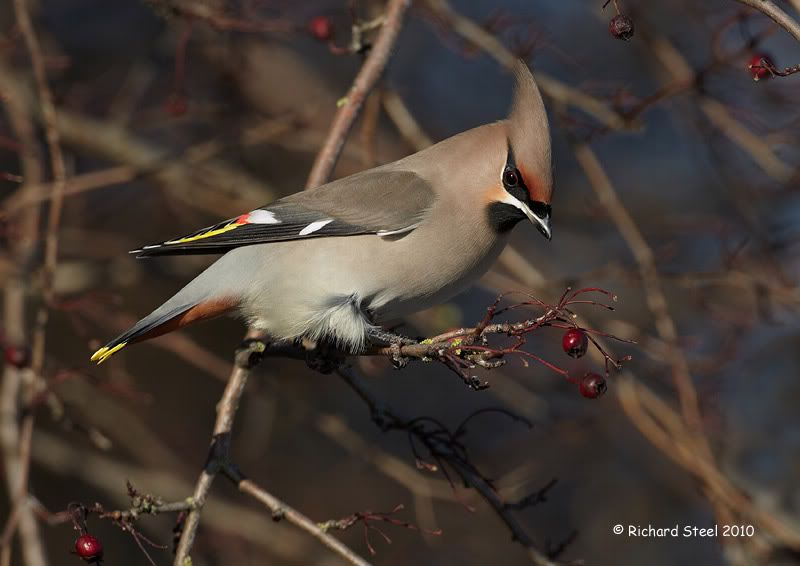
Another Hawthorn berry bites the dust.
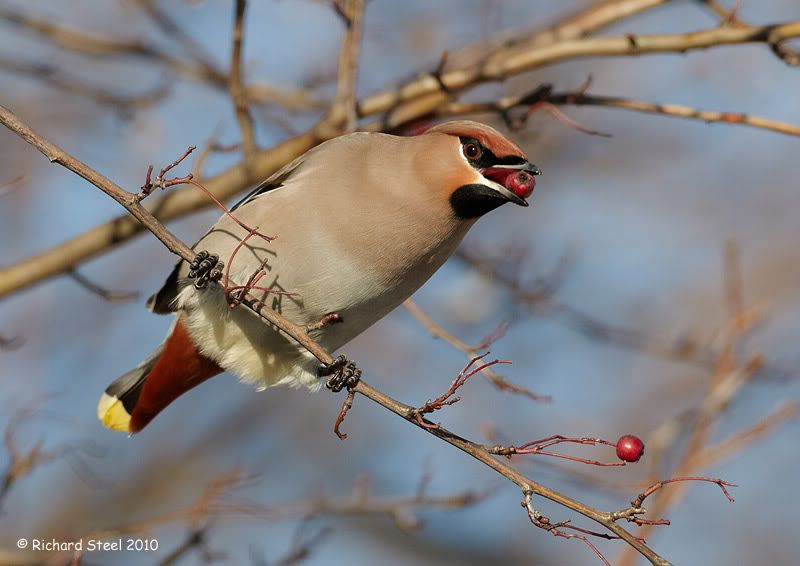
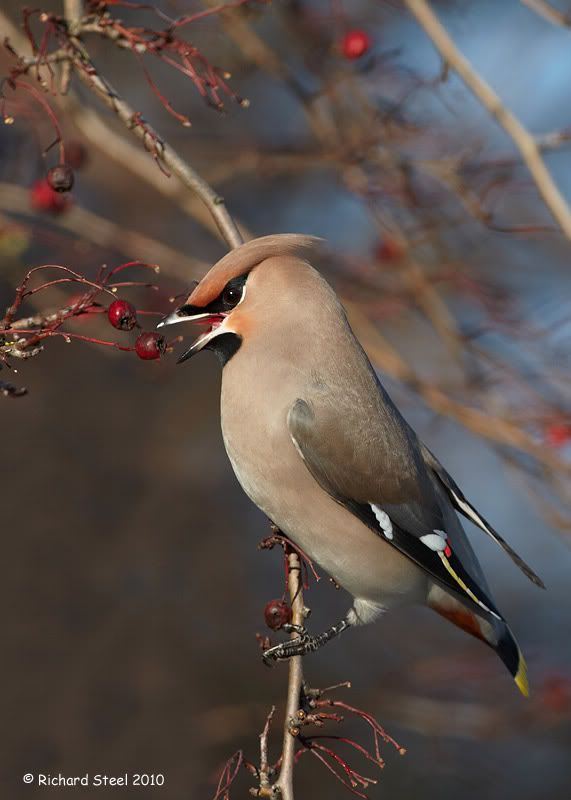
The birds need to drink large quantities of water to wash down their berry diet and frequently flew up to the gutter on an adjacent building, due to the limited water supply with the frozen conditions.
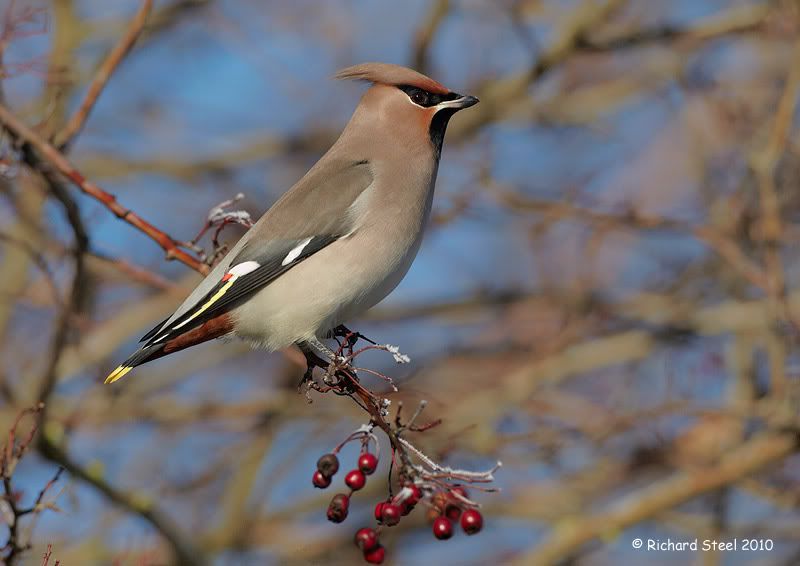
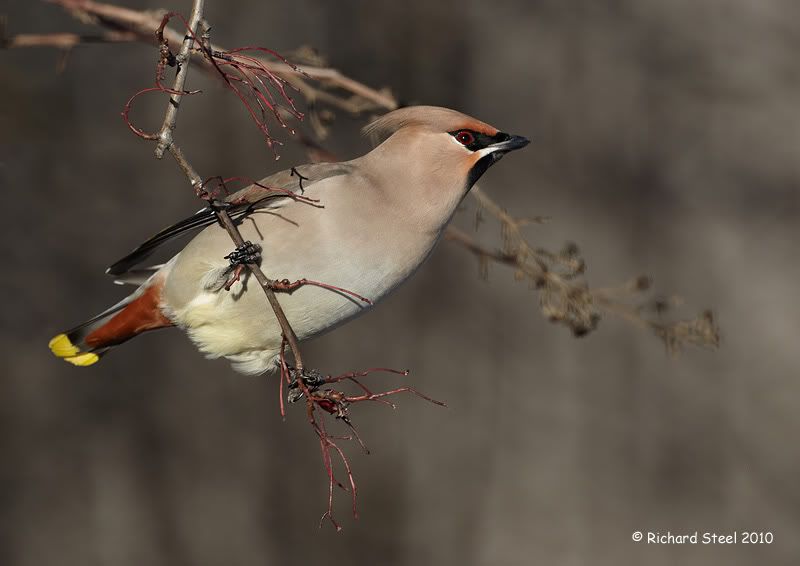
The second flock I encountered were feeding on a couple of small rowan trees next to a busy roundabout but were only coming in every 30 minutes or so to feed for about a minute before flying way off in to the distance. It looked like they were made more nervous by the proximity of the traffic and a passing lorry was the usual cause of them departing.
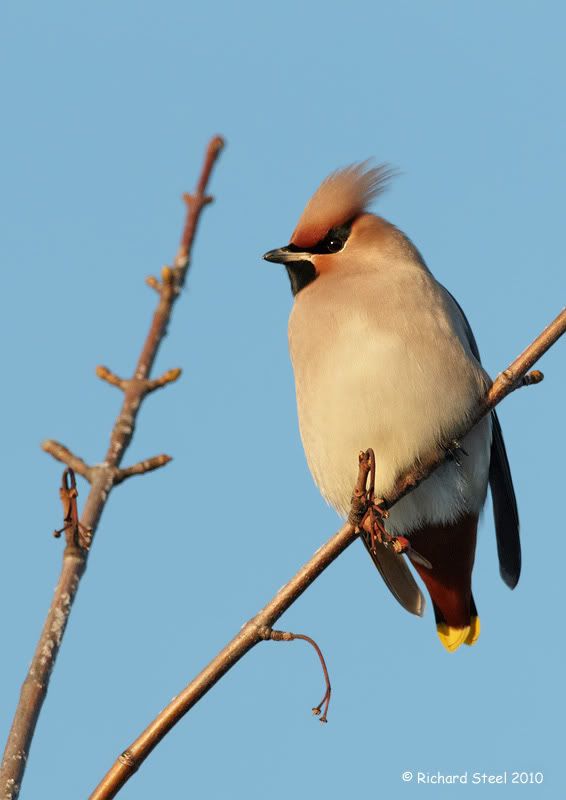
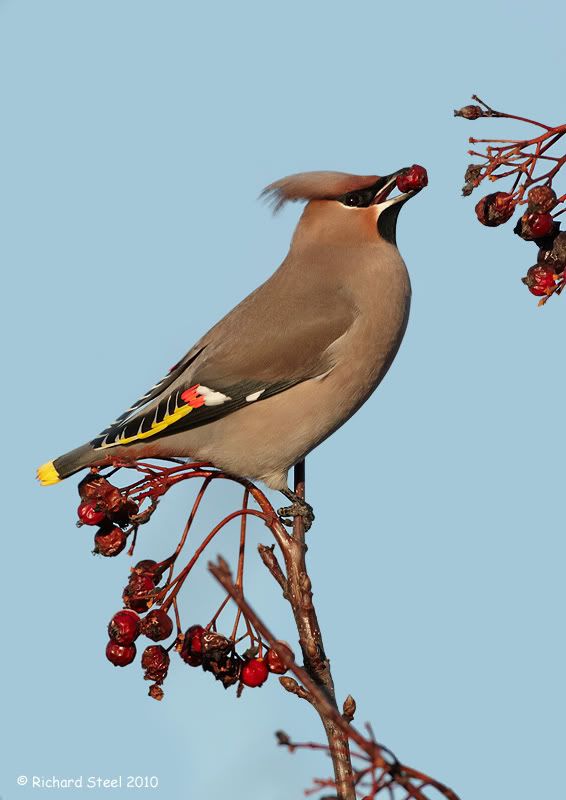
I am sure these will not be my last encounter with these birds before the winter has passed and I suspect these out of town birds might become less mobile and easier to photograph as the availability of berries diminishes.

Thursday, December 02, 2010

They came from the North

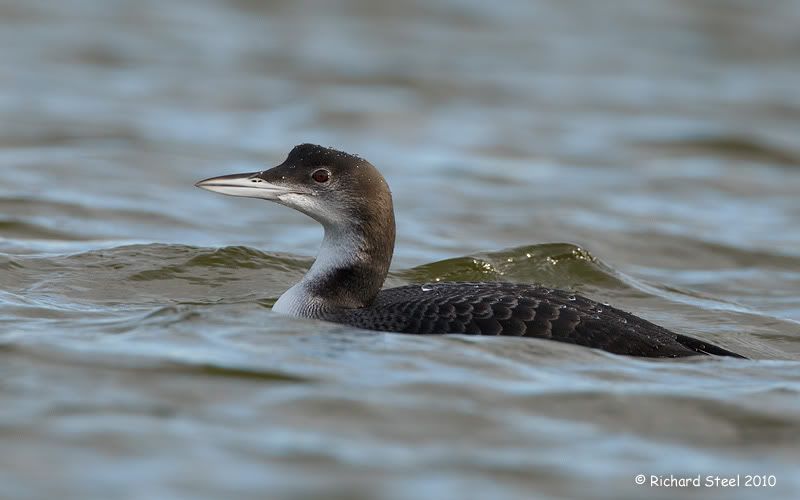
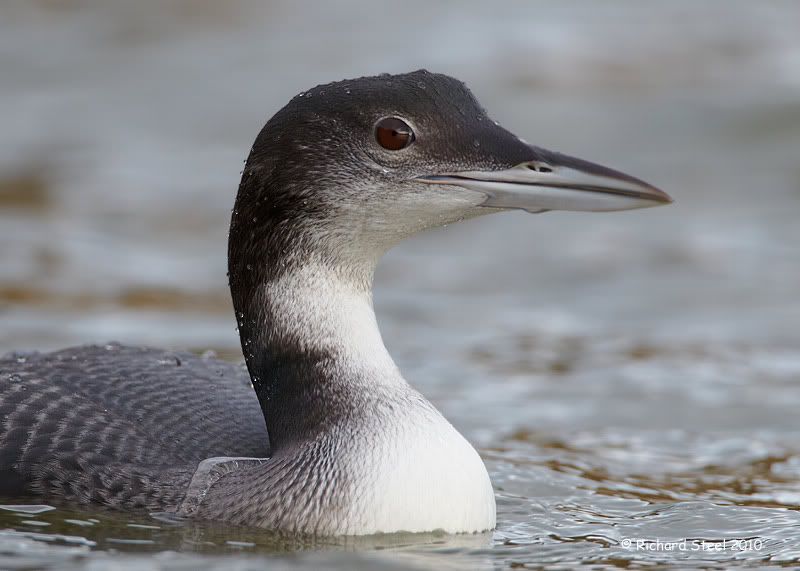
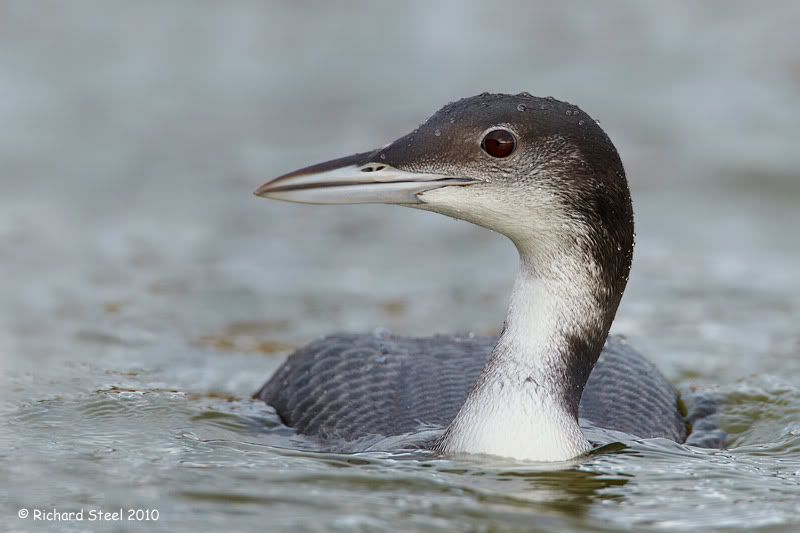
I was off work last week using up some remaining annual leave before the end of the year and decided to try and get a bit of photography done during my break. I had been scanning through the bird reports the previous week to try and decide where to head for. On the Monday morning I rolled out of bed at my usual time but instead of heading to the office took the more enjoyable short journey northward to Fleetwood with my friend Steve to try and find a young Great Northern Diver that had taken up temporary residence on the marine lake. Before my trip I checked on Google maps and the lake looked a much better prospect than the local marine lake, where I have photographed this species previously, due to its smaller area.

On arrival, on what was a bitterly cold day, the bird was quickly located feeding in the centre and slowly making its way to the north western corner. This looked a good area to start as there was a high bank behind that would provide some cover. My normal approach with these diving water birds is to move in to position while they are underwater.

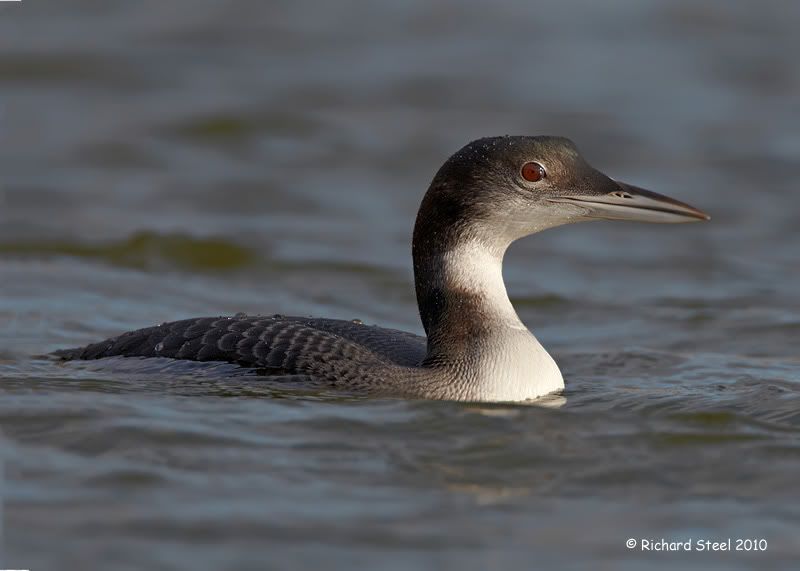
The bird got closer as I sat and waited quietly with a biting wind in my face.

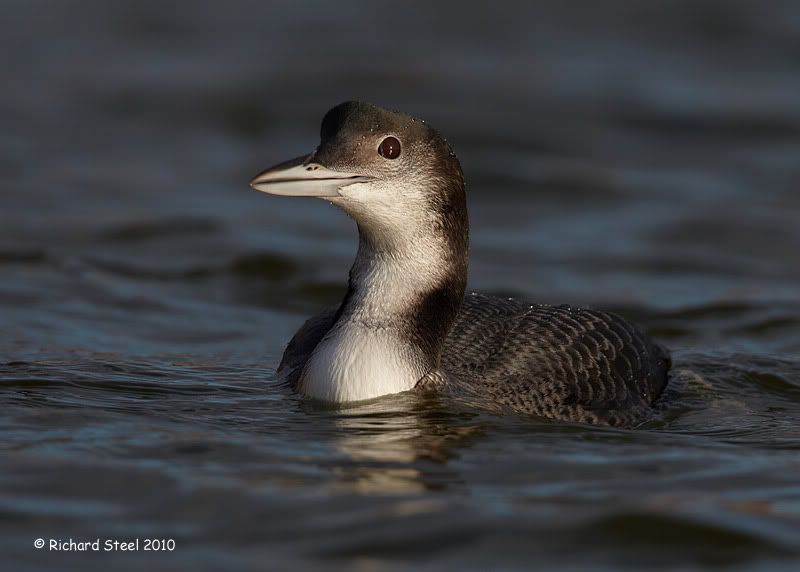
It is always difficult to predict where these birds will surface and sometimes they will travel long distances underwater. Fortunately the bird popped up right in front of me at very close range just as the sun broke through the fast moving clouds overhead. Unfortunately my friend Steve was checking the adjacent lake for Mergansers and Goldeneye and missed out on the action.


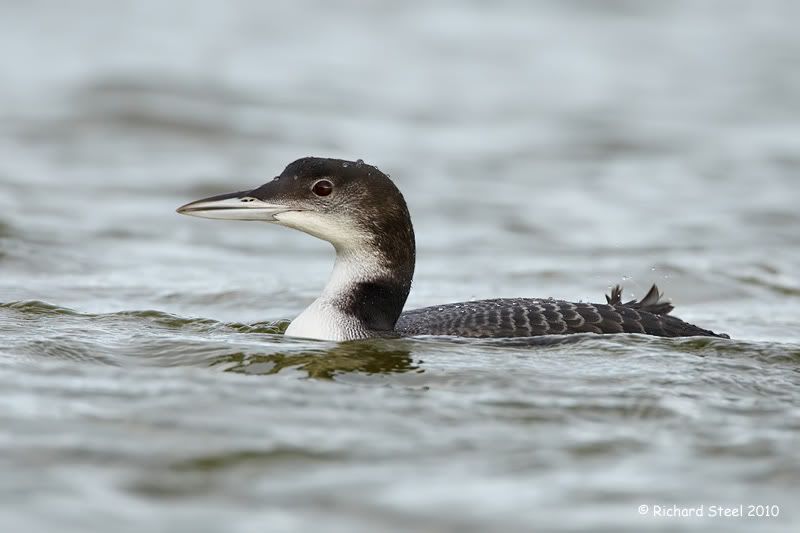
The bird came so close at one point that I was reduced to just taking a head shot as that was all I could fit in the frame. A real pleasure to be in such close proximity to a magnificent bird. The bird continued its hunt for food and on its next dive reappeared at distance. It was a good while before the bird came in close again but by now the light had taken a distinct turn for the worse, giving the bird quite a different appearance under the overcast skies.
Once again I had the joy of another very close encounter.


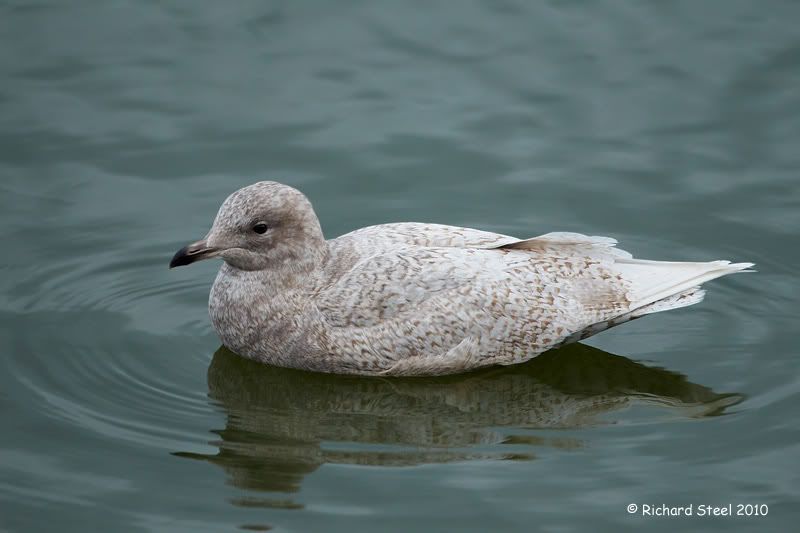
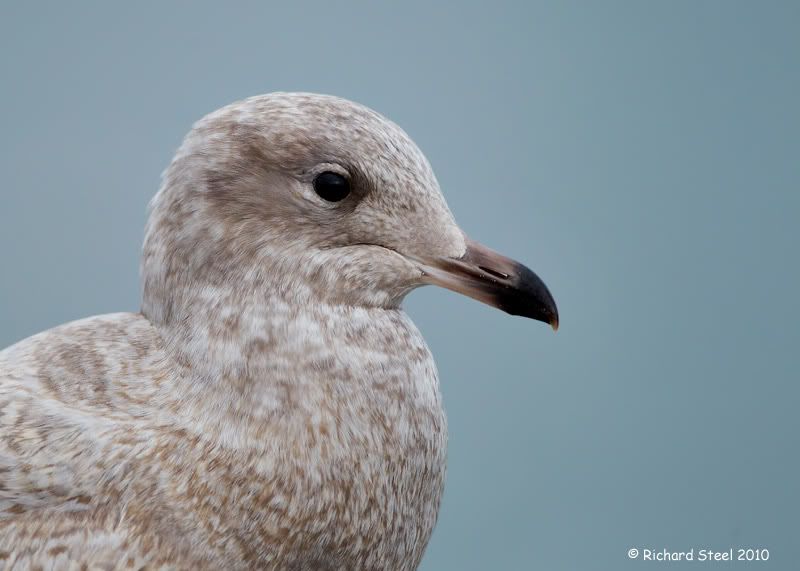
We decided that the light really was not going to make much of an improvement and decided to head southwards towards Preston where the light looked better. Typically as we arrived at Preston a dense cloud layer covered the sky so we just decided to check out a couple of sites for a potential future visit. The first of these was an area where a large flock of waxwings had been reported for several days but had obviously decided to move on as not a single bird could be found. So we head down towards Preston Dock where an Iceland Gull had been reported. As we came to stop in the car park at the dock edge we were faced with hundreds of gulls swirling around to feed on bread thrown to them by visitors. It seemed like trying to find the proverbial haystack needle until I spotted the gull gently bobbing in the dock below directly in front of the car. I decided to take a couple of photos in the gloom but was not particularly happy with the elevated angle above the gull.
After a few minutes the bird came up and landed in the carp park behind the docks perimeter railing so despite trying various angles all that could be managed was a head photo of this scarce gull.

I would like to head back up there to try and get some flight photos of this bird in better light but whether I will get round to it is another matter. An enjoyable way to start my mini break which was spent in the good company with these northern visitors.

Wednesday, November 24, 2010

The Colours of Autumn

At this time of year I love to pay a visit to one of my favourite woodlands. It is a small mixed wood of mainly beech and oak and the freshly fallen leaves create a wonderful carpet of autumn colours. With some of the leaves still on the trees, the low sun penetrates through the remaining canopy to produce interesting spot lighting effects on the animals and birds. However, the light is constantly changing and a mobile and flexible approach is required. An area which is bathed in sunlight can 10 minutes later be in dark shadow.

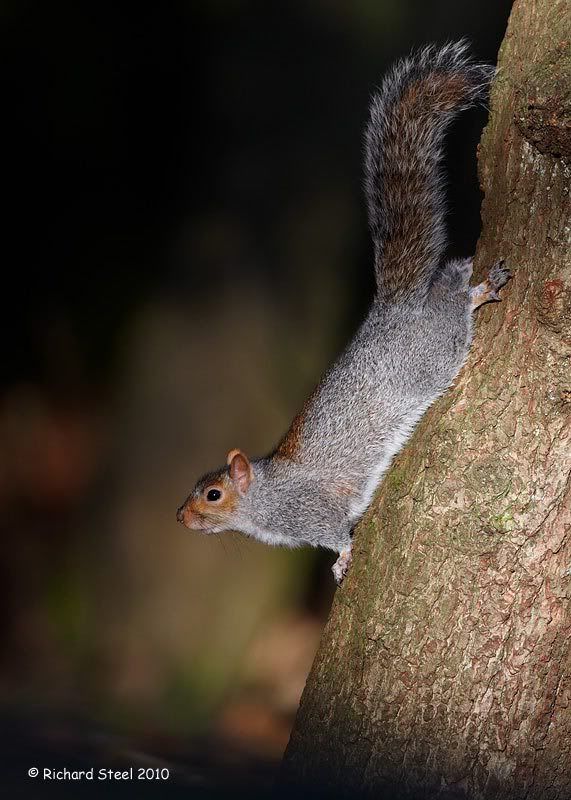
I went with a particular bird species in mind, which I will come to later, but while waiting for the flock to appear, I decided to pass the time with some of the other residents. There are large numbers of grey squirrels present which I usually ignore, but this one caught in a beam of sunlight drew my eye.

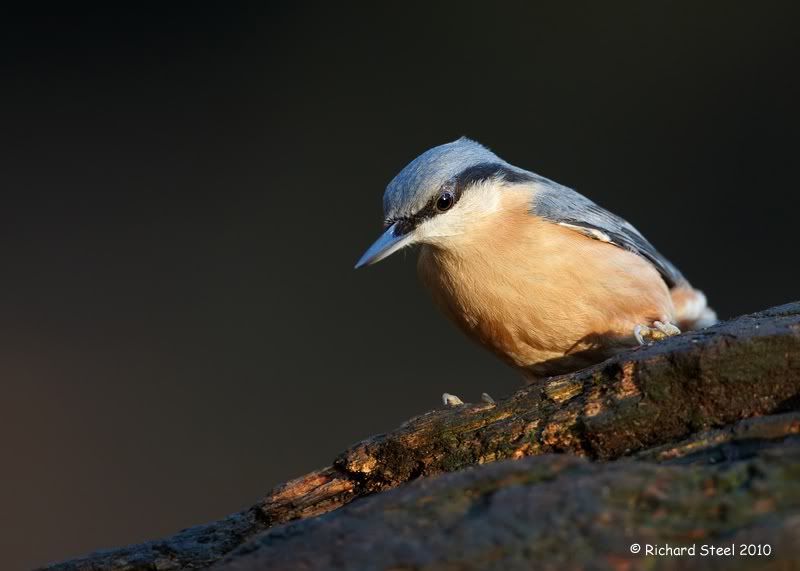
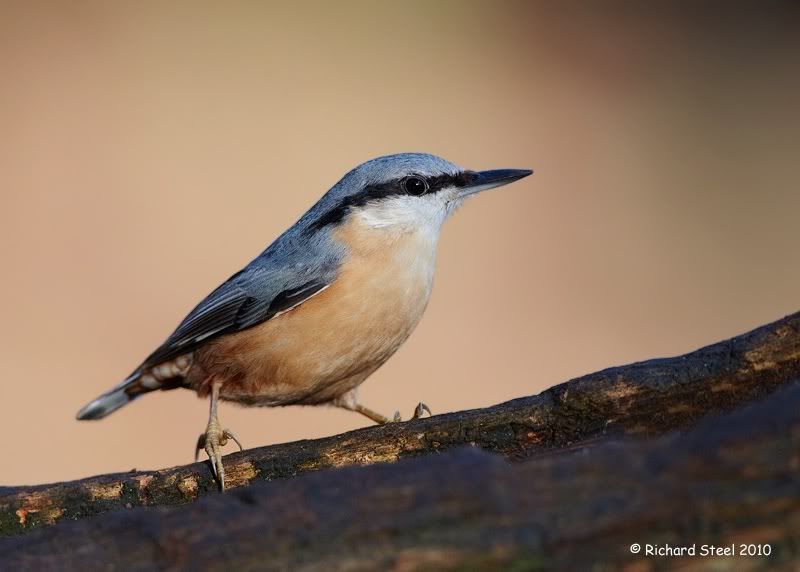
I spent the rest of the waiting time with some very busy Nuthatch.


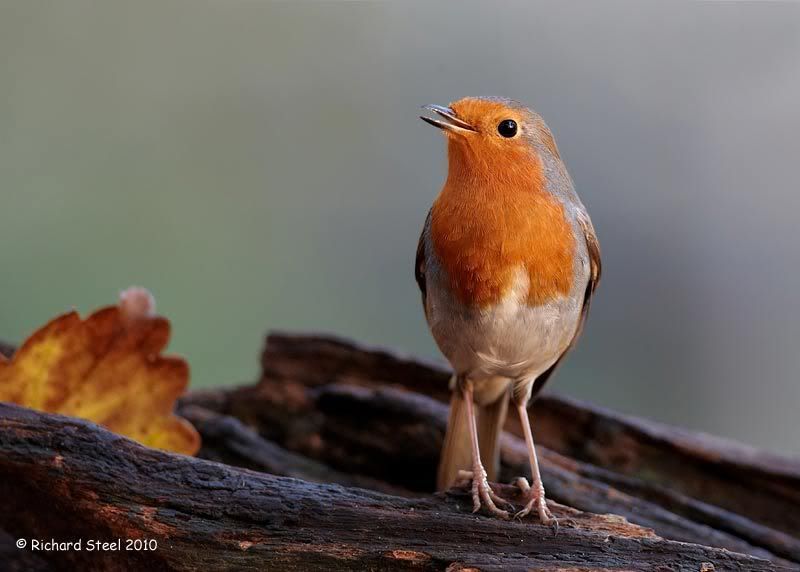
and an inquisitive Robin that was gently singing its slightly mournful winter song.

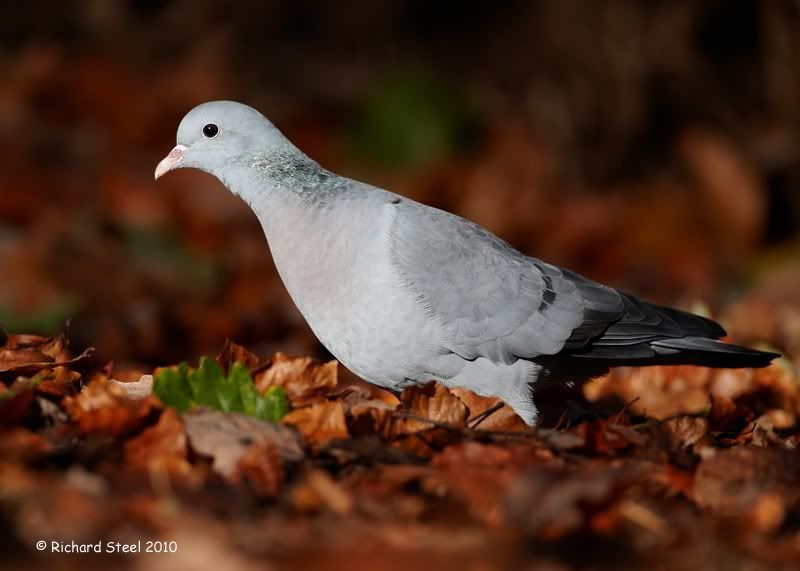
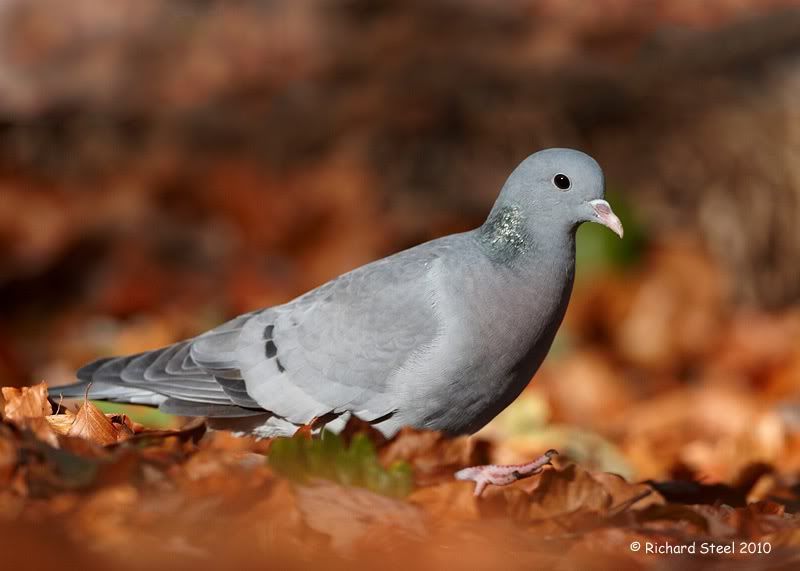
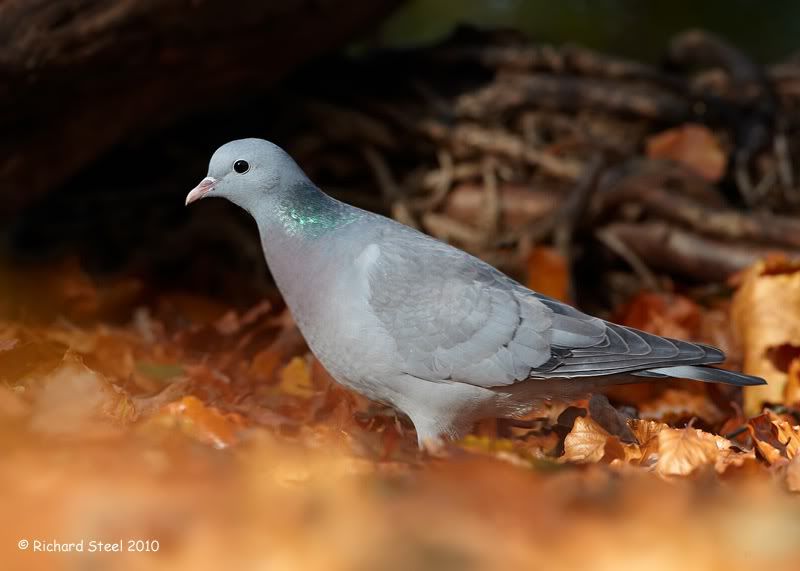
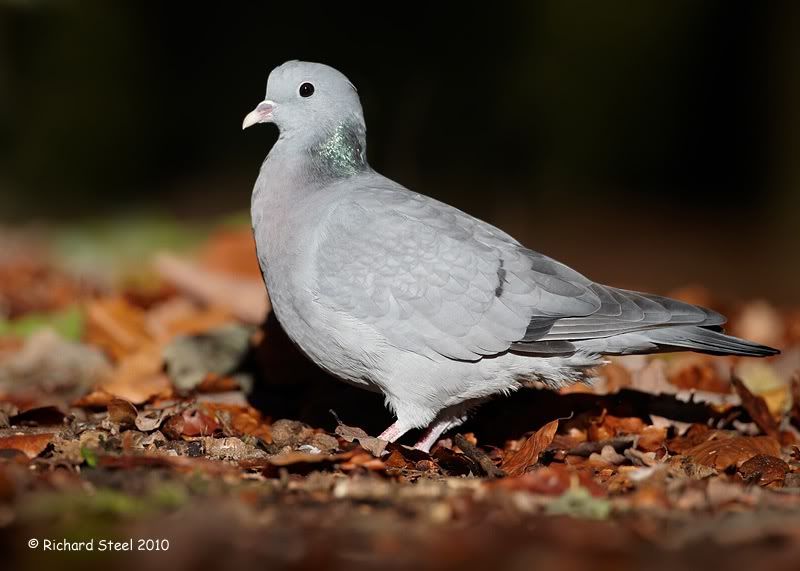
A fluttering in the canopy above announced the arrival of my target species, the Stock Dove. This is a much overlooked and very beautiful bird in my opinion. To the casual observer they are probably easily overlooked as being a flock of feral pigeons. It was time to get down in the carpet of leaf litter and try and get some low level photographs of the birds to make the most of the autumnal colours as they fed on the ground.


Stock Doves are subtly attractive birds with their metallic green nape and soft pink hue to the breast. They present a good challenge as they are usually wary although this flock has become less shy due to the numerous visitors to the wood.


It turned out to be a very enjoyable and relaxing short session. In fact as the sun is shining today and I am off work, I think I might make a return visit to the woods to try and photograph some of the other residents.

UYXND93EYEKS

Thursday, November 11, 2010

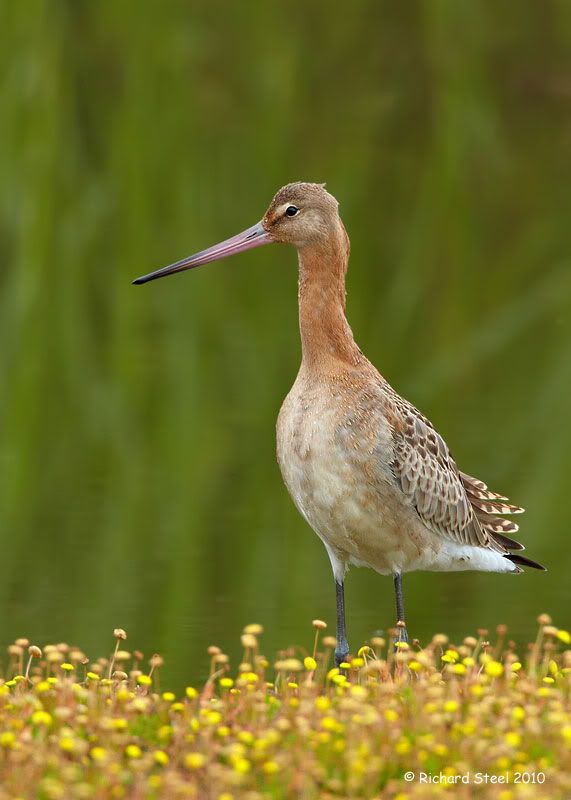
Summer Godwits

With a big autumn storm raging outside, I thought I would clear some of my continuing photo processing backlog and show some warmer and tranquil scenes from August. I still have not managed to catch up with myself on image processing since my trip to Norway in the summer. I am sure as you get older there are less hours in the day and days in the year.

Many associate August with being a poor time for bird photography in the UK. The small birds are less than photogenic whilst in their annual moult. However, for me August is a time for waders to return from their northern breeding grounds, many of which may still be in their summer plumage and the various stages in between towards their full winter colours.

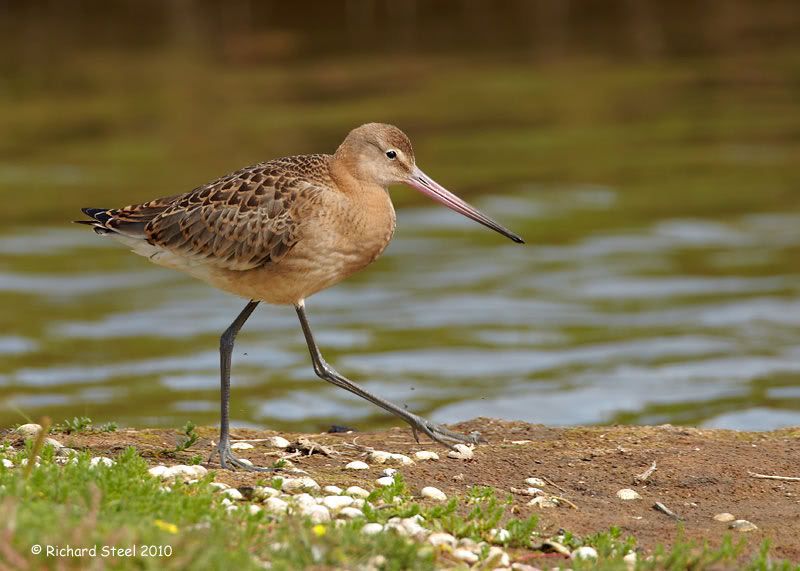
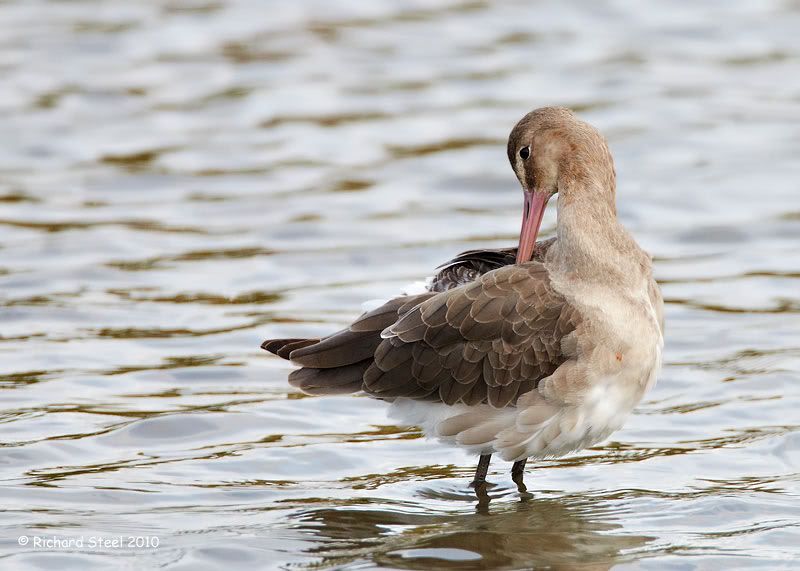
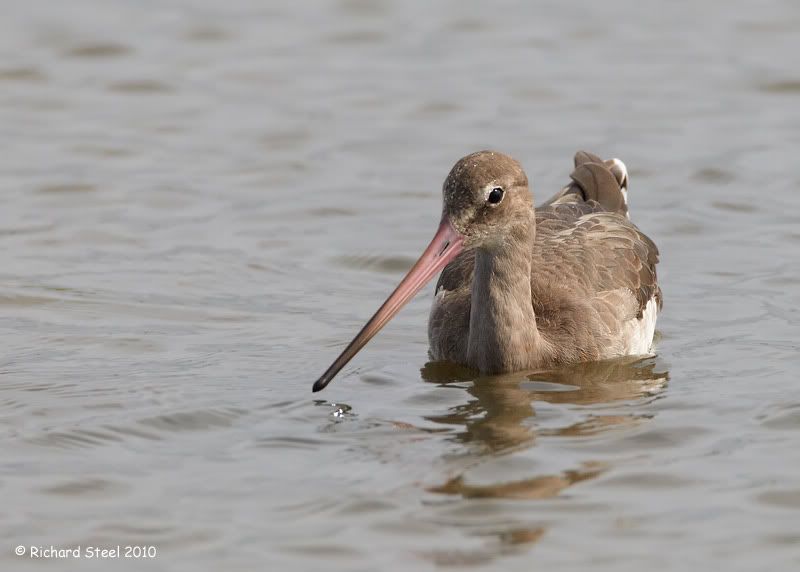
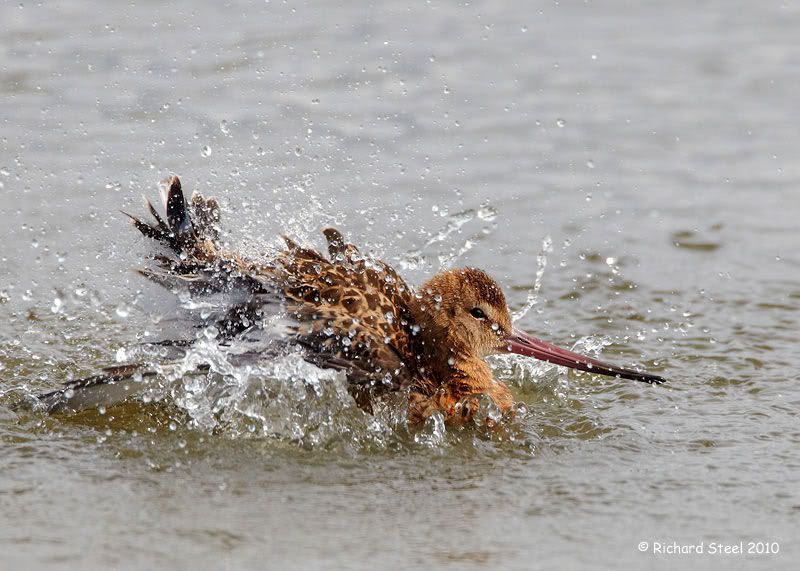
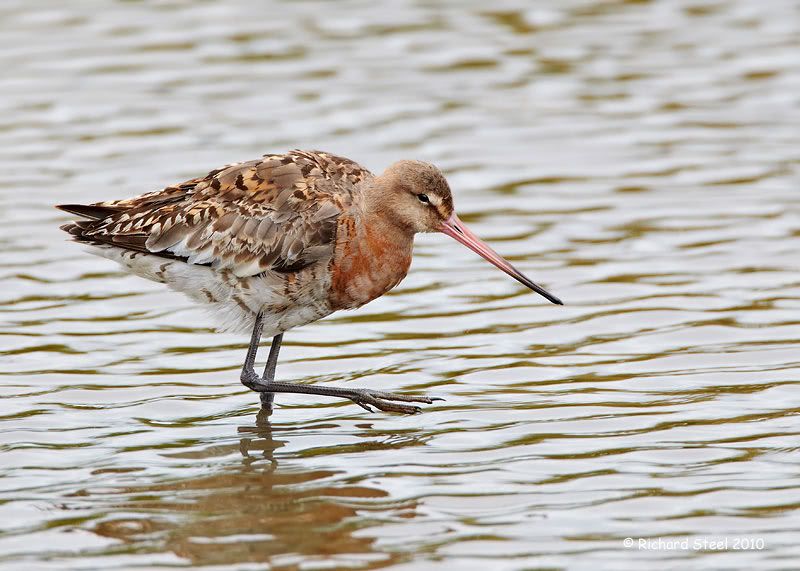
This year the birds seemed to return earlier than usual and so I took a trip over to Southport to spend a few hours photographing recently arrived Black-tailed Godwits. The black spots on this photo around the legs on not dust on the camera sensor but flies disturbed as the bird marched to the water.

After taking a few portrait photos, I decided to photograph some of the action.

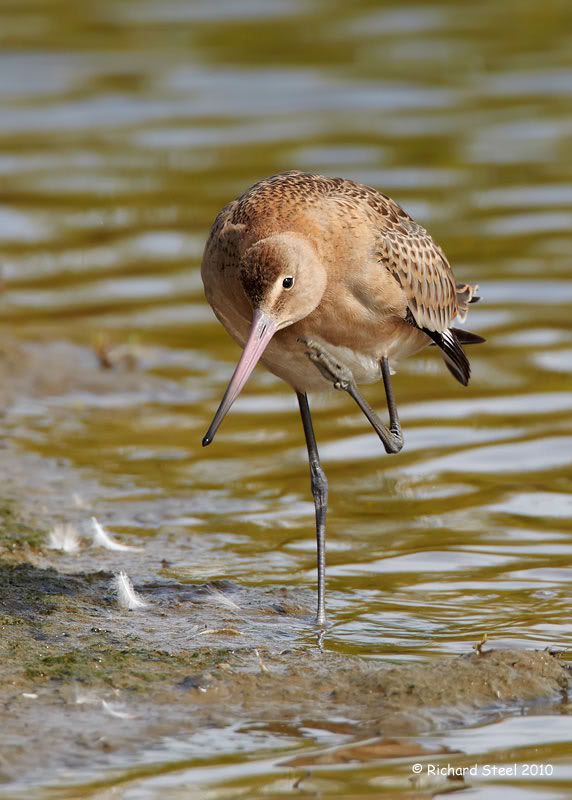
However, on a lazy August afternoon the action was on the low activity scale with the birds scratching..

preening...

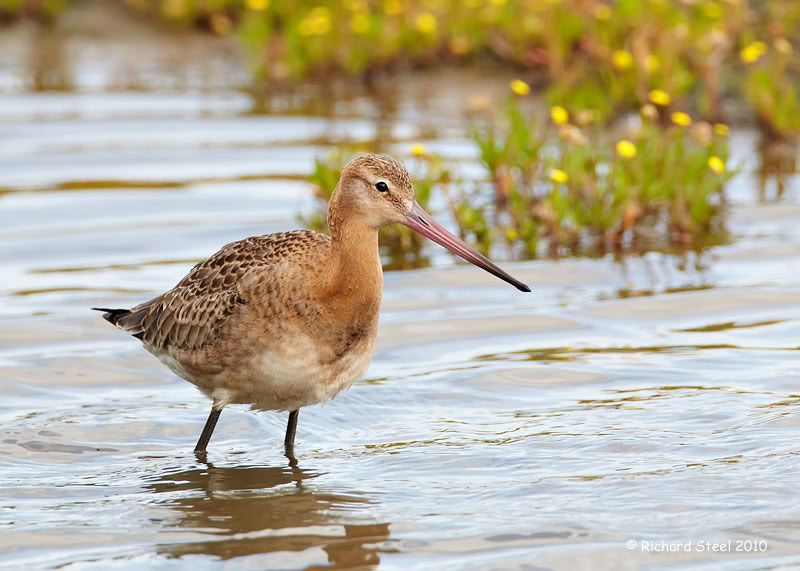
swimming...

and bathing.

If you think about it on such an afternoon the birds were probably showing similar behaviour to many humans, just without the barbecue :)

I am hoping to catch up with some of their Bar-tailed relatives on the beach this winter and hopefully with more success than last winter.

Sunday, October 31, 2010

Return to Project J

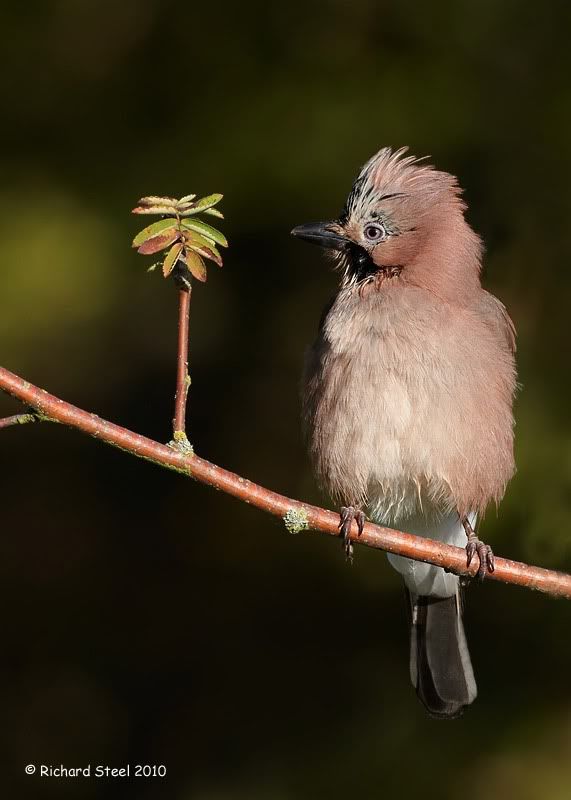
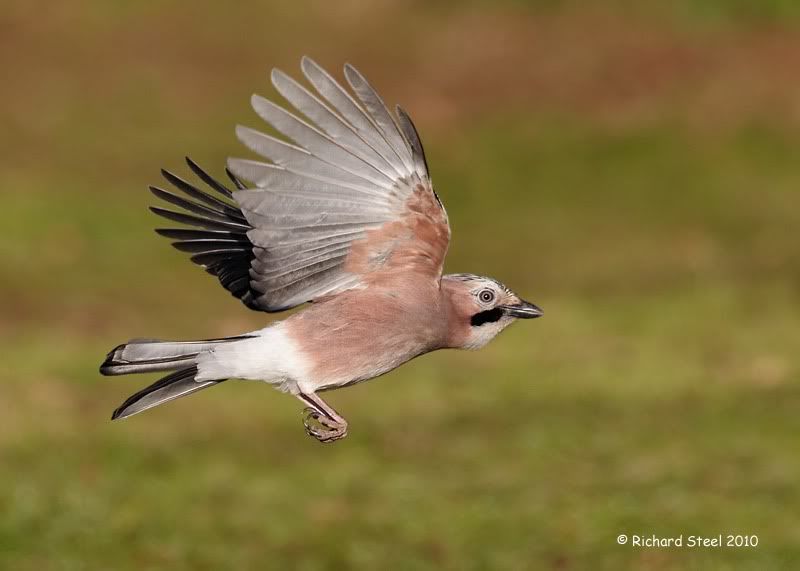
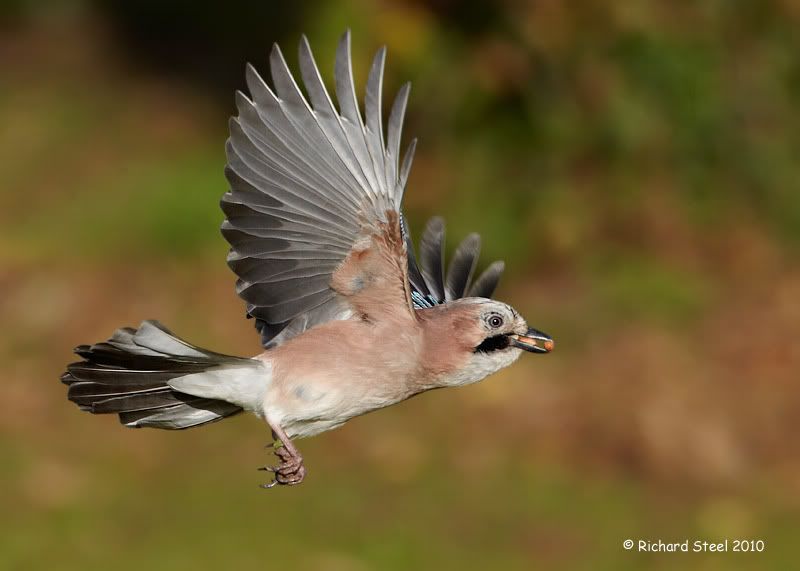
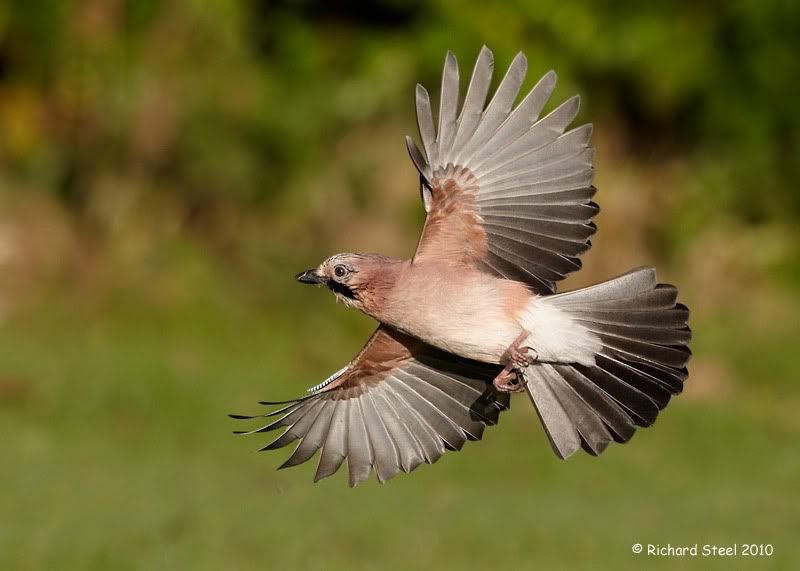
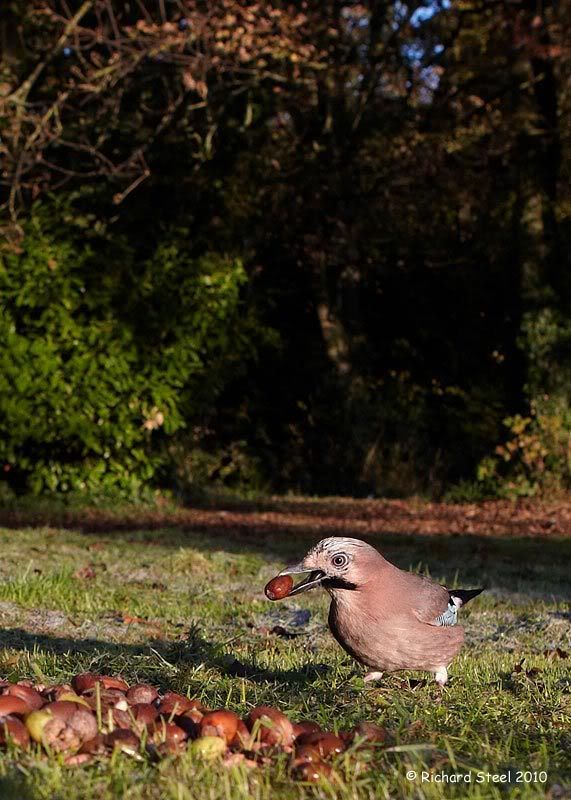
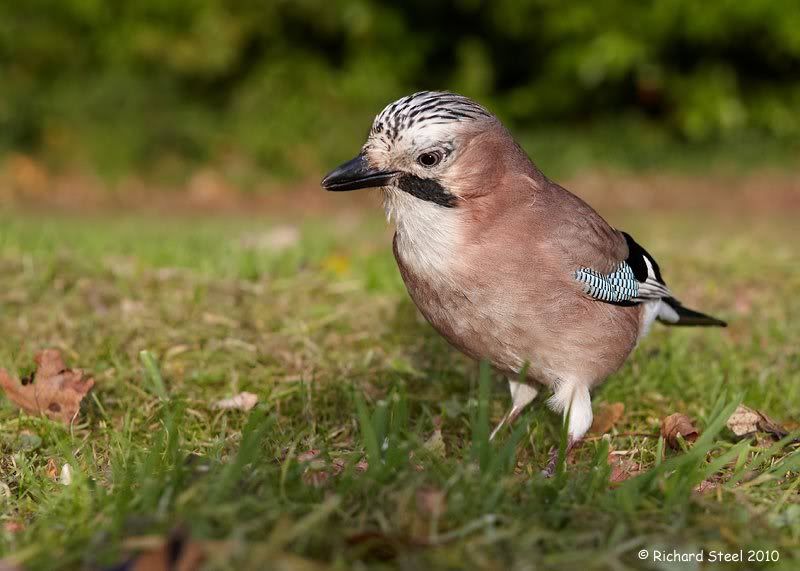
At this time of year its quite common to see jays flying across roads on broad wings, as they ceaselessly transport acorns to their winter stores. One such passing bird resparked the thought for a return to Project J. Regular readers of this blog may recall my long running but intermittent mini project to try and photograph jays in flight. The project 'brief' has being extended on this attempt, to try and photograph the jays from a different perspective.

Jay are such beautiful birds and Project J over time has given me wonderful close encounters with them. Its always a real pleasure to be in their company. To start the post, not a flight photo but a bird posed with fully raised crest. I always thought a good caption for this would be 'Mr J contemplates his new Bonsai project'.

Moving on quickly as Project J is supposed to be about flight photos. I always forget between my periodic attempts, how hard these birds are to photograph in flight.

Apart from the obvious problems for autofocus against a mixed background, the jays have a very erratic fly behaviour.

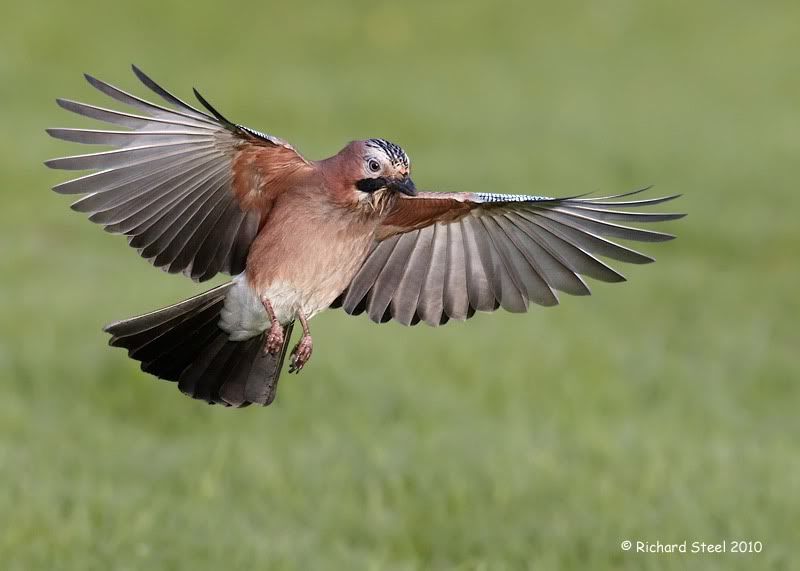
This is especially the case during landing where unlike a magpie, that come in fairly straight, jays tend to do a strange unpredictable 'flip' sideways just as they land. This usually puts the bird half out of frame or sends the autofocus to a place where it cannot recoverly quickly enough.


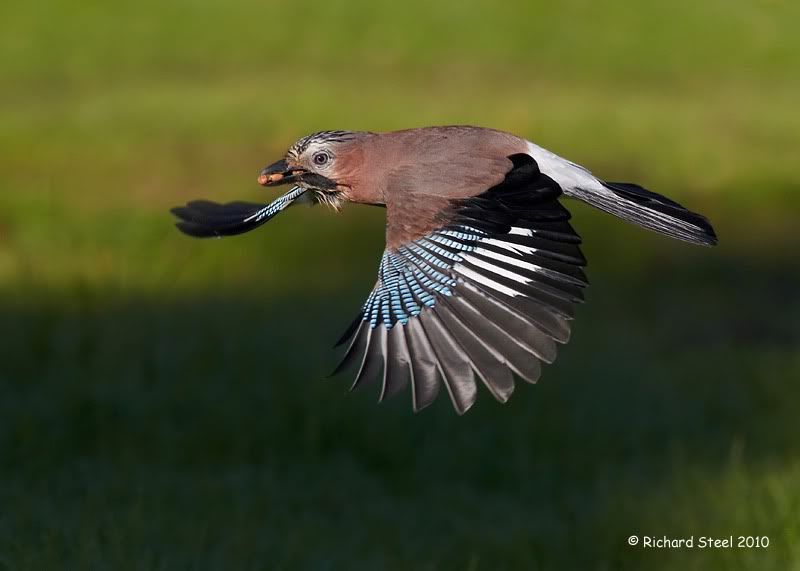
Jays are a good looking bird from below

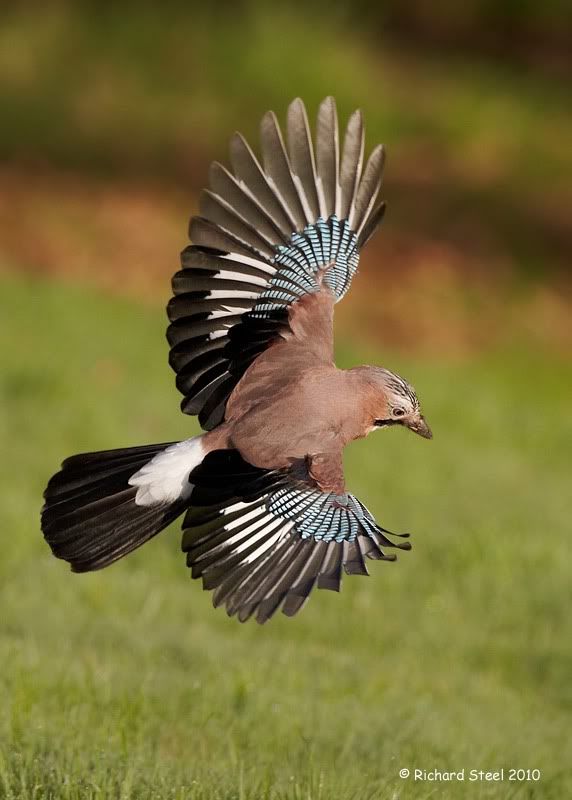
However, it is only on the back of the wing that those iridecent blue feathers can be seen.

The new element of Project J is some remote photography of the birds using a wide angle lens to get a different perpective. It something I have meant to try for a while but will admit I am on the bottom step of a long learning ladder but my first couple of attempts have given me some value experience. Its great fun going back through the photos when you retrieve the camera.


I will carry Project J on in to the winter. How long it keeps going though is difficult to say when there are many tempting photo opportunities trying to pull me away. It is difficult to run many mini-photo projects when you free time is limited and I always find concentrating on one at a time yields the best results.

Sunday, October 24, 2010

Sea Swallows

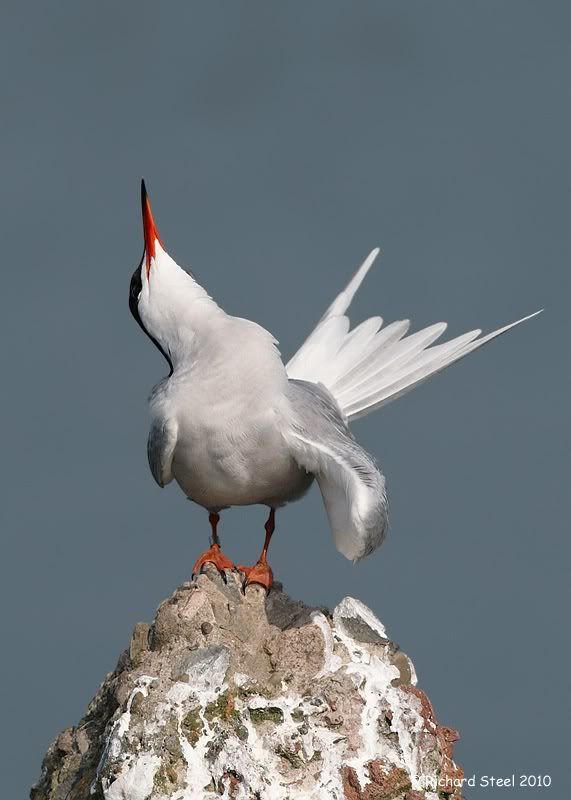
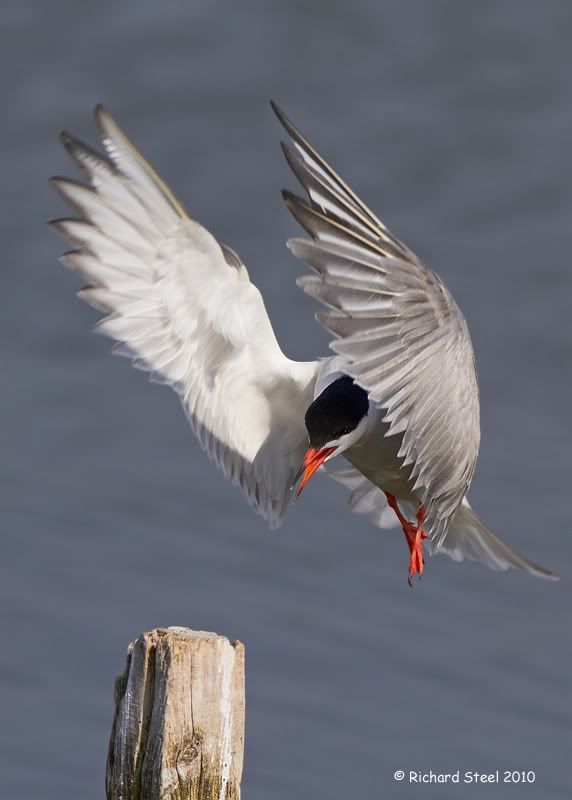
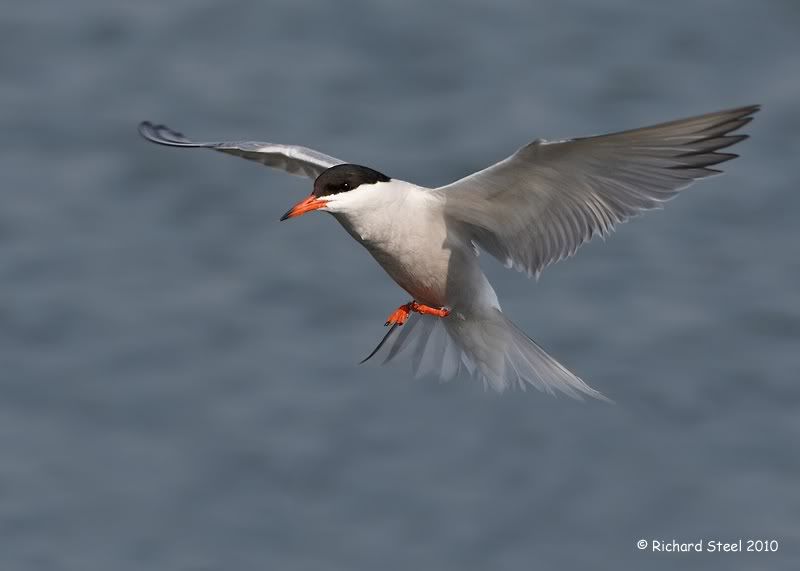
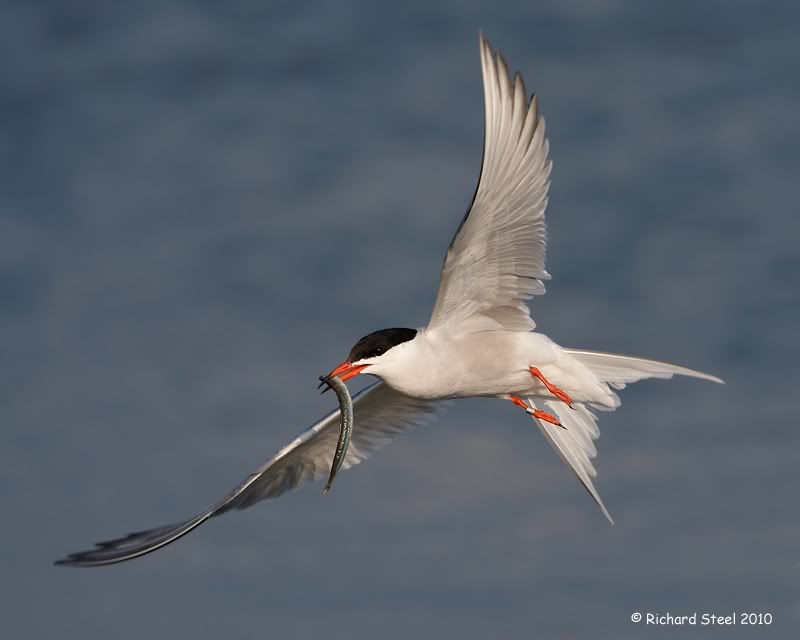
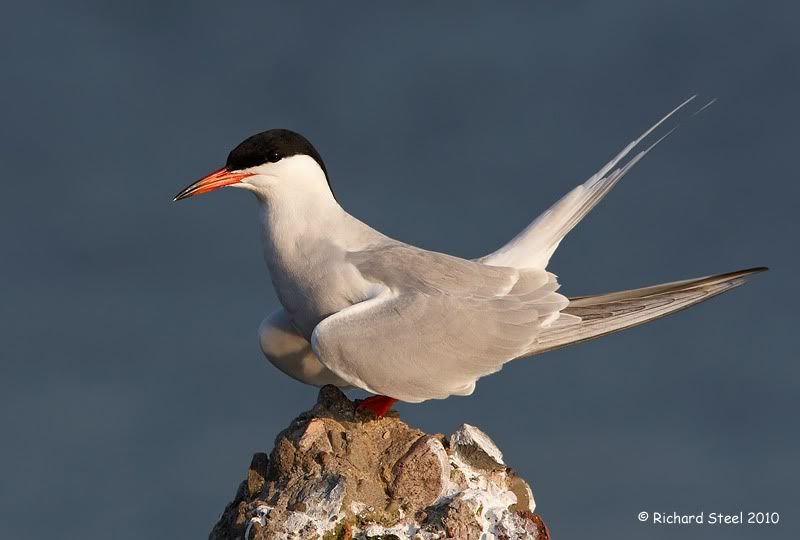
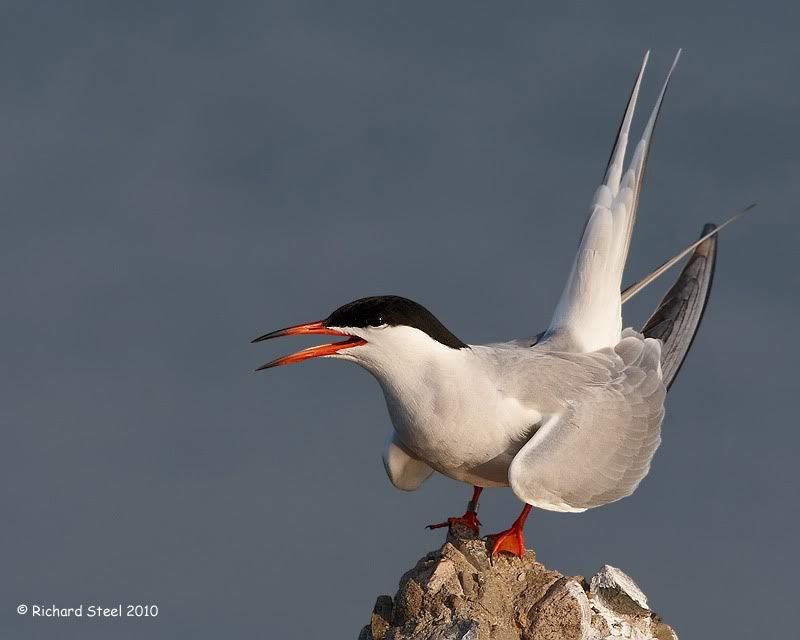
Much as I love photographing seagulls, if a gull and tern were passing then the camera would always be turned to the tern. Tern photography is always very satisfying as they are such elegant birds and always form some interesting poses and provide plenty of action. I am fortunate to have a good Common Tern colony locally and always try and make at least one trip there in the summer. A tern colony is a noisy place and if I close my eyes it is quite easy to conjure up their penetrating cries.

I arrived at first light and could see and hear the birds before I had got anywhere near the hide, a promising sign. Numbers of birds were bringing in sandeels and small sprats for their waiting young.

Fortunately the hide has a number of posts and rocks in the water at close range which allows some great opportunity for portraits and the birds were beautifully lit in the early sun.
As usual they formed some interesting poses in response to other birds passing close by.
The first rule of being at a tern colony is never look up, unless you want an eyeful, so you would have thought this bird would have known better.
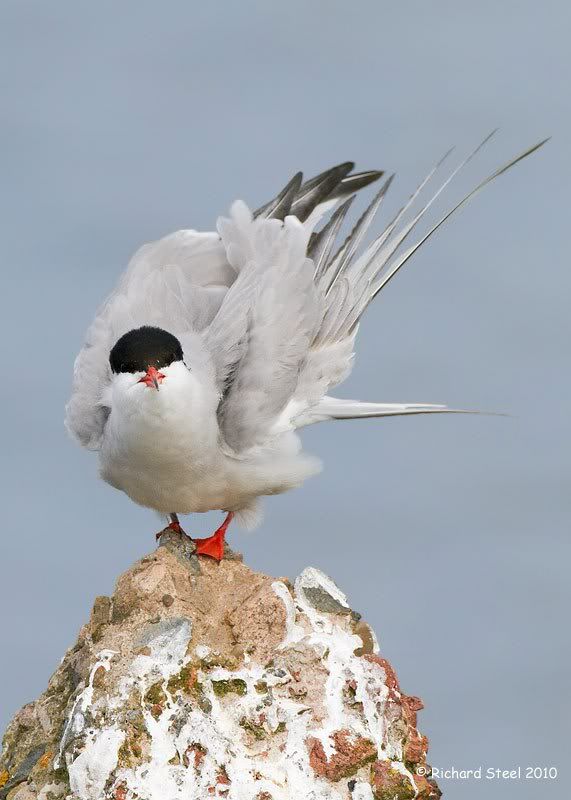
When hit from above there is not much a bird can do but preen and shake itself down.
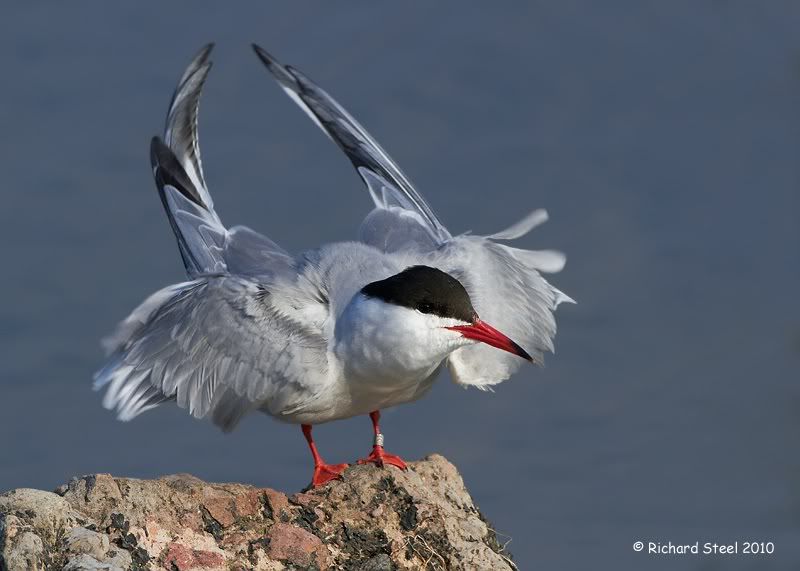
By now some of you may have noticed that a large proportion of the birds are ringed. The site has been subject to a long-term ringing and monitoring study. I must admit I am not a big fan of photographing ringed birds but if the data helps conserve the species in the long run then its all for the good.
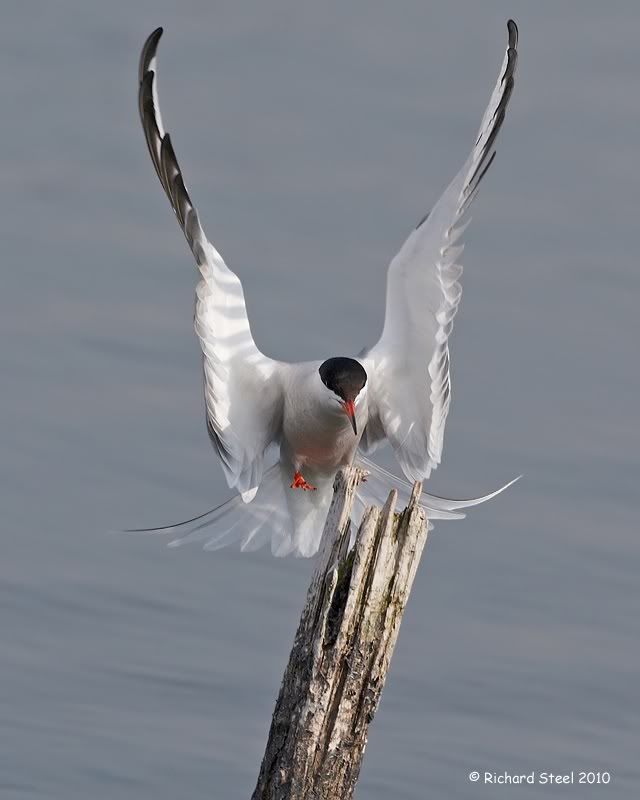
I will finish off the Common Terns with a couple of flight photos. A problem with photographing terns is they have a very large wing span relative to their size, and so when at close range you inevitably end up with a fine collection of partial images where a wing tip or tail is out of frame. Coming in to land.
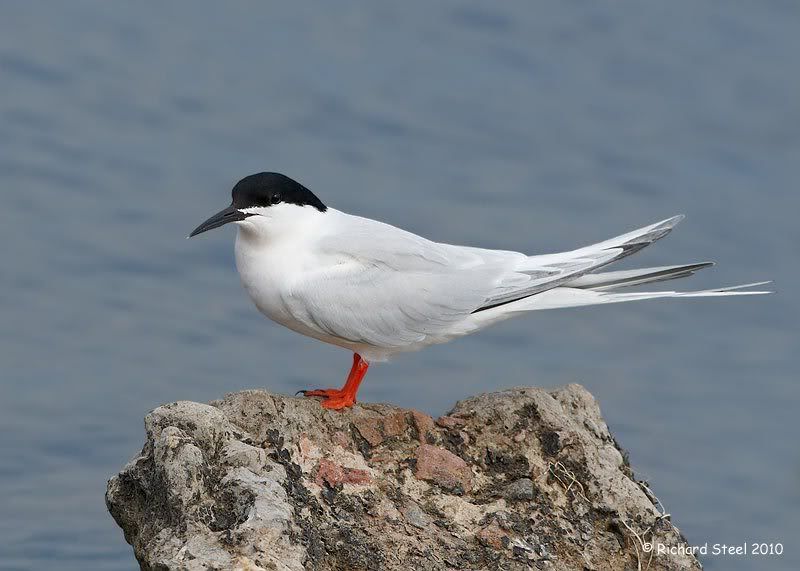
While I was sitting there I suddenly noticed an unusual tern land in front of me. It took a few moments for the grey matter to register what I was looking at, which turned out to be the scarce and sadly rapidly decline Roseate Tern. Typically the sun disappeared behind a solitary cloud during its brief visit. A great way to finish my morning session in the presence of these wonderful birds.

LinkWithin

Related Posts with Thumbnails