Christmas is upon us once more. I am sure the years grow shorter as I get older as it seems like only a blink of an eye since the last. I thought it was time for a seasonal selection box. However, this one is not filled with sticky spiced chocolates but some recent images of the local bird life. Typically the winter weather has not been particularly kind recently and in fact at times it has been bordering on very grim with frequent strong winds, plenty of rain and dark blankets of grey clouds above. As such, light, the essential element for photography, has been in relatively short supply. So it has been a question of being at the ready with camera and snatching odd moments when the light and free time have put in a combined appearance.
I have also been working on a small unexpected winter bird photography project which I will reveal in a future post. The delay in posting is mainly to protect these birds from unwanted attention and potential disturbance.
So lets not waste any more time and dip into the avian selection box. I will start off with a scarce bird for this area, the Long-tailed Duck. I asked a good friend of mine if he wouldn't mind looking in on a lake local to his home whilst passing, to see if there were any Goldeneye present. There were none but he sent a picture text to my mobile and said he had seen an unusual duck but was not sure what it was. I immediately recognised it as a Long-tail duck and more interestingly it did not seem to have been reported anywhere. Unfortunately not one of the stunning drakes but it was too good an opportunity to pass by, a scarce bird that the crowds of bird watchers and photographers had yet to discover. A quick visit was in order. I found the bird easily as it seemed to be staying away from the other birds up one end of the small lake and managed to get close by the old 'move when it is underwater' routine. After a few photographs it was slowly making its way along this small lake when I noticed a patch of reflected reeds that were turning a patch of water golden and this was the result.
The shortest photography session ever was recorded when I decided on a bit of flight practice with some Black-headed Gulls on the local marine lake. Despite a large patch of clear winter blue sky above, the low sun stubbornly refused to lift from behind the only bank of cloud except for about 2 minutes. This was the best I could muster on this icy, blustery day in 120 seconds.
We are still on the first layer of the selection box and this time a brief sunny morning session looking for some winter thrushes. In the distance I saw two birds feeding on a grassed area and assumed that these were my target. However, as I got closer I could see one was a blackbird and the other looked slightly odd, only revealing itself properly as I approached to be a Green Woodpecker, as it flew up to a nearby tree. After a short while waiting and predicting where the bird might appear, I got the opportunity for about 2 seconds to get a couple of photographs of this beautiful shy female bird before it was gone.
The winter thrushes I was seeking I typically only found a flock about 10 minutes before I had to leave. The Fieldfare has to rate as probably our most attractive visiting winter Thrush species. This one showing showing a typical drooped wing pose.
The flock was accompanied by a single Mistle Thrush that was also picking out fallen rowan berries from a gravel area. The birds having already completely stripped the tree above its fruit.
Let's dip in to the layer below of the selection box and see what lurks there. Ahh...seems to be a wading birds.
The first was taken on the way home after a wholly unsuccessful session with the small winter project I mentioned earlier. As I swung into the 'home straight' which takes me along the coast I noticed it was high tide and decided to check one of the regular roost for wading birds. They are not always there and I thought may be absent that morning as it was a fairly large tide but was pleasantly surprised to find around 50 Redshank, and a similar number of Turnstone perched high on the rocks. However, what really drew my attention were three Purple Sandpipers and so concentrated on those.
My next encounter with some waders was on a day when I decided to head out for some Red Breasted Merganser on the local marine lake. I like to photograph swimming birds on either very calm surface or the dynamic conditions of rough water. The forecast was for strong westerly winds but it turned out to be blowing much harder and much colder than expected. The marine lake resembled the North Sea in a storm and so there was little chance of seeing, let alone photographing the Mergansers. However, the first light visit coincided with a rising tide which would see the wader flocks coming into roost. A good number of Redshank, Turnstone and a few Dunlin and a solitary Knot had gathered.
I took a few photos and noticed spray being blown into the birds from the crashing waves driven by the punishing wind which created an interesting effect backlit in the first light of the day. I thinks this photographs gives a great impression of the harsh weather we were all enduring that morning.
After I while I decided it would be good to head home and get my hands round a warm coffee, leaving the tough wading birds to sit it out. I took a route home that would see me pass an area that curlew often use at high tide when the sand banks are covered with water. I have always liked curlew. They may not be the most colourful birds but are beautifully patterned and surely possess one of the most evocative bird calls. The birds were across the road from their usual area and seemed to be getting disturbed by the Sunday morning dog walkers. Fortunately one dog walker pushed the birds right over to where I was waiting.
With that the bird selection box is now empty. For those of you interested, all of the above with the exception of the Purple Sandpiper were taken with a Canon 7d Mk2.
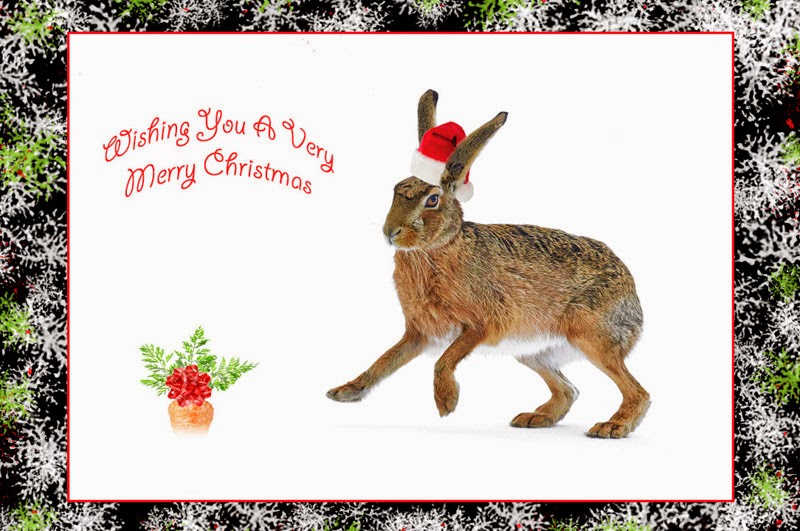
So I would like to take this moment to wish you all a Very Merry, Healthy and Peaceful Christmas with a suitably tacky e-card.
Showing posts with label Black headed Gull. Show all posts
Monday, December 22, 2014
Wednesday, June 19, 2013
Roaming in Romania - Day 3: Dawn on the Danube
The alarm went off at 4:45 a.m, I rolled out of bed and the first thing I did was to look out of the window. We had arrived in the dark the evening before and I just want to get a view of the surroundings. As I peered out into the approaching dawn it looked like the weather would be good for the long awaited morning photography session ahead. A small group of Pygmy Cormorants passed, as I gazed out with bleary eyes, and flew rapidly upstream. 15 minutes later I had joined the rest of the group for our 5 a.m breakfast of bread, hams,cheese and tomatoes. Now bearing in mind that Romania is 2 hours ahead of the UK I must confess it was a struggle to eat when my body clock was still tuned in to it being 3 a.m! However, the hot freshly brewed coffee was very welcome.
At this point you should note for this series of blog posts on Romania, some days will be contained in a single post, whilst others that were particularly productive, like this one will be spread over two. Typically our days in Romania were split into two daily sessions with the camera, 5 - 11am and then 3pm to about 8pm. We would have a break in the hot middle of the day when the light was to harsh and the air wobbled with haze neither of which are conducive to good photography. The midday break took in lunch and also allowed time for both camera and people 'batteries' to recharge after the early start.
After boarding the hide boat we headed off upstream and quickly swung off the main river in to a small reed lined side channel that was chocked with various water plants. Progress was relatively slow as we would periodically have to stop and the boat reverse to clear the accumulated vegetation from the propeller. After about 30 minutes travel along the narrow winding channel it suddenly opened out into a small lake. The edges of the lake were again reed fringed and crystal clear water was covered in large patches of yellow and white flowering water lilies and beds of Water Soldier. A beautiful and tranquil setting in the rapidly rising sun made all the more attractive by good variety of birds going around their early morning business and the rising chorus of frogs singing. Here is a photograph of a typical view on this lake from the boat to give you an idea.
My first thoughts were that the boatman had a difficult task ahead of him to try and navigate us through the dense vegetation into the right position in terms of the light and distance for photography. The first bird we encountered was a Squacco Heron which had been one of my favourite birds from a trip to Hungary last year.
These small herons were dotted all around the lake and were gently glowing in the soft dawn light. The first of many more encounters with this species over the next couple of days as they proved to be the bird we most frequently encountered on a travels around the Delta. The bird was busy looking for prey which included the larvae of what would have been a very large water beetle.
Our first bird encounter taught me a quick lesson that when the boat had got into position the movement of four photographers slightly adjusting their positions to get the best angle on the bird from would cause some rocking of the boat. After a while I actually found it was much easier for me during these moments to dispense with the tripod.
The next birds we encountered were two White Pelicans which are a new species for me. They are visually such appealing birds with their large colourful beaks and some lovely textures in their feathers. Our time with these birds was brief but it gave chance to get the first few portraits of these huge birds.
Next stop on our journey around this small lake was close to a colony of Whiskered Tern. This was a bird I had seen last year on my journey into Eastern Europe but of which I had failed to get any photographs. Failure was not going to be an option this time though as numerous birds flew past in close proximity to the boat as they gathered nesting material and searched for food to get their day started or perched on nearby lilies.
The end of another water beetle larvae
Time to move on once more and this time the boat slowly a colony of noisy Blacked-headed gulls that had built a nesting colony on a large patch of lilies in the middle of the lake.
I was quite glad that we were not here to photograph the gulls but another species that often associates with them and apparently uses the gull colony as an early warning system of approaching predators, the Black-necked Grebe. It has been a few years since I have photographed this small but beautiful bird and I was only thinking earlier this year it would be good to find some more in the UK where they are fairly thin on the ground. Those thoughts all seemed a bit irrelevant now with the dozen birds drifting around close to the boat and going through an early morning bathing and stretching routine.
These proved to be the main photography subject for the morning and we stayed with the birds for quite a long time having been put in to a very good location with the boat that was carefully manoeuvred and positioned to steer a wide berth of any nest sites.
A Great-crested grebe drifted through its smaller relatives as we sat their soaking up the atmosphere of the wonderful birds in front us whilst being serenaded by a constant chorus of frogs.
The sun was rising rapidly now and the light growing increasingly harsh. We spent a short-while with some Common Terns but then started to make the voyage back to the hotel at Mila 23.
En route we had our first encounter with a Night Heron, in one of the narrower channels that would return us to the main river stem together with some more of the ubiquitous Squacco Heron.
Overall it had been a memorable first morning in the Delta and as you can see a very busy one for the four photographers on the boat. The beauty of this type of roving photography is that you never know what is waiting round the corner in the channel or on the next lake you enter. They way I have described this first session you may think the photography is easy due to the abundance of bird life but you do have to work for your images, think about composition and position and backgrounds. It was this aspect of the trip that was going to make this adventure all the more rewarding than just waiting for birds to appear on pre-arranged perches in front of a permanent hide.
At this point you should note for this series of blog posts on Romania, some days will be contained in a single post, whilst others that were particularly productive, like this one will be spread over two. Typically our days in Romania were split into two daily sessions with the camera, 5 - 11am and then 3pm to about 8pm. We would have a break in the hot middle of the day when the light was to harsh and the air wobbled with haze neither of which are conducive to good photography. The midday break took in lunch and also allowed time for both camera and people 'batteries' to recharge after the early start.
After boarding the hide boat we headed off upstream and quickly swung off the main river in to a small reed lined side channel that was chocked with various water plants. Progress was relatively slow as we would periodically have to stop and the boat reverse to clear the accumulated vegetation from the propeller. After about 30 minutes travel along the narrow winding channel it suddenly opened out into a small lake. The edges of the lake were again reed fringed and crystal clear water was covered in large patches of yellow and white flowering water lilies and beds of Water Soldier. A beautiful and tranquil setting in the rapidly rising sun made all the more attractive by good variety of birds going around their early morning business and the rising chorus of frogs singing. Here is a photograph of a typical view on this lake from the boat to give you an idea.
My first thoughts were that the boatman had a difficult task ahead of him to try and navigate us through the dense vegetation into the right position in terms of the light and distance for photography. The first bird we encountered was a Squacco Heron which had been one of my favourite birds from a trip to Hungary last year.
These small herons were dotted all around the lake and were gently glowing in the soft dawn light. The first of many more encounters with this species over the next couple of days as they proved to be the bird we most frequently encountered on a travels around the Delta. The bird was busy looking for prey which included the larvae of what would have been a very large water beetle.
Our first bird encounter taught me a quick lesson that when the boat had got into position the movement of four photographers slightly adjusting their positions to get the best angle on the bird from would cause some rocking of the boat. After a while I actually found it was much easier for me during these moments to dispense with the tripod.
The next birds we encountered were two White Pelicans which are a new species for me. They are visually such appealing birds with their large colourful beaks and some lovely textures in their feathers. Our time with these birds was brief but it gave chance to get the first few portraits of these huge birds.
Next stop on our journey around this small lake was close to a colony of Whiskered Tern. This was a bird I had seen last year on my journey into Eastern Europe but of which I had failed to get any photographs. Failure was not going to be an option this time though as numerous birds flew past in close proximity to the boat as they gathered nesting material and searched for food to get their day started or perched on nearby lilies.
The end of another water beetle larvae
Time to move on once more and this time the boat slowly a colony of noisy Blacked-headed gulls that had built a nesting colony on a large patch of lilies in the middle of the lake.
I was quite glad that we were not here to photograph the gulls but another species that often associates with them and apparently uses the gull colony as an early warning system of approaching predators, the Black-necked Grebe. It has been a few years since I have photographed this small but beautiful bird and I was only thinking earlier this year it would be good to find some more in the UK where they are fairly thin on the ground. Those thoughts all seemed a bit irrelevant now with the dozen birds drifting around close to the boat and going through an early morning bathing and stretching routine.
These proved to be the main photography subject for the morning and we stayed with the birds for quite a long time having been put in to a very good location with the boat that was carefully manoeuvred and positioned to steer a wide berth of any nest sites.
A Great-crested grebe drifted through its smaller relatives as we sat their soaking up the atmosphere of the wonderful birds in front us whilst being serenaded by a constant chorus of frogs.
The sun was rising rapidly now and the light growing increasingly harsh. We spent a short-while with some Common Terns but then started to make the voyage back to the hotel at Mila 23.
En route we had our first encounter with a Night Heron, in one of the narrower channels that would return us to the main river stem together with some more of the ubiquitous Squacco Heron.
Overall it had been a memorable first morning in the Delta and as you can see a very busy one for the four photographers on the boat. The beauty of this type of roving photography is that you never know what is waiting round the corner in the channel or on the next lake you enter. They way I have described this first session you may think the photography is easy due to the abundance of bird life but you do have to work for your images, think about composition and position and backgrounds. It was this aspect of the trip that was going to make this adventure all the more rewarding than just waiting for birds to appear on pre-arranged perches in front of a permanent hide.
Wednesday, February 29, 2012
Struck Down


Regular readers will have noticed there has been a lack of blog updates in the last couple of weeks. The reason for this is that I have been unexpectedly in hospital. There I was in work on a Friday lunchtime feeling perfectly normal and thinking about the weekend head when a searing pain developed right through my middle, all my colour drained away, I start sweating and my recently eaten lunch put in a reappearance. The pain was excruciating and I was really struggling to breathe. 30 minutes later and I was in hospital being connected up to all sorts of machines and having all kinds of needles and tubes stuck in me.
The diagnosis quickly came back as a severe acute pancreatitis, a very nasty and potentially life threatening condition. Not quite how I had planned to spend the weekend or the following two weeks! Anyway despite being extremely unwell, I am now making good process and was pleased to be sent home a couple of days ago. My brush with the grim reaper has bought home a couple of key points about life. Firstly you should really saviour and make the most of each and every day as you really never know what is lurking around the corner. It will certainly make me appreciate even more those special moments I share with wildlife. Secondly it really doesn't matter what you have in life because without your health you really do have nothing.
So please bare with me and I will returning to normal blogging activities once I have built some strength back up.
Obviously I didn't want to make a post without a couple of images, so here are a couple of Black-headed gulls that I took at the local marine lake in some late afternoon sun before I was 'struck down'.
Sunday, January 30, 2011
Simply Gulls
With the January weather continuing to be a disappointment from a photography perspective, I thought I would turn the clock back a few weeks. Living by the seaside I am surrounded by gulls and so it is inevitable the some should find their way in front of the lens. I must admit I do enjoy photographing them as they are always entertaining and if you have a loaf of bread instantly become your new best 'friends'. So here is a compilation of some photos taken towards the back end of last year that I did not get an opportunity to show. I will start with the most common species the Black-headed Gull which is probably the most likely to be ignored by the photographer. The first was taken against storm clouds in the last light of the day and for a few fleeting moments the sky was filled with swirling golden arc of gulls, a memorable sight.

While on the topic of great light, while the ground covered in snow there was some superb up lighting on the birds.

The local raised Model Boating Lake always offers some good opportunities at high tide for bathing birds. Water level photos are achieved in relative comfort and without the need for scrabbling around on the floor.


and a young bird undertaking a bit of feather maintenance.

There are also good numbers of Common Gull or as they seem to becoming more frequently labelled Mew Gull.

Lurking in the unusually deep snow we experienced this winter.

Herring Gull are common and its is quite easy to see how a whole herring could easily slip down that gaping void.

A young bird undergoing some acrobatic manoeuvres on the local boating lake.

I think the manufacturer of the local seaside telescopes show change their name to 'Gull Scopes'. A Lesser Black-backed Gull on watch duty.

To finish off the scarce Mediterranean Gull which has been lurking in amongst the Black-headed Gulls all winter. It usually takes a bit of finding due to the similarity in looks, particularly when the whole flock takes flight. I am hoping this one will stay around long enough this year to transform in to their wonderful summer plumage. This first photograph was taken again when snow was on the ground on a beautiful crisp clear day.


As I have said many times before and no doubt will do so again the future, never ignore the common birds around you :)
With the January weather continuing to be a disappointment from a photography perspective, I thought I would turn the clock back a few weeks. Living by the seaside I am surrounded by gulls and so it is inevitable the some should find their way in front of the lens. I must admit I do enjoy photographing them as they are always entertaining and if you have a loaf of bread instantly become your new best 'friends'. So here is a compilation of some photos taken towards the back end of last year that I did not get an opportunity to show. I will start with the most common species the Black-headed Gull which is probably the most likely to be ignored by the photographer. The first was taken against storm clouds in the last light of the day and for a few fleeting moments the sky was filled with swirling golden arc of gulls, a memorable sight.
While on the topic of great light, while the ground covered in snow there was some superb up lighting on the birds.
The local raised Model Boating Lake always offers some good opportunities at high tide for bathing birds. Water level photos are achieved in relative comfort and without the need for scrabbling around on the floor.
and a young bird undertaking a bit of feather maintenance.
There are also good numbers of Common Gull or as they seem to becoming more frequently labelled Mew Gull.
Lurking in the unusually deep snow we experienced this winter.
Herring Gull are common and its is quite easy to see how a whole herring could easily slip down that gaping void.
A young bird undergoing some acrobatic manoeuvres on the local boating lake.
I think the manufacturer of the local seaside telescopes show change their name to 'Gull Scopes'. A Lesser Black-backed Gull on watch duty.
To finish off the scarce Mediterranean Gull which has been lurking in amongst the Black-headed Gulls all winter. It usually takes a bit of finding due to the similarity in looks, particularly when the whole flock takes flight. I am hoping this one will stay around long enough this year to transform in to their wonderful summer plumage. This first photograph was taken again when snow was on the ground on a beautiful crisp clear day.
As I have said many times before and no doubt will do so again the future, never ignore the common birds around you :)
Subscribe to:
Posts (Atom)


.jpg)
.jpg)