Saturday, May 28, 2011

Balearic Spring Day 5 - In search of a Warbler

Early morning saw us once more heading down the dusty trail towards the coastal garrigue. We decided on a return visit to the area we had visited a few days earlier to see what else it could produce for the cameras. I was really hoping I could find one of my target birds for the trip, the Balearic Warbler. The reason for this becoming a target was that on a previous visit several years before I had caught a very brief glimpse of one. This had created a long running spark of facination and curisoity that needed to be satisfied.

10 minutes after arrival the throbbing blister on my foot had been numbed by new species on the camera memory card in the shape of a Tawny Pipit. A promising start to the day.


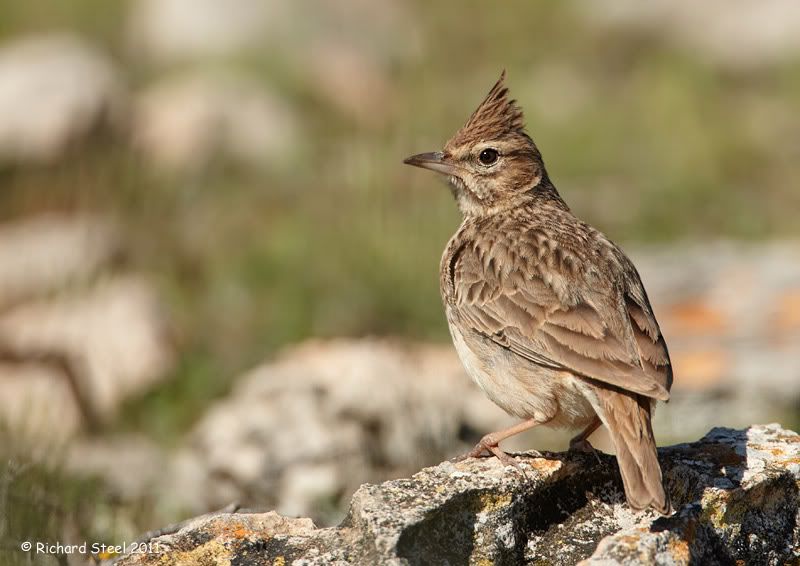
Further wandering around amongst the coastal scrub produced the by now identifable Thekla Lark.


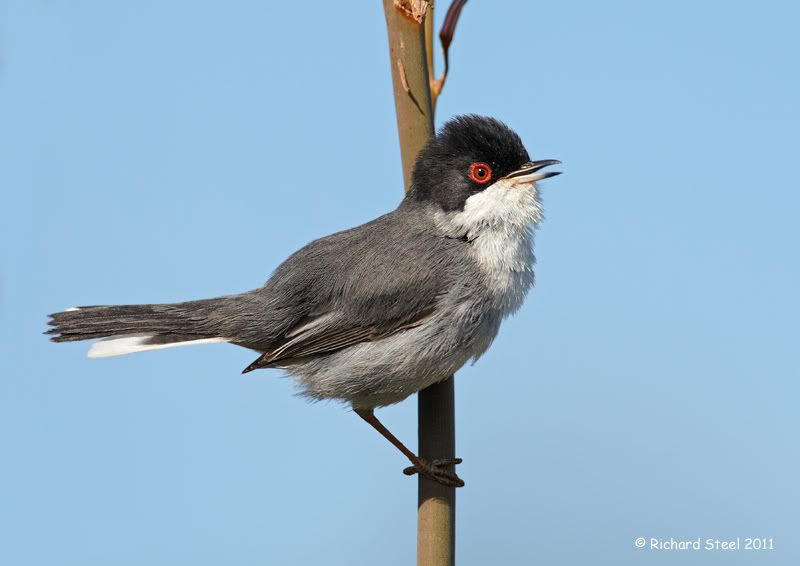
I was scrutinising every bush I passed and listening hard for any sign of a Balearic Warbler. However, all I was seeing was the occasional Sardinian Warbler flitting between the low scrub. The habitat looked perfect but the birds, if here, were keeping a very low profile. I continued my search for quite some time and then while walking up a small track, a small dark long-tailed bird darted across the path. My first thoughts were 'another Sardininian Warbler' but then from the low bush rose an unfamilar scratching warbling song. A Balearic Warbler at last. I settled down close by and the bird put in a couple of brief appearances, which seemed to be more for the satisfaction of its own curiosity.
There birds really are a Dartford Warbler in all but colour. I managed to find another bird a little further down the same track that was occasionally popping up on to perch to sing. I waited and waited, and waited but eventually the bird appeared.

That was the last I saw of these endemic Mallorcan warblers but it had been a memorable morning.

After much careful creeping through the undergrowth and using the available cover I managed to sneak in to close range under the vigilent watch of a Woodchat Shrike. This was to be the last bird photographed that morning.

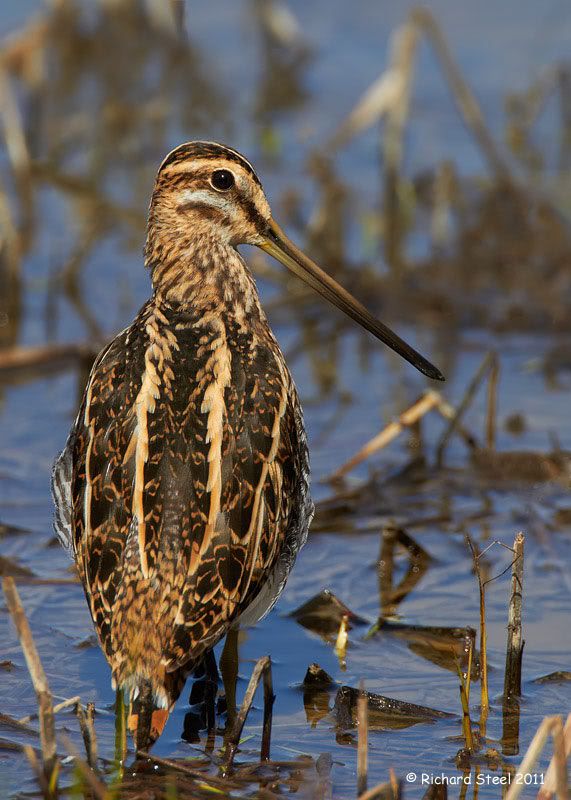
We had worked hard for the photographs that morning and so after lunch decided to have some R&R and finish off the rest of the day at S'Albufera. Snipe fed in close to one of the Bishop Hides.

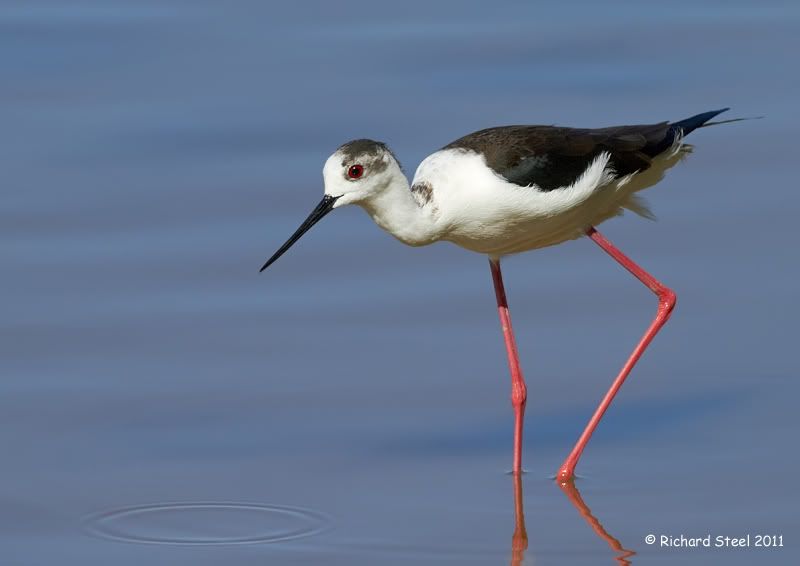
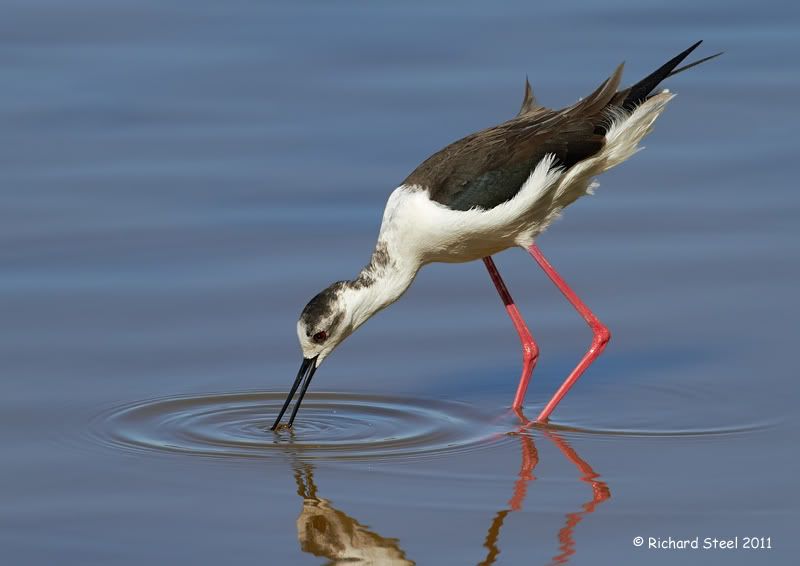
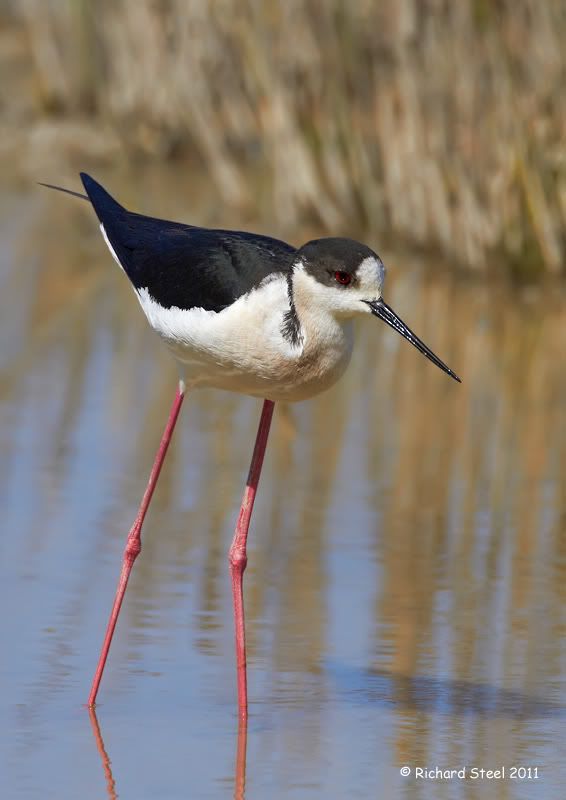
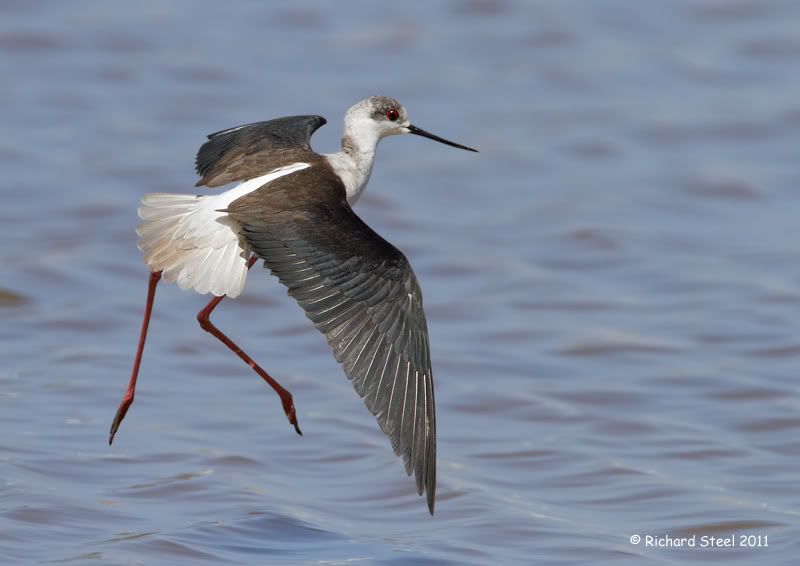
A little further out a Black-Winged Stilt was bathing.


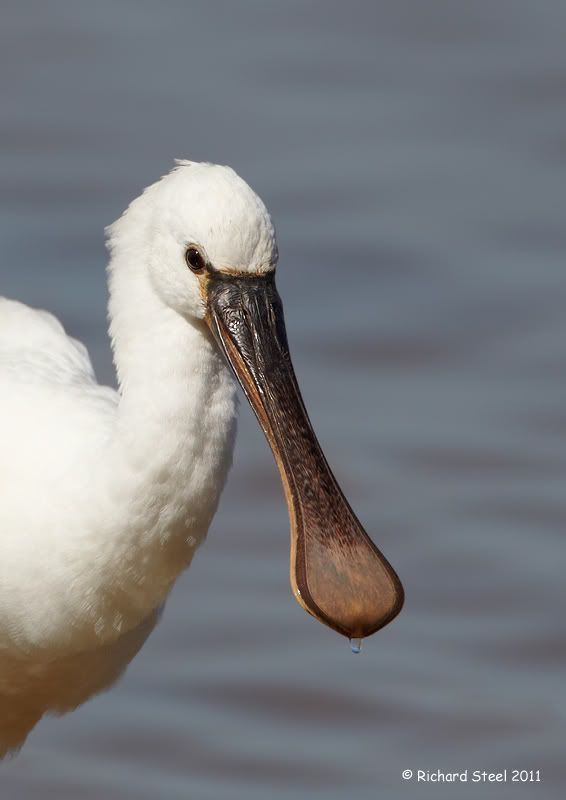
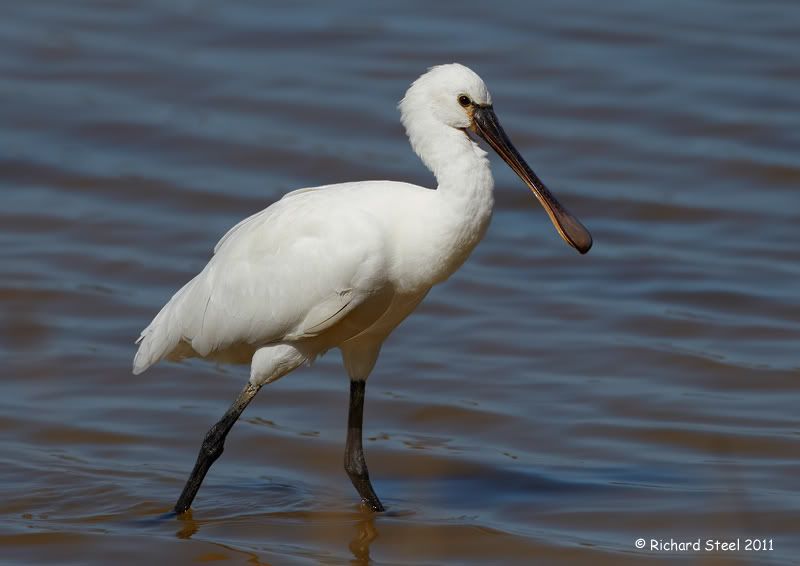
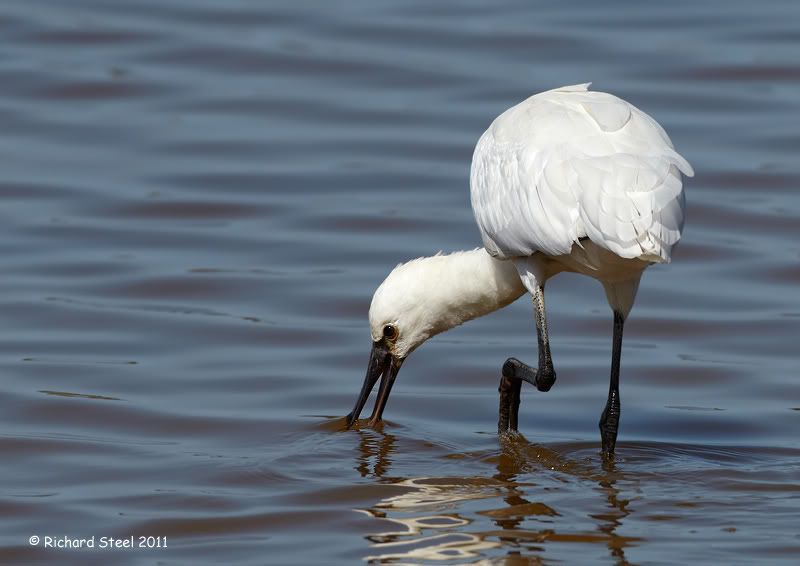
and beyond the Stilt it was bathtime for a Spoonbill.

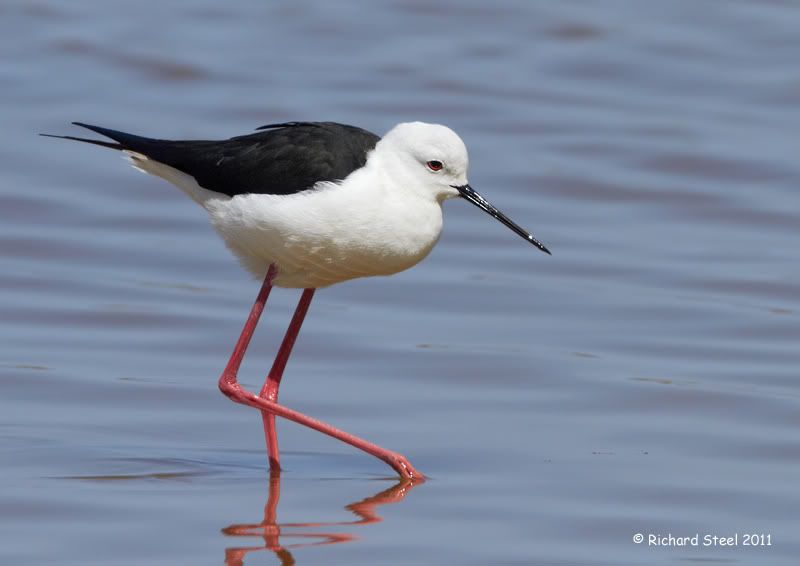
The afternoon 'siesta' was only occasionally disrupted by mating Stilts. A delicate operation to perform when legs are so long.

It is easy to forget the length of a Stilt's legs when they are wading around in water and it is only when they come out on to terra firma that you appreciate how bizarre they are.

As the sun set on the day there was not much to photograph in front of the hide but with the light being so beautiful even the common species took on a whole new look.

Saturday, May 21, 2011

Balearic Spring Day 4 - The Kings of Pollenca Bay

Mallorca is well known amongst those interested in birds as a destination where observing the spring migration can be superb. The island forms a staging post for birds moving north from their overwintering habitat in Africa on their travels in to Europe. If you look at the birdwatching guide books they tend to describe the bushes and trees bristling with a wide variety of migrant birds during April and May. However, this is very dependent on one key factor, the weather. Normally poor weather is required to bring the birds down from the skies as under clear sky conditions they tend to keep flying. As I woke on the morning of the 4th day, I was greeted once more by a sapphire clear morning sky that was fringed orange by the rising sun. Not a cloud was to be seen in any direction to the horizon.

Our destination for the morning was Cuber Reservoir, located about 40 minutes south and west of the villa through the twisting mountain roads. This site is well known for both migrants and vultures. We did spot some vultures floating on thermals and appearing merely as black spots drifting many hundreds of feet above and way out of range of even the most ambitious photographer. Migrants were none existent. In fact the entire lap of the reservoir produced very little in the way of bird life and certainly nothing that could be put in front of the lens. The only two birds that gave any 'opportunity' for photography were a Cirl Bunting and a Firecrest (all photographs of which were subsequently deleted as they failed to make the grade). We checked out a couple of other spots within the mountains for Blue Rock Thrush but without sighting and only a very distant song for our efforts. Not a very productive start to the day and so we decided to head back down towards Pollenca.

Up to this point we had no yet checked that famous bird watching site that can be found just outside Pollenca, the Boquer Valley. Again another location famed for shrubs dripping with weary migrants but the bushes remained ominously silent. A passing bird watcher confirmed it to be quiet, in fact the worst he had known. In the UK you always hope for sun and we were now starting to hope for some rain. The Boquer Valley proved as unproductive as the reservoir. Steve decided to do his Edmund Hillary impression and try and scale the cliff in search of Blue Rock Thrush. I decided to stay more low level and looked around the scrub. We both returned with empty memory cards. The day was going downhill fast on the photography front as it was now already late afternoon. After many fruitless hours and a good distance covered on foot to my increasingly complaining blisters, the sum results for the day were zero.

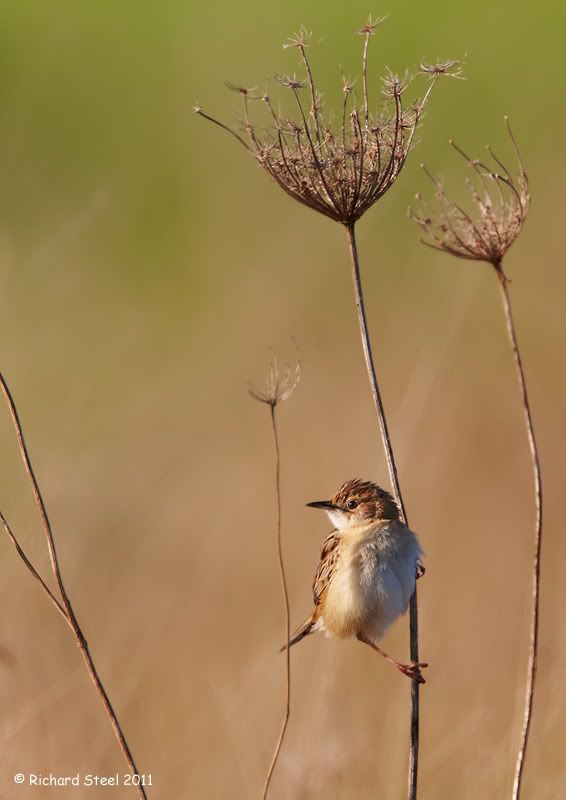
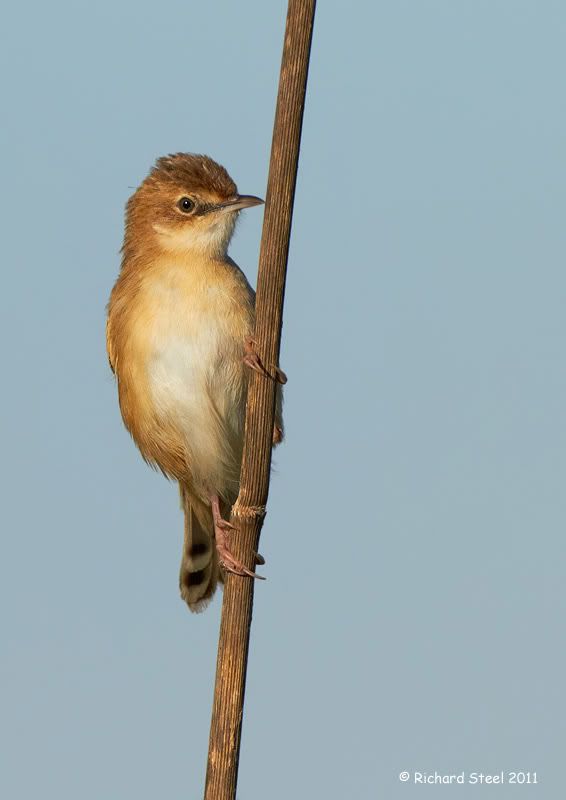
When the going gets tough its time to look for seagulls :). However, the light was still too harsh for gulls so we decided to take a drive around the back roads of Pollenca. After a bit of searching we found a Zitting Cisticola to photograph. A very welcome bird and an oasis in a photographic desert.
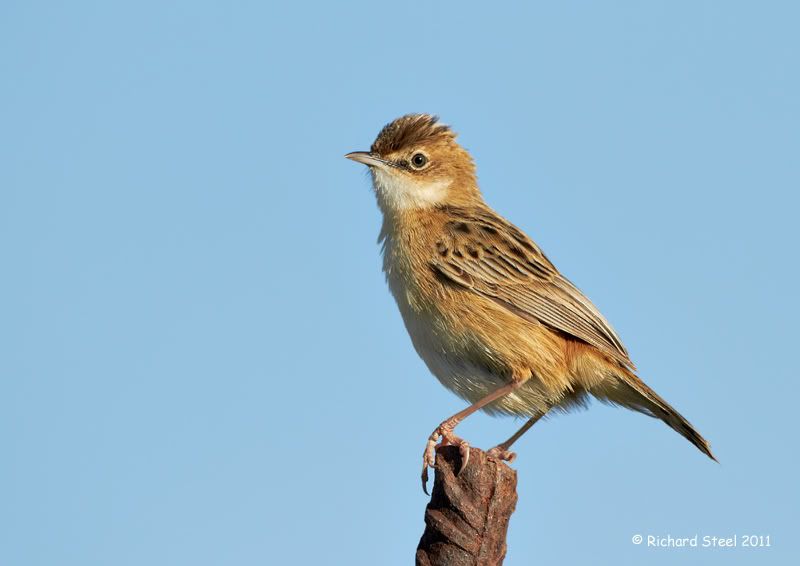

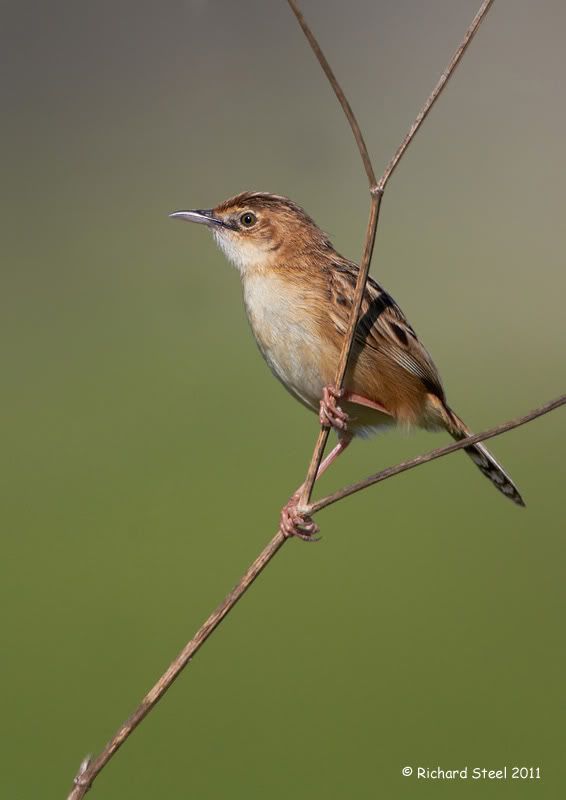
On a more natural perch.


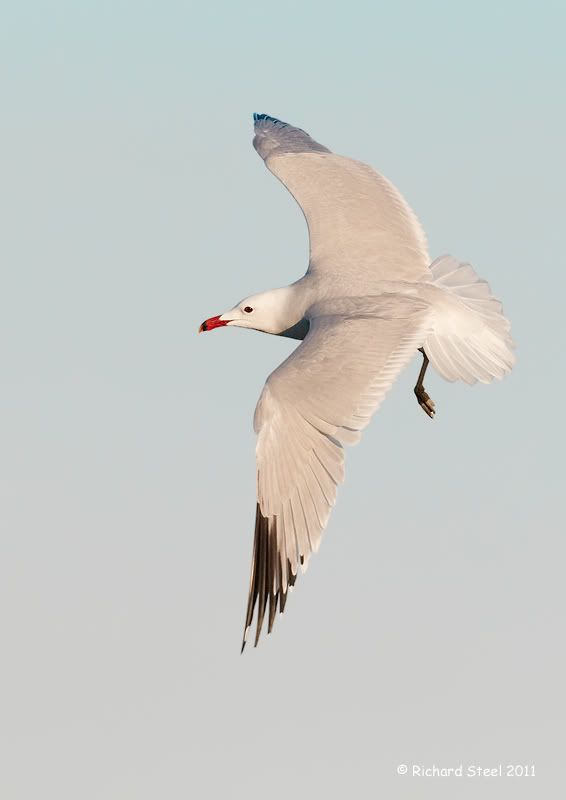
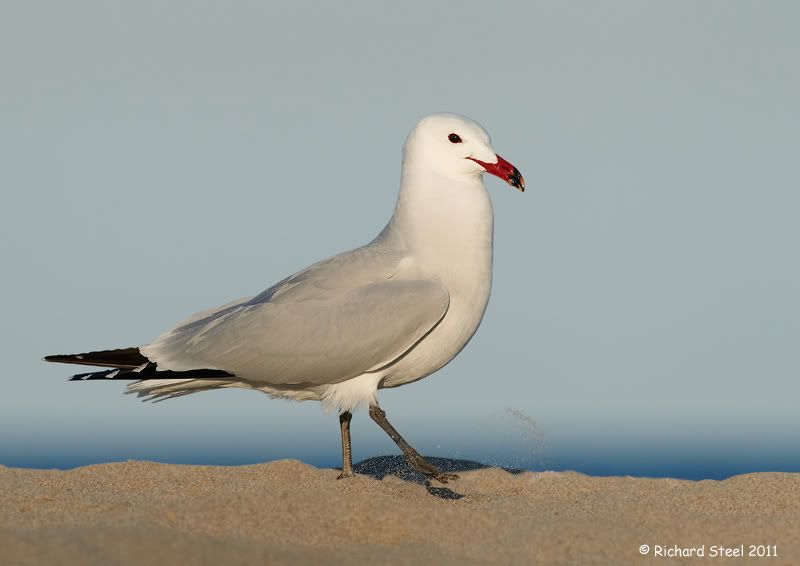
As the light was now falling and softening we headed back on to the coast road and to the area of beach where we had spotted an Audouin's Gull a couple of days previously. This species was once classed as the world's rarest gull with only 1000 birds left. Numbers have increased in recent years but they are still a bird which is rare with an estimated 10000 pairs and vulnerable due to the potential impacts of overfishing on this specialist nocturnal fish feeder. We found three adult birds and had a brief but memorable session in wonderful light which turned around a poor photography day.
The birds flew up and down the beach at first as if to check us out.
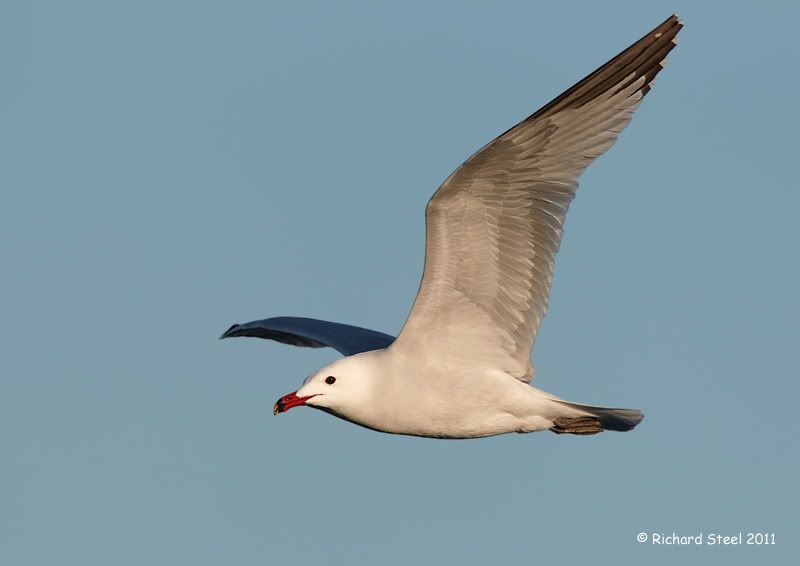
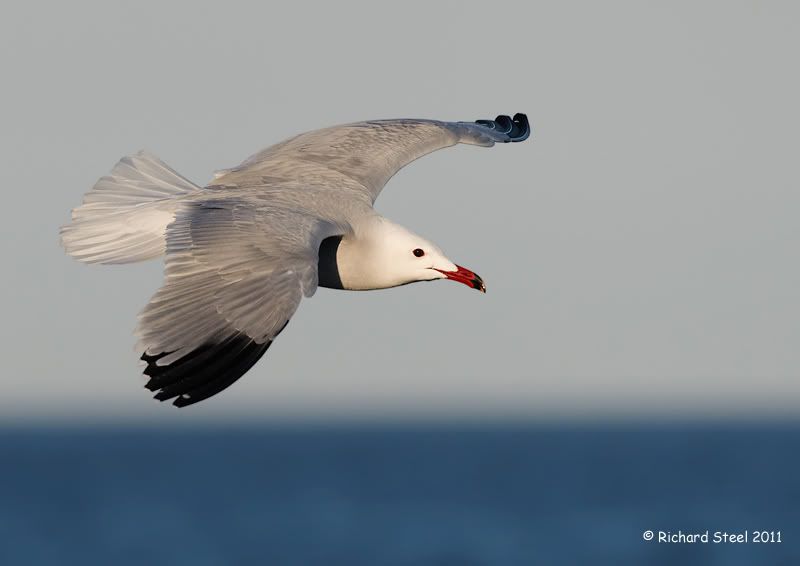


They then settle down directly in front of us on the warm coarse sand of Pollenca Bay.
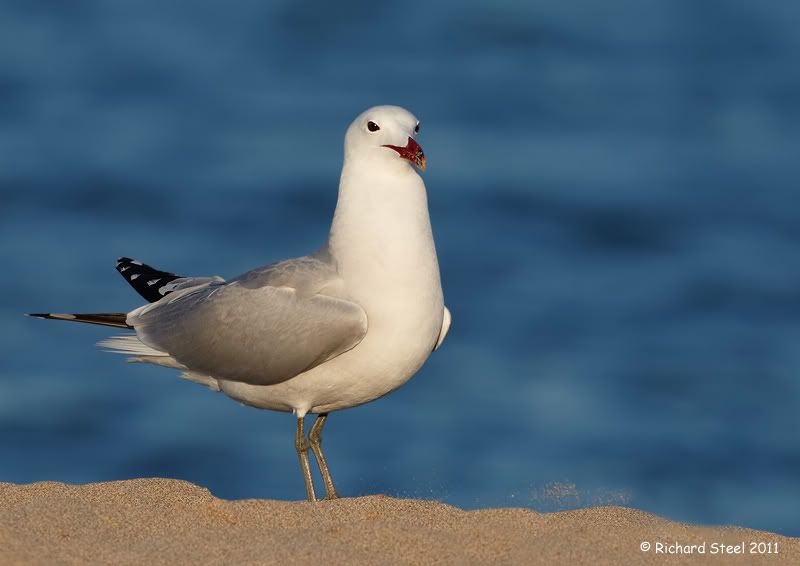

These are a very attractive gull and it was a pleasure to be in their company in the fading light.
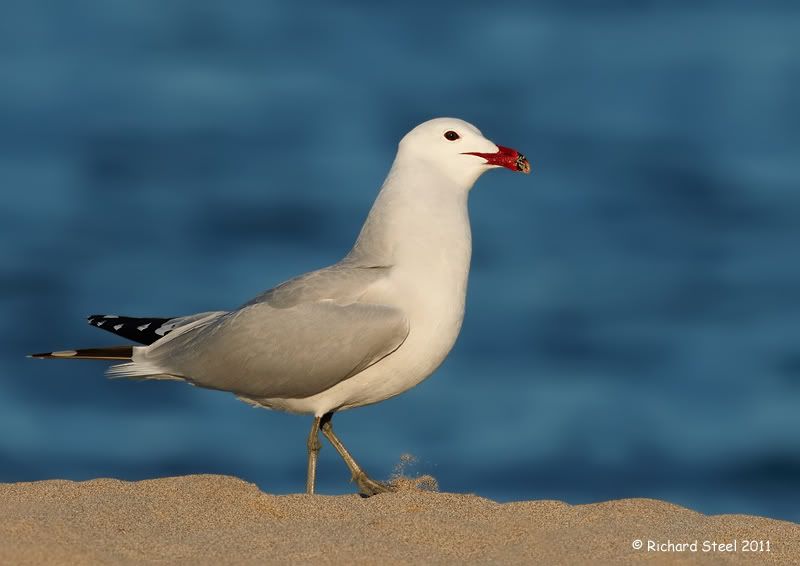

Some bird species have a rather 'majestic look' with their poise and stance and in my opinion these elegant gulls certainly fall into this category. Certainly the Kings of Pollenca Bay.
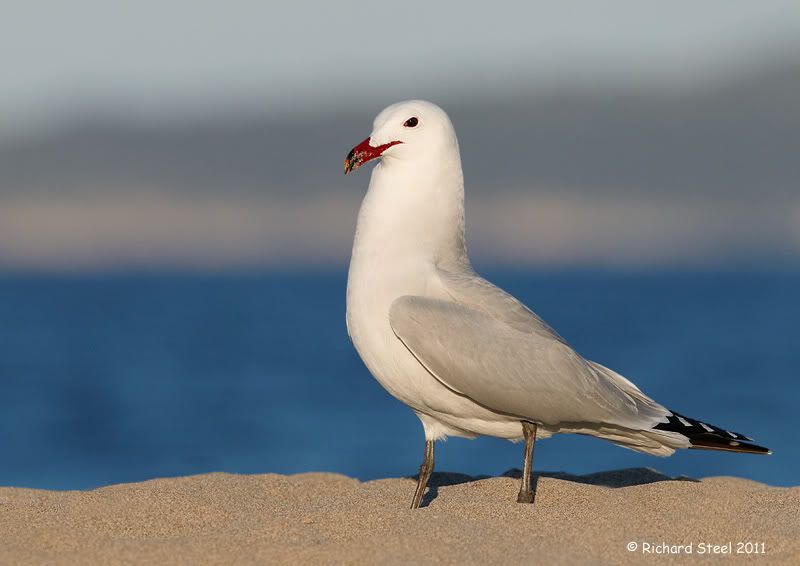
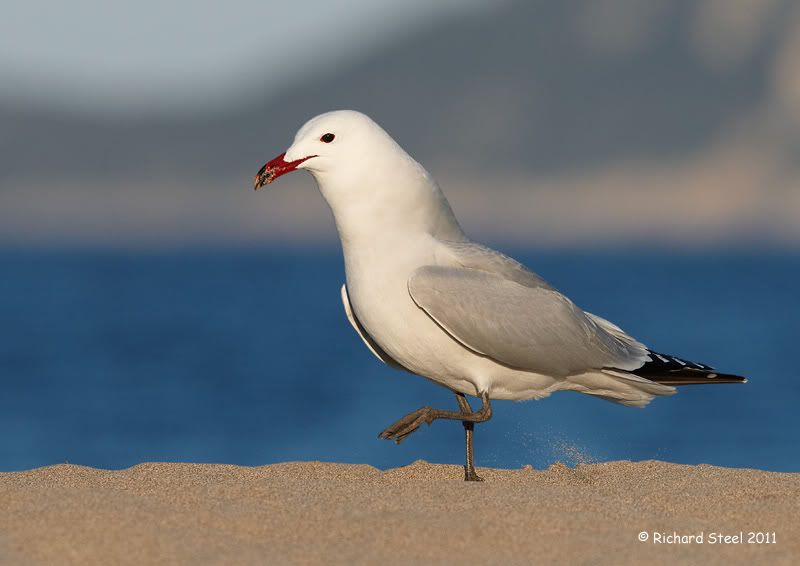


Kicking sand on the beach.

This was not to be the last time during our trip that some gulls saved a difficult day. The following day we would be returning early to the garrigue for another attempt to try and find the Balearic Warbler.

Monday, May 16, 2011

Balearic Spring Day 3 - Into the Farmlands

Another day of clear blue skies dawned as we packed the kit in to the car to head south towards the centre of island. Our aim was to travel around an extensive area of farmland to see what species could be found next the tracks with the car providing us with a mobile hide. As we arrived you already feel the coolness of the morning burning away under the rapidly ascending sun.

The first species we encountered were a small streaky warbler with an impressive and very apt name, the Zitting Cisticola who seem to have adapted well to a life amongst the arable crops. These are the only representative of a group of African warbler species that are found in Europe.


We did manage a couple of closer encounters that morning. Unusually the lining of the male mouth is pitch black and they look very odd when in full song.


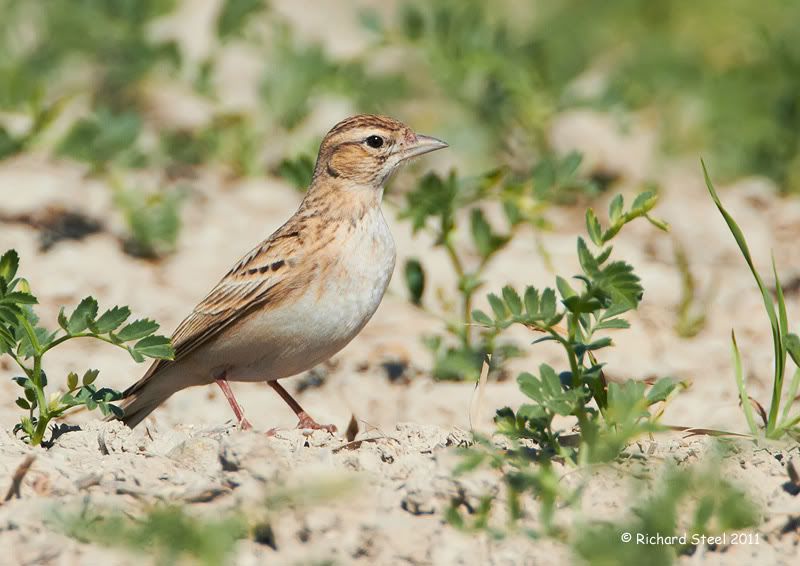
On our journey along another track, we located a pair of Short-toed lark gradually working their way across the sun baked soils.


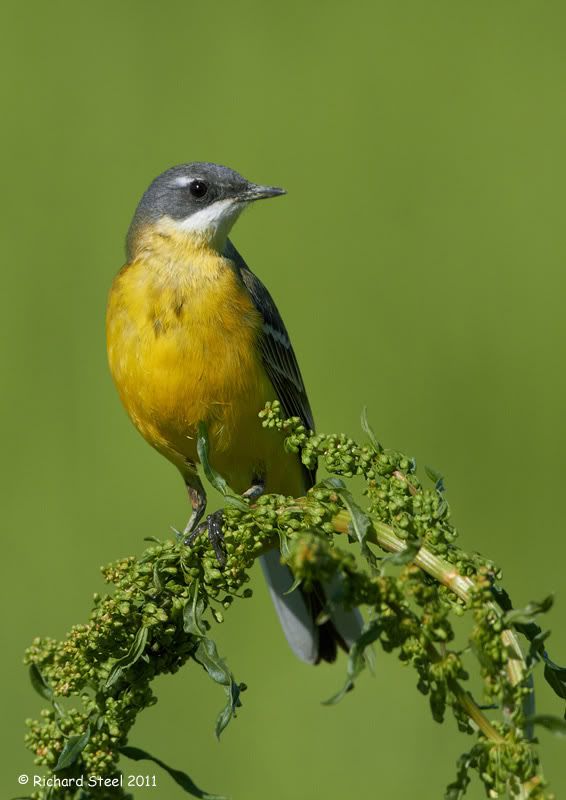
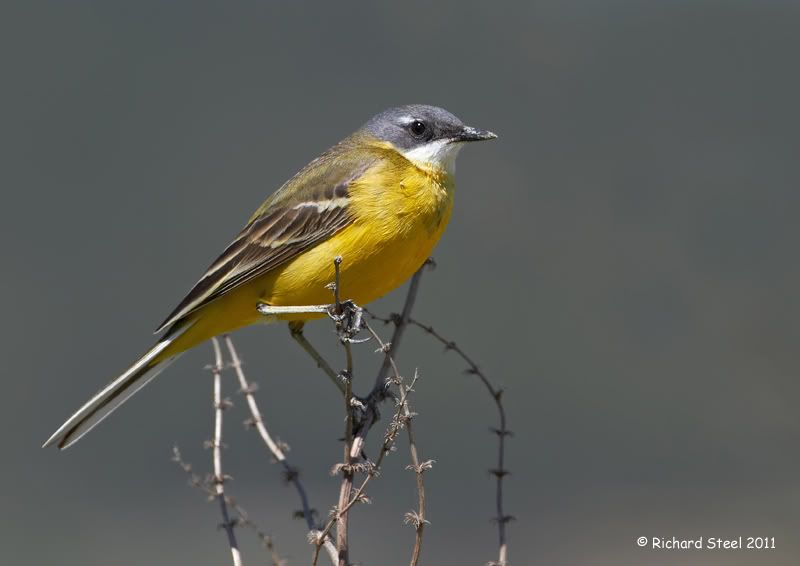
Another track, another species. This time it was the Iberian race of Yellow Wagtails with their grey heads. Personally I prefer the looks of our yellow headed UK race.


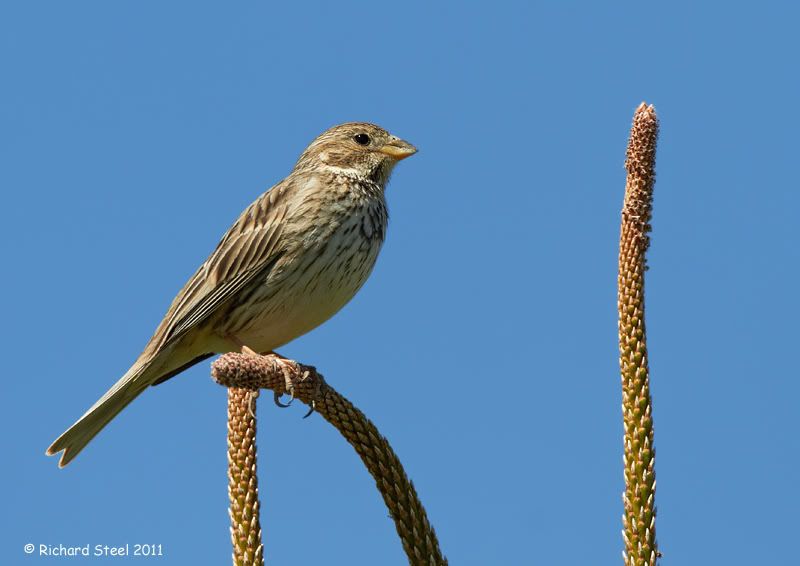
By this point the light was getting harsh and the autofocus crippling heat haze was building. The last species I photographed before we left the farmlands was a Corn Bunting, my first image of this species, and one I was hoping to improve upon before the end of the week.


We decided to stop for a bit of lunch and then headed back up to S'Albufera. The daily outings were starting to take on a bit of a pattern with a trip out exploring a new area in the morning and a return to the Marsh for the mid afternoon and early evening. As I said in my first post you could easily spend a week at S'Albufera Marsh alone.

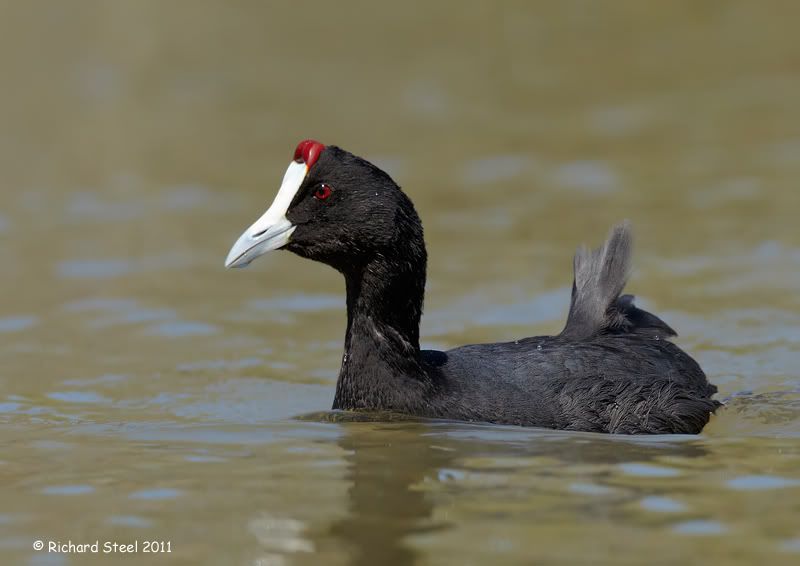
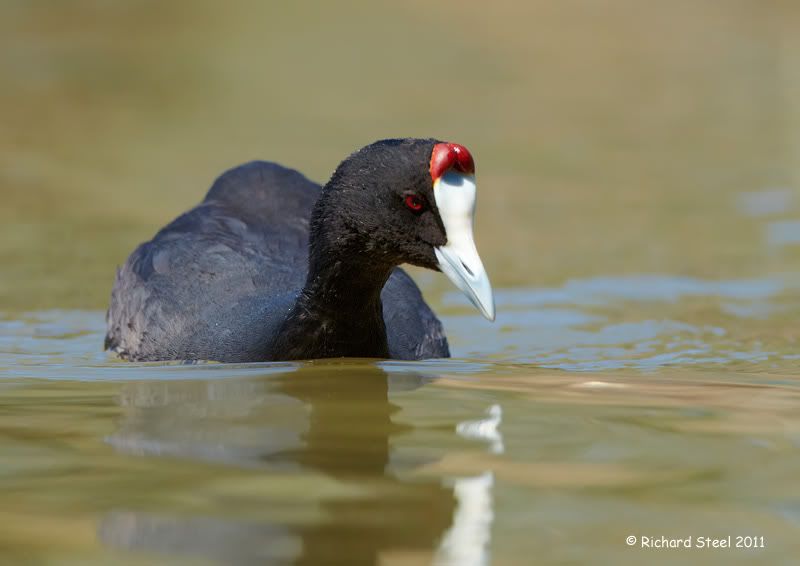
Another of the S'Albufera conservation efforts was the introduction during the 1990s of the endangered Crested Coot. I remember these birds from when I visited a few years, with each sporting a large identification neck ring. As the numbers have increased so has the chance of finding an unringed bird. A number of birds were present each day around the main bridge that crosses the central canal. Photographing from the raised position of the bridge did not offer the greatest perspective and we located a small area off one path were we could get to water level with the birds. Coots under harsh sunlight is not a photographic pursuit I would recommend for those who do not like an exposure challenge!


It is good to see these birds flourishing in their new home.

Just around the corner from the bridge, the Bishop Hide was in good form with plenty of Black-winged Stilts feeding at very close proximity.


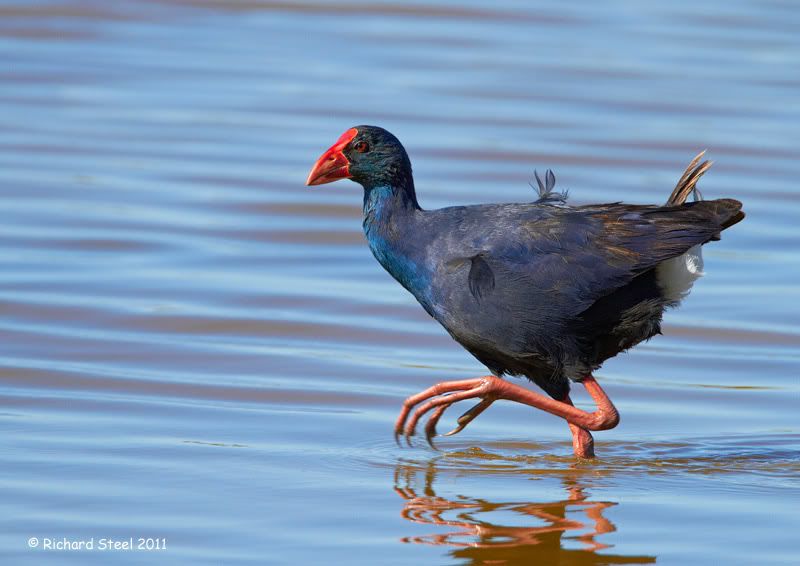
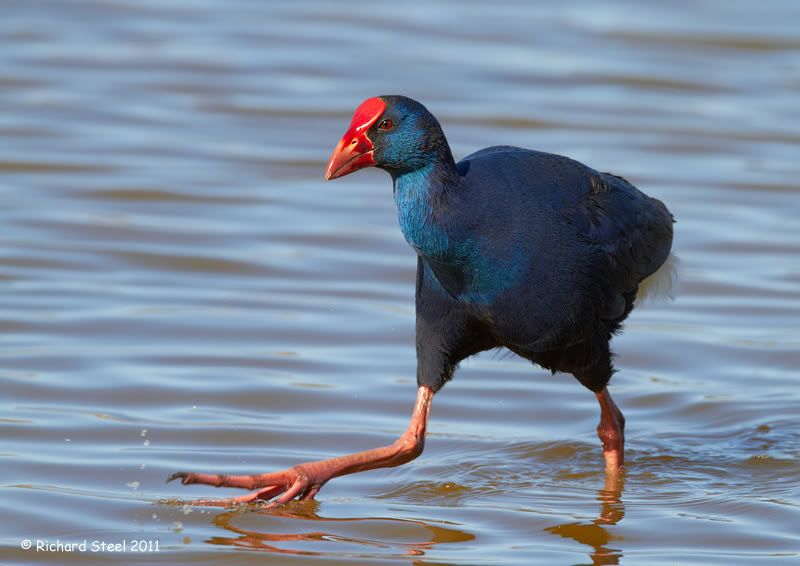
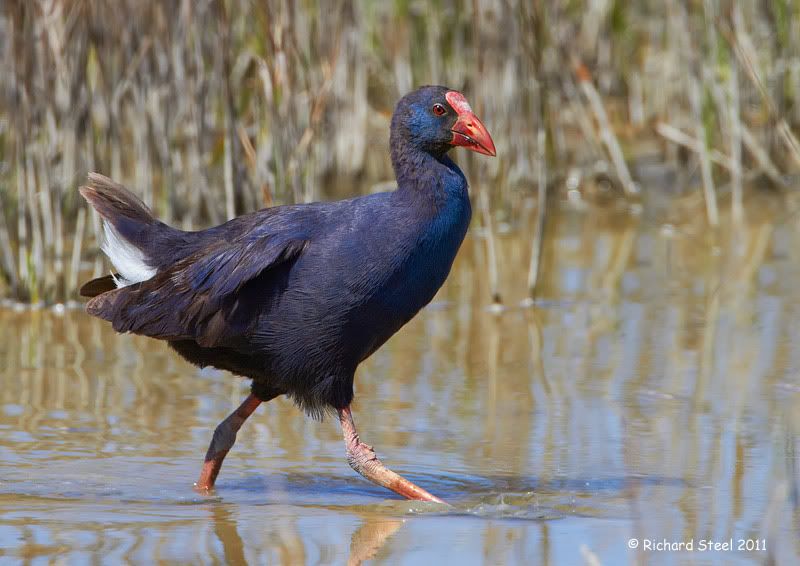
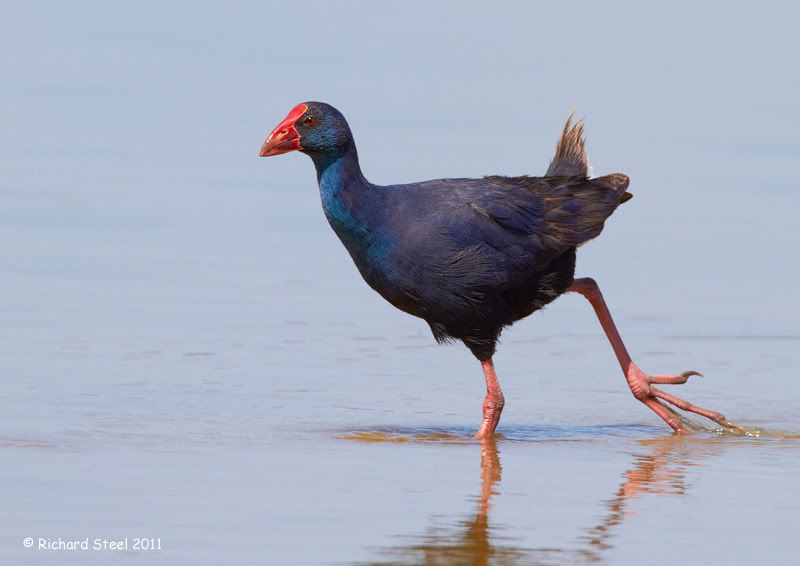
The Stilts were occasionally joined by a Purple Gallinule that would boldly march, between the bordering reedbeds, across the front of the hide to the accompanyment of camera shutters.


The bird shown below was particularly impressive in its colours.


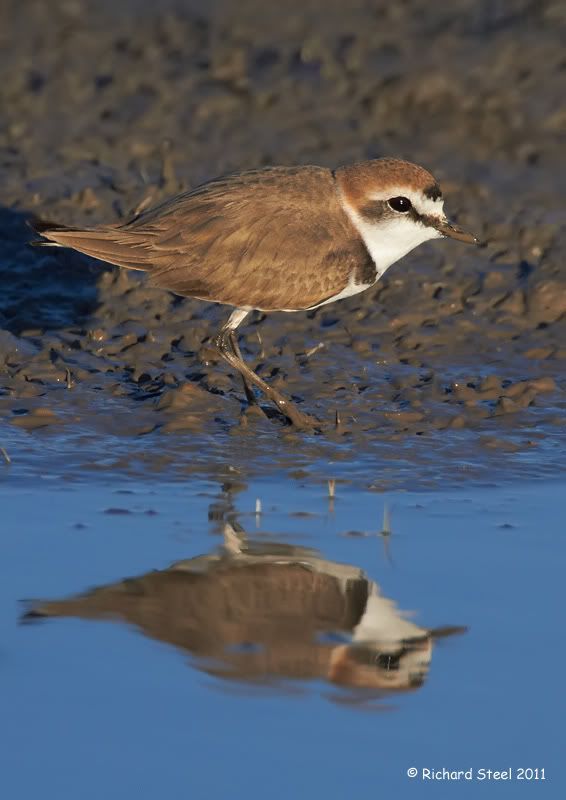
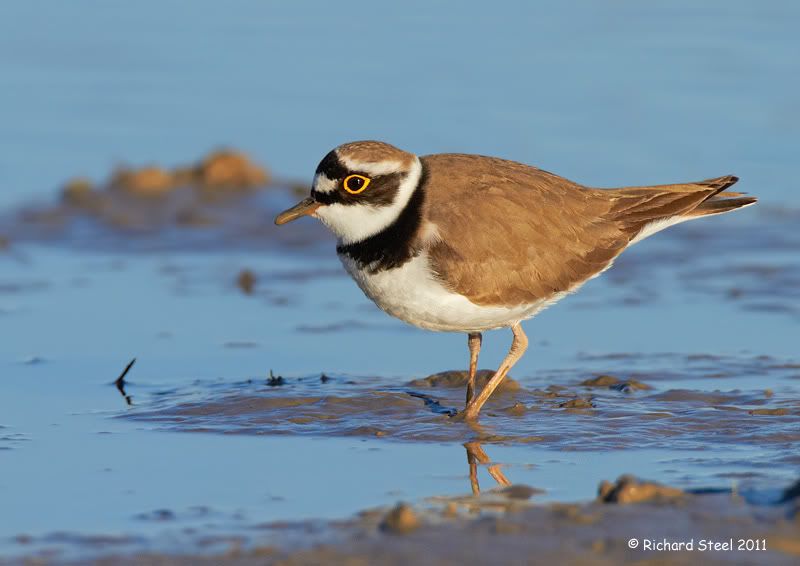
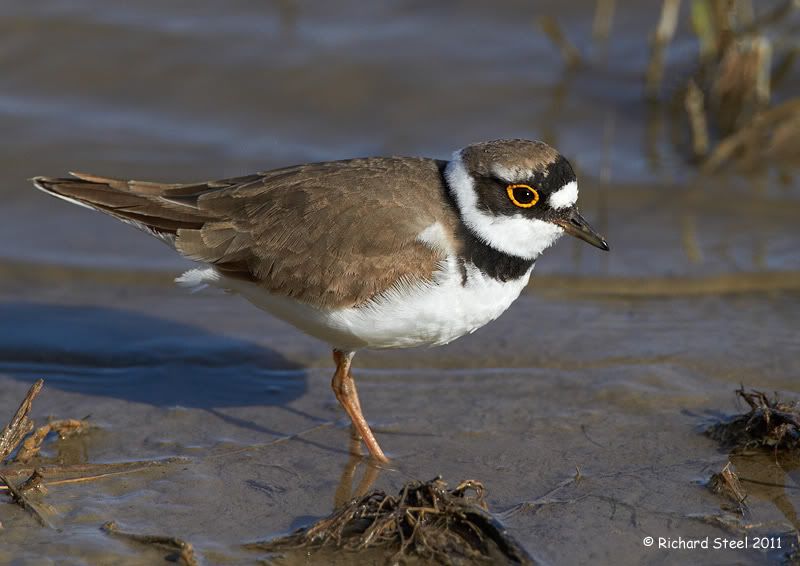
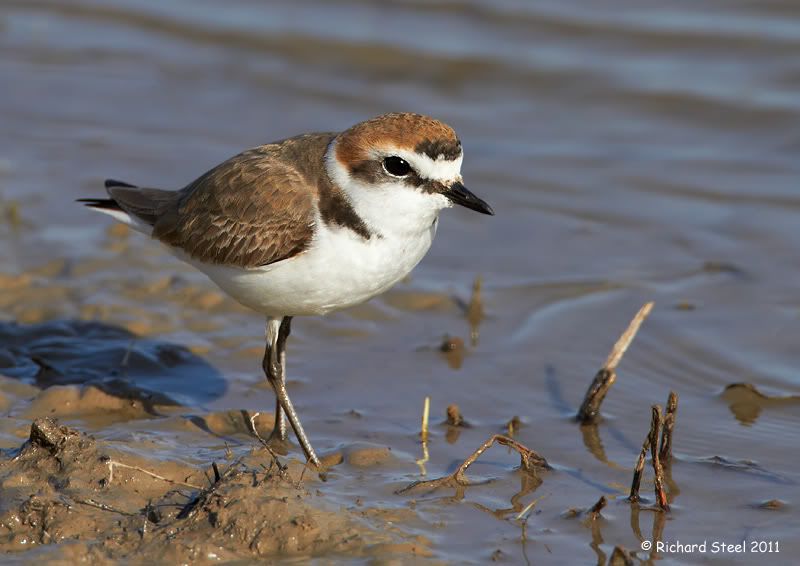
We decided to move to another hide for the end of the day light. Kentish and Little Ringed Plover foraged with their stop and go movements along the lagoon edge.


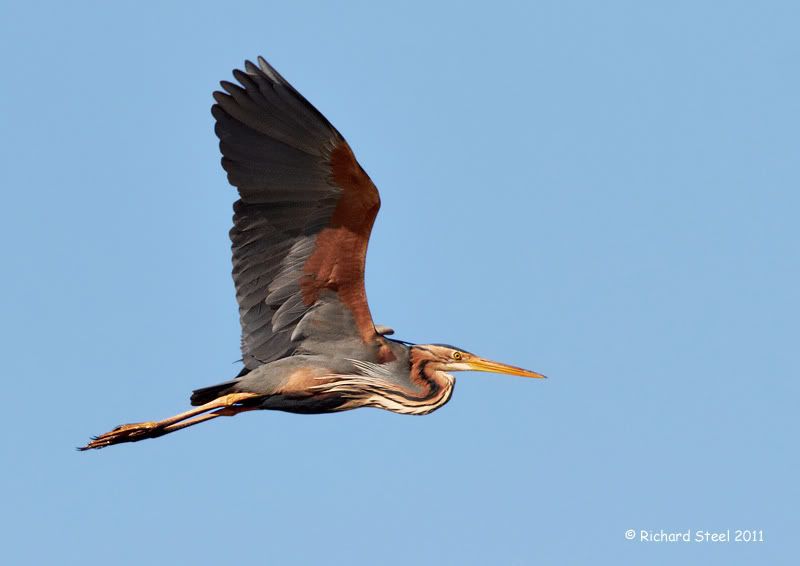
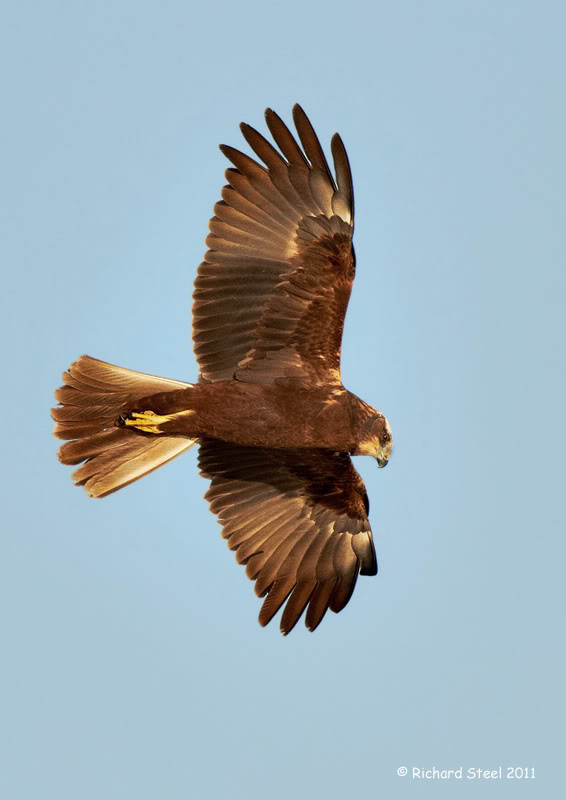
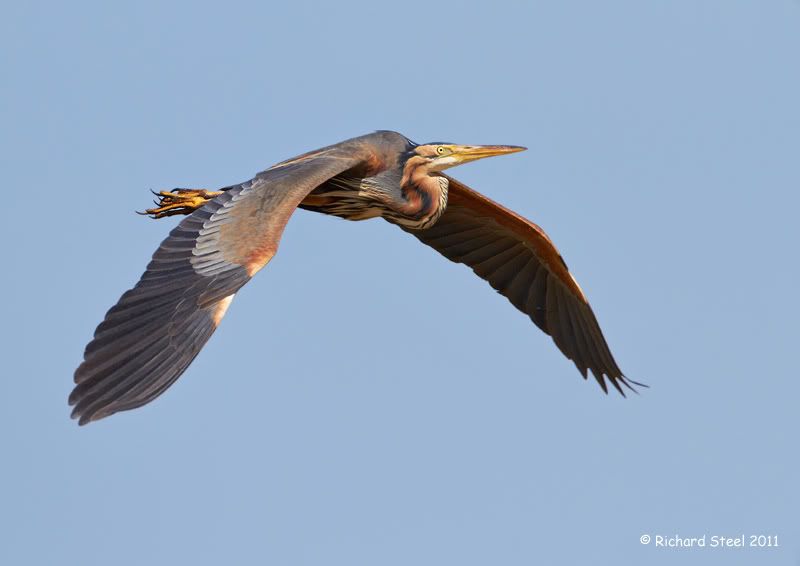
The only distraction being the very pleasent sight of passing Purple Herons or Marsh Harrier in the softening light. I can think of much worse ways of passing time.


The following day we would be heading to the mountains but that will have to wait until the next post.

Saturday, May 07, 2011

Balearic Spring Day 2 - Searching the Garrigue

A feint glimmer of orange appeared across the crop fields that surrounded the villa, as the dawn sun approached the horizon before it would quickly arc upwards in to the clear blue skies. I was having a quick look at out my bedroom window taking in my new surroundings before getting started for the day. A Zitting Cisticola (Fantail Warbler) in bounding song flight across the grassland caught my attention with its steady monotone of 'dzip, dzip' calls. In the distance the low flutey whistle of a Hoopoe.

We headed out after breakfast down to an area of garrigue on the east coast. Garrigue is a low growing coastal scrub and provides an ideal habitat for a range of warblers. It is very attractive in the spring with a diverse range of flowers mixed in amongst the shrubs. It certainly made a change photographing birds surrounded by the pleasant aromatic scent of rosemary.

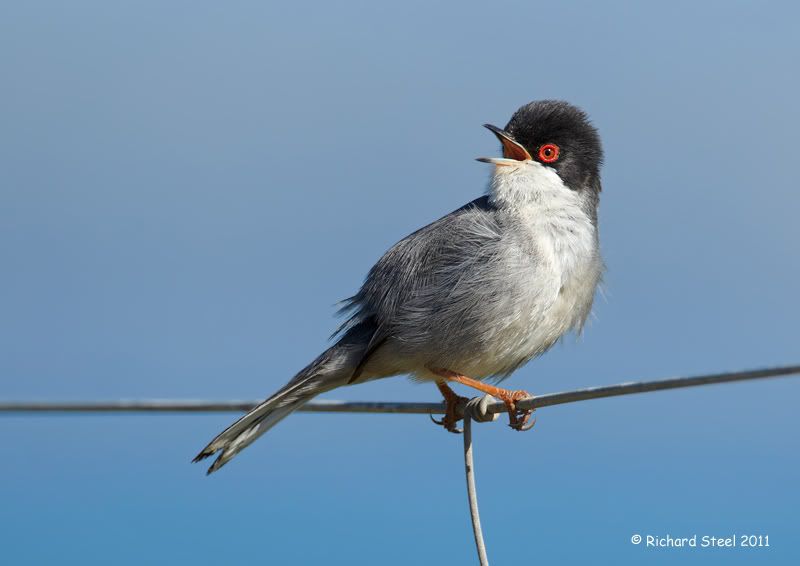
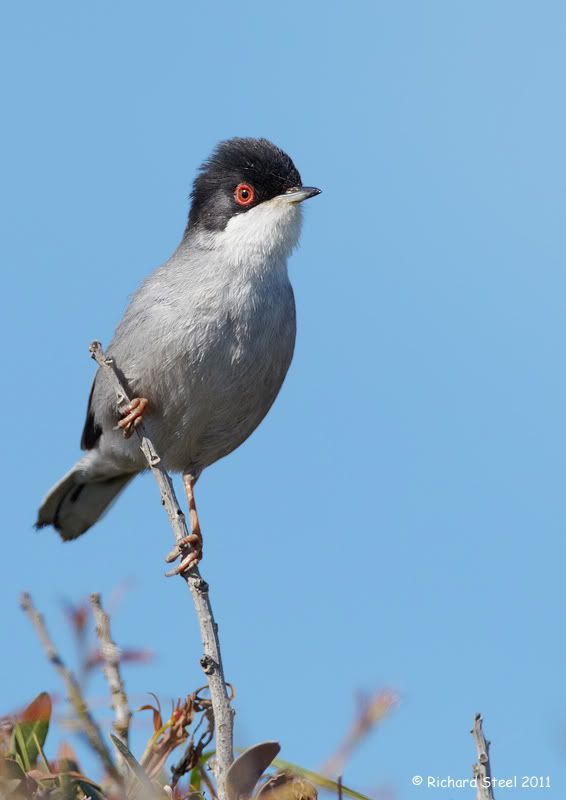
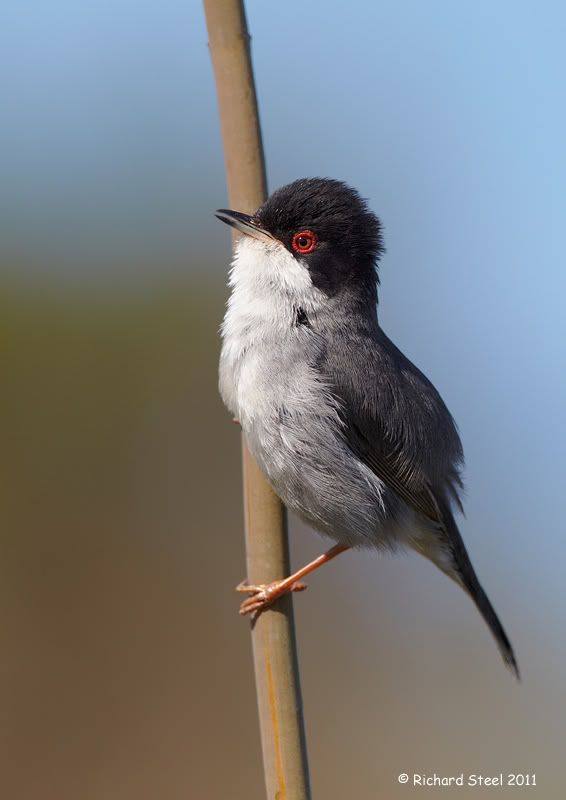
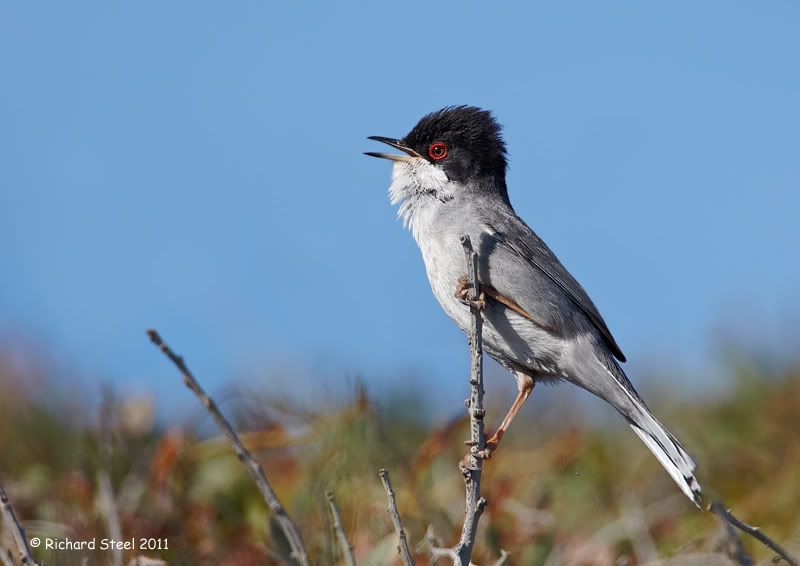
The walk in to the garrigue was quite long and through an area of pine woods which provided occasional glimpses of birds such as Sardinian Warbler, Woodchat Shrike, Crossbills, Serin and the electric song of Nightingale. As we approached the coast, the trees diminished and we were finally in scrub area that bordered the coast. I quickly found a Sardinian Warbler and decided to concentrate on trying to get some photographs of these birds. A bit of patience combined with the natural curiosity of the species produced a selection of images as the bird flitted between two low shrubs via a fence line.

The first clear sighting of a Sardinian Warbler, perched on a wire fence, singing with the sky and the Mediterranean sea merged in to one to form the background.


Typically for this type of warblers, they have a high curiosity for investigating visitors.


Once their inquisitive nature has been satisfied they usually return to normal operations which is singing a great deal.


After a very enjoyable encounter with the Sardinian Warbler, I moved further into the scrub and came across two larks perched on some rocky ground. By this point the heat of the day was really starting to kick-in and a visible heat haze forming. Of the few photos I managed to take of the larks only this one came out sharp due to the wobbling air between me and the bird, even at close range.


The debate then started if this was a Crested or Thekla Lark. We decided based on looks and song to identify the birds at Thekla Lark but of course at the point we did not realise that crested larks are not present on Mallorca!


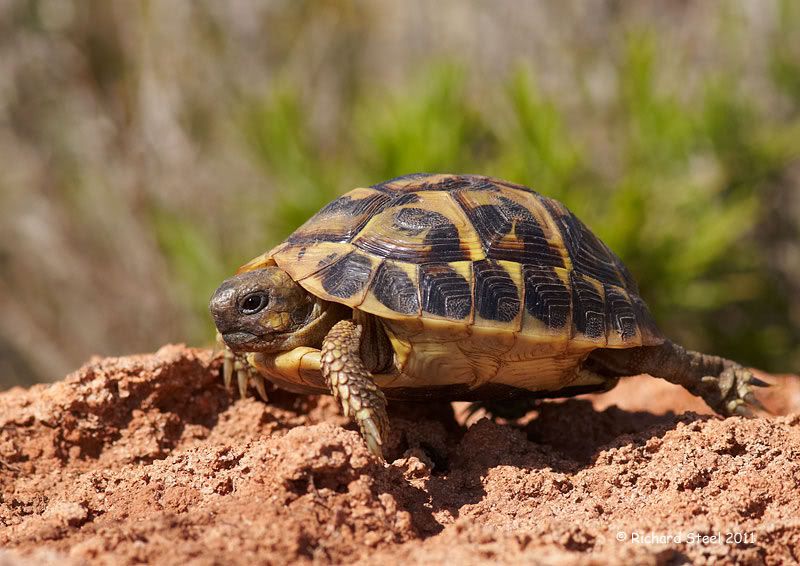
By now the sun was high and harsh and the birds quietened down for a siesta. There was no sign or sound of one of the birds I was really hoping to photograph, the Balearic Warbler, so it looked like a return visit later in the week may be required. As we left the garrigue I almost literally stumbled across a Hermann's Tortoise. The first time I have ever encountered a wild tortoise and so a few photographs were required.


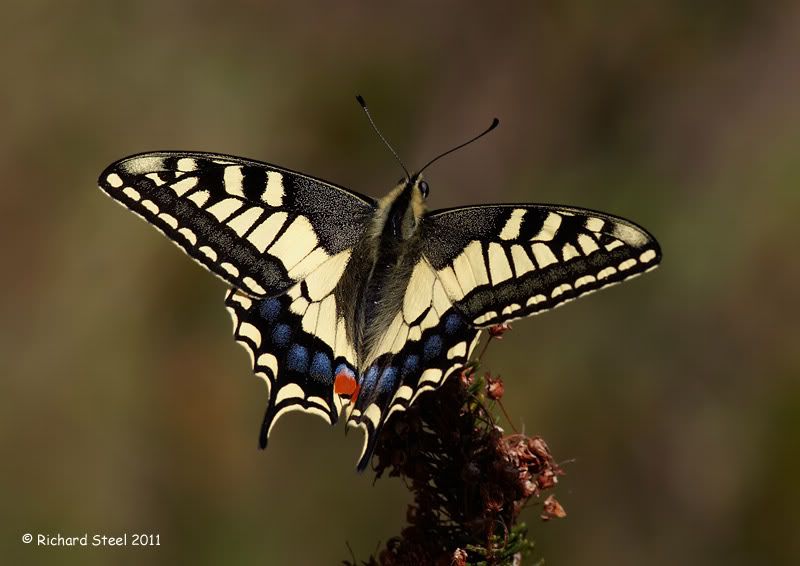
We decided to go and check a couple of sites near the southern end of S'Albufera marsh from a rather out of date bird watching guide. The first, a quarry, was now a woodland. Bird life in there was rather limited but there was a good number of Swallowtail butterflies. I must admit photographing insects is not really my bag but Steve pursues them and it is difficult to ignore the beauty of these large butterflies.


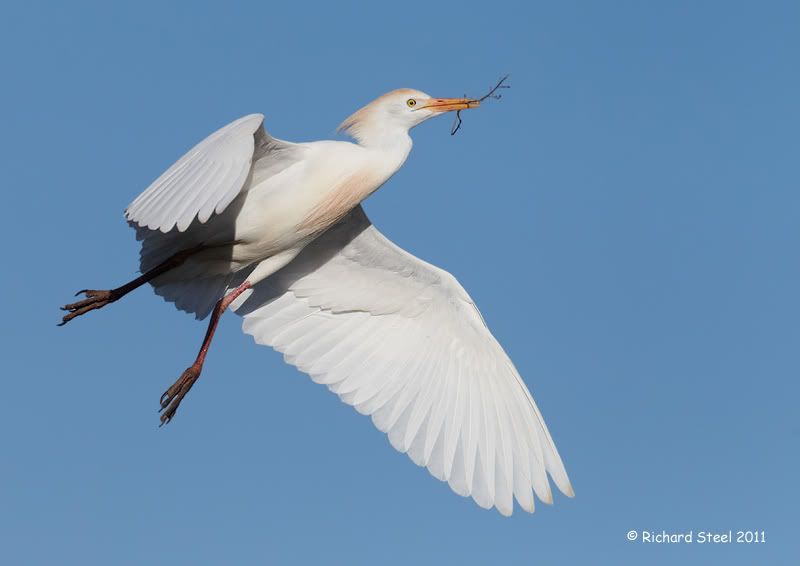
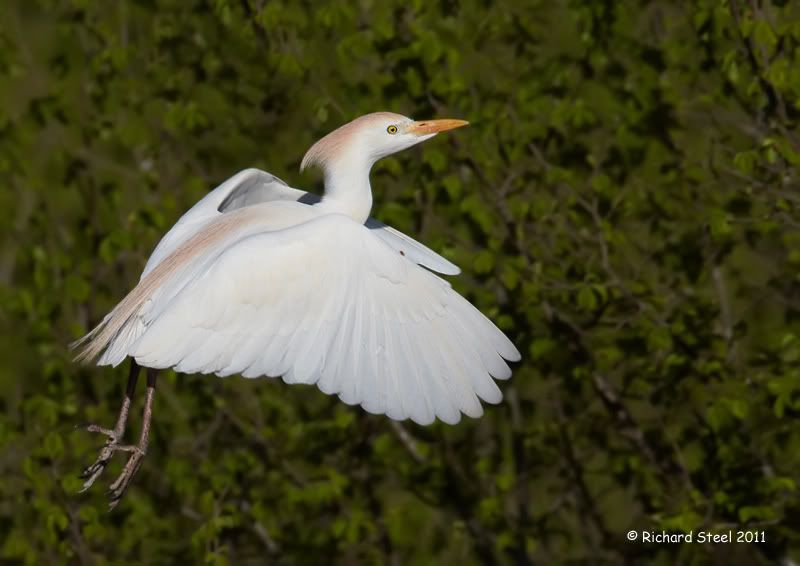
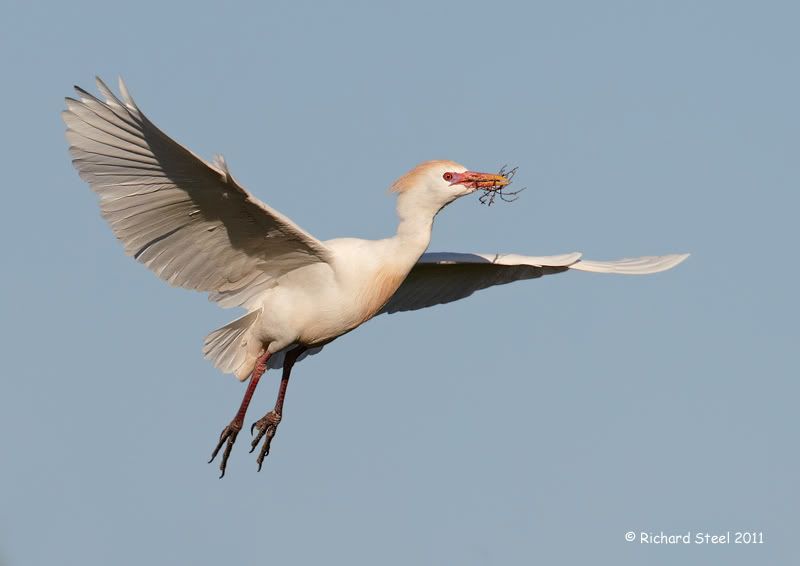
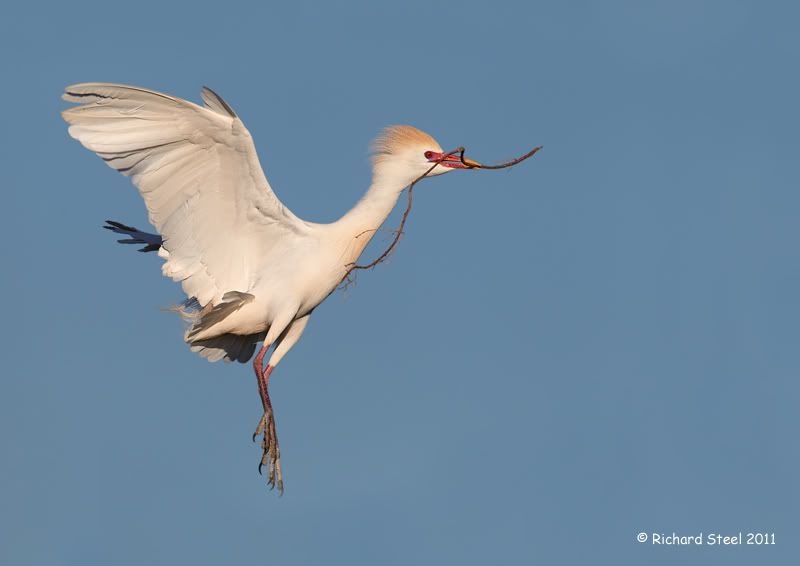
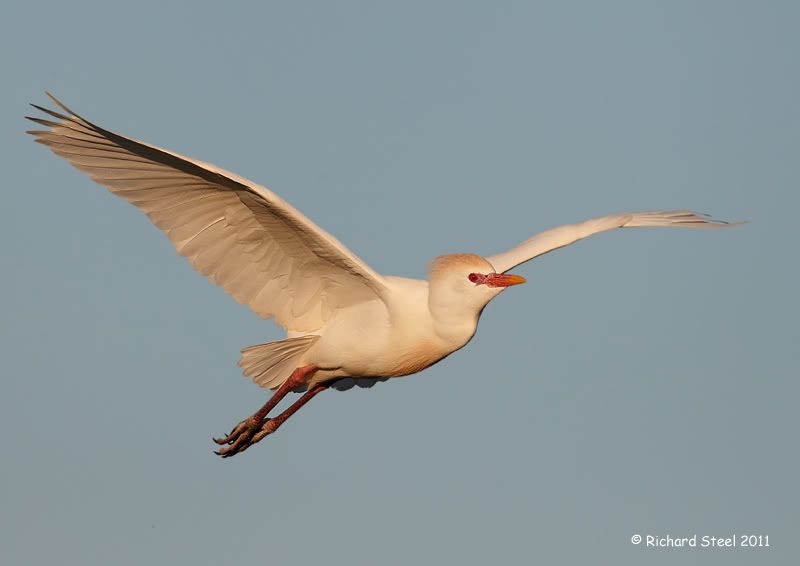
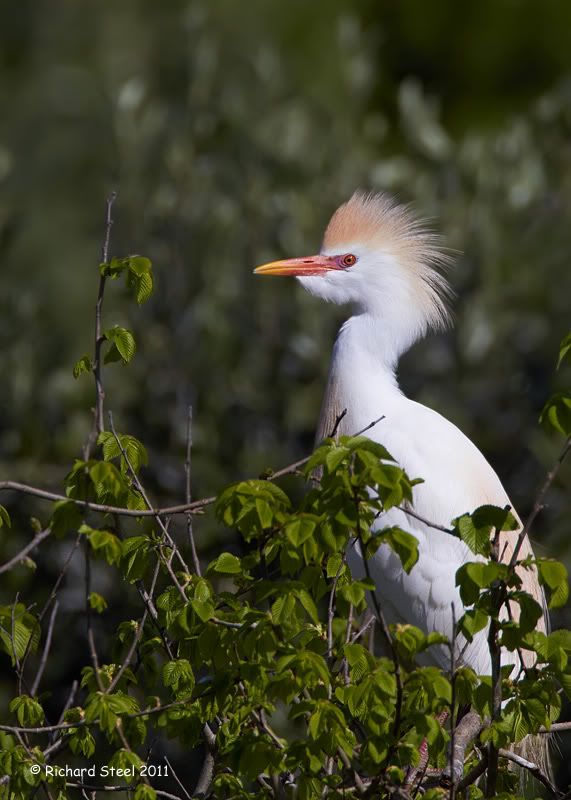
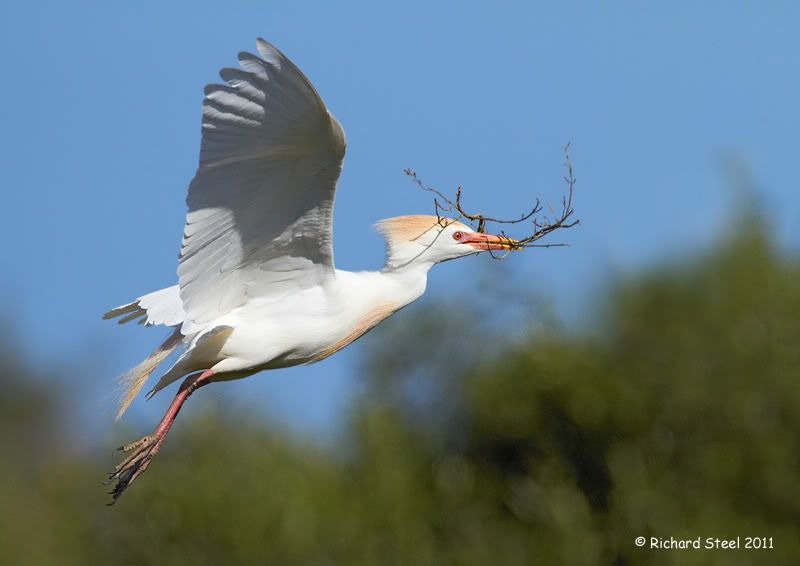
Time to get back to the birds and onwards to our next stop at the treatment works lagoons but the reported hide turned out to be a viewing platform and the photographic opportunities were zero. We then decided to return to S'Albufera Marsh and have a concentrated effort on the Cattle Egrets that were flying in to the colony with nesting material. The wind was still not in the ideal direction but we managed to get some photos after a while, a small selection of which are posted below.


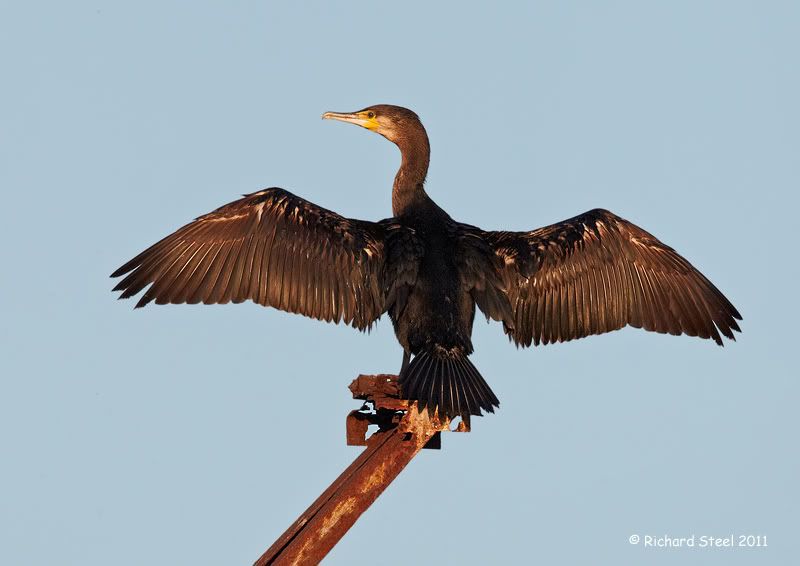
To finish off the day, this loafing cormorant drying its feathers in the last of the sun caught my eye.


It had been a long and interesting day. We had covered a large distance on foot in hot weather along dusty tracks carrying heavy camera gear. On returning to the villa and before going through the days images, an essential need was to soak my aching feet in the pool with a cold beer in hand as the last of the light faded behind the mountains. Another moment of Mallorcan magic.

LinkWithin

Related Posts with Thumbnails